Honda’s 1993 range ran from a 249cc screamer that revved to 19,000 rpm to a 1,520cc flat-six that weighed as much as a small car engine bay allows. If you’re trying to identify a bike you own, or figure out what a used one actually is, the 1993 Honda motorcycle models split into five groups: sport, nakeds and standards, touring, cruisers and off-road.
One catch before the list. Honda didn’t sell one global lineup. A CBR400RR was a Japanese-market bike, a CB500 was a European one, and the Nighthawk name belonged to the US. Each entry below says where it was sold.
Contents
- TLDR
- Sport bikes
- Nakeds and standards
- Touring and sport-touring
- Cruisers
- Off-road and dual-sport
- 1993 Honda motorcycle models compared
- Why the lists disagree: market differences
- Models that look missing
TLDR
- Best-known bike of the year: the CBR900RR Fireblade, 893cc, about 185 kg dry. It reset what a big sportbike should weigh.
- Best used buy for most riders: CB750 Nighthawk (air-cooled, simple) or CBR600F2 (fast, cheap, plentiful).
- Long-distance pick: the GL1500 Gold Wing for two-up comfort, the ST1100 Pan European for shaft-drive pace.
- Easiest cruiser to live with: Shadow VT600C.
- Japan-only bikes: CBR400RR, CBR250RR and CB1000 Super Four (Big One). Anything you find elsewhere is a grey import.
Sport bikes
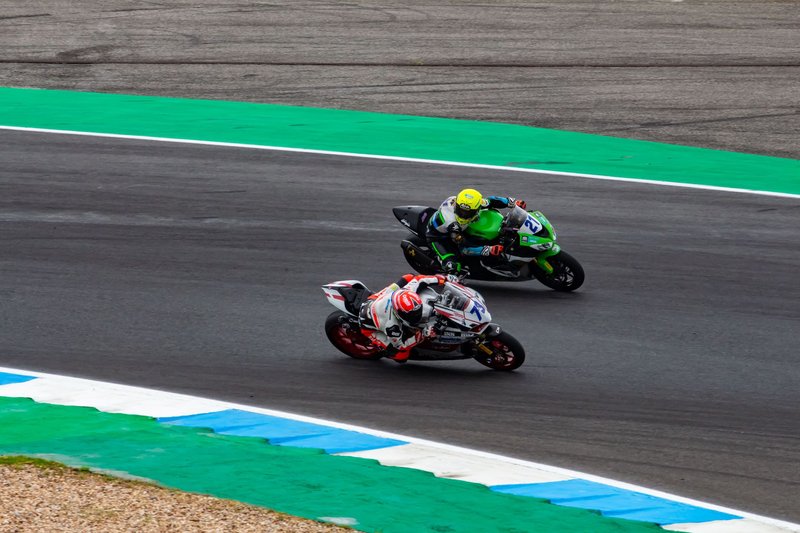
CBR900RR (Fireblade in Europe). Launched in 1992, so 1993 is its second year. The 893cc inline-four put out roughly 120 hp claimed, and the headline was weight: around 185 kg dry, which is what a 600 weighed a few years earlier. It’s the bike that made “big and light” the formula for the next decade. Suits riders who want a collectible that’s still genuinely quick. Check for crash damage; these were ridden hard.
CBR600F2. A 599cc liquid-cooled four, about 100 hp claimed in European trim and less in US form. It was the middleweight benchmark of the early 1990s and the best-selling version of the CBR600 line. Suits first-time buyers on a budget who want something that still tracks well. Fairing panels and the clear-coat on the tank are the usual weak points.
CBR1000F. The 998cc inline-four sport tourer, sold in the US as the Hurricane. Heavy for a sportbike, but smooth and long-legged. Suits riders who want big-bike torque without a Gold Wing’s size.
CBR400RR. The NC29 generation, a 399cc inline-four built for Japan’s mid-size licence class. It made about 59 PS, the figure Japanese manufacturers capped at the time, and revved past 13,000 rpm. Suits collectors of Japanese-market sport bikes. In most countries you’re looking at an import.
CBR250RR. The MC22, a 249cc four with a redline near 19,000 rpm. A tiny, wailing, race-replica engine in a full fairing. Another Japan-market bike; parts and know-how are the challenge outside it. Suits enthusiasts who want the oddest and highest-revving bike on the list.
Nakeds and standards
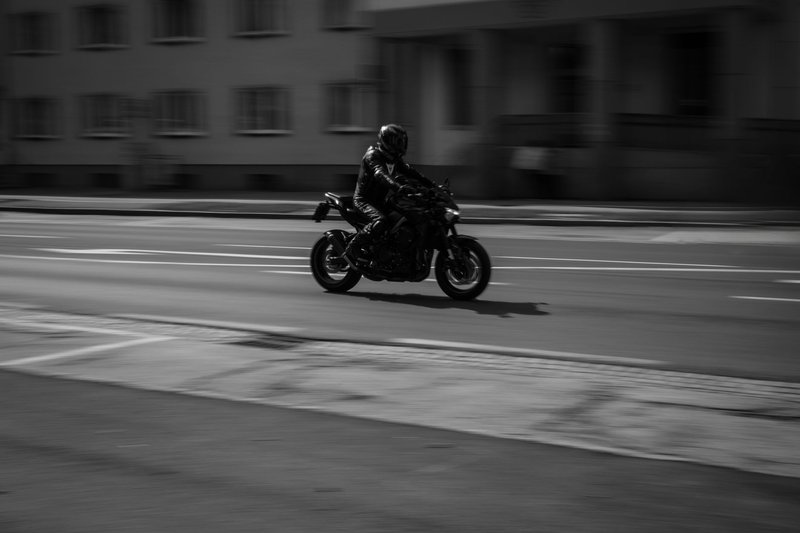
CB1000 Super Four (“Big One”). Introduced in 1992, a 998cc liquid-cooled inline-four in a big, muscular, unfaired frame. Honda’s answer to the Kawasaki Zephyr and the Yamaha XJR crowd. It was a Japanese-market bike, though it turns up elsewhere as a grey import. Suits riders who want a dependable, torquey four and don’t care about being fashionable.
CB750 Nighthawk. A 747cc air-cooled, DOHC inline-four with hydraulic valve lifters, so valve adjustment is a non-issue. The US name was Nighthawk; Japan called the equivalent bike simply the CB750. It’s the all-rounder of the class: upright seat, chain drive, nothing exotic. Suits new riders moving up and anyone who wants a bike that starts every morning.
CB500. The 499cc liquid-cooled parallel twin that debuted in 1993. It was a European-market model, with power in the high 50s hp and a reputation for being near-indestructible in later years. Suits commuters and learners, particularly in markets with a power-restricted licence.
CB250 Nighthawk. The 234cc air-cooled twin sold in the US as an entry-level machine. About 20 hp, a low seat and a fuel-sipping engine. Suits riders who need a first bike and a cheap one.
Touring and sport-touring
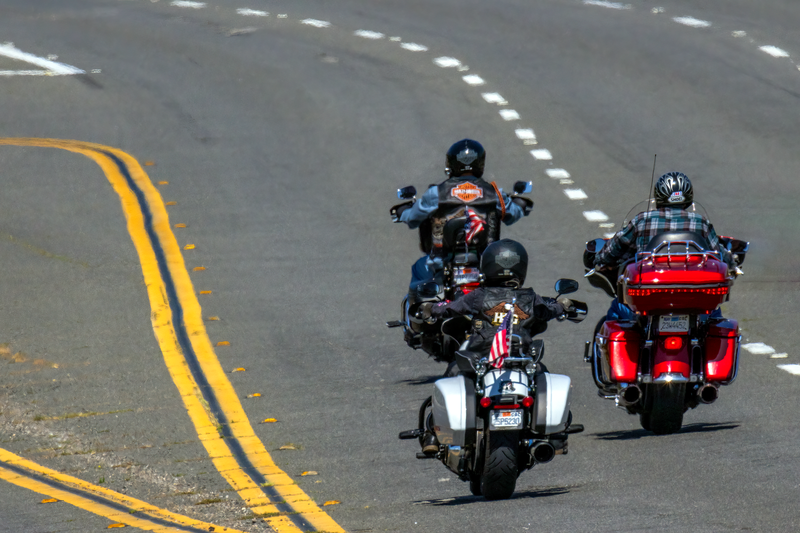
GL1500 Gold Wing (SE, Aspencade, Interstate). The 1,520cc liquid-cooled flat-six, smooth to the point of being quiet at idle. It came in several trims: the Interstate as the cleaner-looking, lower-cost bike; the Aspencade with its full touring package; and the SE as the fully-equipped model. All weigh well over 700 lb. Honda’s flagship was covered at length in Cycle World’s October 1992 preview of the 1993 Hondas, which is the best period source if you want the original colors and equipment details. Suits two-up long-distance riders who value comfort over agility.
ST1100 Pan European. A 1,084cc longitudinal 90-degree V4 with shaft drive, around 100 hp. In Europe it was a staple of police fleets and motorcycle couriers for a reason. Fast, stable, and good for 100,000 miles. Suits riders who want sporty pace with real luggage.
VFR750F. The 748cc gear-cam V4 that sits between sportbike and sport-tourer. Not on every online list for the year, but it was a regular in Honda’s 1993 range. Suits riders who want one bike for weekdays and mountain roads.
Cruisers
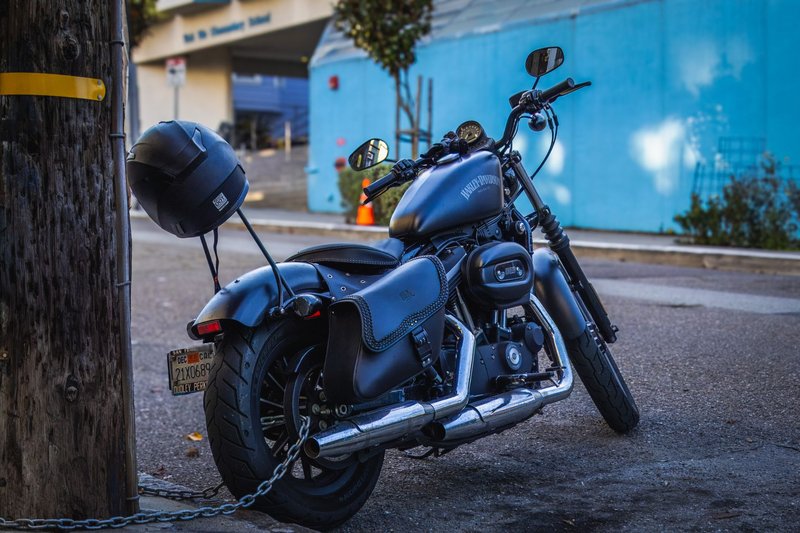
Shadow VT1100C. The big Shadow: an 1,099cc 45-degree V-twin with shaft drive. Torquey, relaxed, and low-maintenance. Suits riders who want an American-style cruiser without American-style upkeep.
Shadow VT600C (VLX). A 583cc V-twin, also shaft drive, and a favorite for first-time cruiser buyers. It’s light, forgiving and cheap to run. Suits newcomers, smaller riders and people who ride a few hundred miles a month.
VF750C Magna. A 748cc liquid-cooled V4 in a cruiser frame, with the sportbike engine’s top-end rush. It shows up in 1993 listings for some markets, while US dealers got it for 1994. Suits riders who want a cruiser that doesn’t feel like one.
Off-road and dual-sport
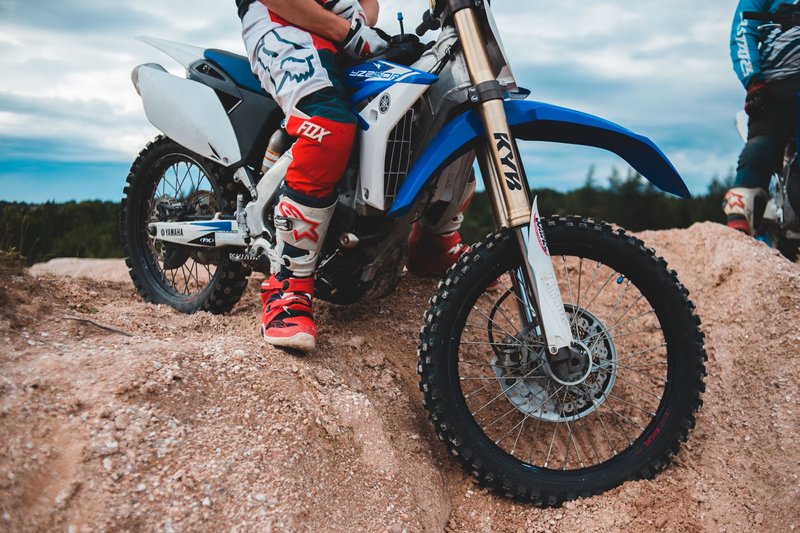
XR250R. A 249cc air-cooled four-stroke trail bike with a long production run. Easy to start, simple to work on. Suits trail riders who want a dependable bike and don’t need the lightest one around.
XR600R. A 591cc air-cooled single. It’s the heavy hitter of the off-road range: more torque than skill required. Suits experienced riders in open terrain and desert.
XR650L. A 644cc street-legal version aimed at dual-sport use, new for 1993. Suits riders who want to cover tarmac and trail in the same weekend.
Honda’s motocross range (the CR125R, CR250R and CR500R) also sat alongside these, but those were competition bikes and not road-legal.
1993 Honda motorcycle models compared
| Model | Class | Engine | Main markets | Best for |
|---|---|---|---|---|
| CBR900RR | Sport | 893cc inline-four | US, Europe | Collectors, fast riders |
| CBR600F2 | Sport | 599cc inline-four | US, Europe | Budget sport riding |
| CBR1000F | Sport-touring | 998cc inline-four | US, Europe | Fast touring |
| CBR400RR | Sport | 399cc inline-four | Japan | Import collectors |
| CBR250RR | Sport | 249cc inline-four | Japan | High-rev fans |
| CB1000 Super Four | Naked | 998cc inline-four | Japan | Big naked fans |
| CB750 Nighthawk | Standard | 747cc inline-four | US, Japan | New and returning riders |
| CB500 | Standard | 499cc parallel twin | Europe | Commuters |
| CB250 Nighthawk | Standard | 234cc twin | US | First bike |
| GL1500 Gold Wing | Touring | 1,520cc flat-six | Global | Two-up touring |
| ST1100 Pan European | Sport-touring | 1,084cc V4 | Europe, US | Fast long-distance |
| VFR750F | Sport-touring | 748cc V4 | US, Europe, Japan | All-round sport |
| Shadow VT1100C | Cruiser | 1,099cc V-twin | US | Easy cruising |
| Shadow VT600C | Cruiser | 583cc V-twin | US, Europe | Beginners |
| VF750C Magna | Cruiser | 748cc V4 | Japan, Europe | Performance cruising |
| XR250R | Off-road | 249cc single | US | Trail riding |
| XR600R | Off-road | 591cc single | US | Open-terrain riding |
| XR650L | Dual-sport | 644cc single | US | Road and trail |
Why the lists disagree: market differences
Look up the same year on three sites and you’ll get three different lineups. They’re not all wrong. They’re counting different markets.
- United States: Nighthawks, Shadows, XRs, the Hurricane name for the CBR1000F, and the Gold Wing in volume. No CBR400RR, no CB1000, no CB500.
- United Kingdom and Europe: the CBR900RR as the Fireblade, the CB500, and the ST1100 in large numbers. Many bikes were also sold in restricted-power form for licence classes.
- Japan: the 400s and 250s that look like miniature superbikes, thanks to licence rules. Power was capped near 59 PS for the larger “mid” classes.
Model names also move. The CB750 in Japan is the Nighthawk in the US. If a registration document says one thing and a forum says another, the VIN is the tiebreaker. For US-market bikes with a 17-character VIN, the NHTSA VIN decoder will confirm model year and manufacturer. For imports, the frame number prefix (for example NC29 for the CBR400RR) identifies the model.
Models that look missing
A few bikes get left off 1993 lists, and each has a reason.
- XRV750 Africa Twin: Honda’s 742cc V-twin adventure bike was a European model. It never came to the US, so US-focused lists skip it.
- NT650 Hawk GT: the 647cc V-twin Hawk GT had left US showrooms by 1993, so it only appears on lists that count other markets.
- Motocross bikes: the CR line sits in its own category, so general lineups often omit it.
If you’re checking a specific bike against this list and it doesn’t match, the first question is where it was sold new. The answer usually clears up the rest.

Sarah Thornton
More from Sarah ThorntonHow we reviewed this article
This article was researched against manufacturer records and editorially reviewed before publishing. We accept no payment for coverage. Some guides contain affiliate links; see our affiliate disclosure.