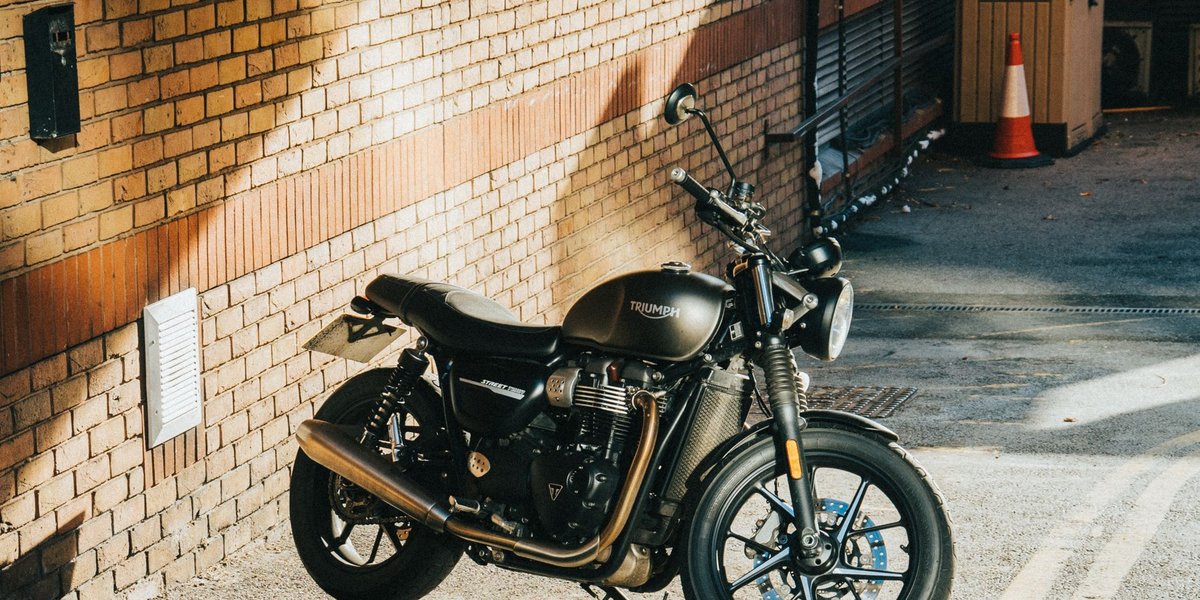
The 2010s were the decade Triumph stopped being the brand your dad almost bought and became the one everyone actually did. Hinckley spent ten years building modern classics that looked like 1969 and ran like 2015, then spent the back half of the decade tearing the engines apart and starting over. If you’re shopping the used market right now, that ten-year span is a minefield of great deals and a few traps — a 2010 air-cooled Bonneville and a 2017 water-cooled one share a name and almost nothing else.
This is the decade sorted out by family, with what each bike actually did, what to pay, and what breaks.
Table of Contents
- TLDR: the short version
- Modern classics: Bonneville and the Hinckley twins
- The 2016 water-cooled switch, explained
- Roadsters and streetfighters: Speed Triple and Street Triple
- Sport: Daytona 675
- Touring: Trophy 1215
- Cruisers: Thunderbird 1600 and 1700
- Quick comparison table
- What to actually buy
TLDR: the short version
If you want one bike that does everything and holds value, buy a Street Triple — the 675 if budget matters, the 765 if it doesn’t. If you want the retro look, the 2016+ water-cooled Bonneville T120 is the better motorcycle, but the 2010–2015 air-cooled 865 is the better deal and the more honest classic. The Speed Triple 1050 is the cult pick: brutal, characterful, and cheap now because everyone’s scared of the maintenance (they shouldn’t be). Skip the Trophy 1215 unless you genuinely tour two-up; it’s brilliant and nobody wants it, which is exactly why it’s a bargain.
Modern classics: Bonneville and the Hinckley twins
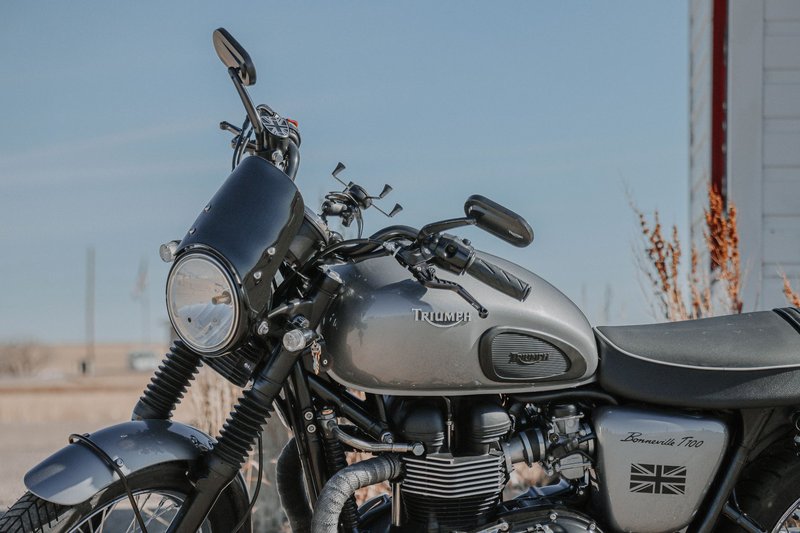
For the first six years of the decade, the heart of Triumph’s classic range was the 865cc air-cooled parallel twin. It powered the standard Bonneville, the spoked-wheel T100, the off-road-styled Scrambler, and the cafe-racer Thruxton. Same engine, four personalities.
This is a 360-degree-crank twin, which matters more than it sounds. It gives that even, slightly flat exhaust note rather than the lumpy V-twin imitation Triumph later chased. It makes around 67 hp, which is plenty for back roads and not enough for anyone to call it fast. The appeal was never speed. It was that the thing looked exactly like a 1959 Bonneville and didn’t leak oil onto your garage floor. To see the company the early air-cooled bikes kept, it’s worth glancing at the best motorcycles of 2010 — the standard against which a then-new Bonneville was judged.
The T100 is the sweet spot of the air-cooled era — wire wheels, two-tone tank, the chrome that makes the standard Bonnie look a little plain next to it. The Scrambler with its high-mount twin pipes is the one that aged best stylistically and now commands a premium. The Thruxton 900, the air-cooled cafe racer, looks the part but the riding position punishes you in traffic; buy it knowing that.
What to pay: Clean air-cooled Bonnevilles and T100s run roughly $5,000–$7,500 depending on year and miles. Scramblers ask more, often $6,500–$8,500, purely on looks.
What to watch: The throttle position sensor is the classic air-cooled fault — one well-documented owner needed a replacement around 35,000 miles. Check for it. Also look for sympathetic fueling work; the early EFI bikes ran lean from the factory to pass emissions, and many owners had them remapped. A remapped bike is a better bike, not a worse one.
The 2016 water-cooled switch, explained
This is the single most important thing to understand before you buy a used Triumph twin from this decade.
In 2016 Triumph threw out the air-cooled 865 and replaced the entire classic range with new liquid-cooled engines — a 900cc “Street” twin and a 1,200cc “High Torque” twin for the T120. The internet lost its mind. Purists called it the death of the air-cooled Bonneville. They had a point about the aesthetics; the new bikes hide a radiator behind the front wheel, and the cooling fins on the cylinder head are now mostly decorative.
But the new engine is a genuinely better motorcycle. The 1,200cc T120 makes around 79 hp and, more importantly, a wall of low-end torque the old 865 never had. The firing order changed from 360 degrees to a 270-degree crank, giving it that off-beat, almost-V-twin character. The new bikes got ride-by-wire throttle, switchable traction control, ABS as standard, and assist-and-slip clutches. The build quality stepped up too — more machined metal, fewer plastic covers pretending to be metal.
Here’s the honest used-buyer verdict, drawn from how owners actually talk about these bikes on the Triumph owner forums: the water-cooled bikes are more reliable, faster, and easier to live with. Some owners who switched report zero issues over 10,000 miles where the air-cooled bike needed sensor work. The air-cooled bikes are cheaper, simpler, prettier in a purist sense, and have a passionate aftermarket. Neither is wrong. Decide whether you’re buying a motorcycle or a museum piece, then choose accordingly.
Best year to buy a Bonneville: If you want air-cooled, target a 2013–2015 — the EFI was sorted and prices are now soft. If you want the modern bike, a 2017–2019 T120 is the pick, once the first-year teething was behind it.
Roadsters and streetfighters: Speed Triple and Street Triple
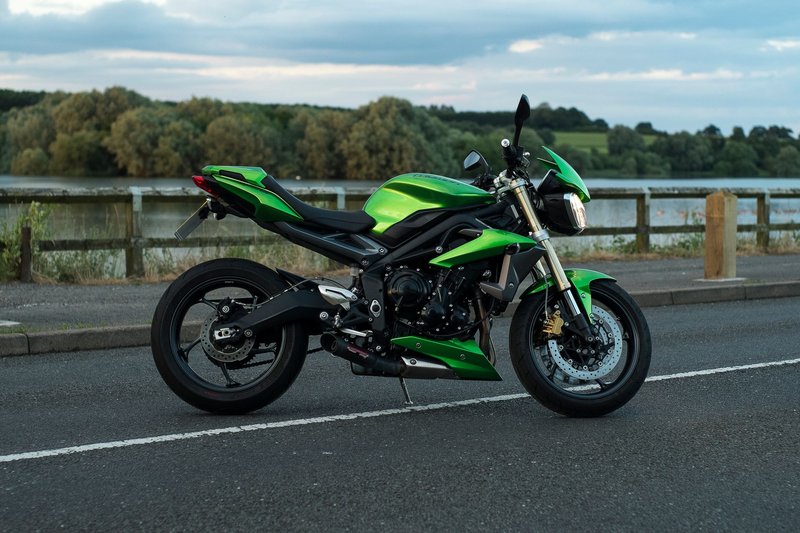
If the Bonneville is Triumph’s heritage, the triples are its soul. The naked three-cylinder is the bike that, by Triumph’s own telling, popularized the streetfighter genre and helped pull Hinckley back from the brink in the ’90s.
The Speed Triple 1050 is the big one. Across the decade it made roughly 130–140 hp from a 1,050cc inline triple, and it makes it in the rudest way possible — that distinctive triple yowl, the bug-eye twin headlights, the single-sided swingarm. The 2011 redesign sharpened the chassis; the 2016 Speed Triple S and R added ride-by-wire, riding modes, and traction control. It is not a sensible motorcycle. It is the one you buy because the SuperDuke felt too clinical.
The Street Triple is the smarter purchase, and probably the best all-around Triumph of the decade. It took the Daytona’s 675cc triple, put bars on it, and made something light enough to flick through traffic and fast enough to terrify yourself on a back road. The 2013 redesign was the high point of the 675 era. Then in 2017 Triumph bumped displacement to 765cc and the bike got serious — around 121 hp in the RS, a quickshifter, five riding modes, a TFT dash. By the time it landed it had earned its place among the best motorcycles of 2019, and that same 765 triple was good enough that Moto2 adopted it as its spec racing engine.
What to pay: Street Triple 675s are a steal at roughly $5,000–$7,000. The 765 holds value hard — expect $8,000–$10,000 for a clean RS. Speed Triple 1050s are oddly cheap for the performance, often $6,000–$9,000.
What to watch: Triples are mechanically tough, but they get ridden hard. Check for crash damage on a streetfighter — bar-end scuffs, replaced levers, a fresh tail tidy. The 675 engines want their valve clearances checked on schedule; a service history that shows it is worth real money.
Sport: Daytona 675
The Daytona 675 is the bike that proved a triple could embarrass the Japanese inline-fours on a track. It split the difference between a screaming 600 supersport and a torquey liter bike — usable midrange, a 14,000 rpm ceiling, and a chassis that flattered everyone who threw a leg over it.
The 2013 Daytona 675R, with Öhlins and Brembos, is the connoisseur’s pick of the decade. Triumph quietly killed the Daytona at the end of the 2010s as the supersport class collapsed, which means values for clean, unmolested examples have started creeping back up. A track-day-thrashed one is a liability; a one-owner garage queen is becoming a minor classic.
What to pay: $6,000–$9,000, with the R commanding the top end and well-kept examples now firming up.
Touring: Trophy 1215
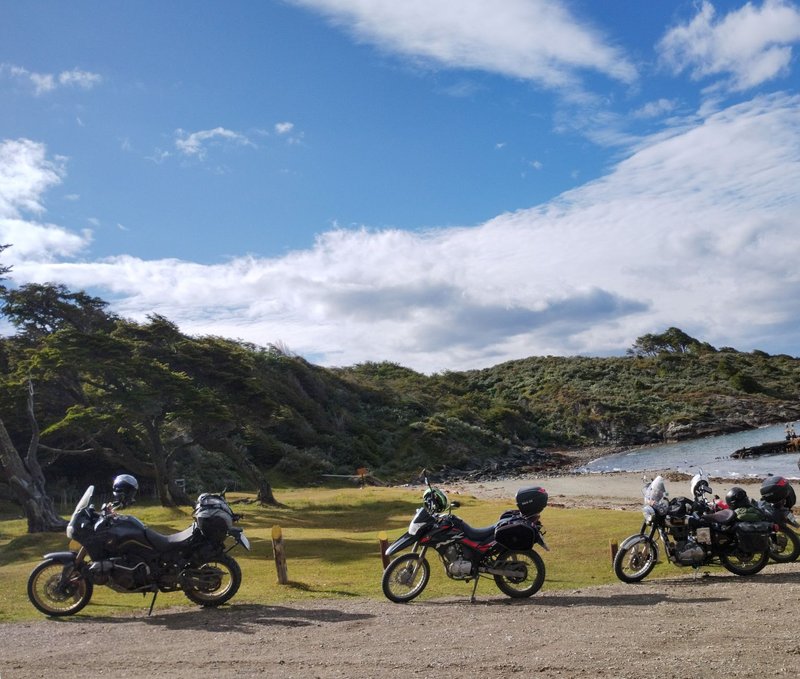
The Trophy 1215 is Triumph’s forgotten flagship and, pound for pound, the biggest used bargain in this whole list. Launched in 2012, it was a full-dress sport-tourer built to chase the BMW R1200RT — a 1,215cc triple making around 132 hp, electronic suspension, heated everything, a proper fairing, and panniers that actually hold a full-face helmet.
It’s a brilliant long-distance machine that almost nobody bought, because touring buyers default to BMW and Triumph buyers default to the triples and twins. That neglect is your opportunity. A loaded Trophy SE that cost north of $18,000 new now changes hands for a fraction of that.
What to pay: $7,000–$11,000 for a clean, fully-loaded SE — extraordinary value for the equipment.
What to watch: The electronic suspension is wonderful when it works and expensive when it doesn’t, so confirm it cycles through its modes. Otherwise these are stout, under-stressed engines that thrive on miles.
Cruisers: Thunderbird 1600 and 1700
Triumph’s swing at the cruiser market was the Thunderbird — but instead of cloning a Harley V-twin, they did the contrarian thing and used a parallel twin, first 1,600cc, then a 1,700cc Storm and Commander. The result feels different from anything else in the segment: smoother, more revvy, less tractor-like, with real top-end where a V-twin runs out of breath.
It never sold the way Triumph hoped, partly because cruiser buyers wanted the V-twin sound and look. As a used buy that makes it a left-field pick with genuine character — and, again, soft prices because demand was always thin.
What to pay: $6,000–$9,500 depending on which engine and trim, with the 1700 Commander at the top.
Quick comparison table
| Model | Engine | Approx. power | Best for | Used price |
|---|---|---|---|---|
| Bonneville T100 (air-cooled) | 865cc twin | ~67 hp | Honest retro, budget | $5,000–$7,500 |
| Bonneville T120 (water-cooled) | 1,200cc twin | ~79 hp | Best modern classic | $8,000–$11,000 |
| Street Triple 675 | 675cc triple | ~105 hp | Best all-rounder, value | $5,000–$7,000 |
| Street Triple 765 RS | 765cc triple | ~121 hp | Sharpest naked | $8,000–$10,000 |
| Speed Triple 1050 | 1,050cc triple | ~135 hp | Big-power character | $6,000–$9,000 |
| Daytona 675R | 675cc triple | ~125 hp | Track / future classic | $6,000–$9,000 |
| Trophy 1215 SE | 1,215cc triple | ~132 hp | Long-distance touring | $7,000–$11,000 |
| Thunderbird 1700 | 1,700cc twin | ~93 hp | Contrarian cruiser | $6,000–$9,500 |
What to actually buy
Strip away the nostalgia and three bikes define the decade. The Street Triple is the one most people should own — it’s fast, light, reliable, cheap to insure, and the 675 is one of the best-value used bikes Triumph ever made. The water-cooled T120 is the Bonneville to buy if you want the look without the compromises, while the air-cooled 865 is the one to buy if you want the deal and don’t mind a sensor swap down the line. And the Speed Triple 1050 is the enthusiast’s wildcard — buy it if the idea of a 135-hp naked triple with bug-eye headlights makes you grin instead of nervous.
The smart-money play hiding in plain sight is the Trophy 1215: more sport-tourer than most people will ever need, going for half what the badge deserves, simply because it wore a Triumph logo in a segment Triumph buyers ignored. Whichever way you go, look for service history, a sorted fuel map on the older bikes, and an honest seller. Get those three things and any Triumph from this decade is a lot of motorcycle for the money.

Sarah Thornton
More from Sarah ThorntonHow we reviewed this article
This article was researched against manufacturer records and editorially reviewed before publishing. We accept no payment for coverage. Some guides contain affiliate links; see our affiliate disclosure.