TLDR
BMW sold 20-plus distinct models in the U.S. for 2003, from a 184 hp 325i to a 438 hp V12 760Li. If you want one answer:
- Best all-rounder: the 330i sedan with the 6-speed manual. 225 hp, rear-wheel drive, parts everywhere.
- Best bargain with a V8: the 540i 6-speed. It’s the last year of the E39 generation, and it shows.
- Best driver’s car: the E46 M3. 333 hp, an 8,000 rpm redline, and a market that has already noticed.
- Cheapest way to look rich: a 745i, if you accept the electronics bill.
- Avoid unless you know what you’re buying: any car with no service history and a cooling system older than 80,000 miles.
Table of contents
- The full 2003 BMW lineup at a glance
- How BMW named its cars in 2003
- 3 Series (E46)
- 5 Series (E39)
- 7 Series (E65/E66)
- X5
- Z4, Z8 and the Alpina V8 Roadster
- What was new for 2003
- Which 2003 BMW to buy today
- FAQ
The full 2003 BMW lineup at a glance
Most pages cover one model family. This one covers the whole 2003 BMW lineup in one table, so you can see where each car sits before reading the details.
| Model | Body style | Engine | Horsepower | Drivetrain |
|---|---|---|---|---|
| 325i | Sedan, Sport Wagon | 2.5L inline-6 | 184 hp | RWD |
| 325xi | Sedan, Sport Wagon | 2.5L inline-6 | 184 hp | AWD |
| 325Ci | Coupe, convertible | 2.5L inline-6 | 184 hp | RWD |
| 330i | Sedan | 3.0L inline-6 | 225 hp | RWD |
| 330xi | Sedan | 3.0L inline-6 | 225 hp | AWD |
| 330Ci | Coupe, convertible | 3.0L inline-6 | 225 hp | RWD |
| M3 | Coupe, convertible | 3.2L inline-6 | 333 hp | RWD |
| 525i | Sedan | 2.5L inline-6 | 184 hp | RWD |
| 530i | Sedan | 3.0L inline-6 | 225 hp | RWD |
| 540i | Sedan | 4.4L V8 | 282 hp | RWD |
| M5 | Sedan | 4.9L V8 | 394 hp | RWD |
| 745i | Sedan | 4.4L V8 | 325 hp | RWD |
| 745Li | Long-wheelbase sedan | 4.4L V8 | 325 hp | RWD |
| 760Li | Long-wheelbase sedan | 6.0L V12 | 438 hp | RWD |
| X5 3.0i | SUV | 3.0L inline-6 | 225 hp | AWD |
| X5 4.4i | SUV | 4.4L V8 | 282 hp | AWD |
| X5 4.6is | SUV | 4.6L V8 | 340 hp | AWD |
| Z4 2.5i | Roadster | 2.5L inline-6 | 184 hp | RWD |
| Z4 3.0i | Roadster | 3.0L inline-6 | 225 hp | RWD |
| Z8 | Roadster | 4.9L V8 | 394 hp | RWD |
| Alpina V8 Roadster | Roadster | 4.8L V8 | 375 hp | RWD |
Notice the pattern: BMW stacked its power levels in clean steps. The 184 hp and 225 hp six-cylinders ran through the 3, 5 and Z4 ranges, so a 525i and a 325i feel closer in power than their price gap suggests.
How BMW named its cars in 2003
The names look like noise until you learn the code. It’s simple.
- First digit: the series. 3, 5 or 7.
- Last two digits: roughly the engine size. A 325 has a 2.5L engine, a 330 a 3.0L. BMW rounded loosely, which is why a 540i has a 4.4L V8 and a 745i has the same engine under a different name.
- i: fuel injection. Every BMW had it by 2003, and the letter stayed anyway.
- x: all-wheel drive. A 325xi is a 325i that sends power to the front wheels as well.
- C: coupe or convertible. The 330Ci is the two-door version of the 330i.
- L: long wheelbase. The 745Li is about 5.5 inches longer than the 745i, and all of it goes to the rear seat.
- Sport Wagon: the 3 Series wagon, sold in the U.S. as a 325i or 325xi.
Z cars and the M cars skip the system. Z4 uses the engine in its trim (2.5i, 3.0i). M3 and M5 just say M.
3 Series (E46)
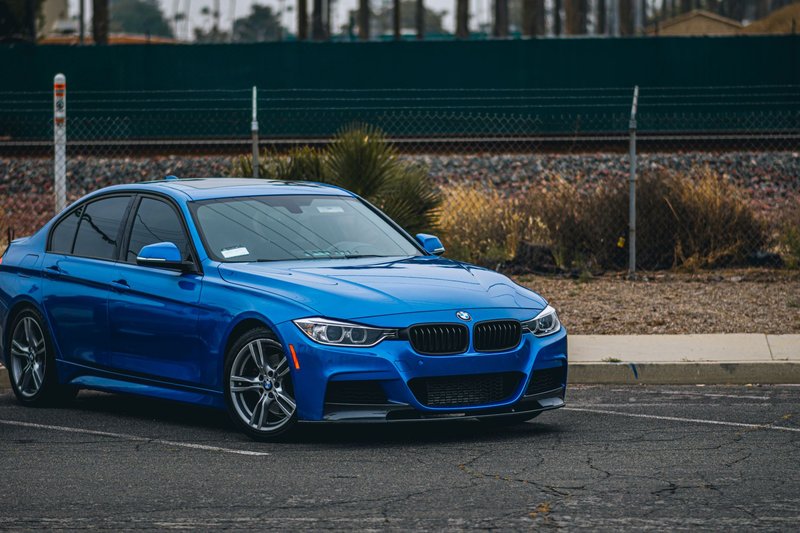
The E46 3 Series was the volume seller and the car most people mean when they search for a 2003 BMW. It came as a sedan, coupe, convertible and wagon, with a rear-drive layout and a 50/50 weight split that every rival was measured against.
325i, 325xi and 325Ci. The 2.5L inline-six makes 184 hp and 175 lb-ft. It’s smooth and quiet, and it’s slower than the badge suggests: 0 to 60 mph takes roughly seven seconds. The 325xi adds all-wheel drive, which is the right choice if you live somewhere with snow. The 325i Sport Wagon is the enthusiast’s family hauler, and a manual wagon is a rare find.
330i, 330xi and 330Ci. The 3.0L inline-six makes 225 hp and 214 lb-ft. This is the sweet spot of the range. It pulls hard to redline, it’s available with a 6-speed manual, and the coupe and convertible versions (330Ci) are some of the best-looking cars BMW built in that decade.
M3. The S54 3.2L inline-six makes 333 hp and 262 lb-ft and revs to about 8,000 rpm. The 2003 M3 came as a coupe or convertible with a 6-speed manual or the SMG II automated manual. Pick the manual. The SMG gearbox is quick on paper and expensive to fix. For how the M3 compared with the rest of the decade’s sports cars, see the best 2000s sports cars and what they cost today.
Options that matter. The Sport Package adds firmer suspension, bigger wheels and sport seats. DVD-based navigation and xenon headlights were available on most trims. A car with the Sport Package and a manual gearbox is the one to look for.
5 Series (E39)
2003 was the last model year of the E39 5 Series before the radically restyled E60 arrived. That makes it the most developed version of a car many people still call the best sedan BMW ever built.
525i and 530i. Same engines as the 3 Series, 184 hp and 225 hp, in a larger, calmer body. The 530i with a manual is the quiet bargain here.
540i. The 4.4L V8 makes 282 hp and 324 lb-ft, and it came with a 6-speed manual or a 5-speed automatic. A 540i with a stick and the Sport Package is a rare, good car. It’s also thirstier than a 530i, and the V8 brings more to maintain.
M5. The 4.9L V8 makes 394 hp and 369 lb-ft, through a 6-speed manual only. There’s no automatic option, and the car looks nearly identical to a 540i, which is part of its appeal. This is the sleeper. If you find one that’s been serviced on schedule, you’ve found one of the best used performance sedans of its era.
7 Series (E65/E66)
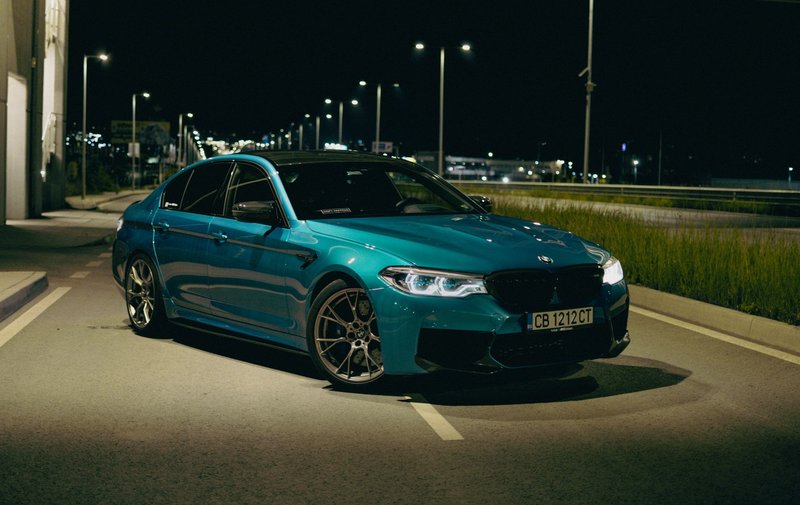
The seventh-generation 7 Series was new for 2002 and was the most controversial BMW of its time. The styling, the rear end in particular, divided people. The dashboard introduced iDrive, the single-knob controller for climate, audio and navigation, and drivers either learned to live with it or never forgave it.
745i. A 4.4L V8 making 325 hp and 330 lb-ft, paired with a 6-speed automatic. It’s quick for a 4,400-pound sedan and comfortable on a long road.
745Li. The same car with a wheelbase about 5.5 inches longer. If you’re in the back seat, you want the Li.
760Li. New for 2003, the 760Li has a 6.0L V12 with 438 hp and 444 lb-ft. It’s smooth, silent and fast, and the costs reflect the engine: more fuel, more cooling, and repair bills that start where the 745i’s end.
X5
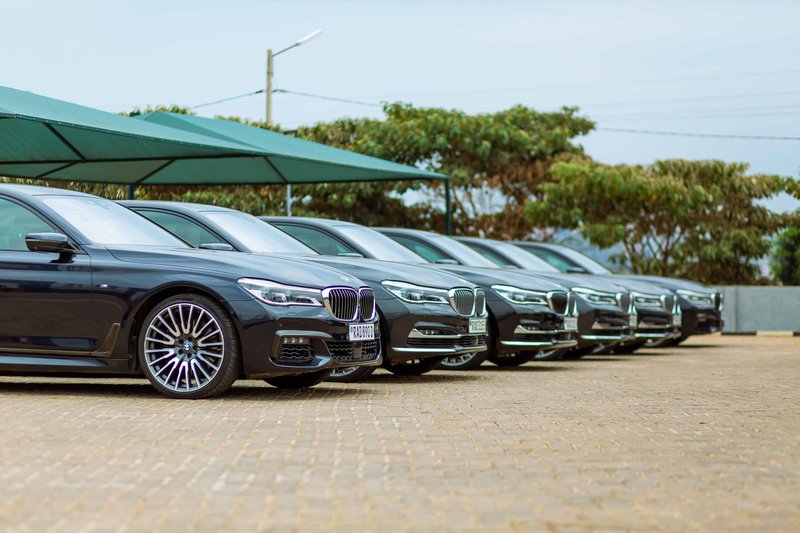
BMW called the X5 a Sports Activity Vehicle, and it was one of the first SUVs that handled like a car. For 2003 you could choose from three engines:
- 3.0i: 225 hp inline-six, with a 5-speed manual or automatic. Slowish, but the cheapest to run.
- 4.4i: 282 hp V8, automatic. The most common one on the used market.
- 4.6is: 340 hp V8, 20-inch wheels, automatic. The fast one.
All three use permanent all-wheel drive. The reliability story is consistent with BMW from this period: good bones, with cooling system parts, oil leaks and transfer case issues to inspect on a car this old. Those are things a pre-purchase inspection finds.
Z4, Z8 and the Alpina V8 Roadster
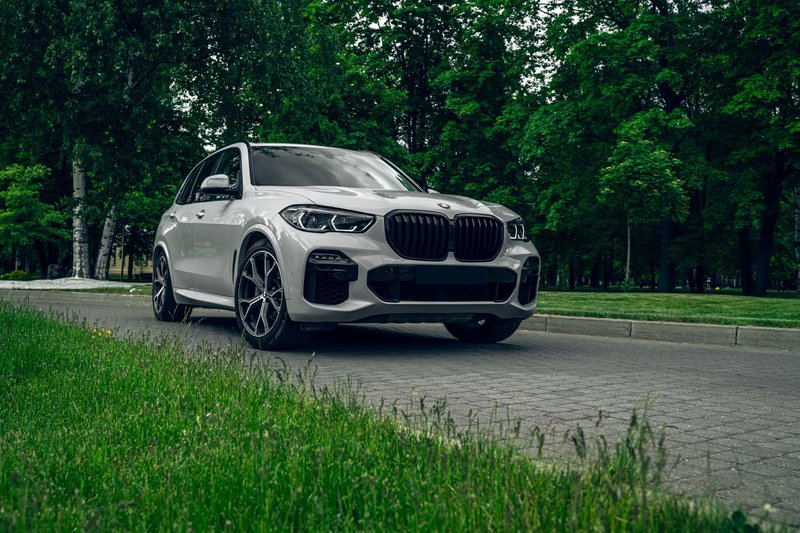
Z4. The Z4 replaced the Z3 and arrived in U.S. showrooms for 2003. It was built in Spartanburg, South Carolina. The 2.5i makes 184 hp and the 3.0i makes 225 hp, both with a 6-speed manual or an optional 5-speed automatic. The 3.0i with a stick is the one. It’s a proper small roadster, and it’s usually cheaper than an equivalent M3.
Z8. BMW built roughly 5,700 Z8s from 2000 to 2003, and 2003 was the final year. It has an aluminum body, a 4.9L V8 with 394 hp (the same engine family as the M5) and a 6-speed manual. It appeared in a Bond film and is now a serious collector car. You aren’t cross-shopping it with anything else on this list.
Alpina V8 Roadster. Alpina is a separate German company that tunes BMWs. Its V8 Roadster is a Z8 with a 4.8L V8 making 375 hp, a 5-speed automatic with buttons on the steering wheel, and a more relaxed character. Only 555 were built. If you see one for sale, it’s a collector transaction, not a car purchase.
What was new for 2003
- Z4 debut: the Z3’s replacement went on sale in the U.S.
- 760Li: the V12 flagship joined the 7 Series.
- 7 Series updates: the 745i and 745Li continued after their 2002 launch, with iDrive refinements.
- E46 refinements: the 3 Series carried on after its facelift with equipment and option updates.
- Last E39: the 5 Series ended its run, including the final 540i and M5.
- Last Z8: production ended, with the Alpina version sold alongside it.
Which 2003 BMW to buy today
These cars are over twenty years old. The question isn’t which one was best in 2003, it’s which one has survived best and costs the least to keep alive.
What breaks. Three problems come up again and again.
- Cooling system. The plastic expansion tank, water pump, thermostat and radiator are wear items on the six-cylinder cars. Budget to replace the lot at once if there’s no record of it being done. A failed cooling system can cost you an engine.
- VANOS. BMW’s variable valve timing uses seals that harden with age. The symptoms are a rattle at idle and weak low-end power. It’s a known repair, and a good independent shop can do it.
- Window regulators. The window motors and cable mechanisms in the E46 and E39 fail often. It’s a nuisance repair and rarely expensive.
Other model-specific items: oil filter housing and valve cover gasket leaks on most engines, rear subframe mount cracking on E46 sedans, rod bearing wear on the M3, and electronics, iDrive and suspension on the 7 Series. Several 2000s BMWs, including some 3 Series cars, were also affected by Takata airbag inflator recalls. Run any VIN through the NHTSA recall lookup before you hand over money.
Typical used prices. These are rough U.S. ranges. Condition, mileage and records move them a lot.
| Model | Typical used price |
|---|---|
| 325i / 325xi / 525i | $3,000 to $7,000 |
| 330i / 330Ci / 530i | $4,000 to $9,000 |
| 540i (manual) | $6,000 to $14,000 |
| 745i / 745Li | $3,500 to $8,000 |
| 760Li | $6,000 to $12,000 |
| X5 (3.0i / 4.4i) | $3,000 to $7,000 |
| Z4 | $8,000 to $15,000 |
| M3 | $20,000 to $35,000 |
| M5 | $30,000 to $55,000 |
| Z8 / Alpina V8 Roadster | Well into six figures |
Maintenance costs. A six-cylinder 3 or 5 Series at an independent BMW shop typically runs $1,500 to $3,000 a year if you do the preventive jobs. The V8s, the X5 and the 7 Series cost more. The 760Li and the M cars cost more again. Fuel economy is no bargain either, so check the official figures for your specific car on FuelEconomy.gov, which is run by the U.S. Department of Energy and the EPA.
The picks.
- For most people: a 330i with the 6-speed manual. Parts are plentiful and everyone’s mechanic knows it.
- For snow: a 325xi or 330xi, or the X5 3.0i if you need the space.
- For a V8: a 540i 6-speed, preferably with service records.
- For fun on a budget: the Z4 3.0i.
- For the enthusiast with money: an M3 or M5, bought with a pre-purchase inspection from a BMW specialist.
- For the brave: a 745i at a low price, ideally one whose previous owner has already paid for the repairs.
If you’re comparing the 2003 BMW models for safety, check crash results at the Insurance Institute for Highway Safety, but know that cars this old predate most modern testing standards.
FAQ
How much horsepower does the 2003 BMW M3 have? 333 hp and 262 lb-ft from a 3.2L inline-six, with a 6-speed manual or SMG II automated manual.
What is the difference between the 325i and 330i? The 325i has a 2.5L engine with 184 hp. The 330i has a 3.0L engine with 225 hp. The 330i is also available with a 6-speed manual.
What are the 2003 BMW 5 Series trims? The 525i (184 hp), 530i (225 hp), 540i (282 hp V8) and the M5 (394 hp V8).
Is the 2003 BMW X5 reliable? It’s average for a BMW of its age. Expect cooling and oil-leak maintenance and have a specialist inspect the car before you buy it.
What does the “i” in 325i mean? Fuel injection. By 2003 every BMW had it, but the badge kept the letter.
What does “xi” mean? All-wheel drive.
Which 2003 BMW is the best to buy? The 330i with a manual for most buyers, the 540i 6-speed for V8 fans, and the M3 for people who want the full experience.

Daniela Voss
More from Daniela VossHow we reviewed this article
This article was researched against manufacturer records and editorially reviewed before publishing. We accept no payment for coverage. Some guides contain affiliate links; see our affiliate disclosure.