There were no 1943 model-year cars. Detroit built its last civilian passenger cars in early February 1942, and for the rest of the war its factories made tanks, aircraft engines, trucks and Jeeps. So “popular cars in 1943” has two honest answers: the prewar cars that millions of people kept patching together, and the military vehicles that rolled out of those same plants by the hundred thousand.
This list covers both. Six prewar holdovers you’d see on a 1943 street, then four wartime vehicles you’d see on a 1943 road to somewhere else.
Table of Contents
- TLDR
- Why there were no 1943 cars
- Quick facts: 1943’s most common vehicles
- Prewar cars still on the road
- Wartime vehicles built in 1943
- What driving a car in 1943 was like
TLDR
- No civilian cars were built in 1943. Production stopped in February 1942.
- The cars people drove were 1940 to 1942 models: Ford, Chevrolet, Plymouth, Dodge, Buick and Studebaker.
- The vehicles actually being manufactured were military: the Willys MB and Ford GPW Jeeps, the Dodge WC series, and olive-drab staff sedans.
- Gas, tires and speed were all limited, so a 1943 car mattered more for how long it would last than how fast it would go.
Why there were no 1943 cars
In January 1942 the War Production Board ordered an end to passenger car and light truck manufacturing. The National Park Service notes that the government stopped the manufacture and sale of civilian vehicles in February 1942 and stockpiled what was left to be rationed. Ford’s civilian lines shut down on February 10.
That stockpile was the only source of new cars. Buyers needed a rationing board’s approval, and approval went to doctors, police and firefighters, farmers and a limited number of war workers. Everyone else drove what they already owned. That’s why this list leans on 1941 and 1942 models: a car built in 1941 was two years old in 1943 and expected to last until the war ended, whenever that turned out to be. The restrictions stayed in place through 1944 too; what people actually drove that year tells the same story.
Quick facts
| Vehicle | Engine | Approx. prewar or contract price | Notable trait |
|---|---|---|---|
| 1941 Ford | 221 cu in flathead V8, 90 hp | $700 to $900 | Only V8 in the low-price field |
| 1941 Chevrolet Special DeLuxe | 216 cu in six, 90 hp | $750 to $850 | Sales leader, easy to repair |
| 1940 to 1942 Plymouth | 201 cu in six, 87 hp (1941) | $800 | Durable, low running costs |
| 1942 Dodge Custom | 230 cu in six, 105 hp | About $1,000 | Fluid Drive semi-automatic |
| 1941 to 1942 Buick Special | 248 cu in straight-eight, about 115 hp | About $1,000 | Smooth eight-cylinder power |
| Studebaker Champion | 164 cu in six, 80 hp | $700 to $800 | Light and frugal |
| Willys MB Jeep | 134 cu in four, 60 hp | About $700 (Army contract) | Four-wheel drive, 1/4 ton |
| Ford GPW Jeep | 134 cu in four, 60 hp | About $700 (Army contract) | Same design, Ford-built |
| Dodge WC series | 230 cu in six, about 92 hp | Army contract | 3/4-ton 4×4 workhorse |
| Staff sedans | Stock civilian engines | Army contract | Painted prewar sedans |
Prices and horsepower vary by trim and model year, so treat the table as a range.
Prewar cars still on the road
1. 1941 Ford
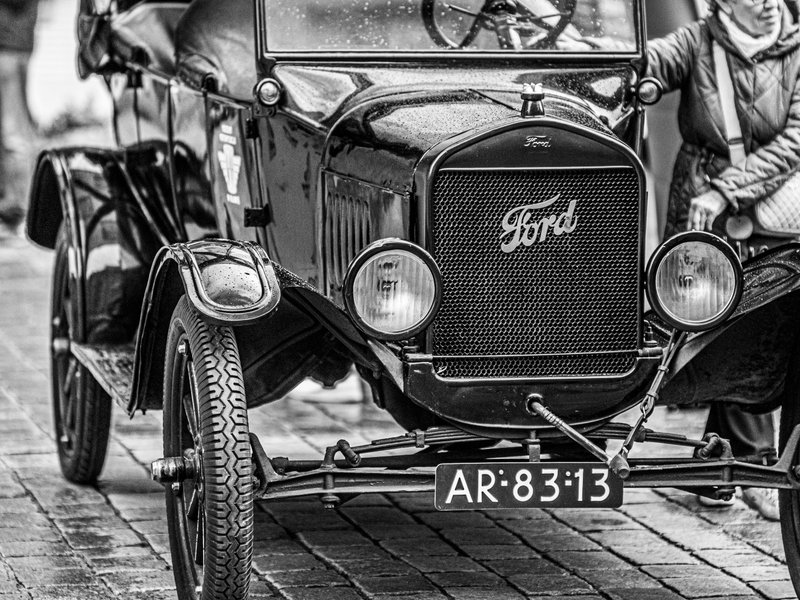
Ford sold roughly 690,000 cars in the 1941 model year, and in 1943 most of them were still running. The flathead V8 put out 90 hp, and every teenager and backyard mechanic in America knew how to work on one. The 1941 body added a bigger, more modern shape than the 1940 car, and the Super DeLuxe trim brought a dash that looked a class above its price.
The V8 was also the reason a Ford was the car to own if you were stuck with a few gallons a week. It wasn’t thrifty, but it started in the cold, and parts were everywhere.
2. 1941 Chevrolet Special DeLuxe
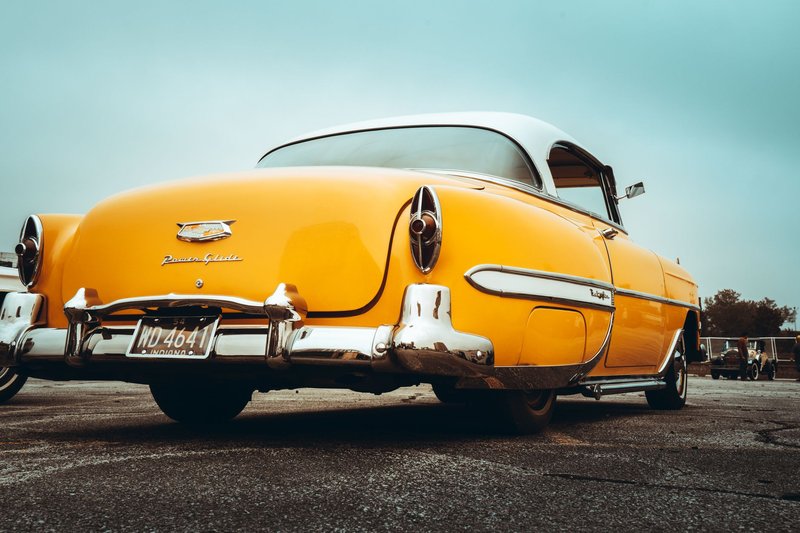
Chevrolet topped the sales charts in 1941 with about a million cars, and the Special DeLuxe was the one most families bought. Under the hood sat the “Stovebolt” inline six, 216 cubic inches and 90 hp, an engine known less for power than for refusing to die. It’s the reason so many Chevys were still on the road a decade later.
For a 1943 owner the pitch was simple: the six sipped fuel, it had parts support, and any garage in the country could fix it.
3. 1940 to 1942 Plymouth
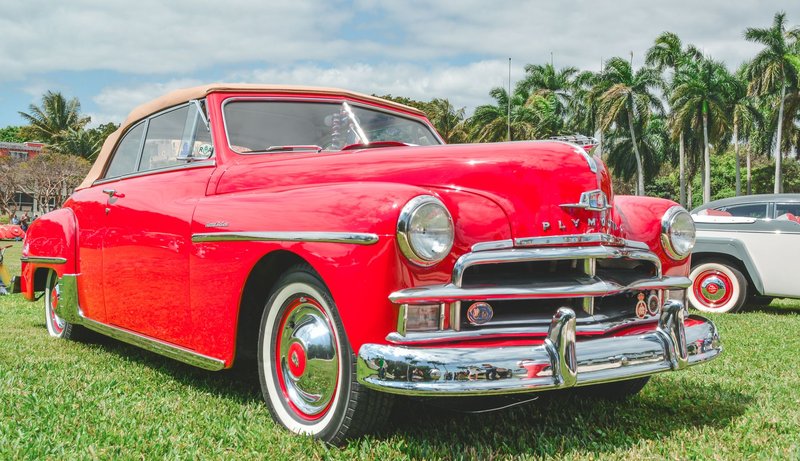
Plymouth was the third member of the low-price trio, and the 1941 model’s 201-cubic-inch flathead six made about 87 hp. That’s not a lot, but it moved a family sedan along at the 35 mph wartime limit with plenty to spare. Chrysler’s engineers also built the Plymouth with a stout rear axle and hydraulic brakes, which is why Plymouth taxis and delivery cars kept going well into the 1950s.
Look at any wartime street photo and you’ll find a Plymouth in it somewhere. Chrysler just never made a fuss about it.
4. 1942 Dodge Custom
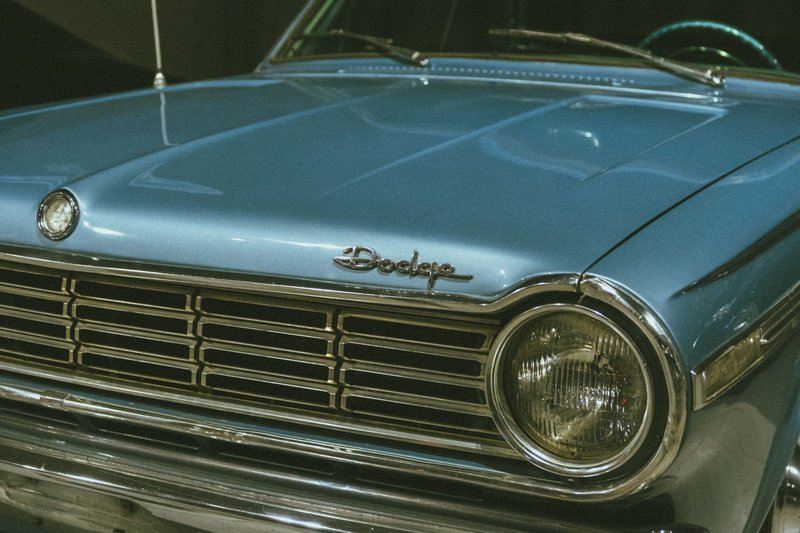
The 1942 Dodge Custom was the most advanced car in this group. Its 230-cubic-inch six made 105 hp, and the optional Fluid Drive coupling let you stay in gear at a stop without touching the clutch pedal. It was a semi-automatic, not a true automatic, but it counted as a luxury in 1943.
Because 1942 cars were built only for a few weeks of the model year, a Dodge Custom was one of the last new cars delivered before production stopped. Owners held onto them.
5. 1941 to 1942 Buick Special
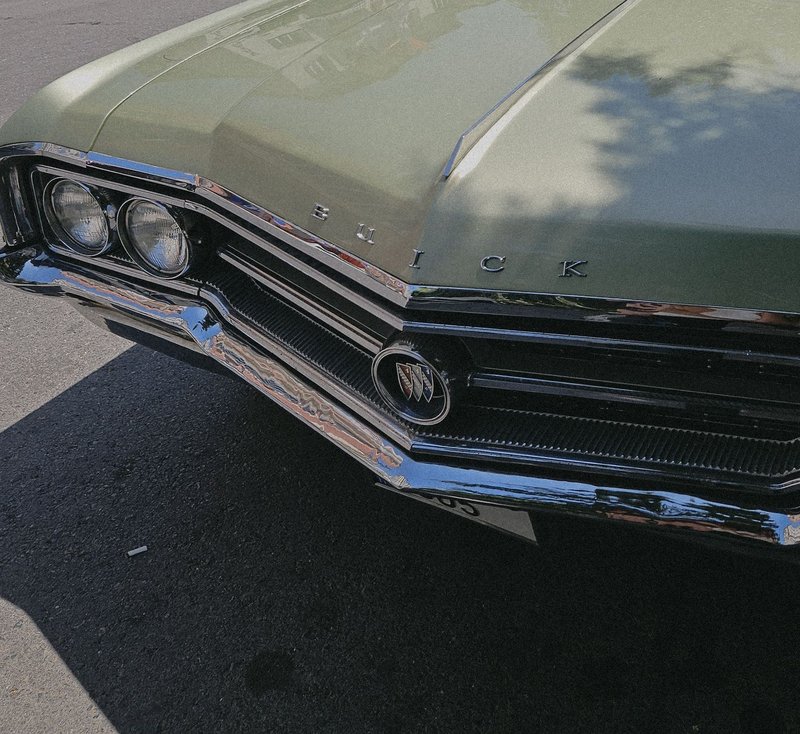
If you wanted something above the low-price field, the Buick Special was the step up. The 248-cubic-inch straight-eight made about 115 hp and ran smoothly enough that Buick advertised it as a “Fireball” engine. The 1942 Special dropped the running boards on some models and added the long, flowing fenders that defined the late-prewar look.
A Buick cost more to run than a Chevrolet, which made it a harder car to justify on three or four gallons of gas a week. Doctors and business owners with higher-priority gas stickers drove them anyway.
6. Studebaker Champion
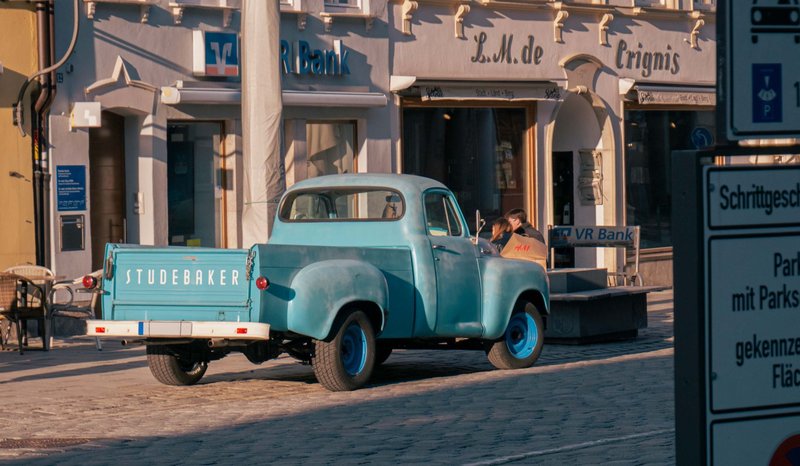
Studebaker’s Champion was the small, light car of the group. Its 164-cubic-inch six made 80 hp, but it weighed far less than a Ford or Chevy, which let it deliver some of the best fuel economy of any American car of the era. Owners reported figures in the mid-20s mpg, remarkable for 1941.
In gas-rationed 1943, a Champion gave you more miles per coupon than almost anything else. The company that built it, meanwhile, was making military trucks and the Weasel tracked carrier.
Wartime vehicles built in 1943
7. Willys MB Jeep
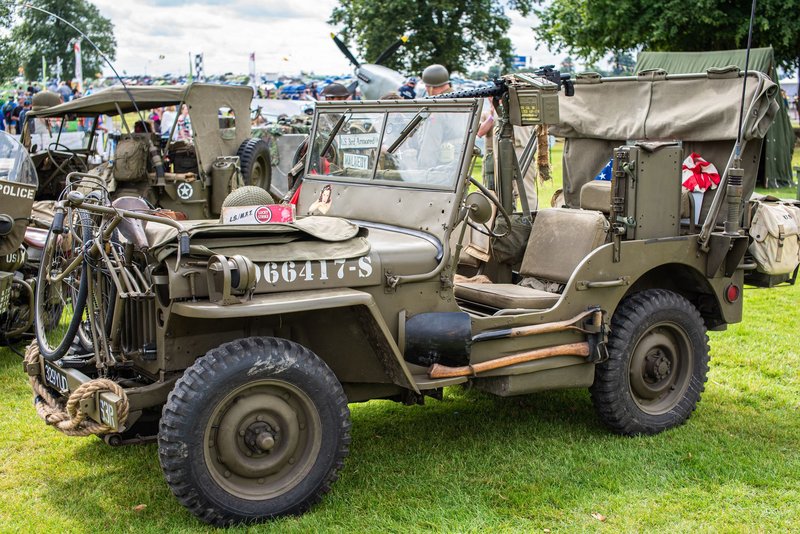
This is the vehicle people mean when they say “the car of World War II.” Willys-Overland built roughly 360,000 Willys MBs. The 134-cubic-inch “Go Devil” four-cylinder made 60 hp, which sounds modest until you remember the MB weighed about a ton and had four-wheel drive. The Army paid roughly $700 each.
The MB did the work of a scout car, a field ambulance, a wire layer and a mule. It also shaped the postwar world: the civilian CJ Jeep came directly out of it.
8. Ford GPW Jeep
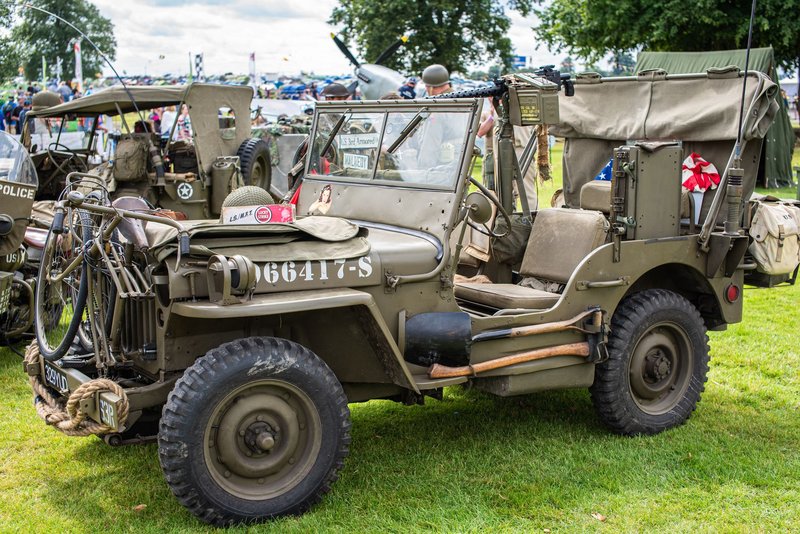
The Army couldn’t get enough MBs from one factory, so Ford built the same design under license. Ford’s version, the GPW, reached about 278,000 units, and the vehicles were nearly identical. The easiest way to tell them apart is by the small “F” Ford stamped into its bolts and parts.
Together the two builders produced more than 640,000 Jeeps, which makes the Jeep the closest thing to a mass-market 4×4 the 1940s ever produced.
9. Dodge WC Series
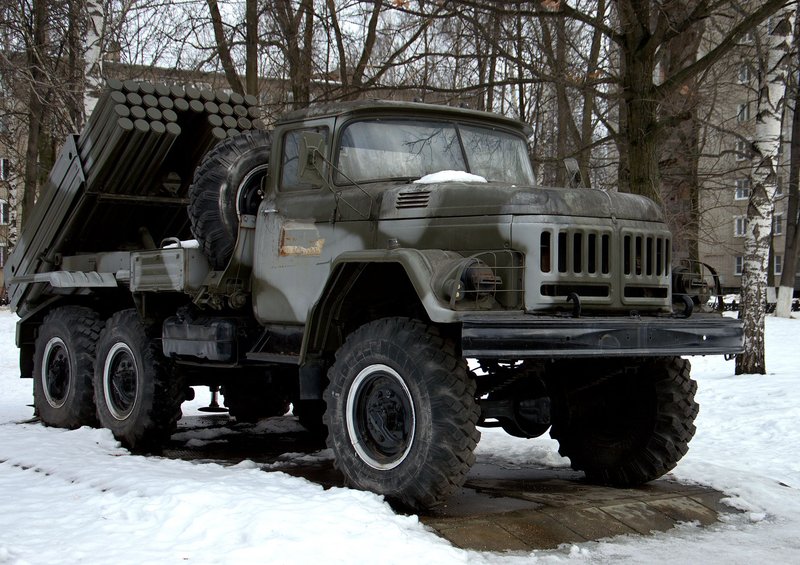
The Dodge WC series was the Army’s go-to light truck. More than 250,000 left the factory in a family of variants: weapons carriers, ambulances, command cars and radio trucks. The 3/4-ton 4×4 chassis used a 230-cubic-inch flathead six making around 92 hp, an engine closely related to the one in a prewar Dodge sedan.
It’s a useful reminder that wartime military hardware borrowed from civilian parts bins. The Dodge on a 1943 battlefield and the Dodge on a 1941 street shared more than you’d think.
10. Military staff sedans
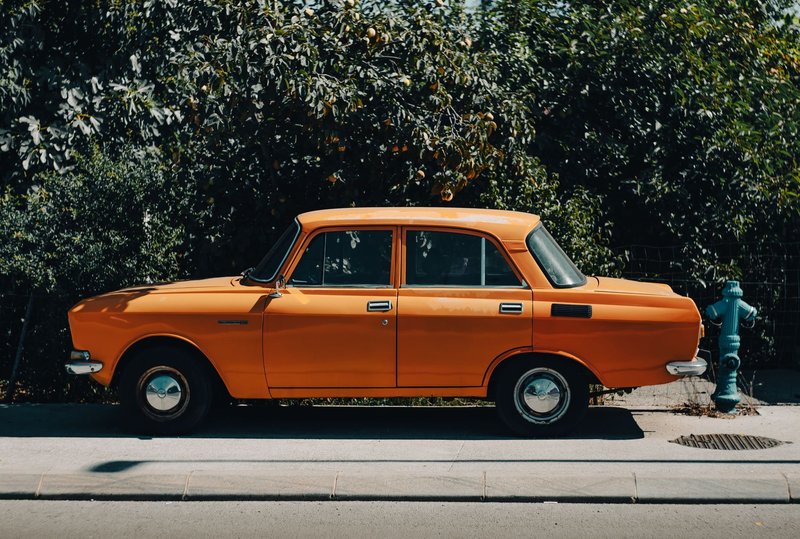
Officers still needed to be driven somewhere, and the Army’s motor pools did that with ordinary passenger sedans from Ford, Chevrolet, Plymouth and Dodge, repainted olive drab and fitted with blackout lights. Many were prewar cars the military bought from stock. The Dodge WC-56 command car served the same purpose where a staff sedan wouldn’t survive the roads.
These are the rarest on the list. Few were saved after 1945, and survivors usually ended up repainted in civilian colors.
What driving a car in 1943 was like
Gasoline rationing went nationwide in December 1942. The National Park Service describes “A” stickers for most drivers, allowing 2 to 4 gallons per week, while “C” stickers went to people in critical jobs. The goal was rubber as much as fuel: Japan had cut off Southeast Asian rubber supplies, and fewer miles meant fewer worn tires.
A national 35 mph “Victory Speed” limit was in place, and on the East Coast pleasure driving was banned for a stretch in early 1943. Tires were rationed, recapped and patched. Owners drained the oil on a schedule and combined errands into one trip. Car ownership across the country actually fell during the war, and the National WWII Museum covers how Americans kept the cars they had alive.
When the war ended, people who had nursed a 1941 Ford through four years of shortages weren’t short on opinions about the new models that finally started arriving in 1946. Many of those were prewar designs with fresh trim.

Marco Delantero
More from Marco DelanteroHow we reviewed this article
This article was researched against manufacturer records and editorially reviewed before publishing. We accept no payment for coverage. Some guides contain affiliate links; see our affiliate disclosure.