Ford lost money in 1980, 1981 and 1982, and the 1982 Ford cars show it. Half the lineup was a holdover from the late-70s Fox platform, one car was a brand-new front-drive hatchback that the whole company was betting on, and one nameplate was about to have the best year of its life. In the middle of that, Ford quietly brought back a 5.0-liter V8 Mustang.
No single page lays the whole range out side by side, so this is the full 1982 Ford lineup in one place: what each car had under the hood, what it cost new, and what a decent one is worth now.
Table of Contents
- The 1982 Ford lineup at a glance
- Why 1982 looks the way it does
- Ford Mustang and Mustang GT
- Ford Thunderbird
- Ford EXP
- Ford Escort
- Ford Fairmont
- Ford Granada
- Ford LTD and LTD Crown Victoria
- The Mercury twins
- What about the 1982 Fairlane?
- Which 1982 Ford to buy today
The 1982 Ford lineup at a glance
Prices are original US base prices where a verified figure exists, and rounded estimates (marked “about”) where it doesn’t. Values are rough 2026 ballparks for a clean, running, driver-quality car, not a concours trailer queen.
| Model | Best engine | Power | Original price | Ballpark value 2026 |
|---|---|---|---|---|
| Mustang GT | 5.0L HO V8 | 157 hp | $8,308 | $12,000 to $25,000 |
| Mustang (L, GL, GLX) | 3.8L V6 | 112 hp | $6,345 to $7,101 | $4,000 to $9,000 |
| Thunderbird | 4.2L V8 | 115 hp | about $8,500 and up | $3,000 to $7,000 |
| EXP | 1.6L four (HO) | 80 hp | about $6,000 | $2,500 to $6,000 |
| Escort | 1.6L four (HO) | 80 hp | $5,518 | $2,000 to $5,000 |
| Fairmont Futura | 3.3L six | 91 hp | about $6,500 | $2,500 to $6,000 |
| Granada | 4.2L V8 | about 120 hp | about $7,900 and up | $2,500 to $6,500 |
| LTD Crown Victoria | 4.2L V8 | 120 hp | $9,763 | $3,500 to $9,000 |
| LTD Country Squire wagon | 4.2L V8 | 120 hp | $10,047 | $5,000 to $12,000 |
If you only want one headline: the Mustang GT is the 1982 Ford people go looking for, the Escort is the one that mattered, and the Country Squire wagon is the sleeper.
Why 1982 looks the way it does
Three things shaped every car on this list.
First, fuel economy. Federal fuel economy rules had been ratcheting up since 1978, and NHTSA’s CAFE standards required a 24 mpg fleet average for 1982, rising to 27.5 by 1985. Big V8s were getting strangled with lean carburetors and tall gearing, which is why a 4.2-liter V8 made around 115 to 120 horsepower.
Second, the economy. The 1981-82 recession pushed US unemployment above 10 percent and interest rates into the teens. Nobody was financing a $10,000 car happily, so cheap, small, and efficient sold.
Third, Ford was mid-pivot. The Escort and EXP were the new front-drive “world car” bets. The Fairmont, Granada, Mustang and Thunderbird were all stretched-out versions of the rear-drive Fox platform. The Taurus was still years away.
Ford Mustang and Mustang GT
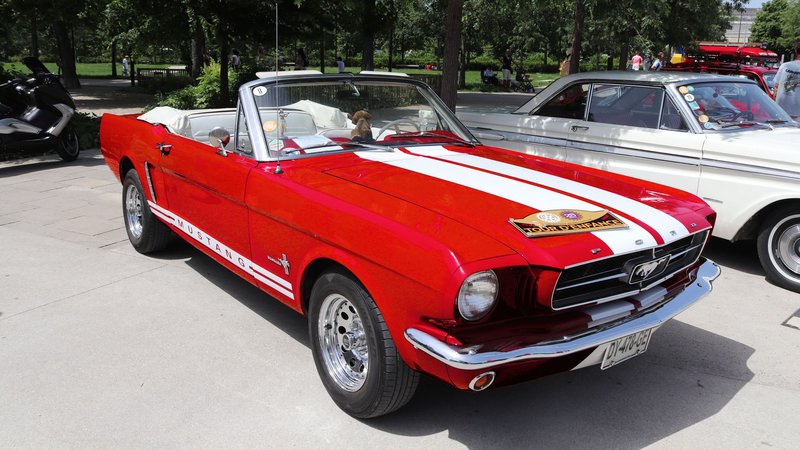
Engines: 2.3L four, 3.3L six, 3.8L V6 (112 hp), 5.0L HO V8 (157 hp, 240 lb-ft, GT) Price: $6,345 (L coupe) to $8,308 (GT hatchback)
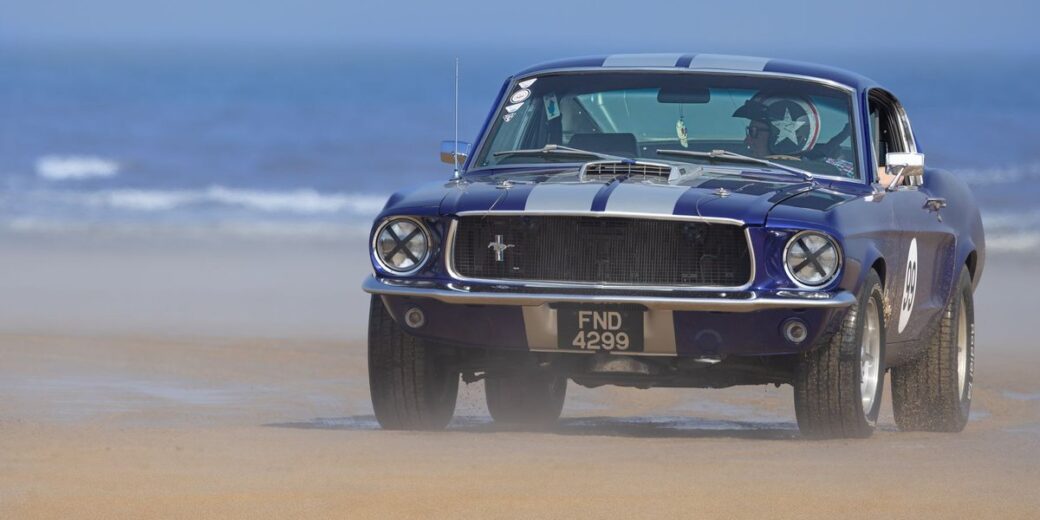
The Mustang had no V8 at all in 1981. For 1982 Ford put the 302 back, rebadged it “5.0 Liter H.O.”, and ran the ad line “The Boss is Back!” The GT was hatchback-only, came with a four-speed manual, a front air dam with fog lights, a rear spoiler, and a dual-snorkel air cleaner. Colors were limited to black, bright red, dark red and silver. Ford built roughly 23,000 of them.
On paper 157 horsepower is almost nothing. In 1982 it was enough to keep pace with the Camaro Z28 (165 hp) and beat most things on the road, and it put the Mustang back in the conversation. Every 5.0 Mustang for the next decade and more descends from this car.
Verdict: The right one to want. A real 1982 GT with its original drivetrain is the cheapest way into the Fox-body hobby that still has a story attached. Expect rust at the strut towers and floor pans, worn interiors, and a lot of cars that were modified to death. The V6 and four-cylinder cars are cheap and sensible but they’re not why anyone reads about this year.
Ford Thunderbird
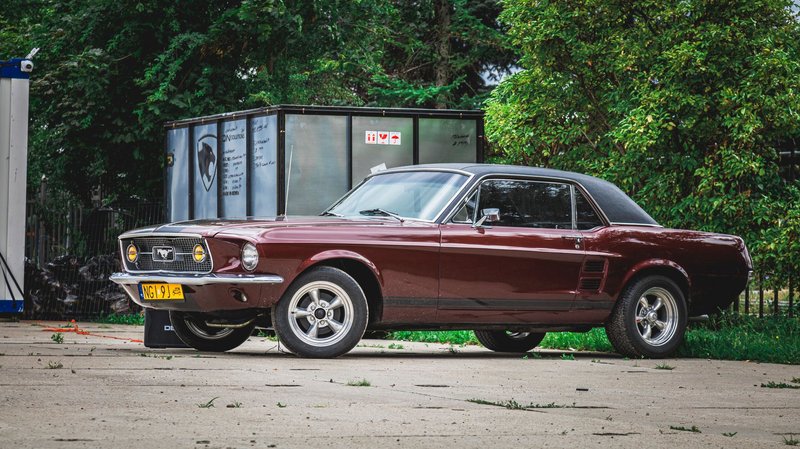
Engines: 3.3L six (88 hp, standard), 3.8L V6 (112 hp, new), 4.2L V8 (115 hp) Trims: Base, Town Landau, Heritage
The 1982 Thunderbird was the last year of the boxy, 1980-82 design, and the year the big engines shrank. The 5.0 was dropped. The 3.3-liter six became standard, and the new 3.8-liter Essex V6 slotted in above it, paired with the four-speed AOD overdrive automatic. The 4.2-liter V8 survived as the only eight-cylinder choice. The Heritage replaced the previous year’s Silver Anniversary Edition as the top trim.
It sold badly. Production fell to about 45,000 from roughly 87,000 the year before, and the car was replaced by the slick, aerodynamic “Aero Bird” for 1983.
Verdict: A comfortable, quiet, genuinely handsome cruiser that was embarrassed by its own engine list. The V6 is the one to find, since it has the overdrive gearbox and the least regret. Values are low because few people chase them, which is exactly why you can get a clean Heritage cheaply.
Ford EXP
Engine: 1.6L CVH four, 70 hp (80 hp HO from March 1982) Price: about $6,000
The EXP was the first two-seat Ford since the original Thunderbird went on sale in the 1950s. It rode on the Escort platform, which was both its clever idea and its problem: a sporty-looking coupe with 70 horsepower and an Escort drivetrain. Ford built 98,256 in 1982, short of the 200,000 it had hoped for, and Mercury’s near-identical LN7 sold just 35,147.
TRX performance tires, a sunroof and air conditioning were the key options. Zero to 60 took well over ten seconds, so this was a car that looked fast standing still.
Verdict: Charming and underpowered. The shape has aged better than the performance, and survivors are scarce because nobody kept them. If you find a straight one, it’s a cheap way to own something that looks like nothing else on the road.
Ford Escort
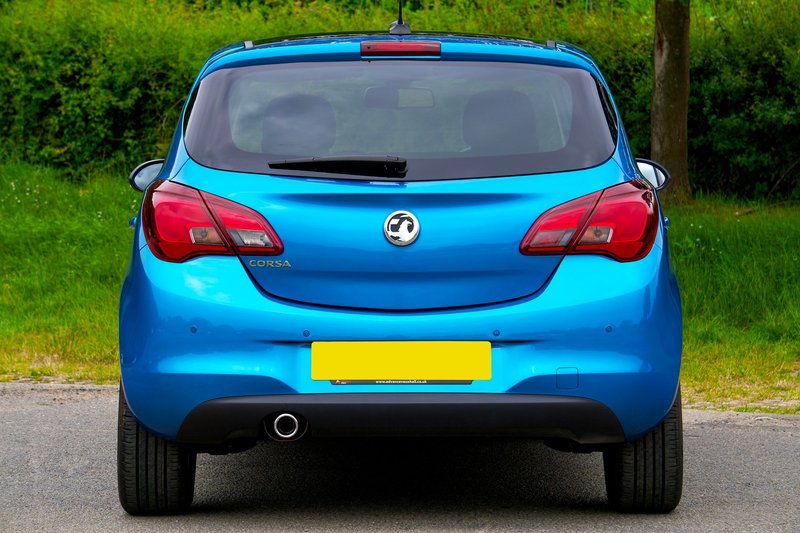
Engine: 1.6L CVH four, 69 hp (80 hp HO added March 1982) Trims: L, GL, GLX, SS Price: from $5,518
If you ask which 1982 Ford mattered most, it isn’t the Mustang. The 1982 Escort became the best-selling automobile nameplate in the United States. That is the year Ford’s front-drive gamble paid off: a 1.6-liter CVH four, a four-speed manual or a three-speed automatic, and a price low enough to work in a recession. The blue oval replaced the “FORD” lettering on the liftgate that year.
The sporty SS trim, later renamed GT, got upgraded brakes and wider tires but no extra power. The HO engine’s 80 hp, arriving mid-year, was the first real step up.
Verdict: Nearly all of them were driven into the ground, which makes a clean one oddly rare. Collectors mostly ignore them, so prices stay low, but the HO GT is the one to look for.
Ford Fairmont
Engines: 2.3L four (86 hp), 3.3L six (91 hp) Trim: Futura (the only trim for 1982) Price: about $6,500
The Fairmont is the Fox platform before the Mustang made it famous. For 1982 the V8 was gone, the lineup was simplified to a single Futura trim, and a two-door sedan was added. A rear-drive, boxy compact with one clear job: carry a family to the grocery store without drama.
It went out of production after 1983, and the front-drive Tempo took over for 1984.
Verdict: Honest, simple, and almost extinct. If you want the cheapest rear-drive Ford from the period, this is it, but expect to spend your time finding parts, not admirers.
Ford Granada
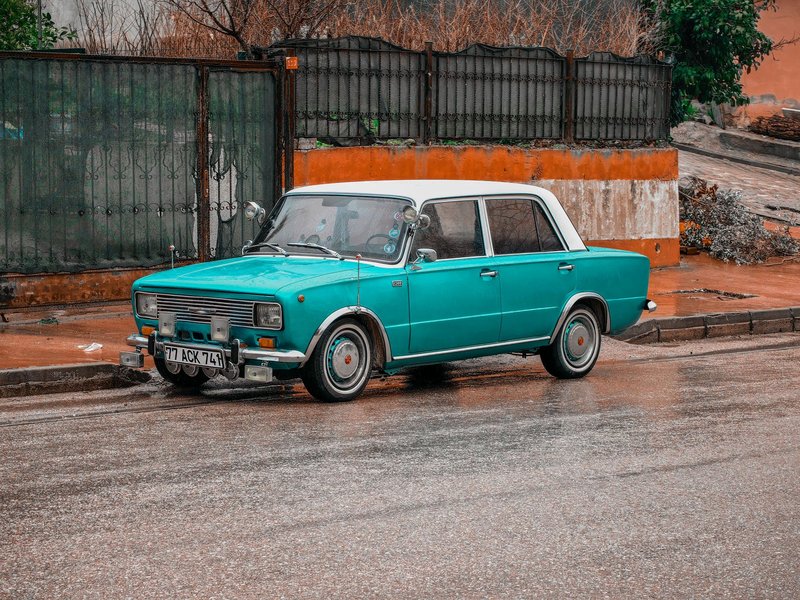
Engines: 2.3L four, 3.3L six, 3.8L V6 (112 hp), 4.2L V8 Trims: L, GL, GLX Price: about $7,900 for an L sedan
1982 was the final year for the Granada name. The car was a squared-off Fox-platform sedan with a formal roofline, and the engine list ran from a four-cylinder to a V8. For 1983 the Granada name was withdrawn and the car continued as the Ford LTD, a mid-size sedan that stuck around until the Taurus arrived.
Verdict: A good-looking, forgotten car. The GLX is the trim to hunt for, and the V6 is the engine that makes the most sense. Parts are the hard part, since little of it was shared outside the Fox family.
Ford LTD and LTD Crown Victoria
Engines: 4.2L V8 (120 hp), 4.9L V8 optional Price: $8,709 (LTD sedan), $9,763 (Crown Victoria sedan), $10,047 (Country Squire wagon)
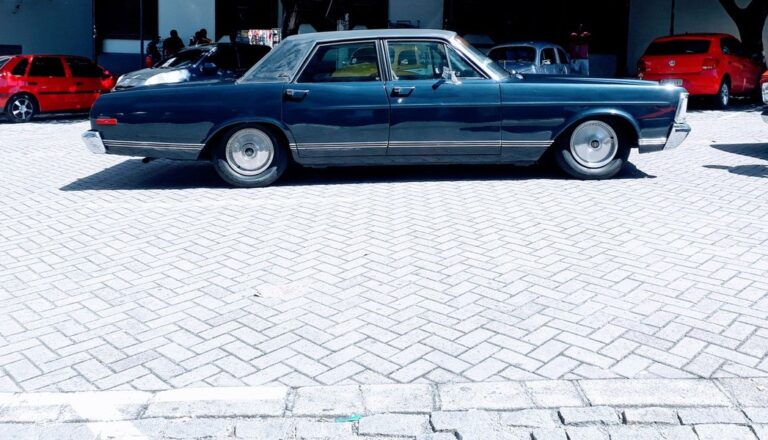
The full-size Ford was the car that still looked like a Ford car. In 1982 that meant the LTD, the LTD Crown Victoria on top, and the Country Squire wagon with its faux wood sides. The 1979 downsizing gave it a shorter, lighter body on the Panther platform, a design family that would run in some form until 2011.
The AOD overdrive automatic replaced the old three-speed that year, which made highway cruising more tolerable and improved economy.
Verdict: Underrated. The Crown Victoria is a straightforward, durable rear-drive sedan that’s still easy to work on, and the Country Squire wagon has become the cult pick. Rust on the lower body and failing vacuum lines are the usual issues.
The Mercury twins
Ford badge-engineered nearly everything in 1982, so each Ford has a Mercury sibling you’ll see in the same classifieds:
| Ford | Mercury twin |
|---|---|
| Mustang | Capri |
| Thunderbird | Cougar XR-7 |
| EXP | LN7 |
| Escort | Lynx |
| Fairmont | Zephyr |
| Granada | Cougar |
| LTD | Marquis |
They share engines and most mechanical parts, so a Mercury is often the cheaper way into the same car.
What about the 1982 Fairlane?
If you searched for a 1982 Ford Fairlane or a 1982 Ford LTD and found Australian listings, that’s why. Ford Australia sold its own Falcon-based Fairlane and LTD in 1982, entirely different from the American cars above. The Fairlane nameplate had disappeared from the US market more than a decade earlier, a fate shared by many classic car names from the same era.
Which 1982 Ford to buy today
- Want the car with the story: Mustang GT. Budget for rust repair and verify the drivetrain is original.
- Want a comfortable classic for cheap: Thunderbird with the 3.8 V6, or an LTD Crown Victoria.
- Want something people stop to ask about: an EXP or a Country Squire wagon.
- Want the cheapest running 1982 Ford: an Escort or Fairmont, if you can find a survivor.
Values vary a lot by condition, mileage and originality, so check recent sold auctions before you pay. The 1982 Ford cars were a lineup of compromises, and that’s the appeal. The ones that lived through the recession and the emissions era have a character that newer cars don’t.

Marco Delantero
More from Marco DelanteroHow we reviewed this article
This article was researched against manufacturer records and editorially reviewed before publishing. We accept no payment for coverage. Some guides contain affiliate links; see our affiliate disclosure.