Every dead car brand has a eulogy that starts with “declining sales.” That’s the lazy version. The real story is usually a corporate parent that stopped caring, a badge that stopped meaning anything, or a founder who made one catastrophic decision that the company never recovered from.
Old car brands don’t just fade — they get killed, on purpose, in a boardroom, often years after the cars themselves stopped being interesting. Here are 18 of them, organized by where they came from, with the actual reason each one went under and what’s left of them today.
Table of Contents
- American Brands That Didn’t Survive the Cut
- European Marques That Ran Out of Road
- Asian Brands That Got Absorbed or Abandoned
- Old Car Brands at a Glance
- What Happens to a Dead Brand’s Fans
American Brands That Didn’t Survive the Cut
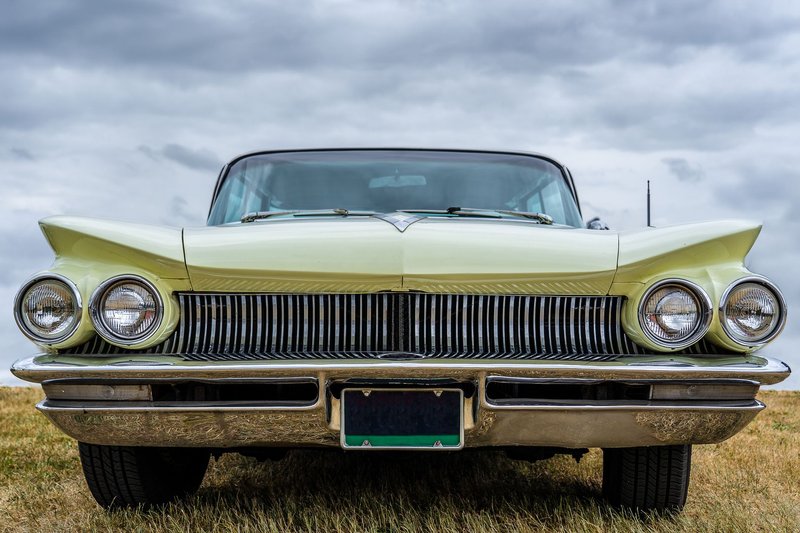
America has killed more car brands than most countries have ever built, and almost all of them died the same way: a parent company decided the badge cost more to keep than to bury.
Pontiac (1926–2010)
Pontiac spent the 1960s building genuinely dangerous cars on purpose — the GTO is credited with starting the muscle-car era practically by accident, when Pontiac stuffed a full-size engine into a mid-size body against GM’s own internal rules. By the 2000s it was building Grand Ams with plastic body cladding and no clear identity. When GM filed for bankruptcy in 2009, the company scrapped Pontiac entirely along with Saturn and Hummer, keeping only the brands with export potential. The GTO nameplate has been rumored for revival more than once. It hasn’t happened.
Oldsmobile (1897–2004)
Oldsmobile is the oldest surviving American car brand’s tombstone — literally the country’s first mass-produced automaker, older than Ford. It invented the modern assembly line before Ford got credit for it, and later gave GM the 442 and the Cutlass Supreme, for a while the best-selling car in America. GM killed it in 2004 because Oldsmobile buyers were aging out and the brand had nothing to say to anyone under 50. No replacement badge ever filled that exact spot in GM’s lineup.
Saturn (1985–2010)
Saturn was GM’s attempt to build a Japanese-style company inside an American one: no-haggle pricing, plastic body panels that shrugged off shopping-cart dings, and dealers who didn’t act like dealers. It worked, for a while — Saturn owners were famously loyal. Then GM starved it of investment, rebadged Opels as Saturns to cut costs, and killed the brand’s entire reason for existing. It didn’t survive the 2009 bankruptcy; a proposed sale to Penske collapsed when no manufacturer would agree to keep building the cars.
Plymouth (1928–2001)
Plymouth built the Barracuda and the Road Runner, two of the meanest muscle cars Detroit ever produced, and spent its final decade as a brand with nothing under Dodge didn’t already sell. Chrysler tried to save it with the retro-styled Prowler, a genuinely weird hot-rod convertible that couldn’t move the sales needle. The brand died in 2001, folded quietly into Dodge and Chrysler dealerships.
Mercury (1938–2011)
Mercury existed to give Ford a mid-tier badge between regular Fords and luxury Lincolns, and for decades that worked — the Cougar and the Grand Marquis were real sellers. By the 2000s, a Mercury was just a Ford with a different grille and a higher price, and buyers noticed. Ford discontinued it in 2011 as part of a broader push to consolidate around the core Ford and Lincoln names.
Studebaker (1852–1966)
Studebaker built horse-drawn wagons for the Union Army before it ever built a car, which makes it one of the only brands on this list with a Civil War supply contract in its backstory. It merged with Packard in 1954 hoping the combination would out-muscle the Big Three; instead, Packard’s debt dragged Studebaker down with it. The South Bend, Indiana plant closed in 1963, and the last Studebaker rolled off a line in Hamilton, Ontario in March 1966. The Avanti, its final flagship, is still hunted by collectors for its fiberglass body and genuinely ahead-of-its-time styling.
Packard (1899–1958)
Before the merger that killed it, Packard was the American luxury standard — the brand Cadillac was chasing, not the other way around. “Ask the man who owns one” was its slogan, and for good reason: Packards outsold every other American luxury make through much of the 1930s. The Studebaker merger in 1954 was supposed to be a rescue. It ran out both companies’ cash instead, and the last car wearing a Packard badge was built in 1958.
Hummer (1992–2010)
Hummer’s civilian version of the military Humvee sold well right up until gas hit $4 a gallon, at which point a vehicle that got 10 miles to the gallon became impossible to justify to anyone. GM cut it loose in the 2009 bankruptcy after a deal to sell the brand to a Chinese machinery company fell through. The name didn’t stay dead — GMC revived it in 2021 as an electric pickup and SUV line, which makes Hummer one of the few brands on this list that actually got a second act, just under different ownership entirely.
DeLorean (1975–1982)
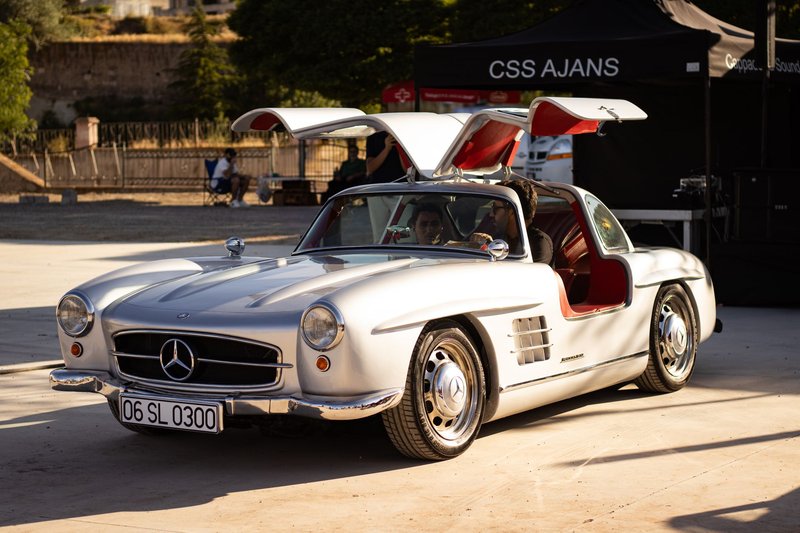
DeLorean built exactly one production car, the stainless-steel, gullwing-doored DMC-12, and it would likely be a forgotten oddity if “Back to the Future” hadn’t turned it into a time machine three years after the company folded. Founder John DeLorean, a former GM executive, was arrested in an FBI cocaine sting the same day the British government announced the company’s closure — he’d allegedly agreed to the deal trying to raise $17 million to save the business. A jury acquitted him in 1984, ruling he’d been entrapped, but the company was already gone. A Texas-based parts company still owns the rights and has spent years threatening a modern relaunch that hasn’t materialized.
Tucker (1946–1949)
Tucker built 51 cars — the Tucker 48, nicknamed the “Torpedo” — before an SEC investigation into its stock sales practices shut production down for good. The car itself was genuinely radical for 1948: a rear engine, a center headlight that turned with the steering, and a padded dashboard decades before padded dashboards were standard. Whether Preston Tucker was a visionary undone by the Big Three or a stock huckster who got caught depends on who’s telling the story. Most of the 51 cars built still exist and sell for well over $1 million when one changes hands.
European Marques That Ran Out of Road
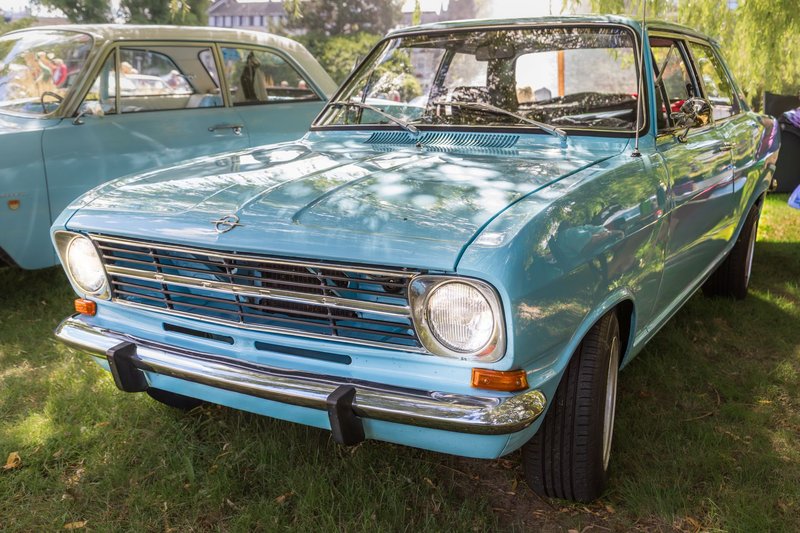
Europe’s dead brands tend to have a different villain than America’s: not a parent company trimming a portfolio, but decades of underinvestment finally catching up all at once.
Saab (1945–2016)
Like other Scandinavian car brands, Saab built cars the way it built fighter jets — turbocharged, slightly strange, with ignition switches on the floor between the seats because that’s where an aircraft engineer would put one. GM bought a controlling stake in the 1990s and spent years half-committing to it, badge-engineering Saabs onto Chevrolet platforms and diluting the thing that made them distinct. GM sold Saab to Dutch boutique manufacturer Spyker in 2010; the company filed for bankruptcy the following year, and a later electric-vehicle revival attempt by Chinese-backed NEVS quietly stopped building cars in 2016 for good.
Rover (1904–2005)
Rover built the original Land Rover and the beloved P6 before spending its final 20 years getting passed between owners like a bad debt — British Leyland, then British Aerospace, then BMW, then a British consortium that bought it for the token price of £10. MG Rover, the UK’s last mass-market carmaker, collapsed into administration in April 2005, taking more than 6,000 direct jobs with it and an estimated 15,000 more at suppliers. Land Rover survived because BMW had already spun it off separately to Ford in 2000; the Rover badge itself never came back.
Borgward (1929–1961)
Borgward built the Isabella, a genuinely innovative mid-century German sedan with unibody construction years before that was standard, and collapsed in 1961 when the city of Bremen — worried about local jobs — pressured the company into a restructuring that ended up killing it faster than bankruptcy would have. A 2015 revival attempt, backed by Chinese investment, tried building SUVs under the old name. It also failed, quietly, by 2018 — making Borgward one of the rare brands that has now died twice.
Simca (1934–1970)
Simca started as a French license-builder of Fiats before developing its own identity, and by the 1960s was the second-biggest carmaker in France behind Renault. Chrysler bought a controlling stake through the 1960s, absorbed Simca fully by 1970, and spent the next decade slowly replacing the name with Chrysler-Europe and eventually Talbot badging. The Simca 1000, a rear-engined rival to the VW Beetle, remains a minor cult classic in France.
Asian Brands That Got Absorbed or Abandoned
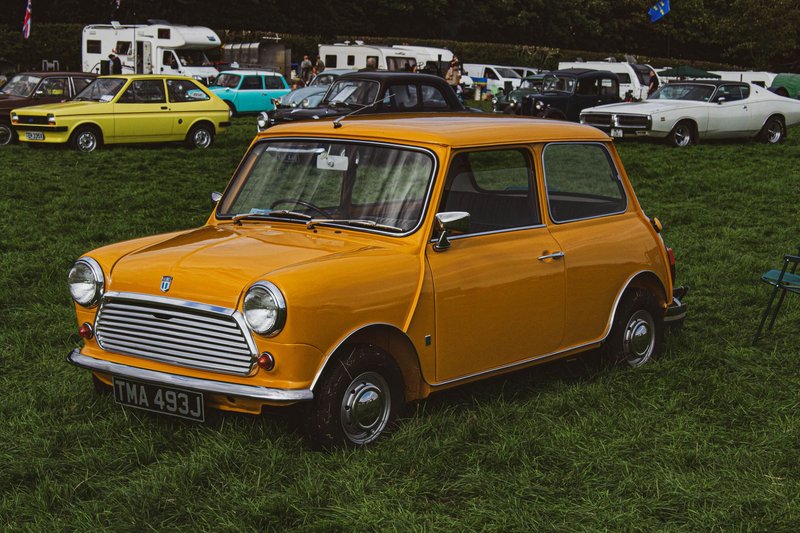
Asian brand deaths follow a pattern almost nobody else’s do: the company itself usually survives, just wearing somebody else’s name.
Daewoo (1983–2011)
Daewoo was one of the most prominent Korean car brands of the 1990s, building cheap, cheerful cars that helped put South Korea on the global automotive map. The company was backed by a conglomerate so large it also made ships and semiconductors. The 1997 Asian financial crisis gutted the parent company’s finances, and Daewoo Motors collapsed into bankruptcy in 2000. GM bought the wreckage in 2002, kept the factories and the engineering, and slowly phased the Daewoo name out market by market until it disappeared entirely by 2011 — every car it used to sell now wears a Chevrolet badge instead.
Datsun (1931–1986, revived 2013–2022)
Datsun is the rare brand that got killed twice. Nissan retired the name in 1986 to consolidate everything under one global badge, only to bring Datsun back in 2013 as a budget line for emerging markets like India, Indonesia, and Russia. That second life didn’t last either — Nissan shut the revived Datsun down again in 2022, this time for good. The original Datsun 240Z remains one of the most collected Japanese sports cars of the 1970s, regardless of which name is on the trunk lid.
Scion (2003–2016)
Toyota built Scion specifically to sell cars to millennials who didn’t want to walk into a Toyota dealership, with boxy, customizable models like the xB and a no-haggle pricing model borrowed straight from Saturn’s old playbook. It worked while its buyers were young; it stopped working once they weren’t, and Toyota folded the brand back into its own lineup in 2016. A few Scion models, especially the tC and the FR-S sports coupe, kept enough of a following that Toyota kept selling near-identical successors under its own name.
Isuzu (U.S. passenger cars, 1981–2009)
Isuzu never actually died — it’s still a major truck manufacturer across Asia and Africa. What died was Isuzu’s American passenger-car business, which quietly stopped selling cars and SUVs in the U.S. in 2009 after years of declining demand, keeping only its commercial trucks in the market. The Trooper and the Rodeo still have a loyal following among off-road enthusiasts who liked that Isuzu built genuinely capable body-on-frame SUVs when most competitors had already moved to softer, car-based platforms.
Old Car Brands at a Glance
| Brand | Founded | Defunct | Country | Notable Model |
|---|---|---|---|---|
| Pontiac | 1926 | 2010 | USA | GTO |
| Oldsmobile | 1897 | 2004 | USA | Cutlass Supreme |
| Saturn | 1985 | 2010 | USA | S-Series |
| Plymouth | 1928 | 2001 | USA | Barracuda |
| Mercury | 1938 | 2011 | USA | Cougar |
| Studebaker | 1852 | 1966 | USA | Avanti |
| Packard | 1899 | 1958 | USA | Packard Twelve |
| Hummer | 1992 | 2010 | USA | H1 |
| DeLorean | 1975 | 1982 | USA / UK | DMC-12 |
| Tucker | 1946 | 1949 | USA | Tucker 48 |
| Saab | 1945 | 2016 | Sweden | 900 Turbo |
| Rover | 1904 | 2005 | UK | P6 |
| Borgward | 1929 | 1961 | Germany | Isabella |
| Simca | 1934 | 1970 | France | Simca 1000 |
| Daewoo | 1983 | 2011 | South Korea | Lanos |
| Datsun | 1931 | 2022 | Japan | 240Z |
| Scion | 2003 | 2016 | USA / Japan | xB |
| Isuzu (US cars) | 1981 | 2009 | Japan | Trooper |
What Happens to a Dead Brand’s Fans
Owning a car from one of these old car brands isn’t the dead end it sounds like. Parts, support, and resale value split pretty sharply depending on which brand you’re dealing with.
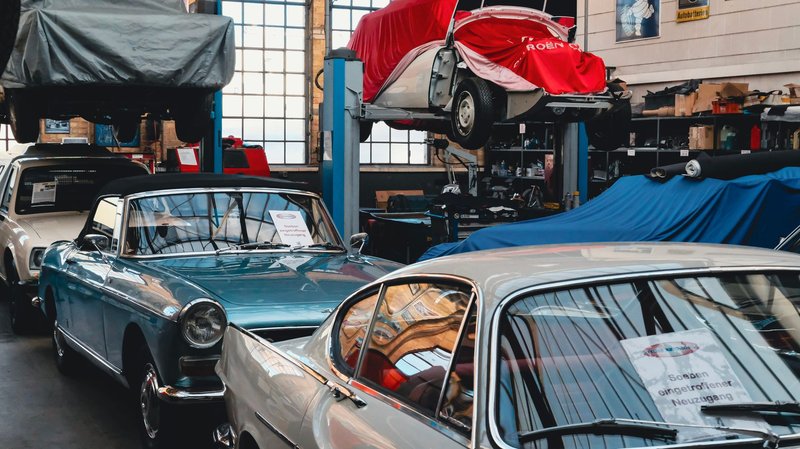
Parts get easier the more popular the brand was in its prime. Pontiac, Oldsmobile, and Plymouth all shared platforms and components with other GM or Chrysler divisions, so reproduction parts markets stayed healthy for decades after the badge disappeared — a Pontiac GTO owner today has an easier time than a Borgward owner searching for a 65-year-old Isabella part that was only ever made in Bremen.
Marque clubs do the heavy lifting. The Studebaker Drivers Club and the DeLorean Owners Association both maintain parts networks, technical archives, and member know-how that outlasted the manufacturers by decades. If you’re buying into a dead brand, the strength of its owners’ club matters more than almost anything else — check for one before you check the price.
Insurance is the part people forget. Standard policies often lowball defunct-brand classics because there’s no current dealer network to set a baseline value. An agreed-value policy through a classic-car insurer, priced against actual comparable sales, avoids getting a Studebaker Avanti valued like a used sedan after a total loss.
Collectibility tracks scarcity and story, not just age. A Tucker 48, of which only 51 were built, now sells for seven figures precisely because so few exist and the story behind them is so strange. A late-run Saturn Ion, by contrast, is common enough and forgettable enough that it’s unlikely to ever be worth more than a used car. The brands worth betting on are the ones with a genuine engineering story, a small production run, or both.

Marco Delantero
More from Marco DelanteroHow we reviewed this article
This article was researched against manufacturer records and editorially reviewed before publishing. We accept no payment for coverage.