Table of Contents
- The Cruze Era: Chevy Goes Global
- Camaro’s Fifth Generation: Back From the Dead
- The Volt: GM Bets on a Weird Idea
- Corvette C7: A Real Stingray Again
- The Crossover Shift: Equinox and Traverse
- Silverado’s K2XX Redesign
- 2010s Chevrolet Cars at a Glance
- Which 2010s Chevy Holds Up Best Used?
Chevrolet spent the 2010s doing three things at once: proving it could build a genuinely global compact car, resurrecting a muscle car nameplate everyone assumed was dead, and building an electric car nobody quite believed in until they drove one. Somewhere in between, it also redesigned its best-selling truck and quietly became one of the biggest crossover players in America.
Most retrospectives cover these one at a time — a Wikipedia page per model, a spec sheet per trim. Fewer connect the dots on which of these cars actually earned their reputation and which just had a good launch year. That’s the gap here.
The Cruze Era: Chevy Goes Global
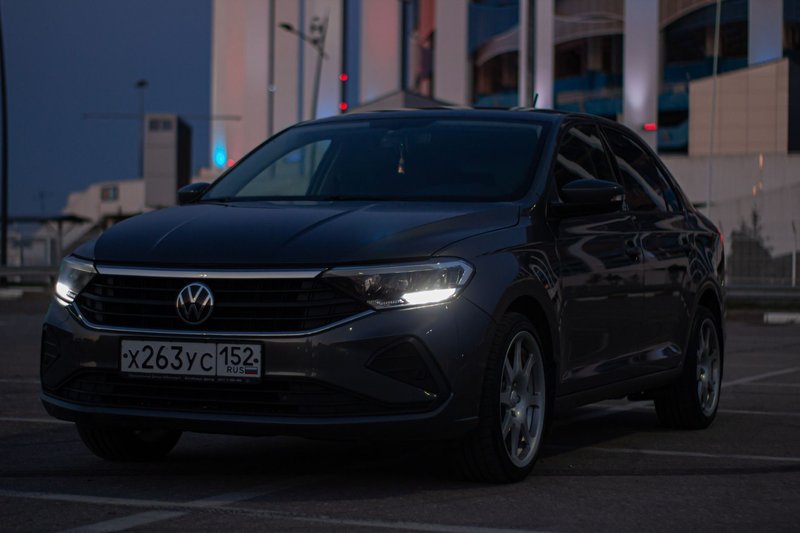
The Cruze arrived for the 2011 model year and replaced the Cobalt, a car nobody was sad to see go. It rode on GM’s Delta II platform — the same architecture underpinning the Opel Astra in Europe — which meant the Cruze was engineered to compete with a Golf, not just a Cobalt with better trim.
That global-platform strategy is what made the Cruze matter. It was the first Chevy compact that didn’t feel like the budget option in the lineup. The 2013 refresh brought MyLink, Chevy’s first real attempt at a modern infotainment system, and the diesel Cruze that followed a year later posted an EPA-rated 46 mpg highway, a number no domestic compact sedan had touched before.
The 1.4L turbo four in the gas models is the car’s weak point. A cracked intake manifold or failed water pump on these engines can dump coolant into the cylinders, and it’s common enough on 2011–2014 cars that any used Cruze inspection should start there. The 1.8L naturally aspirated base engine and the diesel largely dodged this problem.
Camaro’s Fifth Generation: Back From the Dead
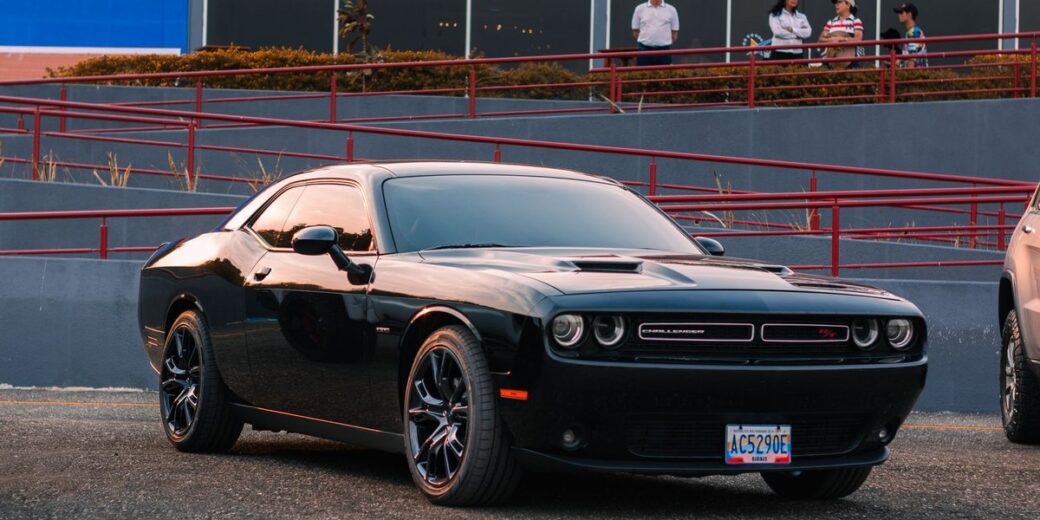
The fifth-generation Camaro landed for 2010 as one of the defining coupes of the 2010s, built on the Zeta platform it shared with the Pontiac G8 and the Australian Holden Commodore — a rear-wheel-drive architecture that gave the Camaro a genuinely different chassis feel than the front-drive-based cars GM had been building for a decade.
GM killed the Camaro in 2002 and didn’t bring it back until the concept car built for the first Transformers movie generated enough demand that dealers were fielding calls before a production date existed. The fifth-generation Camaro landed for 2010, built on the Zeta platform it shared with the Pontiac G8 and the Australian Holden Commodore — a rear-wheel-drive architecture that gave the Camaro a genuinely different chassis feel than the front-drive-based cars GM had been building for a decade.
The base V6 was competent. The story was the V8s. The 2012 ZL1 brought a supercharged 6.2L LSA making 580 horsepower, essentially a detuned version of the engine from the previous-generation Corvette ZR1. Two years later, the Z/28 stripped out the air conditioning, the backseat speakers, and anything else that added weight, then bolted in the naturally aspirated 7.0L LS7 from the C6 Corvette Z06 — a car built entirely around lap times, not comfort.
The Camaro’s rear visibility became a running joke in every review from the era, and it’s not wrong. The gun-slit rear window was the tradeoff for the retro-inspired sheet metal, and it’s the one complaint that shows up in every ownership review regardless of trim.
The Volt: GM Bets on a Weird Idea
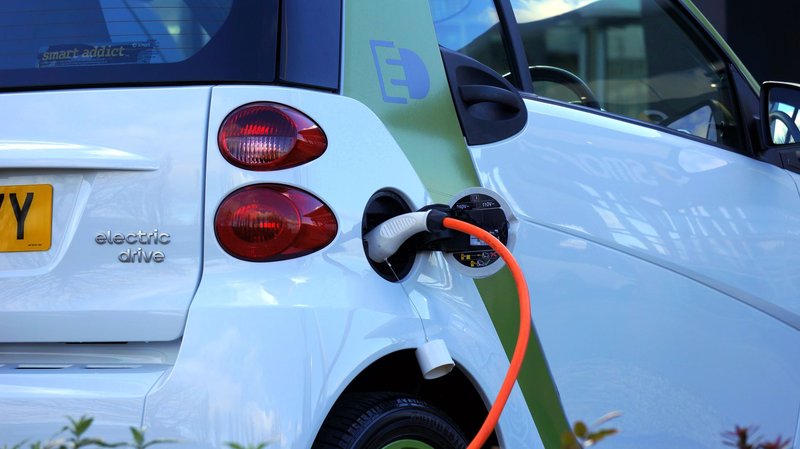
The Volt launched in December 2010 as something the industry didn’t have a clean label for: an electric car with a gas engine on board that only ever generated electricity, never directly turned the wheels. GM called it a range-extended EV. About 35 miles of pure electric range covered most commutes, and the gas generator meant no one had to plan a road trip around charging stations, which was a real concern in 2011.
The second-generation Volt arrived for 2016 with electric range bumped to 53 miles and a more conventional-looking interior that ditched the first car’s touch-sensitive center stack. GM discontinued the Volt in 2019 to focus resources on the Bolt EV, a decision that still frustrates the Volt’s small but loyal ownership base.
What surprised people who assumed it was a science project: the Volt turned out to be reliable. The battery and drivetrain have held up well across both generations, and Voltec technical service bulletins are notably thin compared to the Cruze’s engine issues from the same era.
Corvette C7: A Real Stingray Again
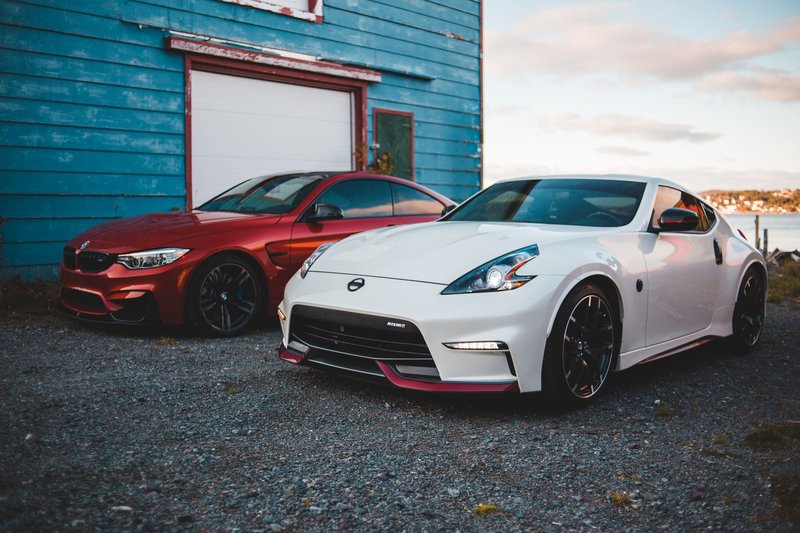
The C7 Corvette debuted for 2014 and brought the Stingray name back for the first time since the C3 ended production in 1976. It wasn’t a nostalgia move alone — the C7 was a genuine step change, with a new LT1 6.2L V8 making 455 horsepower (460 with the performance exhaust), a fully digital driver display, and interior materials that finally matched the car’s price tag after a couple of generations of hard plastic that undercut the performance underneath.
The 2015 Z06 pushed things further with a supercharged LT4 making 650 horsepower and a dry-sump oiling system as standard, aimed squarely at track use. Early Z06 coupes with the automatic transmission had a documented overheating issue under sustained track driving, which Chevrolet addressed with a software update and revised cooling ducts — worth checking service history on before buying one used.
The Crossover Shift: Equinox and Traverse
The second-generation Equinox launched for 2010 and became the vehicle that quietly did more for Chevrolet’s bottom line than any Camaro or Corvette. Built in Ontario and Tennessee, it settled into a formula — a 2.4L four-cylinder, a roomy back seat, and a price under the RAV4 and CR-V — that made it Chevy’s best-selling crossover for most of the decade.
That 2.4L engine has a known oil-consumption problem, serious enough that GM extended warranty coverage on 2010–2013 models after owner complaints piled up. It’s a fixable issue with a piston ring replacement, but it’s worth asking about specifically before buying an early Equinox used.
The Traverse, which had launched for 2009, spent the 2010s as GM’s three-row family hauler, sharing its Lambda platform with the Buick Enclave and GMC Acadia. Early Traverse models with the 3.6L V6 are worth having the timing chain checked — a stretched chain shows up as a rattle on cold start and, left alone, can affect valve timing.
Silverado’s K2XX Redesign
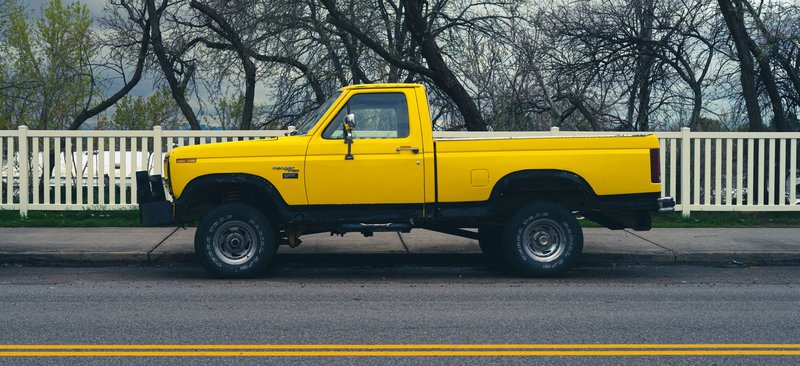
The Silverado’s biggest change of the decade landed for 2014, when GM moved to the K2XX platform and introduced the EcoTec3 engine family — a full switch to direct injection, variable valve timing, and cylinder deactivation across the V6 and V8 lineup. The redesign also brought the High Country trim, Chevy’s answer to Ford’s King Ranch and Ram’s Laramie Longhorn, aimed at buyers who wanted truck capability without a work-truck interior.
The 5.3L V8 in these trucks is broadly considered one of the more dependable engines GM has built, though 2014–2015 models had a documented issue with active fuel management lifters failing and sending metal debris through the engine. GM revised the lifter design partway through 2015 production, so a pre-purchase inspection on an early K2XX Silverado should include a look at oil for metal contamination.
2010s Chevrolet Cars at a Glance
| Model | Debut Year | Standout Trim | Known Weak Point |
|---|---|---|---|
| Cruze | 2011 | Diesel (2014) | 1.4L turbo coolant intake leak |
| Camaro (5th gen) | 2010 | Z/28 (2014) | Poor rear visibility |
| Volt | 2011 | 2nd gen (2016) | Minimal — strong reliability record |
| Corvette C7 | 2014 | Z06 (2015) | Early Z06 track overheating |
| Equinox | 2010 | 2.4L LT | Oil consumption (2010–2013) |
| Traverse | 2010 (carryover) | LTZ AWD | Timing chain rattle, early 3.6L |
| Silverado (K2XX) | 2014 | High Country | AFM lifter failure (2014–2015) |
Which 2010s Chevy Holds Up Best Used?
If reliability is the deciding factor, the Volt is the surprise answer. It has the fewest documented drivetrain complaints of any car on this list, largely because the Voltec system was engineered conservatively — GM under-stressed the battery relative to its actual capacity specifically to extend its working life. According to NHTSA’s complaint database, Volt owners file a fraction of the powertrain complaints that Cruze or Equinox owners do for the same model years.
The Silverado is the safest bet for anyone who needs a truck rather than wants a project. Once you’re past a 2014–2015 build with unverified lifter history, the K2XX generation is straightforward and well-supported by the used-truck market. For fuel economy specifically, the diesel Cruze’s EPA-rated 46 mpg highway remains competitive against far newer compacts, though diesel-specific maintenance (DEF fluid, particulate filter service) adds cost the gas Cruze doesn’t carry.
The Camaro and Corvette reward buyers who do their homework rather than buyers looking for the least hassle. Both hold their character well mechanically — these are simple, robust V8s and a well-sorted V6 — but both are also enthusiast cars that attracted hard driving, so service records and a look for track use matter more than the model year does.
The Equinox is the one to approach carefully. It sold in huge numbers, which means there are plenty of clean examples out there, but the oil-consumption issue is common enough on 2010–2013 models that a compression test or at minimum a documented oil-change history should be non-negotiable before buying.
Chevrolet’s 2010s output doesn’t reduce to one winner. It’s a decade where the same company built a plug-in hybrid that out-reliabled its own compact sedan, and a track-focused muscle car sitting next to a crossover with a warranty extension. Buy according to what you actually need from the car, check the specific weak point for that model, and any of these can still be a smart used purchase today.

Tyler Bridges
More from Tyler BridgesHow we reviewed this article
This article was researched against manufacturer records and editorially reviewed before publishing. We accept no payment for coverage. Some guides contain affiliate links; see our affiliate disclosure.