TLDR
The decade’s headline act is the Nissan 350Z (2003-2008), the car that dragged the Z nameplate out of a seven-year hiatus and made the VQ35DE V6 a legend. For daily-driver reliability, the Altima and Maxima with the same VQ35DE are the safer bets. For SUVs, the Xterra and later Pathfinder hold up better than the Murano, which has a shaky CVT history. Skip the early Titan unless you’ve budgeted for an axle seal repair. And if you want the one that’s actually appreciating, it’s not American-market at all — it’s the R34 Skyline GT-R, which just crossed the 25-year import threshold and is now legal to bring into the US.
Table of Contents
- Sports Cars: The Halo Models
- Sedans: The Volume Sellers
- SUVs and Crossovers
- Trucks: The Titan
- Comparison Table
- Which 2000s Nissans Are Actually Worth Buying Now
Nissan spent the 2000s doing something most automakers were too cautious to try: reintroducing a discontinued sports car nameplate and betting the company’s design language on it. Carlos Ghosn’s “Nissan Revival Plan” reshaped the lineup top to bottom, and the decade produced some genuinely great cars alongside a few you should actively avoid at a used lot. Here’s what actually mattered, sorted by category instead of by model year, because that’s how you’d cross-shop them anyway.
Sports Cars: The Halo Models
Nissan 350Z (2003-2008). The Z came back after the 300ZX bowed out in 1996, arriving as a standout 2003 sports car with a naturally aspirated 3.5-liter VQ35DE making 287 horsepower at launch. That engine is the whole story here — it picked up nine straight Ward’s 10 Best Engines awards through the decade and has a well-earned reputation for running to 200,000 miles on nothing but oil changes and a healthy timing chain tensioner. The catch: 2003-2004 cars and the 300-hp “Rev Up” motors in 2005-2006 are known oil burners once the piston rings wear in, sometimes a quart every 1,000-2,000 miles. Nissan fixed that with the revised VQ35HR in 2007-2008, which also bumped output to 306 hp. If you’re shopping used, a 2007+ Z with service records is the safer buy; earlier cars are cheaper but budget for oil top-offs and, eventually, a clutch and suspension bushings — both are known wear items by now.
Nissan Skyline GT-R R34 (1999-2002). Never sold new in the US, which is exactly why it matters now. Nissan’s twin-turbo RB26DETT inline-six, officially rated at a laughably conservative 276 hp under Japan’s gentleman’s agreement, powers a car that became a cultural fixture through Gran Turismo and the Fast & Furious franchise before most Americans could legally own one. The federal 25-year import rule exempts a vehicle from Federal Motor Vehicle Safety Standards once it hits that age from its manufacture date, and R34s built in 1999 started clearing that bar in 2024, with later build dates rolling into eligibility through 2027. NHTSA’s importation guidance lays out exactly what that exemption does and doesn’t cover, which matters because state registration and emissions rules are a separate hurdle from the federal one.
Honorable mention: Nissan Sentra SE-R Spec V (2002-2006). Not a halo car in the 350Z sense, but it deserves a line — a 175-hp QR25DE four-cylinder in a compact sedan shell, with a six-speed manual and a Viscous limited-slip diff on the Spec V trim. It was the budget enthusiast’s answer to the Civic Si, and clean survivors are getting harder to find.
Sedans: The Volume Sellers
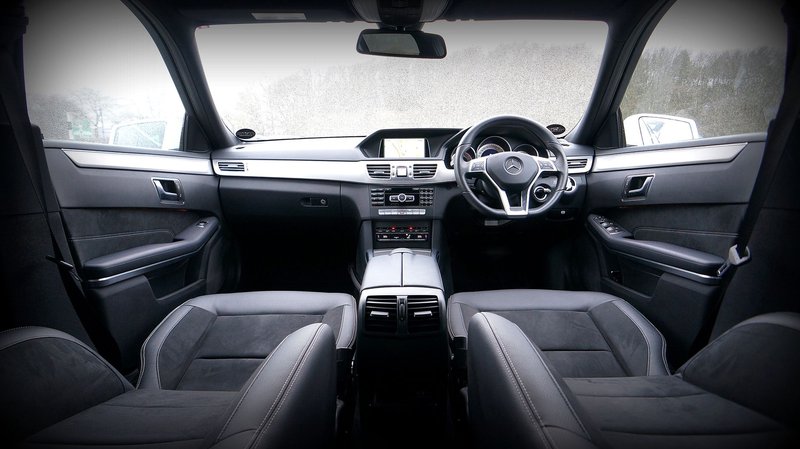
Nissan Altima (2002-2006, L31 generation). This is the car that made Nissan sedans interesting again. The redesign gave buyers the option of the same VQ35DE V6 from the 350Z, and the Altima SE-R (2005-2006) pushed that to 260 hp in a front-wheel-drive family sedan — an unusual combination that nobody else was building. Reliability on the four-cylinder QR25DE models is solid; the V6 cars are also dependable but worth a pre-purchase inspection for transmission health, since the Altima’s CVT-equipped later years (2007+) are the ones to be more careful with.
Nissan Maxima (2004-2008, A34 generation). Nissan’s “4-Door Sports Car” tagline wasn’t just marketing copy — the A34 ran the VQ35DE at 265 hp and offered a six-speed manual on the SE trim, a combination you won’t find on a modern Maxima. It’s a genuinely underrated used buy: fewer complications than the SUVs of the same era, the same engine reputation as the 350Z, and depreciation that’s made clean examples cheap.
Nissan Sentra (2000-2006, B15 generation). The workhorse. Not exciting outside the SE-R trims, but the QG18DE and QR25DE four-cylinders are simple, cheap to maintain, and long-lived. If the goal is a 2000s Nissan that just starts every morning without drama, this is closer to the answer than anything with a V6.
SUVs and Crossovers
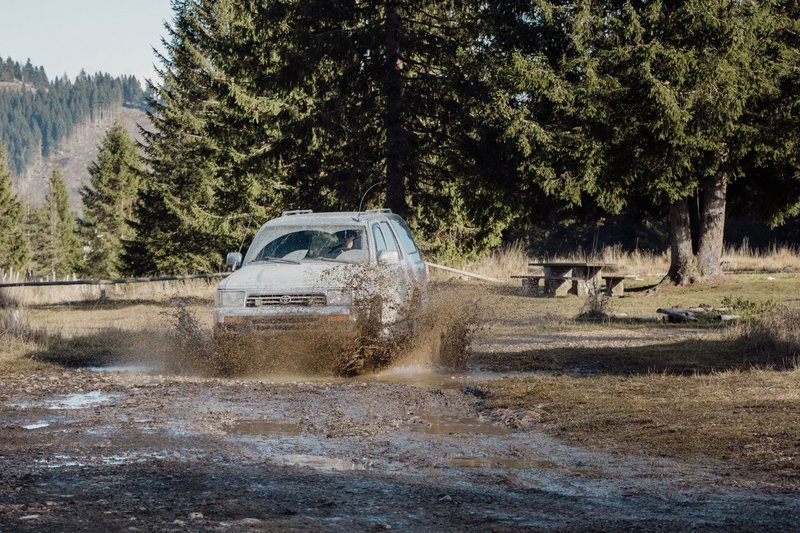
Nissan Xterra (2000-2004 first-gen, 2005-2015 second-gen). The first-gen Xterra built Nissan’s off-road credibility, but it came with real issues: clogged EGR valves causing misfires and check-engine lights, and radiator leaks on 2005-model-year trucks that can cascade into overheating and transmission damage if ignored. The second-generation Xterra (2005+) added the VQ40DE V6 and is the one to shop for if you actually want to use the thing off-road — better factory skid plates, a locking rear diff on the Off-Road trim, and a reputation as one of the more honest body-on-frame SUVs of the decade.
Nissan Pathfinder (1999-2004 R50, 2005-2012 R51). The R50 is aging out of daily-driver territory. The R51, launched for 2005, is the more relevant used buy — VQ40DE V6, proper truck-based construction, and a towing capacity that made it a legitimate mid-size alternative to the 4Runner. It’s heavier and thirstier than a crossover, which is precisely the point if towing or genuine off-pavement use is on the list.
Nissan Murano (2003-2007, Z50 generation). The Murano introduced Nissan’s Xtronic CVT to a mainstream crossover, and the 2003 launch year actually dodged the worst of it — the transmission problems that plague this platform showed up more in the mid-2000s production run. Owners also report failing seat adjusters and aging electronics on higher-mileage examples. It rides better than the Xterra and looks more like a design statement than an SUV, but it’s the one on this list where a transmission-focused pre-purchase inspection isn’t optional.
Trucks: The Titan
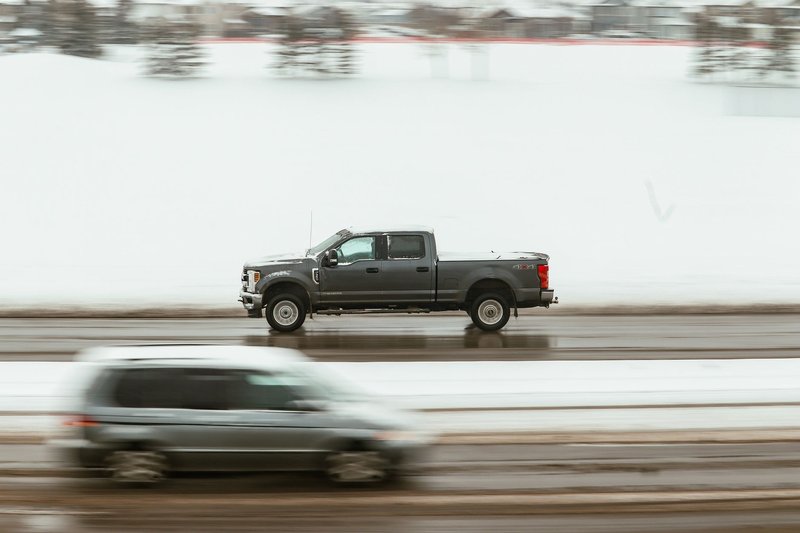
Nissan Titan (2004-2015, A60 generation). Nissan’s first serious swing at the full-size truck market, built at the Canton, Mississippi plant alongside a 5.6-liter Endurance V8 making around 305 hp — genuinely competitive with the domestic half-tons of the era. The problem showed up underneath: 2004-2006 Titans are known for rear-axle seal leaks caused by inadequate axle ventilation, a fault serious enough that owners have pushed for a recall for years even though Nissan only ever addressed it through a service bulletin rather than a formal one. Budget for a roughly $800-per-side repair if you’re buying an early Titan, or shop a 2008+ model where the issue was largely resolved.
Comparison Table
| Model | Years | Body Style | Notable Engine | Today’s Take |
|---|---|---|---|---|
| 350Z | 2003-2008 | Sports coupe/roadster | VQ35DE / VQ35HR V6 | Buy a 2007+; watch oil consumption on earlier cars |
| Skyline GT-R (R34) | 1999-2002 | Sports coupe (JDM) | RB26DETT twin-turbo I6 | Now import-legal; prices climbing fast |
| Altima | 2002-2006 | Midsize sedan | QR25DE I4 / VQ35DE V6 | SE-R V6 is a sleeper; inspect later CVT years |
| Maxima | 2004-2008 | Full-size sedan | VQ35DE V6 | Underrated; six-speed manual on SE trim |
| Sentra | 2000-2006 | Compact sedan | QG18DE / QR25DE I4 | Cheap, simple, reliable daily |
| Xterra | 2000-2015 | Body-on-frame SUV | VQ40DE V6 | Second-gen (2005+) is the safer buy |
| Pathfinder | 1999-2012 | Body-on-frame SUV | VQ40DE V6 | R51 (2005+) is the more capable, more relevant one |
| Murano | 2003-2007 | Crossover SUV | VQ35DE V6 | Inspect the CVT before anything else |
| Titan | 2004-2015 | Full-size pickup | 5.6L Endurance V8 | Early trucks need an axle seal budget |
Which 2000s Nissans Are Actually Worth Buying Now
Two things separate a good used 2000s Nissan from a headache: which engine it’s carrying, and whether that engine is the VQ35DE. Nissan’s 3.5-liter V6 shows up in the 350Z, Altima SE-R, Maxima, and Murano, and in every one of them it’s the strongest argument for buying the car. The VQ40DE in the Xterra and Pathfinder is nearly as dependable, just less celebrated. Everything else on this list is a case-by-case call, and the CVT-equipped Muranos and later Altimas are where a pre-purchase inspection earns its cost.
The collector angle is where this decade gets more interesting than a straightforward reliability ranking. JDM cars that never officially came stateside are aging into legality one model year at a time under the federal 25-year rule, and the Skyline GT-R is the clearest example of what happens next: values that sat flat for a decade started climbing hard the moment import eligibility became realistic, and early R34s have already traded past six figures at auction. The same dynamic is starting to touch the US-market 350Z, particularly Track and NISMO trims in unmodified condition — not GT-R money, but a car that was a $30,000 depreciating asset a decade ago is now something people are actively trying not to sell.
If you’re cross-shopping for a daily driver, buy for the engine and the service history. If you’re buying for the next decade instead of the next commute, the JDM imports and the cleanest 350Zs are the ones worth the extra homework — starting with confirming exactly what NHTSA’s import rules require before you wire money to a broker in Japan.

Marco Delantero
More from Marco DelanteroHow we reviewed this article
This article was researched against manufacturer records and editorially reviewed before publishing. We accept no payment for coverage. Some guides contain affiliate links; see our affiliate disclosure.