The 1996 Nissan lineup sits in a sweet spot. It’s old enough to be properly classic, young enough that survivors are still running, and it includes at least three cars that people now pay real money for. That year Nissan sold nine distinct models in the U.S. — two genuine sports cars, three sedans, an SUV, a pickup in two configurations, and a minivan that was secretly a Mercury.
Most lists you’ll find online just dump these into a spec table and walk away. This one gives you the full roster with original pricing, what each car actually was, and which ones are worth chasing in 2026. By the end you’ll know whether that “cheap 300ZX” on Marketplace is a steal or a money pit.
Table of Contents
- The 1996 Nissan Lineup at a Glance
- Sports Cars
- Nissan 300ZX
- Nissan 240SX
- Sedans & Coupes
- Nissan Maxima
- Nissan Altima
- Nissan Sentra & 200SX
- SUVs & Trucks
- Nissan Pathfinder
- Nissan Truck (Hardbody)
- Minivan
- Nissan Quest
- Which 1996 Nissans Are Worth Buying Now
The 1996 Nissan Lineup at a Glance {#at-a-glance}
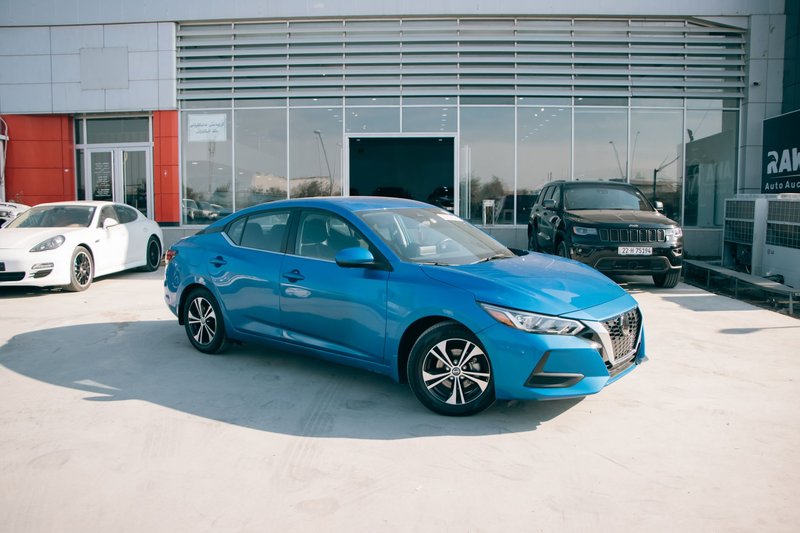
Here’s the whole 1996 U.S. range, with original base MSRP and where each one stands today.
| Model | Body style | Base MSRP (1996) | Today’s status |
|---|---|---|---|
| 300ZX | Sports coupe | ~$36,000 | Appreciating; Twin Turbo is blue-chip |
| 240SX | Sports coupe | ~$18,000 | Hot drift platform, prices climbing |
| Maxima | Sport sedan | ~$22,000 | Cheap, reliable, underrated |
| Altima | Midsize sedan | ~$15,000 | Pure used transport |
| Sentra | Compact sedan | ~$11,000 | Used transport, B14 tuner interest |
| 200SX | Compact coupe | ~$13,000 | Niche enthusiast interest |
| Pathfinder | Midsize SUV | ~$25,000 | Tough, sought by off-roaders |
| Truck (Hardbody) | Pickup, 4×2/4×4 | ~$11,000 | Mini-truck cult classic |
| Quest | Minivan | ~$22,000 | Disposable; no collector value |
The 1996 model year mattered for two of these in particular: the Pathfinder switched from body-on-frame to a unibody design, and the Truck was in its final years as the legendary Hardbody before the Frontier arrived. If you want the wider context, 1996 was just one chapter in a packed decade — the complete list of 1990s Nissan car models shows how this lineup fit into the brand’s broader run. Keep that in mind as you read on.
Sports Cars {#sports-cars}
Nissan 300ZX (Z32) {#300zx}
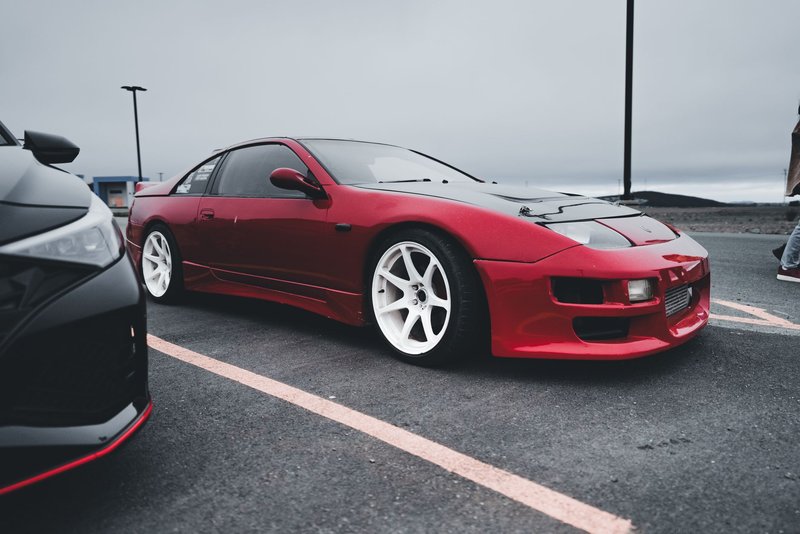
This is the one that made the 1996 Nissan lineup legendary. The Z32-generation 300ZX was, by ’96, a Japanese supercar fighting above its weight class. The base car ran a 3.0-liter naturally aspirated V6 making 222 horsepower. The one you actually want is the Twin Turbo, which used twin Garrett turbochargers to push output to 300 horsepower and 283 lb-ft of torque — enough for a sub-six-second 0–60 in a car that cost a fraction of the European competition.
What made it special wasn’t just power. It had four-wheel steering (Super HICAS) on Turbo models, a glass T-top option, and a body that still looks modern three decades later. The catch: the engine bay is famously cramped. Mechanics charge real money to do timing belts because half the job is taking the engine apart to reach anything.
1996 was near the end of the U.S. run — Nissan pulled the Z from the American market after 1996, and it didn’t return until the 350Z in 2003. That short tail is part of why clean Twin Turbos now trade well into the $30,000–$50,000 range, with pristine examples going higher. According to Hagerty’s valuation data, the Z32 has been one of the steadier-climbing Japanese performance cars of the last decade — and it routinely sits near the top of any roundup of the best 1990s sports cars for exactly that reason.
Nissan 240SX (S14) {#240sx}
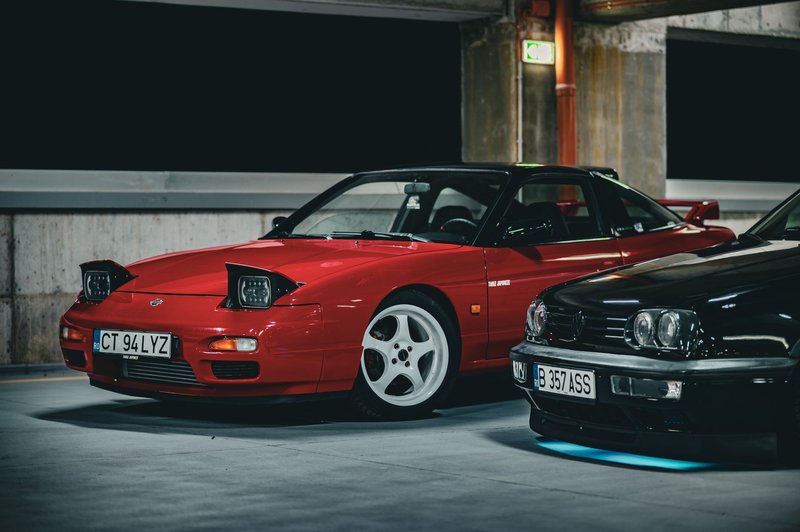
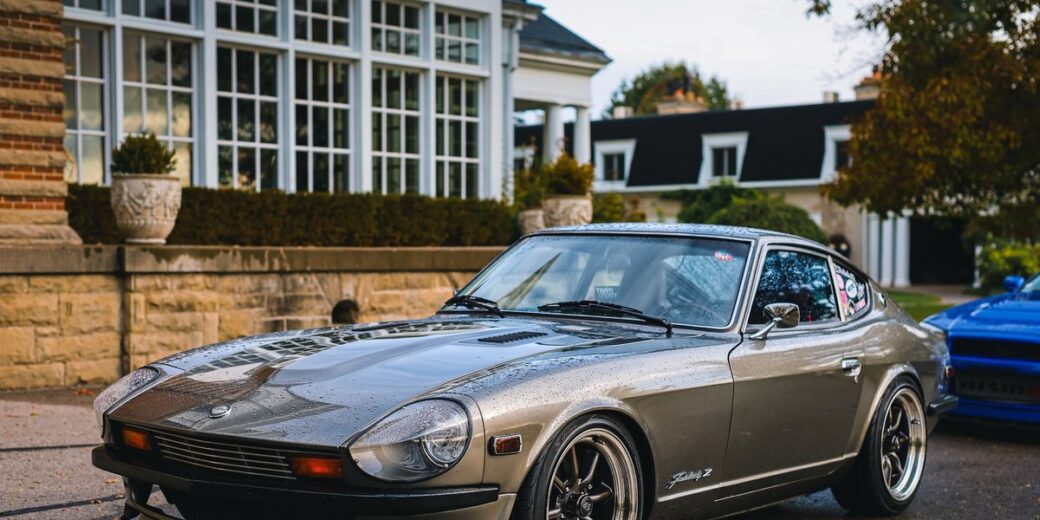
The 240SX is the people’s champion of ’96 Nissan. By this year it was the S14 generation — the rounder, wider “Kouki/Zenki” body. Under the hood was the KA24DE, a 2.4-liter naturally aspirated four-cylinder making 155 horsepower. On paper, modest. In practice, it didn’t matter, because the 240SX’s real gift was its chassis: rear-wheel drive, near-perfect balance, and a front subframe that happily accepts an SR20DET or a Nissan V6 swap.
That swap-friendliness turned the 240SX into the default entry-level drift car in North America, and it earned the S14 a permanent spot among the old JDM cars enthusiasts still hunt for. The KA24DE you’ll often find pulled out and sitting in a corner of someone’s garage, replaced by a turbo four. Finding a clean, unmolested, stock 240SX today is genuinely hard — most got drifted, crashed, or swapped. That scarcity has pushed prices up sharply. A rust-free, low-mile coupe that hasn’t been touched can now command well over its original ~$18,000 sticker.
Buying tip: rust in the rear quarters and the trunk floor is the silent killer. Check there before you check anything else.
Sedans & Coupes {#sedans}
Nissan Maxima (A32) {#maxima}
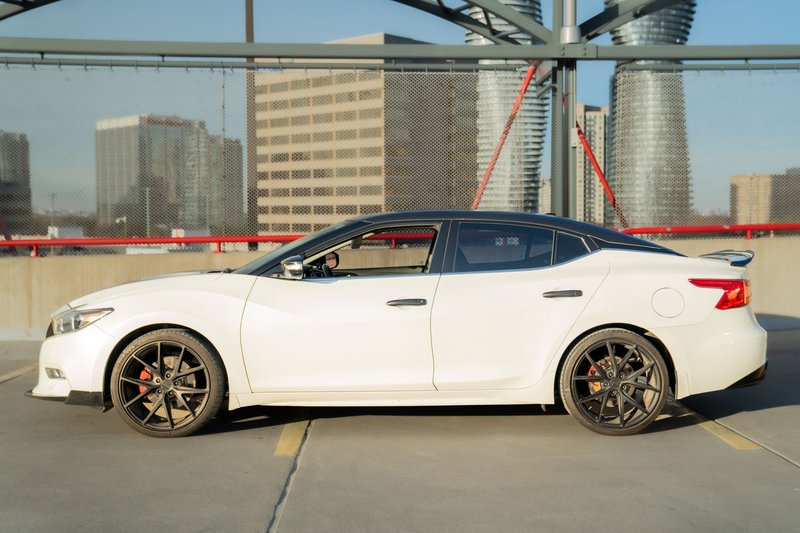
The 1996 Maxima was the third-generation A32, and it earned its “four-door sports car” nickname honestly. The VQ30DE 3.0-liter V6 put out 190 horsepower — a genuinely strong number for a midsize sedan in 1996 — and that VQ engine went on to win Ward’s 10 Best Engines awards for years running. It’s smooth, it revs willingly, and it’s nearly bulletproof.
The Maxima of this era is one of the great used-car bargains. It drives better than its Altima sibling, the V6 is more durable than most four-cylinders of the period, and nobody’s bidding them up, so they stay cheap. The SE trim with the five-speed manual is the enthusiast pick. If you want a 1990s Japanese sedan that’s quick, comfortable, and won’t strand you, this is it.
Nissan Altima (U13) {#altima}
The 1996 Altima was the first-generation U13, in its final model year before the redesign. It ran a 2.4-liter KA24DE four-cylinder — the same basic engine family as the 240SX — making 150 horsepower. The Altima was Nissan’s volume seller, the sensible commuter, and it was assembled in Smyrna, Tennessee, making it one of the more “American” cars in the lineup.
There’s no collector story here, and that’s fine. The 1996 Altima is honest, durable transportation. The KA24 engine routinely sees 200,000-plus miles with basic maintenance. If you find one cheap with service records, it’s a perfectly reasonable beater. Just don’t expect anyone to ever call it desirable.
Nissan Sentra & 200SX (B14) {#sentra}
The Sentra was Nissan’s compact economy car, built on the B14 platform. The base GA16DE 1.6-liter made around 115 horsepower; the SE-R trim bumped that with a 2.0-liter SR20DE good for 140 horsepower and a real appetite for revs. The 200SX was essentially the two-door coupe version of the same car, sharing platforms and drivetrains.
The SE-R is the one enthusiasts remember. It was light, the SR20 was a tuner favorite, and it delivered hot-hatch fun without the price. Standard Sentras were just cheap, reliable A-to-B cars. The 200SX SE-R has a small but devoted following, and a clean one is getting hard to find — most got driven into the ground.
SUVs & Trucks {#suvs-trucks}
Nissan Pathfinder (R50) {#pathfinder}
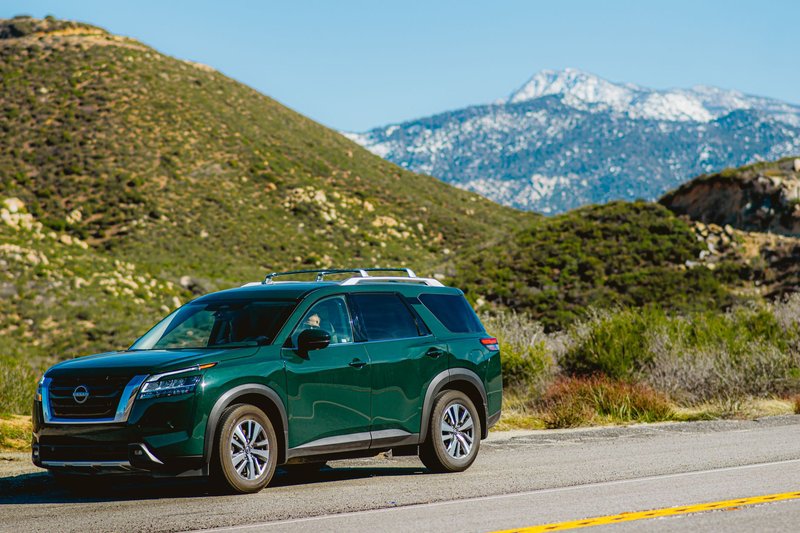
1996 was a transition year for the Pathfinder. The second-generation R50 arrived for this model year, switching from the old truck-based body-on-frame design to a more car-like unibody construction. It ran the VG33E 3.3-liter V6 making 168 horsepower, paired with available four-wheel drive.
The R50 made the Pathfinder more comfortable on-road without killing its off-road ability, and it sold well because of it. Today the appeal is durability and capability: these are tough, simple SUVs that off-roaders and overlanders still seek out for builds. They’re not valuable in a collector sense, but a clean 4×4 example with a manual transmission has a real following and holds its price better than you’d expect.
Nissan Truck / Hardbody (D21) {#truck}
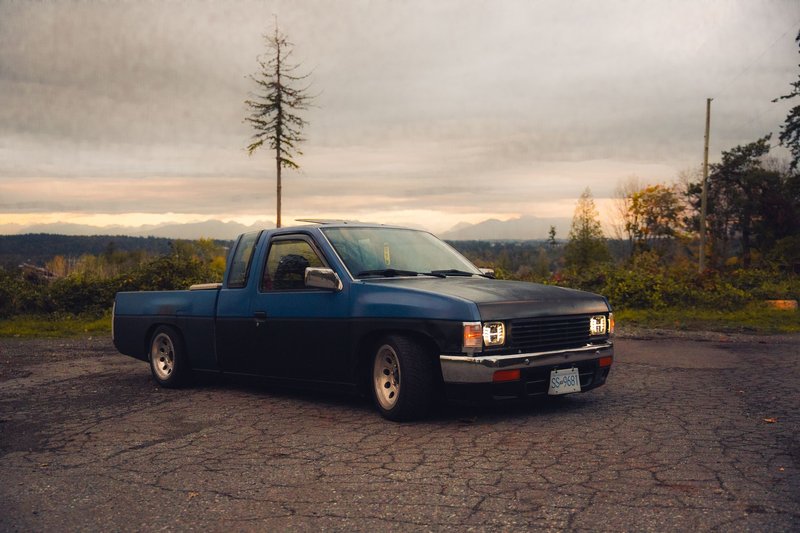
The 1996 Nissan Truck was the Hardbody (D21), available in 4×2 and 4×4, with regular and King Cab configurations. Power came from either a 2.4-liter four-cylinder (around 134 hp) or the 3.0-liter V6. The “Hardbody” nickname came from its double-wall bed and squared-off, muscular sheet metal — and it stuck.
This is the cult classic of the bunch. The Hardbody is a darling of the mini-truck scene, the overlanding crowd, and anyone who wants a small, indestructible 1990s pickup. 1996 was among its last years before the Frontier replaced it, and clean 4×4 King Cabs have become genuinely collectible. A rust-free V6 4×4 can sell for several times its original ~$11,000 sticker today. As with the 240SX, rust is the enemy — check the bed corners and rocker panels first.
Minivan {#minivan}
Nissan Quest (V40) {#quest}
The 1996 Quest was the family hauler, and it has a quirky origin: it was co-developed with Ford and is mechanically a twin of the Mercury Villager. Both were built in Ohio and shared the same 3.0-liter Nissan VG30E V6, making 151 horsepower. The Quest seated seven and competed against the Caravan and Windstar.
There’s no collector angle here, and there never will be. The Quest was a competent, comfortable minivan that did its job for a decade and then got recycled. It’s on this list because it’s part of the complete 1996 Nissan picture — but if you’re shopping for one as anything other than cheap people-moving, you’ve taken a wrong turn.
Which 1996 Nissans Are Worth Buying Now {#worth-buying}
Strip away the commuters and minivans, and the 1996 lineup leaves you with a clear hierarchy for anyone shopping today:
- Blue-chip: The 300ZX Twin Turbo. It’s a Japanese icon with a finite supply, and clean ones only go up. Buy the best you can afford and budget for maintenance — a cheap one will cost you more in the long run.
- The smart buy: The 240SX (S14) and the Hardbody 4×4. Both are climbing fast, both have huge enthusiast communities, and both are still findable if you move soon. Unmolested examples are the goal.
- The bargain: The Maxima SE five-speed. All the VQ-engine joy of the era for a fraction of Z money, and nobody’s competing with you for them yet.
- The honest beater: Altima, Sentra, Quest. Reliable, cheap, zero pretension. Perfect if you need wheels, not an investment.
The thread running through the desirable ones is scarcity plus rear-wheel-drive fun. Nissan built genuinely good performance cars in 1996, then the survivors got thinned out by drifting, rust, and time. That’s exactly the recipe that turns a $15,000 car into a $40,000 one. If a 300ZX Twin Turbo, a stock S14, or a clean Hardbody 4×4 crosses your path at a fair price, don’t overthink it.

Tyler Bridges
More from Tyler BridgesHow we reviewed this article
This article was researched against manufacturer records and editorially reviewed before publishing. We accept no payment for coverage.