If you’re trying to pin down the 1994 Nissan car models, the answer is eight U.S. nameplates: Sentra, 240SX, 300ZX, Altima, Maxima, Pathfinder, Quest and the D21 pickup. Only the Sentra SE-R, 240SX and 300ZX were built for fun. The rest were built to get people to work, haul kids and carry drywall, and a surprising number of them did it for 250,000 miles.
This lineup sat at a hinge point for Nissan. The Altima was in its second year as the Stanza’s replacement. The Quest was a Ford joint venture. The 240SX and Maxima were both a year away from full redesigns. Below you’ll find each model with its engine, trims, and what it’s like to own one three decades later.
- The 1994 Nissan lineup at a glance
- Sedans and coupes: Sentra, Altima, Maxima
- Sports cars: 240SX and 300ZX
- Trucks, SUVs and minivans: Pathfinder, Quest, D21
- Japan-only and non-U.S. Nissans from 1994
- Which 1994 Nissan is worth buying now
The 1994 Nissan lineup at a glance
| Model | Type | Engine | Power | Notable fact |
|---|---|---|---|---|
| Sentra | Compact coupe/sedan | 1.6L or 2.0L four | 110-140 hp | SE-R is the cult favorite |
| Altima | Mid-size sedan | 2.4L four | 150 hp | Second year, built in Tennessee |
| Maxima | Sport sedan | 3.0L V6 | 160 hp | Final year of the third generation |
| 240SX | Rear-drive coupe | 2.4L four | 155 hp | Last year of the S13 body |
| 300ZX | Sports car | 3.0L V6 / twin-turbo V6 | 222 / 300 hp | Twin Turbo is the collector’s pick |
| Pathfinder | SUV | 3.0L V6 | 153 hp | Four-door, 2WD or 4WD |
| Quest | Minivan | 3.0L V6 | 151 hp | Twin of the Mercury Villager |
| D21 pickup | Compact truck | 2.4L four / 3.0L V6 | 134 / 153 hp | Built in Smyrna, Tennessee |
Power figures are the rated U.S. numbers for each model’s main engines. You can cross-check every 1994 Nissan against the government’s fueleconomy.gov database, which lists the full set of models and engines.
Sedans and coupes: Sentra, Altima, Maxima
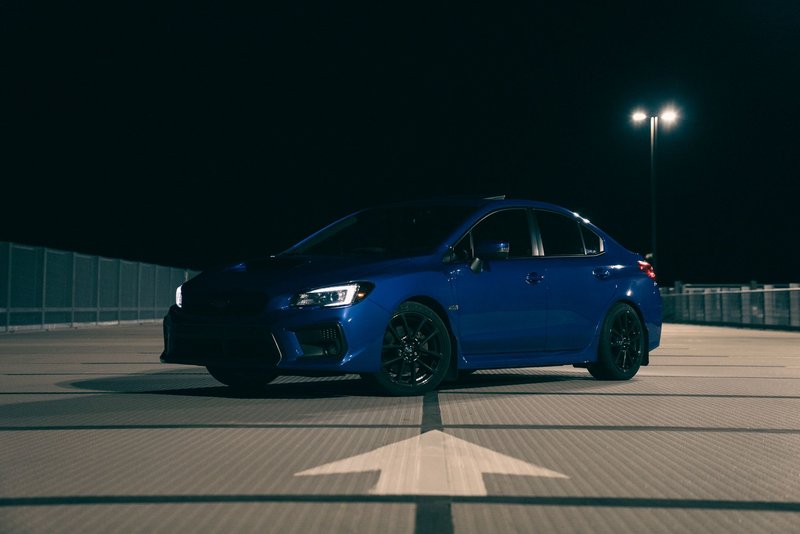
1994 Nissan Sentra
The B13 Sentra was the cheap, dull-looking one with a very good engine room. Trims ran E, XE, GXE, SE and SE-R, in two-door coupe and four-door sedan shapes. Most of them got a 1.6-liter four making roughly 110 hp, which was plenty for a car under 2,400 pounds.
The SE-R is the reason people still talk about this generation. It swapped in the 2.0-liter SR20DE, rated at 140 hp, paired with a five-speed manual. That engine would later turn up in everything from Infiniti G20s to drift cars. A clean, unmodified SE-R is rare now because so many were driven hard and modded badly.
What to know today: Check for rust at the rear wheel arches and for tired motor mounts. Base Sentras are dirt cheap and easy to fix, but they’re mostly worn-out commuters. SE-Rs with stock paint and a documented history are the ones worth paying up for.
1994 Nissan Altima
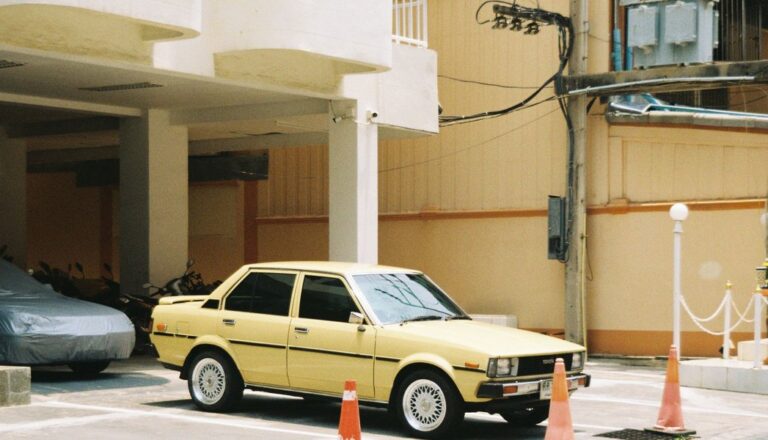
Nissan retired the Stanza after 1992, and the Altima arrived for 1993 to replace it. By 1994 it was in its second model year, a four-door only sedan built in Smyrna, Tennessee, not in Japan. Trims were XE, GXE, SE and GLE, all running the 2.4-liter KA24DE four with 150 hp.
It was never trying to be exciting. Its pitch was a roomy cabin, a smooth engine and a price that undercut the Camry and Accord. The SE added a sport suspension and a rear spoiler, and that’s about as spicy as it got.
What to know today: The KA24DE is durable but leaks oil at the valve cover and timing chain cover as it ages. Interiors fade and crack. These cars are cheap and sort of forgotten, which makes a low-mileage GXE one of the better bargains in the whole lineup.
1994 Nissan Maxima
The third-generation Maxima (1989 to 1994) was in its last model year, with a redesign arriving for 1995. It came in two trims: the comfortable GXE and the sportier SE. Both used the 3.0-liter VG30E V6 rated at 160 hp. The SE paired it with a five-speed manual option, firmer suspension and a spoiler, which fit Nissan’s “four-door sports car” marketing. For the cars that arrived that year, see the 25 cars that defined 1995.
Of all the sedans here, this was the one that felt like a real driver’s car. The V6 pulled hard through the midrange and the chassis stayed composed on back roads. Imported from Japan, it carried a price that sat above the Altima’s.
What to know today: Stay on top of timing belt replacement, since the VG30E is an interference-type design. Check the climate control and power window motors, which are common failures on cars this old. A manual SE in good shape is the one to hunt for.
Sports cars: 240SX and 300ZX
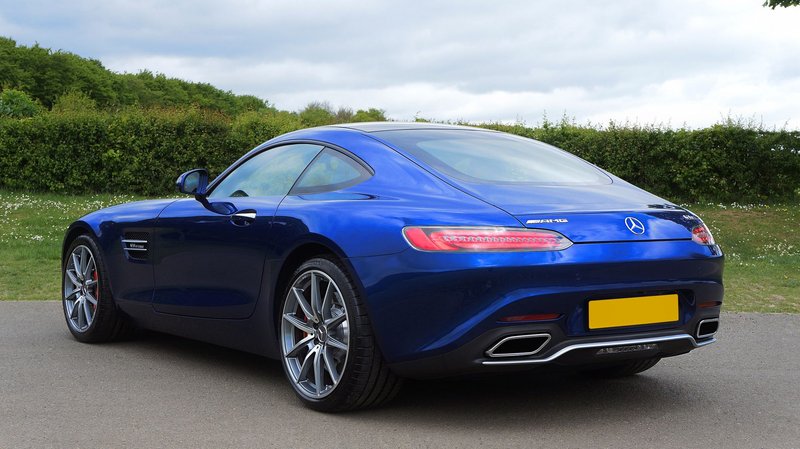
1994 Nissan 240SX
The S13-based 240SX was the lightweight rear-drive coupe that would eventually become the drift scene’s default car. Nissan sold it as a coupe and a convertible in 1994, in base, SE and LE trims depending on the body style. All of them used the 2.4-liter KA24DE four, rated at 155 hp and 160 lb-ft of torque, in front of either a five-speed manual or a four-speed automatic.
A redesigned S14 arrived for 1995, so 1994 is the last year of the original shape. That makes it the last chance to buy the original U.S. 240SX, and the car’s simple mechanicals are one reason it has stayed a favorite.
What to know today: The 240SX has paid a steep price for its popularity. Many are bent, rusted or run on a stack of mismatched parts, and drift use ruined plenty of good ones. Look for unmodified paint, an intact interior and a clean title. Convertibles are less sought-after and often the cheaper way into a straight one.
1994 Nissan 300ZX
The Z32 was the most advanced car Nissan sold in America. It came as a two-seat coupe or a 2+2, with T-tops available, and a convertible was added in 1993. The base car used a naturally aspirated 3.0-liter V6, the VG30DE, making 222 hp. The Twin Turbo model, using the VG30DETT, made 300 hp and 283 lb-ft of torque, and could get to 60 mph in under six seconds.
Both versions drew praise for the car’s wide stance, four-wheel steering on the Twin Turbo and technical sophistication. That sophistication is also what makes it expensive to keep alive now. By 1994 the Z32 was in its fifth model year and nearing the end of its U.S. run, which ended after 1996. For how the Z32 stacked up against the other sports cars of its decade and what they sell for now, see the best 1990s sports cars.
What to know today: The Twin Turbo is a collector car and priced like one. Cracked vacuum lines, leaking T-top seals and worn-out suspension bushings are the standard checklist, and the engine bay is so tightly packed that even basic service takes longer than it should. The naturally aspirated car is the smarter budget entry, and it still looks the part.
Trucks, SUVs and minivans: Pathfinder, Quest, D21
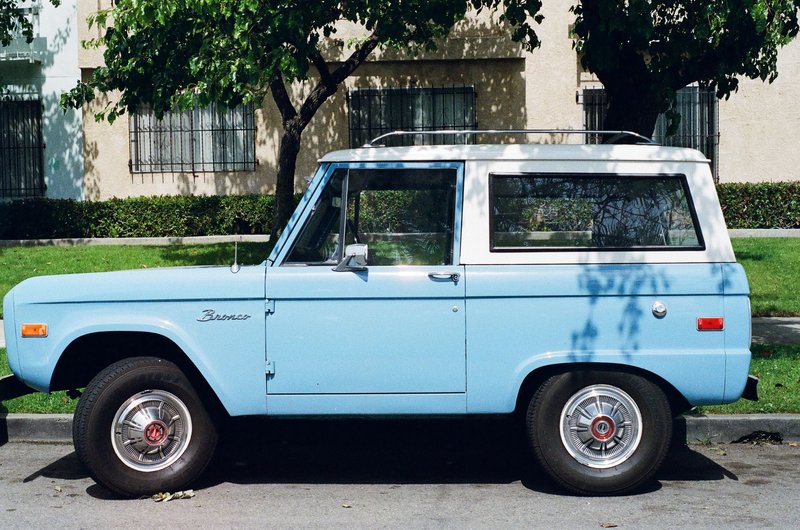
1994 Nissan Pathfinder
The Pathfinder (internal code WD21) was a truck-based four-door SUV, sold in XE, SE and LE trims with two- or four-wheel drive. Power came from the 3.0-liter VG30E V6 at 153 hp, the same engine family used in the Maxima, Quest and V6 pickup. Buyers could pick a five-speed manual or a four-speed automatic.
It was built on the D21 pickup platform, which shows in the ride and the body-on-frame build. That is also why the Pathfinder holds up better as an off-roader than the crossovers that replaced it.
What to know today: Frame rust is the main killer, especially in salt states, so look underneath before anything else. Exhaust manifold cracks and timing belt age are the engine items to check. A clean 4×4 SE or LE has real appeal for people who want an analog SUV.
1994 Nissan Quest
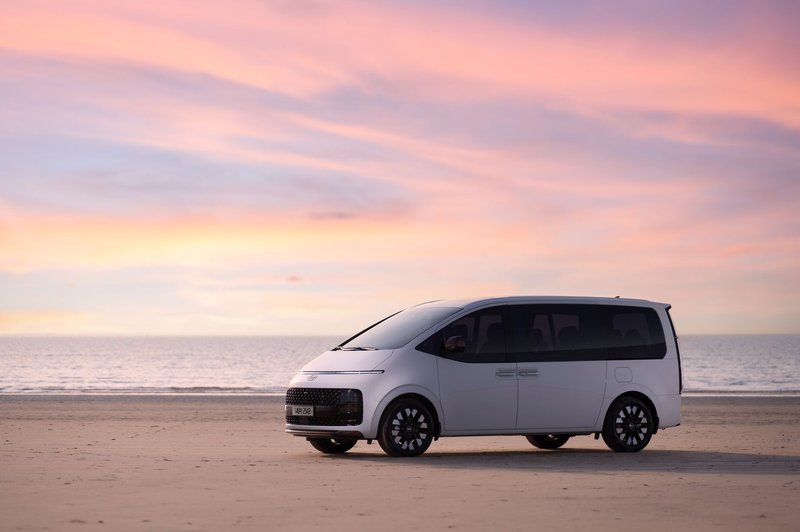
The Quest was the product of a Nissan and Ford joint venture. It was built in Avon Lake, Ohio, and sold as the Mercury Villager everywhere Ford dealers were found. Both used the 3.0-liter VG30E V6, rated at 151 hp in this application, driving the front wheels through a four-speed automatic. Trims were XE and GXE.
Nissan’s pitch was that it drove more like a car than a typical minivan, and reviewers at the time agreed. The cabin was a conventional layout with a sliding side door, not much different from a Plymouth Voyager, though quieter on the road.
What to know today: Most survivors have long since been scrapped. Those that remain tend to be low-mileage garage cars. Check the rubber seals, the air conditioning and the automatic transmission fluid history. It’s an honest, forgotten kind of vehicle, which has its own appeal.
1994 Nissan D21 pickup
Known as the Hardbody, the D21 was Nissan’s compact truck, built in Smyrna, Tennessee. Buyers chose between the 2.4-liter four (134 hp) and the 3.0-liter V6 (153 hp), in regular cab and King Cab body styles, with two- or four-wheel drive. Trim levels ran from the base truck to XE and SE.
The truck sold on straightforward toughness. It had a simple interior, a steel bed and an engine that rarely demanded attention. Four-cylinder trucks with a five-speed are particularly easy to live with.
What to know today: Bed and frame rust are the major concerns. Clean examples with a manual transmission have gained a following and have been climbing in price. They can still be good value compared with the 4×4 trucks of the same era from other makers.
Japan-only and non-U.S. Nissans from 1994
The U.S. list above is not all that Nissan built in 1994. A few cars never made it across, and they get mixed into search results for the year:
- Skyline GT-R (R32): The 2.6-liter twin-turbo, all-wheel-drive Skyline was sold in Japan and in a few other markets. The R32 generation ended in late 1994, with the R33 following in 1995. It was never sold new in the U.S.
- Primera (P10): A European and Japanese mid-size car that competed with the Ford Mondeo and Volkswagen Passat. It shares nothing with the American Altima.
- Silvia (S14): Introduced in Japan in late 1993, this was the Japanese-market sibling of the 240SX, with a turbocharged engine.
If you see one of these in a 1994 listing in the U.S., it’s likely to be a gray-market import, and registration rules vary by state.
Which 1994 Nissan is worth buying now
You can sort the lineup by what you want from it. For how the rest of the market looked in 1994, see the best cars of 1994, by category.
- Best investment: 300ZX Twin Turbo. Values have climbed as Z32s have aged into classic territory, and clean cars are scarce.
- Best driver’s car for the money: Sentra SE-R. A light body, a high-revving engine and a five-speed make it a very fun commuter.
- Best daily driver: Maxima SE or Altima GXE. Both are comfortable, and the VG30E and KA24DE engines are known for lasting.
- Best for nostalgia: 240SX. If you can find an unmodified one, you’re buying one of the last of the original S13s.
- Best utility: Pathfinder 4×4 or a D21 with the manual. Rust is the only real enemy.
Whatever you choose, run a recall check on NHTSA’s website with the VIN before you buy. Older recalls were not always completed, and some involved safety components like seat belts and brake parts.
The 1994 Nissan car models were a mixed bag in the best sense: a few legends, a lot of competent workhorses, and a Nissan-Ford minivan that deserved more fans than it got. Few of these cars are expensive to buy, and most are cheap to keep running. That is a rare thing for any 30-year-old lineup.

Marco Delantero
More from Marco DelanteroHow we reviewed this article
This article was researched against manufacturer records and editorially reviewed before publishing. We accept no payment for coverage. Some guides contain affiliate links; see our affiliate disclosure.