1994 was the year the McLaren F1 went into production, the Ferrari F355 was unveiled, the Dodge Ram grew a big-rig face, and Toyota started selling the RAV4 in Japan. It was also the last stretch before the 1990s got safer, heavier and a lot more digital. Cars from this model year are old enough to be classics and young enough to drive every day.
This guide covers the 1994 car models worth knowing, grouped by what they are rather than ranked, across US, European and Japanese makers. Each entry has the engine, the context, and what to look at if you’re shopping for one now.
Contents
- Quick-reference table
- Supercars and exotics
- Sports cars and muscle
- Japanese sports cars
- Sedans and wagons
- SUVs and trucks
- Family cars everyone owned
- 1994 debuts and replacements
- Buying a 1994 car today
- FAQ
Quick-reference table
Prices are rough US figures. Current values depend heavily on condition, mileage and market, so treat the ranges as a starting point.
| Model | Body | Engine | Original price | Current value |
|---|---|---|---|---|
| McLaren F1 | Coupe | 6.1L BMW V12, 618 hp | About £540,000 | $20M+ |
| Ferrari 512 M | Coupe | 4.9L flat-12, about 440 PS | About $200,000 | $450K-$700K |
| Ferrari F355 | Coupe/Spider | 3.5L V8, 375 hp | About $110,000 | $90K-$150K |
| Porsche 911 (993) | Coupe | 3.6L flat-6, 270 hp | About $63,000 | $70K-$150K |
| Audi RS 2 Avant | Wagon | 2.2L turbo I5, 315 PS | Not sold in the US | $70K-$130K |
| Dodge Viper RT/10 | Roadster | 8.0L V10, 400 hp | About $55,000 | $45K-$75K |
| Toyota Supra Turbo | Coupe | 3.0L twin-turbo I6, 320 hp | About $40,000 | $70K-$130K |
| Acura NSX | Coupe | 3.0L V6 VTEC, 270 hp | About $65,000 | $70K-$120K |
| Mazda RX-7 | Coupe | 1.3L twin-turbo rotary, 255 hp | About $40,000 | $35K-$70K |
| Nissan Skyline GT-R (R32) | Coupe | 2.6L twin-turbo I6, 276 PS | Not sold new in the US | $40K-$100K |
| Mazda MX-5 Miata | Roadster | 1.8L I4, 128 hp | About $19,000 | $5K-$15K |
| Ford Mustang GT | Coupe | 5.0L V8, 215 hp | About $18,000 | $8K-$20K |
| Chevrolet Impala SS | Sedan | 5.7L V8, 260 hp | About $22,000 | $15K-$35K |
| BMW 540i | Sedan | 4.0L V8, 282 hp | About $45,000 | $8K-$20K |
| Jeep Grand Cherokee | SUV | 4.0L I6, 190 hp | About $25,000 | $4K-$12K |
| Ford F-150 | Truck | 4.9L I6 / 5.0L / 5.8L V8 | About $15,000-$22,000 | $5K-$15K |
| Toyota Camry | Sedan | 2.2L I4 / 3.0L V6, 188 hp | About $18,000-$25,000 | $2K-$6K |
| Honda Accord | Sedan | 2.2L I4 | About $16,000-$22,000 | $2K-$6K |
Supercars and exotics
McLaren F1. Production began in 1994, and it’s still the reference point for what a road car can be. Gordon Murray’s design used a BMW-built 6.1-liter V12 making 618 hp, a central driving position with a passenger on each side, and a gold-lined engine bay. A car from this program hit 240 mph in 1998 and held the production-car record for years. Values now sit well past $20 million. You don’t shop for one; you wait for an auction.
Ferrari F355. Unveiled in 1994, the F355 swapped the 348’s awkward handling for a 3.5-liter V8 with five valves per cylinder, 375 hp and an 8,250 rpm redline. It sounds better than almost anything built since. The cost of entry is the belt service: the engine-out cambelt job is a major bill, and a car without paperwork for it is a project. Gated six-speed manuals command a clear premium over the F1 paddle-shift cars, whose hydraulic pumps and actuators are the usual failure points.
Ferrari 512 M. The last evolution of the Testarossa line, with a 4.9-liter flat-12 and fixed headlights replacing the pop-ups. Ferrari built 501. It was the end of an era, being the final mid-engine flat-12 Ferrari road car, and prices reflect that.
Sports cars and muscle
Porsche 911 (993). Launched in early 1994 as a 1995 model, the 993 was the last air-cooled 911. The 3.6-liter flat-six made around 270 hp, and the new multi-link rear suspension fixed the old car’s snap-oversteer reputation. Prices for clean Carreras have climbed steadily; Turbos and Carrera S models sit far above the numbers in the table. Check for oil leaks around the engine’s lower end and for rust where the front fenders meet the body.
Dodge Viper RT/10. An 8.0-liter V10, 400 hp, no traction control, no ABS, no exterior door handles on earlier cars. The Viper is raw in a way almost nothing sold today is. It’s also one of the few 1994 supercar-adjacent cars you can still buy for less than a new compact crossover.
Ford Mustang GT. The 1994 model was a ground-up redesign (internally SN-95), the first new Mustang platform since 1979. The GT kept the 5.0-liter pushrod V8 at 215 hp. It’s cheap, parts are everywhere, and aftermarket support is endless. Find one that hasn’t been abused: these were popular cars to modify badly.
Chevrolet Impala SS. Take a Caprice wagon-derived chassis, drop in the Corvette-derived LT1 5.7-liter V8 at 260 hp, add a black paint job and 17-inch wheels. The result is a rear-drive, body-on-frame sedan that was built for three years and has gotten more desirable each year since. The Impala SS became one of Chevrolet’s defining performance cars of the 1990s, and original, unmodified cars with documented history are the ones that hold value.
Japanese sports cars
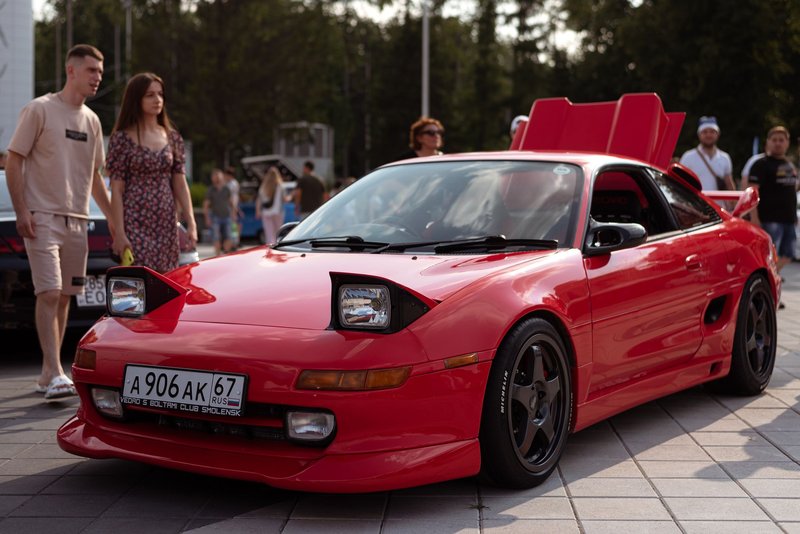
Japan’s bubble-era engineering was still working its way through production in 1994, and the cars from this period are among the most sought-after on the used market.
Toyota Supra Turbo (A80). The 2JZ-GTE twin-turbo inline-six made 320 hp in US trim, and the block handles far more boost than Toyota ever asked of it. That durability is why clean examples now cost more than most new sports cars. Look for cars that haven’t been tuned hard; the unmodified ones are rare, and the market pays for them.
Acura NSX. The all-aluminum mid-engine NSX used a 3.0-liter VTEC V6 at 270 hp and was tuned with input from Ayrton Senna. It was a supercar’s layout with a Honda’s reliability. Aluminum body repairs are expensive, so a clean accident history matters more here than mileage.
Mazda RX-7 (FD). A 1.3-liter twin-turbo rotary making 255 hp in a car that weighs about 2,800 pounds. The FD is gorgeous and fragile in equal measure: apex seals, cooling and heat management decide whether one is a good car or a bad one. Buy on maintenance history, and budget for a rebuild.
Nissan Skyline GT-R (R32). The R32 generation ended in 1994, replaced by the R33 in early 1995. The 2.6-liter twin-turbo RB26DETT carried the Japanese “280 PS” figure, widely understood to be conservative, and all-wheel drive with rear-biased torque split. It was never sold new in the US. It’s now legal to import, which brings us to the 25-year rule (more on that below).
Mazda MX-5 Miata. The 1994 model got a 1.8-liter engine with 128 hp, up from 1.6 liters in earlier cars. It’s the cheapest way to own a genuinely good-handling 1994 sports car, and the NA generation is a favorite for budget track days.
Mitsubishi 3000GT VR-4 / Dodge Stealth R/T Turbo. Twin-turbo V6, all-wheel drive, four-wheel steering and about 300 hp. They’re complicated, and some of that complexity gets expensive to repair, but they offer a lot of car for the money.
Sedans and wagons
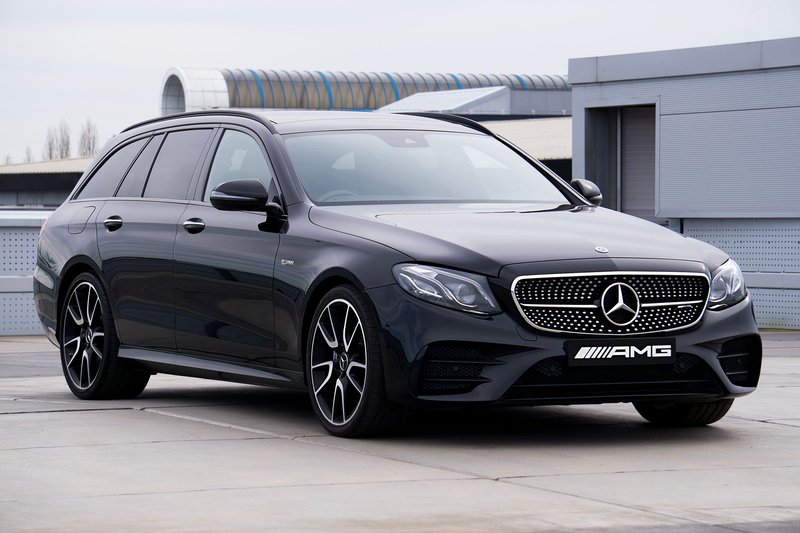
Audi RS 2 Avant. Porsche built these. The RS 2 was assembled at Zuffenhausen with a 2.2-liter turbocharged five-cylinder making 315 PS, Porsche brakes and wheels, and a 0-60 mph time around 5 seconds. It established the fast-wagon template that every later RS Avant follows. It was never sold in the US, which makes it a rare import candidate; the market has noticed and prices have risen well beyond what the car originally cost.
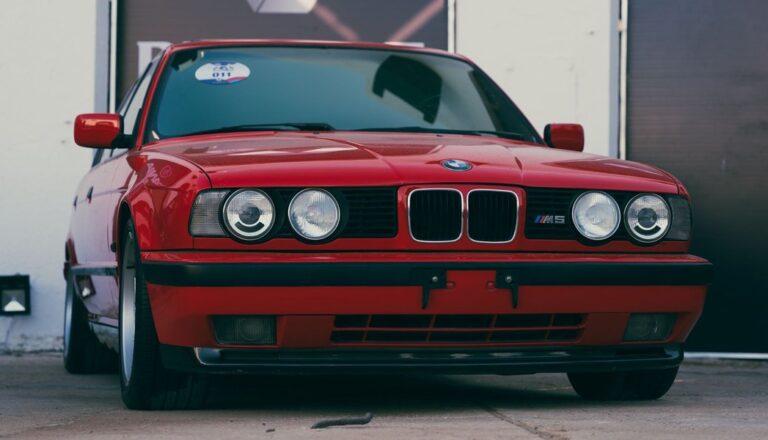
BMW 540i. The 1994 540i brought BMW’s first V8 in a 5 Series since the 1970s era, a 4.0-liter making 282 hp. A six-speed manual became available soon after. They’re a sleeper bargain: the E34 is old-school BMW before the weight crept up. Watch for cooling-system parts, oil leaks and aging suspension bushings.
BMW 7 Series (E38). Launched in 1994, the E38 was the big BMW of the late 1990s. It’s an elegant sedan that has become a cheap way into long-wheelbase luxury, but electrical and air-suspension issues can make a bargain price deceptive.
SUVs and trucks
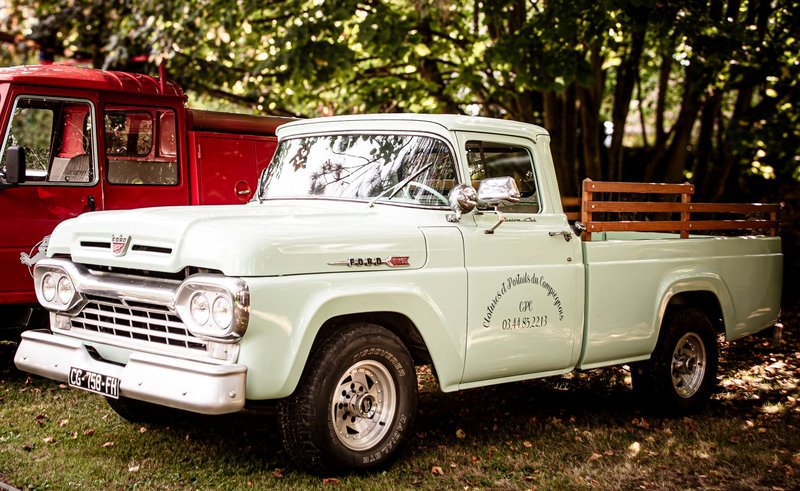
Ford F-150. Ford has sold the best-selling truck in America since 1977, and 1994 sat in the middle of the ninth-generation run. The 4.9-liter inline-six is nearly unkillable, the 5.0 and 5.8 V8s are easy to work on, and clean regular-cab trucks are climbing in value. Rust at the cab corners and rocker panels is the usual enemy.
Dodge Ram. The 1994 Ram was a clean-sheet redesign with a big-rig front end that rewrote how trucks looked. The 5.9-liter Cummins turbodiesel was available in heavy-duty models, and the 8.0-liter Magnum V10 arrived in the 2500 and 3500 in 1994. It forced Ford and Chevy to respond.
Jeep Grand Cherokee (ZJ). The 4.0-liter inline-six at 190 hp is a legend for durability, and the 5.2-liter V8 added more power. The ZJ is a capable, boxy, cheap SUV that has a following among off-road builders. Check for rust in the rear quarter panels and for cooling-system maintenance.
Family cars everyone owned
Most of the 1994 cars on the road were not exotic, and they matter for what they say about the era.
Toyota Camry (XV10). Available with a 2.2-liter four or a 3.0-liter V6 at 188 hp. The Camry earned its reputation in this generation: quiet, roomy and reliable. Many are still running, and a V6 with a documented timing-belt history is a better used car than it has any right to be.
Honda Accord. The fifth-generation Accord arrived for the 1994 model year with a 2.2-liter four. It competed with the Camry and Ford Taurus for the title of America’s most popular car throughout the early 1990s. Finding an unmolested one is the challenge now.
Ford Taurus and Taurus SHO. The Taurus was a sales champion, and the SHO variant had a 3.2-liter Yamaha-built V6 at 220 hp with a manual gearbox, the sleeper of the Taurus lineup. The standard car is a fixture of every used-lot memory; the SHO is the one collectors look for.
Honda Civic. The 1994 Civic (fifth generation) is one of the great small cars. The Si had a 1.6-liter VTEC four at 125 hp; clean ones are rare because they were heavily modified and often stolen. Unmodified examples are what to chase.
1994 debuts and replacements
Several cars arrived in 1994 that reshaped their segments:
- Toyota RAV4. Launched in Japan in 1994 as a small, car-based SUV. The US didn’t get it until 1996. It started the compact crossover segment that now dominates new-car sales.
- Audi A4. The A4 replaced the Audi 80 in late 1994 (the B5 generation). It also brought the A4 name that is still in the lineup.
- Ferrari F355. Replaced the 348 with far better dynamics.
- Ferrari 512 M. The end of the Testarossa line.
- Audi RS 2 Avant. The first RS-badged Audi, and a Porsche collaboration.
- BMW 7 Series (E38). New flagship sedan.
- Ford Mustang (SN-95). First all-new Mustang platform in 15 years.
- Dodge Ram. A new look for American trucks.
Buying a 1994 car today
These cars are 32 years old, so the questions that matter are different from those for a newer used car.
Rubber and plastic age faster than metal. Hoses, bushings, seals and wiring insulation are the first things to fail on a 1994 car. Assume a reconditioning budget.
Rust is the main killer. Look under carpets, inside rocker panels and around suspension mounts, especially on any car that spent time in a snow state.
Documentation beats mileage. A car with 120,000 miles and a full service history is a better bet than one with 40,000 and nothing on file.
Check the 25-year rule if the car is a foreign-market model. The National Highway Traffic Safety Administration exempts vehicles at least 25 years old from federal safety-standard compliance, which is why cars like the R32 GT-R and the RS 2 Avant are now legal to bring into the US. All 1994 models have been eligible since 2019. EPA and state emissions rules still apply, and the process differs by state.
Fuel economy on these cars is poor by modern standards. You can look up the original EPA ratings for any 1994 model on fueleconomy.gov to see what you’re signing up for.
FAQ
What was the best-selling car in 1994? In the US, the Ford Taurus, Honda Accord and Toyota Camry were the leading passenger cars, and the Ford F-Series was the best-selling vehicle overall.
What are the most valuable 1994 cars? The McLaren F1 is in a class of its own. After it, the Ferrari 512 M, the Toyota Supra Turbo and the Porsche 993 are the cars with the strongest values.
Which 1994 cars are cheap and worth buying? The Mazda MX-5, the BMW 540i, the Ford Mustang GT, the Jeep Grand Cherokee and the Ford F-150 all offer a lot of character for little money.
Can I import a 1994 car into the US? Yes. All 1994 models are past the 25-year threshold, so cars not originally sold in the US, like the Nissan Skyline GT-R R32, can be imported, subject to emissions and state registration rules.
Are 1994 cars reliable? Mainstream Japanese models like the Camry, Accord and Civic have a strong record. European and exotic cars need more maintenance, and the cost of deferred servicing is the main risk.

Daniela Voss
More from Daniela VossHow we reviewed this article
This article was researched against manufacturer records and editorially reviewed before publishing. We accept no payment for coverage. Some guides contain affiliate links; see our affiliate disclosure.