Every “best cars of 2016” list you’ll find was written in 2016. The writers had a week with each car, a press-fleet odometer and no idea what a transmission would do at 120,000 miles. A decade later, we know. Some of the cars the critics loved turned out to be money pits, and a few boring ones turned out to be the smartest purchases of the decade.
This list keeps the 2016 critic consensus (Car and Driver, MotorTrend, Consumer Reports) and adds the ten years of hindsight. Ten categories, one winner and one runner-up each, with the specs that mattered at launch, a rough used-market range, and what to check before you hand over cash.
TLDR
- Best overall: the Honda Civic. A redesigned, better car in every way than the one it replaced, and it’s still cheap to own.
- Most reliable pick: the Toyota Camry, Toyota Sienna or Lexus RX 350. Consumer Reports’ 2016 category winners were dominated by Japanese brands, and Fortune’s summary of that list reads almost the same as a used-car reliability ranking today.
- Best for enthusiasts: the Porsche Cayman GT4 if money is no object, the Mazda MX-5 Miata if it is.
- Biggest warning: early Tesla Model S touchscreen computers, Honda’s 9-speed automatic on higher-trim Odysseys, and the 8-speed automatic in the Camaro SS.
- Used prices below are rough 2026 ranges. Mileage, trim and region move them a lot, so treat them as a sanity check, not a quote.
Quick-pick table
| Category | Winner | Runner-up | Rough used price |
|---|---|---|---|
| Compact car | Honda Civic | Mazda3 | $9,000-$15,000 |
| Midsize sedan | Toyota Camry | Honda Accord | $9,000-$15,000 |
| Compact SUV | Subaru Forester | Mazda CX-5 | $10,000-$15,000 |
| Three-row SUV | Mazda CX-9 | Toyota Highlander | $12,000-$20,000 |
| Pickup truck | Ford F-150 | Toyota Tacoma | $16,000-$30,000 |
| Minivan | Toyota Sienna | Honda Odyssey | $11,000-$17,000 |
| Luxury | BMW 340i | Lexus RX 350 | $14,000-$23,000 |
| Hybrid / EV | Toyota Prius | Tesla Model S | $9,000-$28,000 |
| Sports car | Porsche Cayman GT4 | Mazda MX-5 Miata | $14,000-$120,000+ |
| Muscle car | Chevrolet Camaro SS | Ford Mustang Shelby GT350 | $26,000-$60,000 |
Table of contents
- Best overall: the Honda Civic
- The best cars of 2016, category by category
- Compact car
- Midsize sedan
- Compact SUV
- Three-row SUV
- Pickup truck
- Minivan
- Luxury
- Hybrid and electric
- Sports car
- Muscle car
- Best used 2016 cars by budget
- Before you buy any of them
Best overall: the Honda Civic
The tenth-generation Civic arrived for 2016 and swept the awards: North American Car of the Year, and a spot on nearly every critic’s shortlist. It was bigger inside, quieter, lower and wider, with a hatchback and coupe following. The sedan started around $19,000.
Two engines: a naturally aspirated 2.0-liter with 158 hp, and a 1.5-liter turbo with 174 hp that returned up to 42 mpg on the highway. The turbo is the one to want. It makes its torque low in the rev range, so the car feels quicker than the numbers suggest.
Ten years in, the Civic has two known complaints. Some 2016 to 2018 cars developed leaking air-conditioning condensers, and the 1.5 turbo has had oil dilution reports in cold climates. Neither makes it a bad buy, but both are worth asking about. Everything else about the car is why it takes the overall pick: fuel costs are low, parts are everywhere, and nothing about it is exotic.
The best cars of 2016, category by category
Compact car
Winner: Honda Civic. See above. For a second slot, the best specification is the 1.5 turbo with a manual or CVT, depending on how you drive.
Runner-up: Mazda3. The Mazda3 gets a 2.0-liter with 155 hp or a 2.5-liter with 184 hp, and starts around $18,000. It drives better than the Civic: the steering is more direct and the chassis is more playful. The interior also looks like it belongs in a car costing $10,000 more. Highway mpg reaches 40 for the 2.0.
Used note: reliability is good, not Toyota-level. Test the Mazda Connect infotainment screen and control knob, because that’s where owners complain. The base engine feels slow at highway speeds, so try the 2.5 if you can find one.
Midsize sedan
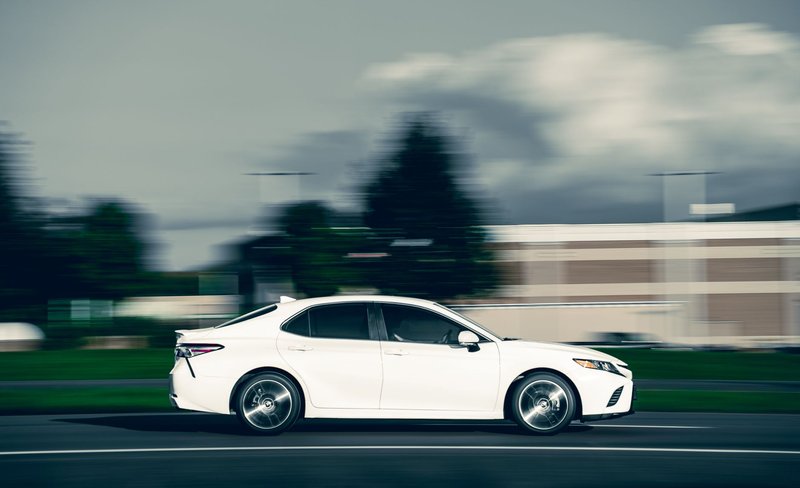
Winner: Toyota Camry. The 2016 Camry isn’t exciting, and nobody who buys it pretends otherwise. The 2.5-liter four makes 178 hp, returns around 35 mpg on the highway and starts around $23,000. A V6 with 268 hp is available if you want some speed without moving up a price bracket. The four-cylinder uses a timing chain, so there’s no belt service waiting at 100,000 miles.
Used note: there’s very little to warn you about, and that’s the point. Look for service records and a clean accident history. That’s the whole checklist.
Runner-up: Honda Accord. The 2016 refresh added Honda Sensing safety tech and a better infotainment screen. The 2.4-liter four makes 185 hp, and you could still get a six-speed manual in the Sport trim. It’s more fun to drive than the Camry and nearly as dependable. Starting price was around $22,000.
Used note: skip the V6 unless you’ve confirmed the plugs and oil consumption history. Its cylinder deactivation system has a reputation for fouling plugs. The four-cylinder doesn’t have that problem.
Compact SUV
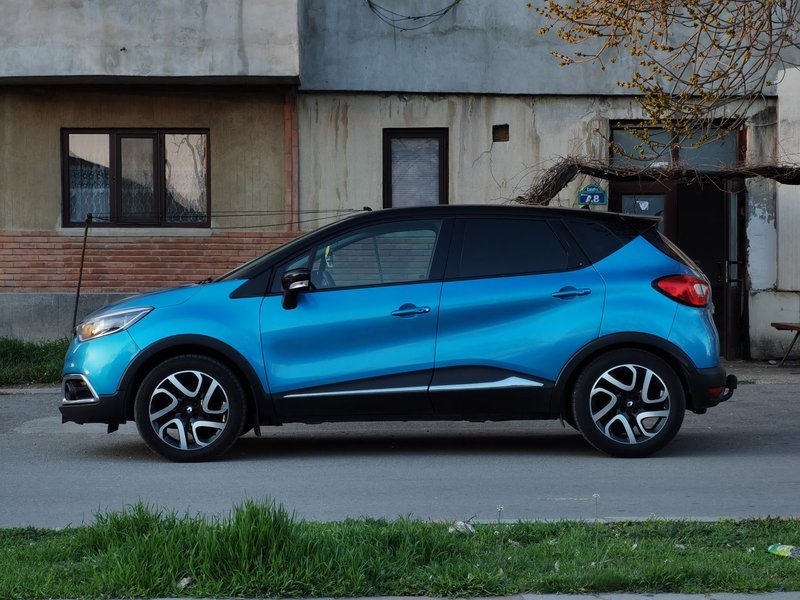
Winner: Subaru Forester. Standard all-wheel drive, 8.7 inches of ground clearance and an upright body with big windows. The 2.5-liter makes 170 hp and returns high-20s mpg combined. It starts around $22,000. If you want more speed, the turbocharged Forester 2.0XT makes 250 hp. Consumer Reports liked the Forester enough to make it a category winner in 2016, and owners in snowy states still treat it like the default answer.
Used note: ask for CVT service records. Subaru’s CVT is dependable when the fluid is changed on schedule and unforgiving when it isn’t. Rust on cars from road-salt states is also worth a look underneath.
Runner-up: Mazda CX-5. The 2.5-liter makes 184 hp, and the CX-5 handles like a hatchback with a taller seat. It starts around $22,000 and gets high-20s mpg. Rear seat room is smaller than the Forester’s, and road noise is higher. The Honda CR-V and Toyota RAV4 (which added a hybrid for 2016) are good alternatives, but neither drives as well.
Used note: another Mazda Connect car, so test the screen and the knob. Otherwise it has a good track record.
Three-row SUV
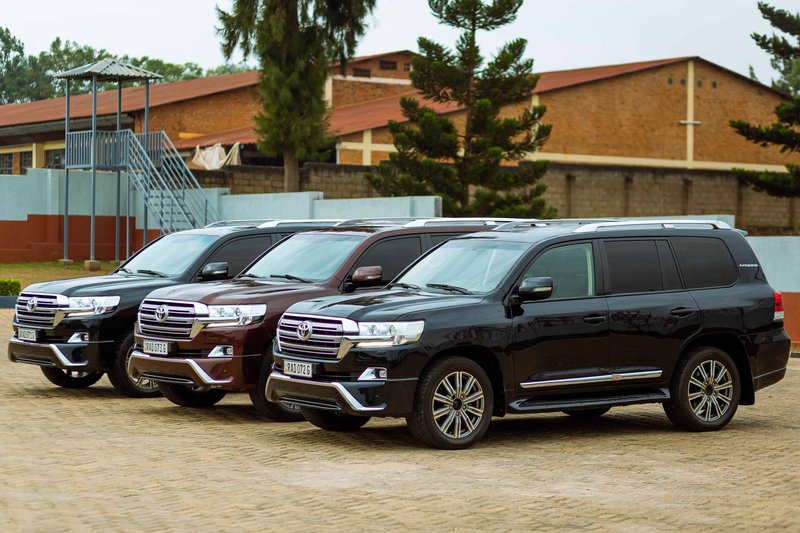
Winner: Mazda CX-9. The 2016 CX-9 was an all-new design. It dropped the old V6 for a 2.5-liter turbocharged four with 227 hp and 310 lb-ft of torque, paired with a six-speed automatic. It starts around $31,520, and it drives better than anything in the class, with steering that doesn’t feel like it’s attached to a minivan.
Used note: it’s the first model year of a new generation, so run the VIN for open recalls. The third row is for kids, as it is in most rivals.
Runner-up: Toyota Highlander. The 3.5-liter V6 makes 270 hp. It’s not as sharp as the Mazda, but it’s roomier, and the V6 is one of the most durable engines Toyota has built. It starts around $30,000 with the base four-cylinder.
Used note: low-mileage Highlanders hold their value, so shop around and don’t assume the cheapest example is the best one.
Pickup truck
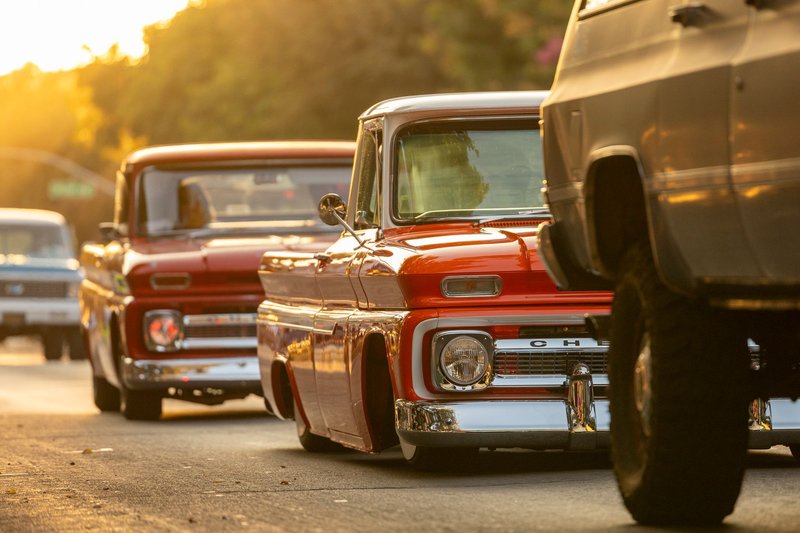
Winner: Ford F-150. The 2016 F-150 was the second year of the aluminum-body truck, and Ford had worked out the early launch glitches. The engine range is wide: a 2.7-liter EcoBoost V6 with 325 hp, a 3.5-liter EcoBoost with 365 hp and a 5.0-liter V8 with 385 hp. Pricing started in the mid-$20,000s. It’s the most popular truck in America for a reason: there’s an F-150 for almost any job.
Used note: for the best mix of power and reliability, look for the 5.0 V8 or the 2.7 EcoBoost. Aluminum body repairs cost more than steel, so a collision-damaged truck is harder to fix well. Have a shop check it for panel gaps and paint mismatch.
Runner-up: Toyota Tacoma. The Tacoma was redesigned for 2016, with a 3.5-liter V6 making 278 hp and a smaller 2.7-liter four-cylinder. It’s a midsize truck, so you give up towing and bed size. In return you get a resale value that’s among the best in the segment. It starts around $24,000.
Used note: owners have reported hesitant shifting from the V6’s six-speed automatic. Test-drive it in stop-and-go traffic and on hills.
Minivan
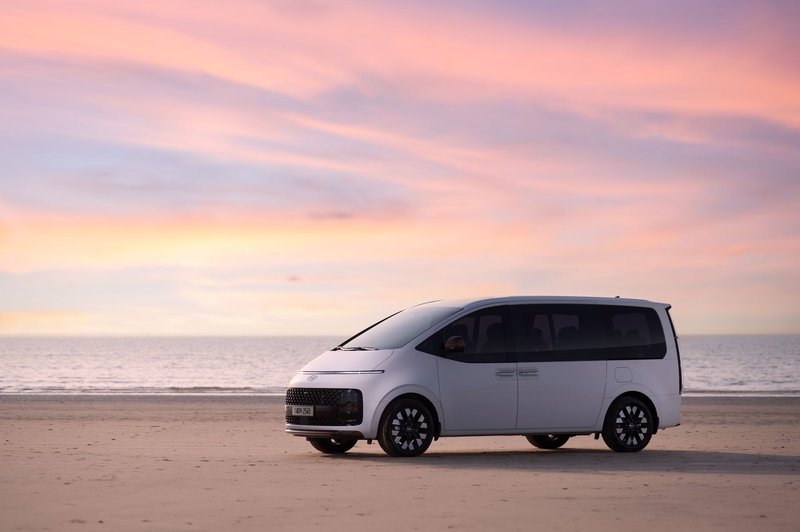
Winner: Toyota Sienna. The Sienna is the only minivan sold in the US with available all-wheel drive, and it has a 266 hp 3.5-liter V6. It’s not as sharp-looking or as spacious as an Odyssey, but families in snowy states bought them in volume, and Consumer Reports regularly rated it near the top for reliability. It starts around $29,000.
Used note: the Sienna’s fuel economy is mediocre (18 mpg city for the V6). The AWD models cost more to buy used and are worth it if you need them.
Runner-up: Honda Odyssey. The Odyssey has the better interior, a 248 hp V6 and a driving feel closer to a large sedan. It starts around $29,000. Reviews at the time were stronger than for the Sienna.
Used note: Touring and Elite trims have a nine-speed automatic that has drawn shifting complaints, while lower trims have a six-speed. That’s the reason the Odyssey is runner-up. If you buy an EX-L, you avoid it.
Luxury
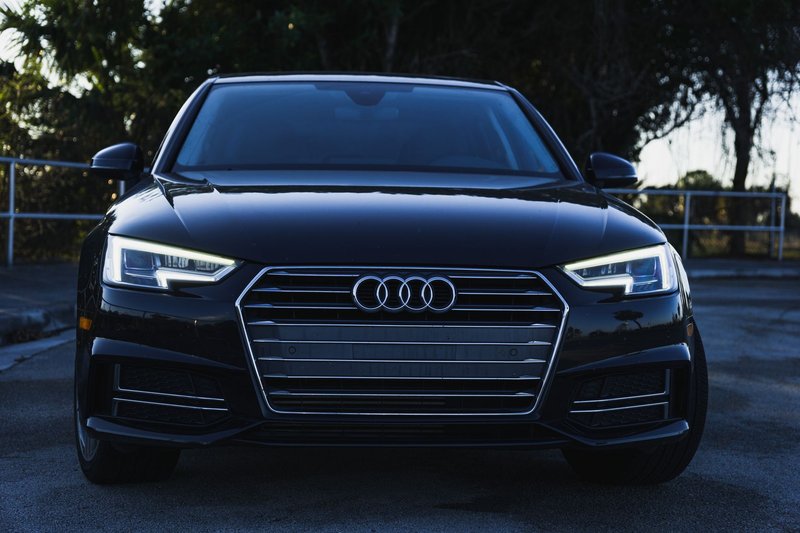
Winner: BMW 340i. The 2016 340i is the first BMW to use the B58, a 3.0-liter turbocharged inline-six with 320 hp and 330 lb-ft. It replaced the N55 and became one of the most reliable modern BMW engines. It starts around $45,000, with rear-wheel drive, an eight-speed ZF automatic or a six-speed manual, and 0-60 mph in under five seconds. For an overview of the full 2016 BMW lineup, check out this buyer’s guide.
Used note: it’s still a BMW. Valve cover and oil-filter-housing gaskets and plastic cooling components are the usual aging bills, so budget for them and get an independent inspection.
Runner-up: Lexus RX 350. The redesigned RX was Consumer Reports’ pick in the luxury SUV class, with a 3.5-liter V6 making 295 hp and an eight-speed automatic. It starts in the low $40,000s. It isn’t fun to drive, but it’s the most trouble-free luxury vehicle on the list.
Used note: the polarizing touchpad controller takes getting used to. Try it before you buy.
Hybrid and electric
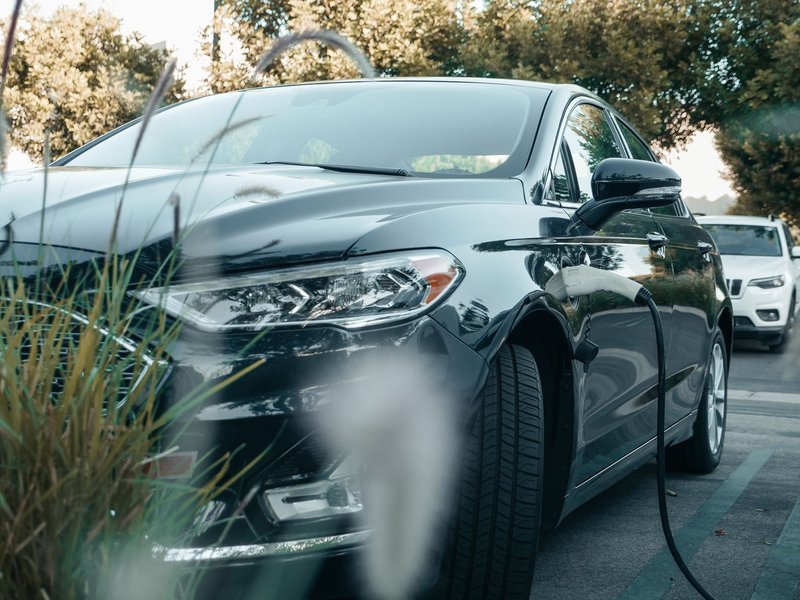
Winner: Toyota Prius. The fourth-generation Prius launched for 2016 with a new platform, better handling and 52 mpg combined (56 for the Two Eco). Starting price was around $24,000. The Prius isn’t pretty, but it is cheap to run and almost impossible to kill. The Two Eco trim has a lithium-ion battery; the other trims use nickel-metal hydride.
Used note: the hybrid battery warranty has expired, so a failed pack is now your bill. That’s typically a few thousand dollars, and replacements are less common than people assume. Ask for the dealer’s hybrid health check.
Runner-up: Tesla Model S. The 2016 Model S came in 60 kWh through 90 kWh versions, with up to 294 miles of range on the 90D, and the P90D hit 60 mph in 2.8 seconds with Ludicrous mode. Prices ranged from the mid-$60,000s to well over $100,000. Nothing else on this list was as fast or as far ahead of its time. See the full 2016 Tesla model lineup and specifications in this guide.
Used note: this is where hindsight matters. The original touchscreen computer’s flash memory wears out, a failure that led to a recall. The eight-year, unlimited-mile battery and drive unit warranty is now expired for 2016 cars, so you’re buying the battery as it is. Ask for a range test and a battery report.
Sports car
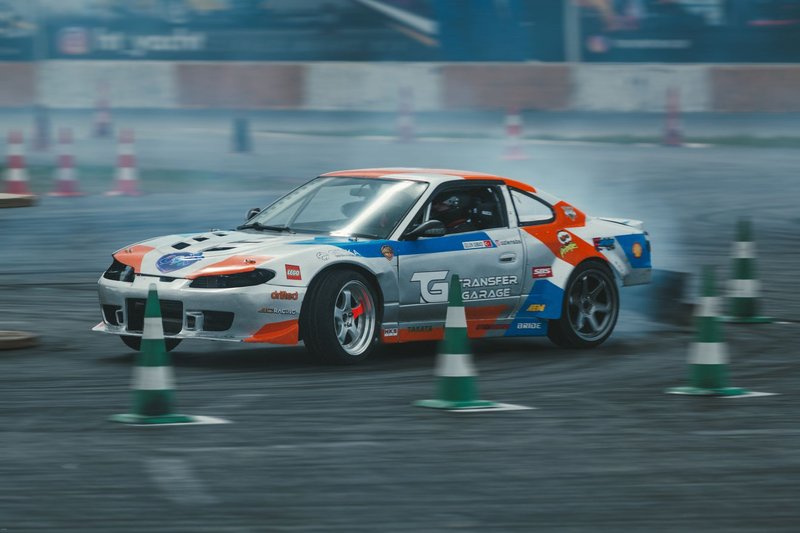
Winner: Porsche Cayman GT4. A 3.8-liter flat-six borrowed from the 911 Carrera S, detuned to 385 hp, mounted behind the driver in a Cayman shell and connected only to a six-speed manual. Porsche sold it for around $85,000. It’s the car the Cayman always should have been, and the engine sound at 7,000 rpm is the best argument for buying a gas car in 2026.
Used note: prices have stayed above the original sticker for most of the last decade. Check the service history and look for track use. Low mileage matters, but a well-maintained GT4 with 30,000 miles is a better car than a neglected one with 8,000.
Runner-up: Mazda MX-5 Miata. The fourth-generation “ND” Miata weighed about 2,300 lb and made 155 hp from a 2.0-liter four, which sounds modest until you drive it. It won World Car of the Year in 2016, starts around $25,000 and is the best-value sports car on the list.
Used note: check the soft top for seam leaks and look for signs of track use. Prices are firm, and a clean manual car is easy to resell.
Muscle car
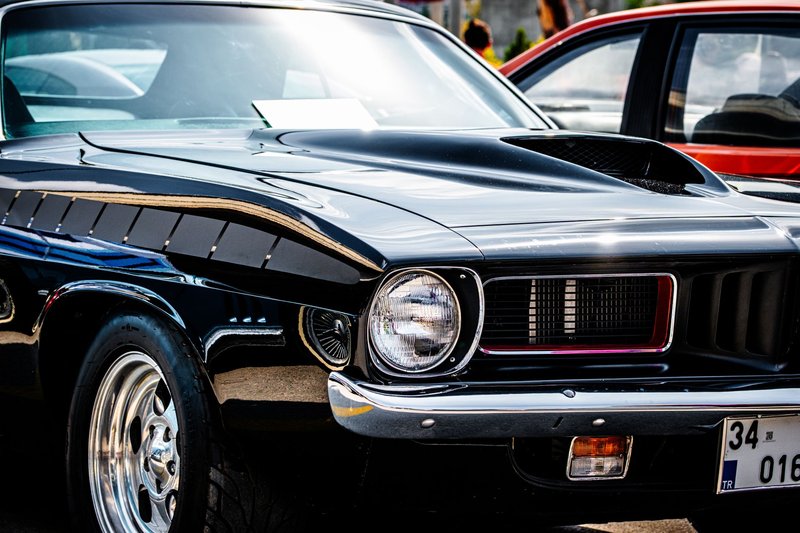
Winner: Chevrolet Camaro SS. The sixth-generation Camaro shed a lot of weight compared with its predecessor, and it showed. The SS has a 6.2-liter V8 making 455 hp and 455 lb-ft, a six-speed manual or eight-speed automatic, and a 0-60 time of around four seconds at roughly 3,700 lb. It starts around $37,000. Visibility is poor, thanks to the low roofline and small windows.
Used note: some eight-speed automatics from 2016 to 2018 have a known torque-converter shudder, and GM has a service bulletin for it. The manual avoids the problem.
Runner-up: Ford Mustang Shelby GT350. A 5.2-liter flat-plane-crank V8 with 526 hp, an 8,250 rpm redline and a manual-only gearbox, for about $50,000. It’s the more focused car and sounds like nothing else from Detroit. It’s the runner-up only because it’s less livable day to day. For raw numbers, the Dodge Challenger Hellcat made 707 hp from its supercharged V8.
Used note: values stayed high, and many GT350s were driven hard on track. Ask for records and inspect the brakes, tires and cooling system.
Best used 2016 cars by budget
Here’s the short version if you’re shopping with a number in mind. Prices are approximate.
Under $12,000: the Toyota Prius, Toyota Camry (four-cylinder) and Mazda3. These are cars you can drive until they stop mattering. Take a Camry with 120,000 miles and records over a Mazda3 with 80,000 and none.
$12,000 to $20,000: the Honda Civic with a 1.5 turbo, Subaru Forester, Mazda CX-5, Toyota Sienna, Mazda MX-5 Miata and a clean BMW 340i. The Miata is the fun pick, the Forester the practical one, and the 340i the one for people who can afford its maintenance.
$20,000 to $30,000: the Ford F-150 with the 5.0 or 2.7, a Toyota Tacoma, a Lexus RX 350 with low mileage, or a Tesla Model S if you’re comfortable with the battery question.
Over $30,000: the Camaro SS and the Mustang GT350 live here, and the Cayman GT4 lives well above it. These are cars you buy because you want to drive them.
Before you buy any of them
Three checks apply to every car on this list. Run the VIN through NHTSA’s recall lookup to see open recalls. Look up crash-test results at the Insurance Institute for Highway Safety, because 2016 safety standards are not today’s. And pay for an independent pre-purchase inspection, even on a Camry.
That’s the full picture of the best cars of 2016: the critics’ picks, checked against ten years of mileage. The winners are the ones that stayed good.

Marco Delantero
More from Marco DelanteroHow we reviewed this article
This article was researched against manufacturer records and editorially reviewed before publishing. We accept no payment for coverage. Some guides contain affiliate links; see our affiliate disclosure.