1995 doesn’t get the reverence it deserves. Car people talk endlessly about 1969 (Camaro Z28, Boss Mustang), 1987 (the Fox body, the Buick GNX), even 2003. But 1995 quietly delivered one of the most varied model years of the decade — a Ferrari that defined an era, a truck that’s still on sale today, and a whole crop of everyday sedans that your parents drove straight into the ground and somehow still ran.
Thirty years on, it’s worth actually looking at what was on the lot.
Table of Contents
Sports Cars & Exotics
1. Ferrari F50
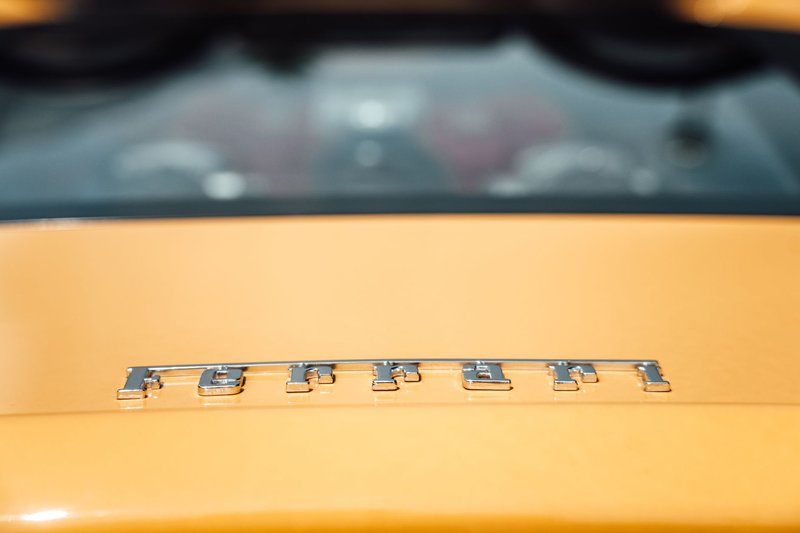
The F50 had a problem at launch: everyone compared it to the F40, and the F40 won. Which is unfair, because the F50 was doing something genuinely different. Ferrari took a Formula 1-derived V12 — 4.7 liters, 513 horsepower — and hung it directly in the chassis as a stressed member, the same philosophy as a race car. No power steering, no anti-lock brakes. The cabin was meant to feel like a cockpit.
Only 349 were built. Ferrari initially said it wouldn’t be appreciated in its time, and for once, that turned out to be true.
2. Dodge Viper RT/10
The Viper was already two model years old by 1995, but the car still felt raw in a way nothing else in production could touch. An 8.0-liter V10 making 400 horsepower, side pipes, no exterior door handles, no stability control, no airbags. Dodge sold you a car that would absolutely kill you if you weren’t paying attention, and that was considered a feature. It earned its place among the 1990s American sports cars that defined what domestic performance could look like.
3. Porsche 911 Carrera (993)
The last air-cooled 911. By 1995 the 993 had been out for a year, but its significance wasn’t clear until Porsche switched to water cooling with the 996. Then collectors looked back and recognized what had ended. The 993 remains one of the most sought-after 911 variants — not because it’s the fastest, but because it feels the most analog.
4. Acura NSX
Honda’s supercar was five years into its run by 1995 and still ahead of the curve. Aluminum monocoque chassis, a naturally aspirated V6 that revved past 8,000 rpm, and handling that Ayrton Senna reportedly helped develop during his time at McLaren Honda. The NSX proved a mid-engine exotic didn’t have to punish you every time you drove it.
5. Mazda RX-7
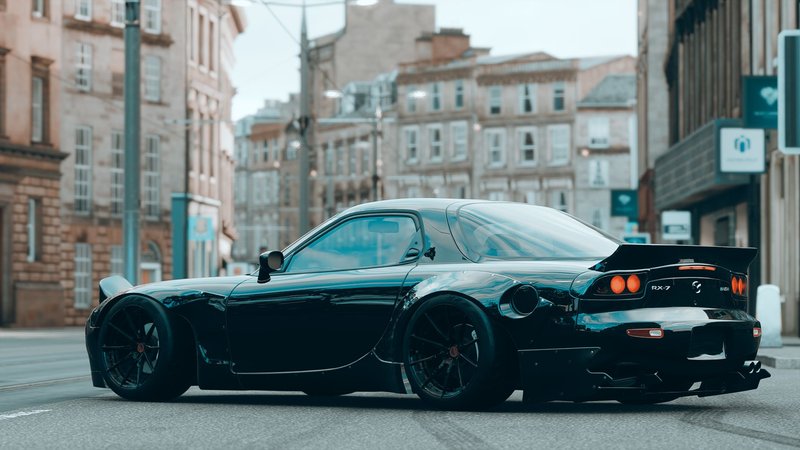
The FD RX-7 didn’t have a long run in the US — emissions and reliability concerns cut the American market loose after 1995. The twin-turbocharged rotary made 255 horsepower in a car that weighed under 2,800 pounds. It’s the last rotary sports car Mazda made until the MX-30 R-EV decades later, which is a completely different proposition.
Sedans & Coupes
6. Honda Civic (6th Generation)
The Civic that launched in 1995 was the one that cemented Honda’s reputation for making small cars that enthusiasts actually wanted. Clean styling, a tight chassis, and an engine lineup that topped out with the Si’s B16A2 — a 1.6-liter that made 125 horsepower without any forced induction. The VTEC crossover is something people still talk about with genuine affection.
7. Toyota Corolla (8th Generation)
More than 30 million Corollas had sold globally by 1995, and the eighth generation wasn’t trying to change that. It was the most refined Corolla to date — quieter, more comfortable, and more reliable than its predecessors. The AE102 wasn’t exciting, but it was the kind of car that gave “boring” a good name.
8. Ford Mustang GT
The SN95 Mustang had been out since 1994, but 1995 brought a cleaner visual refresh — the “Pony” package grille returned, and the GT got some much-needed updates. Ford’s 5.0-liter V8 was still making 215 horsepower, which put it squarely in the middle of the muscle car pack. The real story came the following year with the Cobra, but the GT held down the volume.
9. BMW 3 Series (E36)
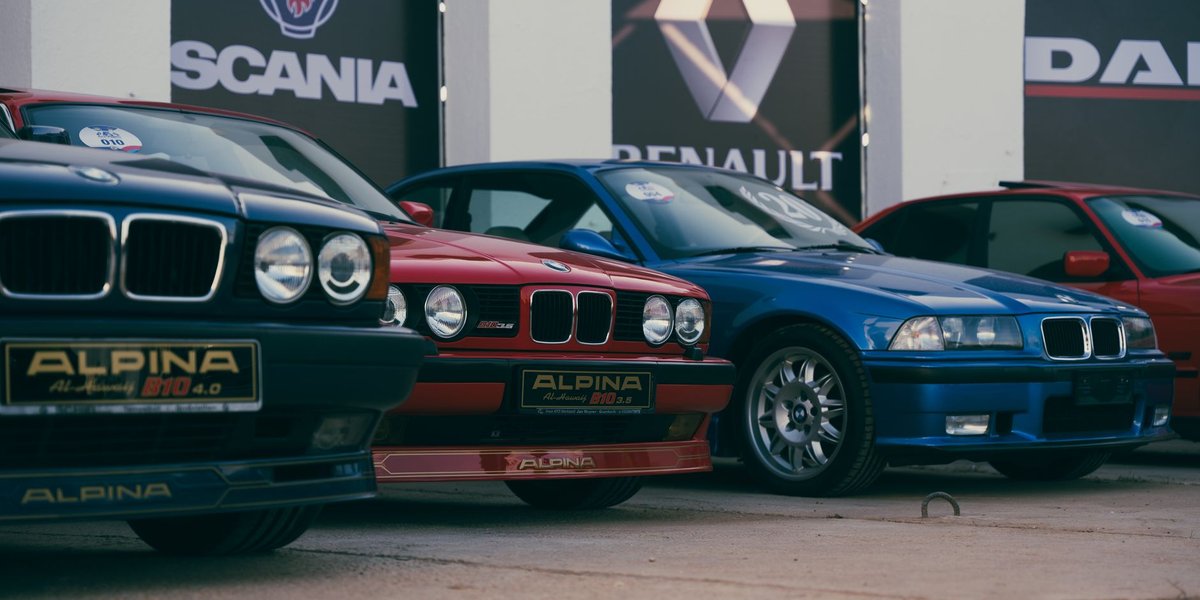
The E36 M3 was the headline, but the standard 3 Series was already one of the best-driving compact sedans on the market. The 328i’s inline-six was smooth enough that you’d rev it for fun, not just for speed. The E36 generation set the benchmark that every 3 Series since has been measured against — and most fall short on driver engagement.
10. Mitsubishi Eclipse GSX
All-wheel drive, a turbocharged 2.0-liter four-cylinder, 210 horsepower in a compact body. The Eclipse was the car a lot of enthusiasts bought when they couldn’t swing a 300ZX. The GSX in particular was quick enough to embarrass cars that cost twice as much, which made it a cult favorite for the import scene that was picking up speed.
11. Dodge Neon
The Neon was Chrysler’s attempt at a small car people might actually like — and it mostly worked. At launch, the 2.0-liter made 132 horsepower, which was strong for the segment. The SOHC version became a budget performance platform, and the Neon ACR (American Club Racer) turned into a legitimate track day weapon. Not bad for a car that started under $10,000. For a broader look at what Dodge was selling that year, the complete list of 1995 Dodge models covers the full range from the Viper down to the Neon.
Trucks & SUVs
12. Toyota Tacoma (1st Generation)
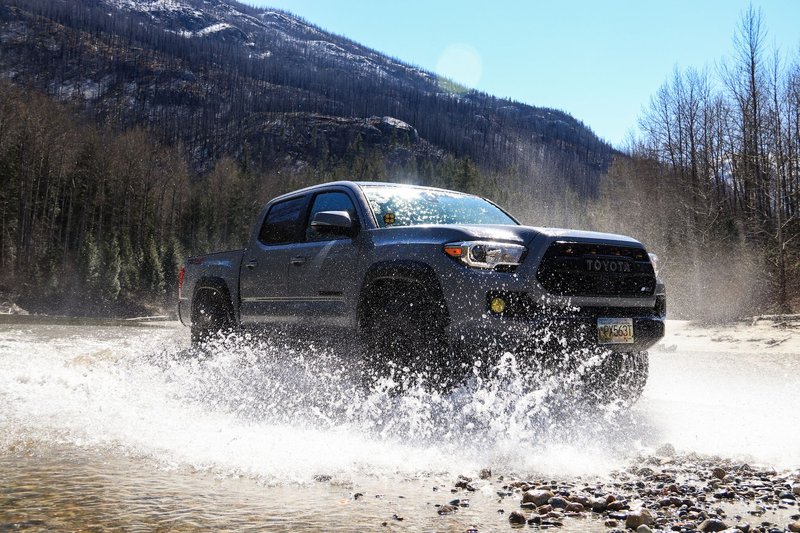
Toyota had been selling the Hilux/Pickup in America for years, but 1995 brought the Tacoma nameplate and a purpose-built redesign. The truck was engineered from the start for the North American market, with a focus on off-road capability that the old Pickup had dialed back as it got more civilized. That first-generation Tacoma became the reference point for reliability — there are examples from 1995 still in daily use.
13. Chevrolet Tahoe
The Tahoe name debuted in 1995, replacing the Blazer K1500. Full-size SUV, two-door or four-door, V8. Chevrolet was building a vehicle that would anchor its lineup for decades, and the Tahoe format — big, truck-based, family-capable — turned out to be exactly what American buyers wanted. The formula hasn’t changed in thirty years.
14. Ford Explorer (2nd Generation)
The Explorer was already the best-selling SUV in America when the second generation arrived. The 1995 update brought a stiffer frame and better refinement, but the Firestone tire controversy that would arrive later in the decade cast a shadow on the model’s legacy. Before that, it was simply the family SUV everyone bought.
15. Land Rover Defender 90
The Defender sold in the US in 1995 was essentially a lightly modernized Series III — a design that traced back to 1948. Coil springs instead of leafs, a proper interior, but the same bones. It was crude by the standards of everything else on this list, but it could go places none of those cars could follow. That’s still true today.
Luxury Cars
16. Mercedes-Benz E-Class (W210)
The W210 launched in 1995 and arrived with the oval headlights that were controversial at the time and beloved now. It was the most technologically advanced E-Class yet — the first to offer an electronic stability program as standard. Rust became a problem on early examples, but the W210 still represents a peak of Mercedes engineering from an era before cost-cutting dominated the brand.
17. Lexus LS 400 (2nd Generation)
Toyota’s luxury flagship got a major update in 1995. The second-generation LS 400 was quieter than its predecessor, smoother, and more feature-laden, while the 4.0-liter V8 output climbed to 260 horsepower. Consumer Reports consistently ranked it first in reliability among large luxury cars, which was doing real damage to Mercedes and BMW sales.
18. Cadillac DeVille
The DeVille was Cadillac’s core product, and the 1995 model represented the last of the front-wheel-drive generation before the brand’s long-overdue performance resurgence. The Northstar V8 made 200 horsepower and — when it worked — sounded genuinely good. The reliability issues that came later weren’t yet common knowledge, and the DeVille still sold to buyers who had been loyal to the badge for decades.
19. Lincoln Continental (8th Generation)
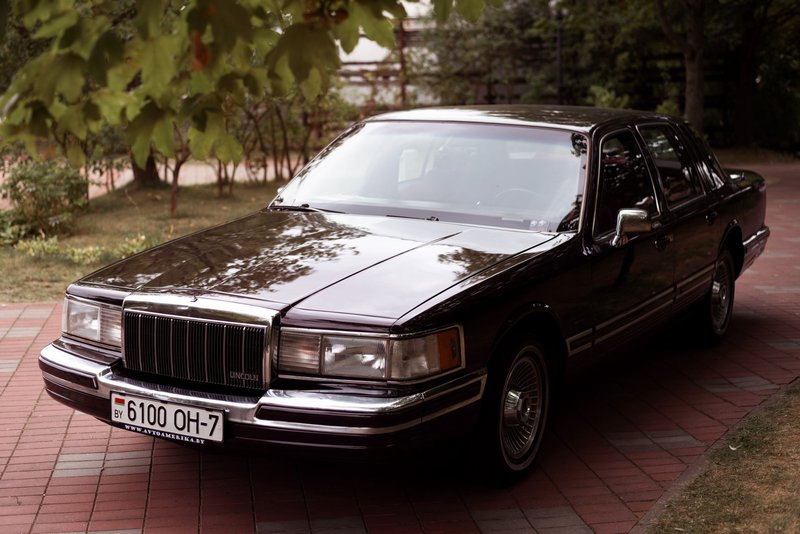
Lincoln’s flagship was redone for 1995 with a driver-selectable air suspension and a 4.6-liter V8 making 260 horsepower. It was smooth and quiet in a way that European luxury cars of the era weren’t, and Lincoln sold it hard as a domestic alternative to Mercedes. It didn’t beat Mercedes, but it held its own with buyers who preferred American engineering.
Forgotten But Worth Knowing
20. Chrysler Cirrus
Chrysler’s new cab-forward design language showed up on the Cirrus, which was meant to compete directly with the Accord and Camry. The V6 version was genuinely quick — 163 horsepower in a compact-ish body — and the interior space was impressive for the segment. Reliability undermined the long-term case, but as a new car in 1995, it made a real argument against the Japanese competition.
21. Dodge Stratus
The Stratus shared its platform with the Cirrus but wore Dodge badges. Bought in large numbers by rental companies, which cemented its reputation as a fleet car rather than a choice. Unfair — the Stratus had real merit. The ES trim with the 2.5-liter V6 was a proper driver’s sedan if you could get past the stigma of the beige Hertz lot.
22. Nissan 200SX
The 200SX was Nissan’s attempt to bring a sporty coupe to buyers who couldn’t reach the 240SX. The SE-R trim with the SR20DE engine made 140 horsepower from 2.0 liters, all-natural. It weighed about 2,400 pounds. That combination produced a car that drove far better than its price suggested, and it’s now appearing on enthusiast radar as values creep up on better-known Japanese compacts. Nissan had a strong lineup throughout the decade — the complete list of 1990s Nissan car models shows just how wide that range ran.
23. Saturn SC2
Saturn was only a few years old in 1995, and the SC2 coupe represented the performance end of the lineup. The 1.9-liter DOHC four-cylinder made 124 horsepower. Not a lot on paper, but the car was light, the manual gearbox was decent, and the plastic body panels didn’t rust. Saturn built a loyal following in those early years that the brand squandered by not evolving. The SC2 is a reminder of what it could have been.
24. Pontiac Firebird Formula
The Firebird Formula sat between the base V8 and the Trans Am in Pontiac’s lineup, and it’s the one that made the most financial sense. The LT1 V8 made 275 horsepower. The Formula skipped the Trans Am’s shaker hood and aero kit and just gave you the engine and a lower price. Values have moved on these as the F-body generation finally gets collector attention, and the Formula specifically was overlooked for years.
25. Volkswagen Cabrio
The Cabrio was based on the Golf A2, which was already aging by 1995, but VW kept selling it through 1999 because buyers kept buying it. A four-cylinder, front-wheel-drive convertible that made no performance claims. What it offered was build quality better than anything else in the affordable convertible segment, a genuine fabric top, and styling that aged better than most soft-tops from the era. If you wanted a cheap convertible that felt substantial, there wasn’t much else.
The range of 1995 car models reflects what the mid-90s actually were: a decade pulling in multiple directions at once. Exotic supercars built on racing DNA, daily drivers that lasted fifteen years, trucks engineered for longevity, and budget cars that occasionally punched above their weight. A few of these models are now legitimately collectible. Others should be — the Nissan 200SX SE-R and Pontiac Firebird Formula are both priced like overlooked cars that won’t stay overlooked.
The ones worth actually owning today? The 993 Carrera if you have the budget. The first-gen Tacoma if you want to drive it. The NSX if you want both. None of them have gotten cheaper, but thirty years in, the ones that were good in 1995 are still good.

Marco Delantero
More from Marco DelanteroHow we reviewed this article
This article was researched against manufacturer records and editorially reviewed before publishing. We accept no payment for coverage.