Table of Contents
- TLDR
- Why the ’90s Were a Weird, Important Decade for Chevy
- The Models That Earned Their Reputation
- The Ones That Didn’t
- 1990s Chevy Spec Comparison
- Common Failure Points and Buying Tips
- What to Look for Before You Buy
- Where to Find Parts and Insurance
TLDR
If you want the short version: the 1996 Impala SS, the 1993-1997 Camaro Z28, and the 1997-2004 C5 Corvette (the ’97 model year counts here even though it’s technically the tail end of the decade) are the three 1990s Chevys worth real money and real effort today. The Lumina and early Cavalier are the ones you avoid unless you’re buying a $1,500 driver and know exactly what you’re getting into. Everything else on this list sits somewhere in between — good bones, but you need to know which failure points to check before you hand over cash.
Why the ’90s Were a Weird, Important Decade for Chevy
Chevrolet spent the 1990s caught between two identities. On one end, GM was still building rental-fleet sedans on platforms that dated back to the Reagan administration. On the other, the same company was quietly developing the LT1 small-block, the fourth-gen F-body, and a Corvette architecture that would carry the nameplate for over a decade. The decade doesn’t have one story — it has two running at once, and that split is exactly why the used market for these cars looks the way it does now.
Emissions rules tightened through the early ’90s, fuel injection replaced the last holdout carburetors, and Chevy’s engineering budget increasingly went toward performance flagships while the volume sedans got minimal updates. That’s why a 1996 Impala SS feels like a genuinely different company built it than the Lumina it’s based on — because in terms of engineering attention, it basically was.
The Models That Earned Their Reputation
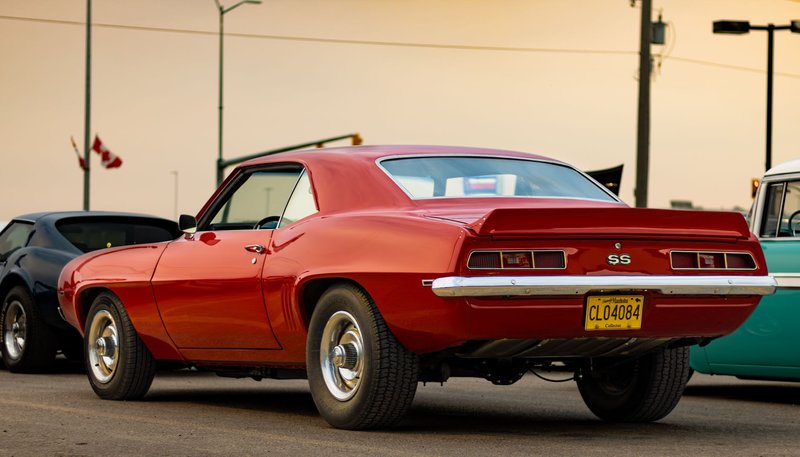
Chevrolet Camaro Z28 (1993-1997, LT1 era) — The fourth-generation Camaro launched in 1993 with a new unibody-adjacent platform and, more importantly, the LT1 5.7-liter V8 borrowed from the Corvette. A Z28 with a six-speed manual could run the quarter mile in the low 14s straight from the factory, which was startling money-no-object performance for a car that stickered under $22,000. The Z28 also introduced Chevy’s first real return to reverse-mounted-serpentine-belt LT1 cooling architecture, a detail that matters later in this guide because it’s also the car’s biggest weakness.
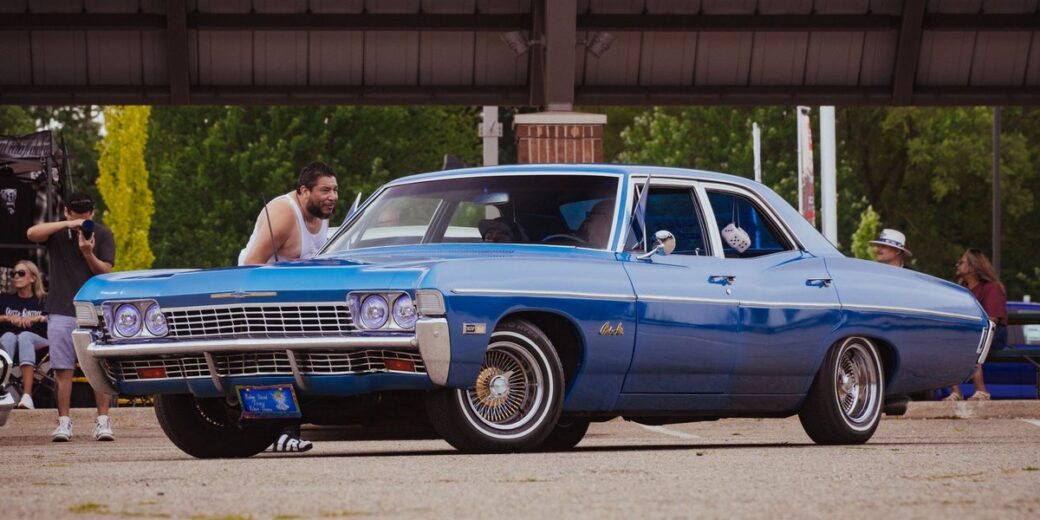
Chevrolet Impala SS (1994-1996) — Chevy took the full-size Caprice wagon platform, dropped in the LT1, painted it black, and built roughly 69,000 of them over three years. It shouldn’t have worked as well as it did. The Impala SS became the sleeper of the decade — a body-on-frame sedan that could out-accelerate cars costing twice as much, and it’s now one of the most collected American sedans of the ’90s. Clean, low-mileage examples regularly clear $30,000 at auction, which is a wild number for a car that depreciated to junkyard-bait prices by the early 2000s.
Chevrolet Corvette C4 (early ’90s) and C5 (1997-2004) — The C4 Corvette closed out its run with the ZR-1’s LT5 engine, a genuinely exotic piece of engineering built with help from Lotus, good for 375-405 horsepower depending on the year. The C5, which launched for 1997, replaced the C4’s aging platform entirely with a new hydroformed frame and rear-mounted transaxle, and it’s widely considered the model that saved the Corvette’s reputation for handling balance. If you’re cross-shopping C4 versus C5, the practical answer is: C4 for character and collectibility (especially a ZR-1), C5 for a car you can actually drive daily without stress.
Chevrolet Tahoe (1995 onward) — The Tahoe replaced the two-door/four-door Blazer nameplate confusion with a dedicated full-size SUV, and it landed at exactly the moment America decided it wanted three rows and a tow rating. Early Tahoes with the 5.7-liter V8 aren’t fast or efficient, but they’re mechanically simple, parts are everywhere, and a well-kept one is one of the easier entry points into ’90s Chevy ownership.
454 SS Pickup (1990-1993) — Built for three model years on the C1500 platform, the 454 SS paired a 7.4-liter big-block with a stiffened suspension and a two-tone paint scheme that still turns heads at truck shows. Fewer than 17,000 were built, and clean examples have become genuine collector trucks rather than just used work vehicles.
The Ones That Didn’t
Chevrolet Lumina (1990-1994, first generation especially) — The Lumina replaced the Celebrity and Monte Carlo in Chevy’s mid-size lineup, and it’s remembered mostly for being forgettable. Reviewers at the time flagged soft, numb steering and interior plastics that aged badly within a few years. It sold in huge numbers because it was a fleet and rental staple, which is also why so few survive in good condition today — nobody babied a Lumina.
Chevrolet Cavalier (early-to-mid ’90s) — GM’s compact answer to the Honda Civic and Toyota Corolla undercut both on price and lost on almost everything else. Reliability surveys from the era consistently placed the Cavalier below its Japanese competition, with owners reporting more frequent transmission and electrical issues. It wasn’t a bad car by the standards of American economy cars in 1992 — it was just competing against cars that were quietly better engineered.
Chevrolet Corsica — The Corsica shared a platform with the Lumina APV minivan underpinnings and never carved out an identity of its own. It’s largely disappeared from the road, and that’s not really a loss — parts support today is thin, and there’s little collector interest to justify hunting one down.
1990s Chevy Spec Comparison
| Model | Engine | 0-60 mph | Years Produced | Approx. Price Today |
|---|---|---|---|---|
| Camaro Z28 (LT1) | 5.7L V8, ~275 hp | ~5.5-6.0 sec | 1993-1997 | $12,000-$25,000 |
| Impala SS | 5.7L V8, ~260 hp | ~6.5 sec | 1994-1996 | $18,000-$35,000+ |
| Corvette ZR-1 (C4) | 5.7L LT5 V8, 375-405 hp | ~4.5-5.0 sec | 1990-1995 | $30,000-$60,000+ |
| Corvette C5 | 5.7L LS1 V8, 345-405 hp | ~4.7-5.3 sec | 1997-2004 | $15,000-$35,000 |
| Tahoe (2-door/4-door) | 5.7L V8, ~200-255 hp | ~9-10 sec | 1995-1999 (2nd gen) | $6,000-$15,000 |
| 454 SS Pickup | 7.4L V8, ~230 hp | ~7.5 sec | 1990-1993 | $20,000-$40,000 |
| Lumina | 3.1L/3.4L V6, ~120-210 hp | ~9-11 sec | 1990-1994 | $2,000-$5,000 |
| Cavalier | 2.2L I4, ~95-120 hp | ~10-12 sec | 1990-1994 | $1,500-$4,000 |
Prices swing hard on condition and documentation. A Z28 or Impala SS with full service records and low miles will sit at the top of its range or above it; a driver-quality version with unknown history belongs at the bottom.
Common Failure Points and Buying Tips
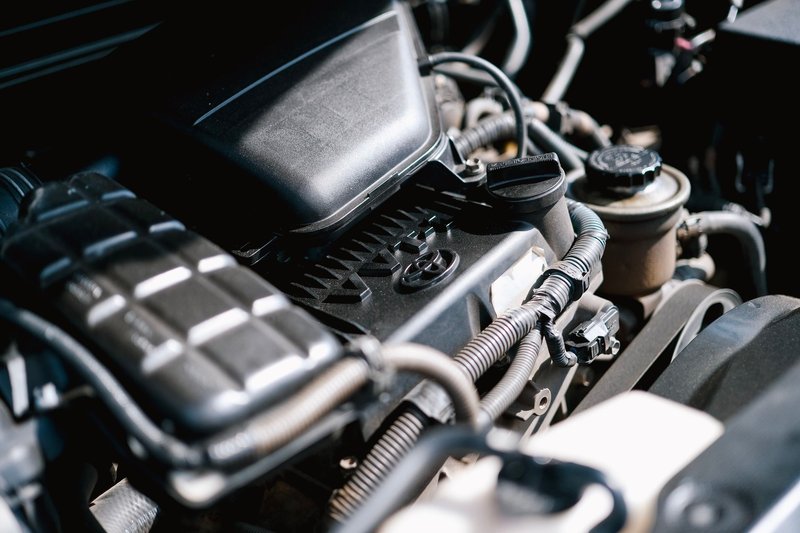
LT1 cooling system (Z28, Impala SS, C4 Corvette) — The LT1’s reverse-flow cooling design routes coolant through the heads first, then the block, which works well when everything’s sealed properly and turns into a recurring headache when it isn’t. The optispark distributor sits low at the front of the engine, directly in the path of any coolant or oil leak from above, and a wet optispark is one of the most common reasons an LT1-powered ’90s Chevy won’t start reliably. Ask specifically whether the optispark has ever been replaced, and budget for it if the seller doesn’t know.
Rust on unibody and full-frame cars alike — Rocker panels, wheel arches, and the lower doors are the first places rust shows up on Impala SS and Camaro examples that spent winters in road-salt states. On Tahoes and 454 SS trucks, check the frame itself, not just the body panels — frame rust is harder and more expensive to fix than sheet metal.
Automatic transmission wear on the 4L60E — Used across most of this lineup, the 4L60E is generally durable but suffers when abused or run low on fluid. Hard shifts, slipping under load, or a delayed engagement into gear are signs of an already-tired unit.
Interior plastic degradation — Lumina, Cavalier, and Corsica dashboards in particular are known for cracking and fading badly with UV exposure. It’s cosmetic rather than mechanical, but replacement dash pads for these lower-volume survivors are increasingly hard to source.
What to Look for Before You Buy
- Service records for the cooling system, especially on any LT1-equipped car — receipts for optispark, water pump, or intake gasket work are worth real money in negotiation.
- Frame and rocker panel inspection in person, not from photos — rust hides in seams that don’t photograph well.
- VIN-matched documentation for Impala SS, Z28, and 454 SS models, since all three have been subject to fraudulent “clone” builds using cosmetic packages on lesser trims.
- A cold start test — a car that starts fine warm but struggles cold (or vice versa) is telling you something about ignition or fuel delivery worth chasing down before purchase.
- Recent tire dates, not just tread depth — cars that sat for years often have tires that are old enough to be a safety issue regardless of how much rubber is left.
Where to Find Parts and Insurance
Reproduction and NOS parts support is strongest for the Corvette and Camaro, thanks to active national clubs and dedicated restoration suppliers. Impala SS and 454 SS parts are thinner on the ground since production numbers were low, and owners often lean on GM full-size sedan and truck parts bins that overlap with more common models. For registration and coverage, agencies that specialize in classic and collector vehicles, such as Hagerty, typically offer better rates than standard policies once a car crosses the 20-25 year mark and qualifies for agreed-value coverage — worth checking before you insure one of these under a standard policy by default.
Fuel economy and emissions specs for any of these model years are publicly searchable through the EPA’s fuel economy database, which is useful if you’re comparing a Tahoe against a modern SUV for a realistic ownership cost picture. And if you’re chasing recall history before a purchase, NHTSA’s VIN lookup tool covers every model on this list.
None of these cars are appliance-simple anymore — they’re all old enough now that “used car” isn’t really the right category. Buy the one that matches your patience for maintenance, not just the one that looks best in the listing photo.

Marco Delantero
More from Marco DelanteroHow we reviewed this article
This article was researched against manufacturer records and editorially reviewed before publishing. We accept no payment for coverage. Some guides contain affiliate links; see our affiliate disclosure.