
TLDR
- Best looking car of the decade overall: Ferrari 296 GTB. Shortest wheelbase, cleanest surfaces, no wasted line.
- Best looking car you can actually afford: Hyundai Ioniq 5, with the Renault 5 E-Tech as the pick if you’re in Europe.
- Best looking EV: Lucid Air. Rolls-Royce Spectre if money isn’t a factor.
- Best looking SUV or truck: Land Rover Defender. It won World Car Design of the Year in 2021.
Table of contents
- How we picked the best looking cars of the 2020s
- Attainable: Ioniq 5, Honda e, Renault 5
- SUVs and trucks: Defender, Bronco, GV80
- Electric sedans and grand tourers: Lucid Air, e-tron GT, Spectre
- Sports cars and supercars: Corvette, Emira, MC20, Roma, 296 GTB, 33 Stradale
- Good looking, with strings attached
Most “best looking cars” lists are about one model year, so they quietly favor whatever just launched. This one covers the whole decade so far, from 2020 to 2024, and it spans a $40,000 hatchback to a seven-figure Alfa. Fifteen cars, each with a stated reason it works.
How we picked the best looking cars of the 2020s {#how-we-picked}
Taste is personal, so here is the method. Every car on this list had to pass the same five checks:
- Proportions. Wheelbase against overhangs, cabin against body, wheel size against the arches. Nothing fixes bad proportions later.
- Surfacing. One or two confident lines beat twelve busy ones.
- A lighting signature. You should recognize it at night from the lights alone.
- One detail that is obviously intentional. A flush handle, a roof window, a grille treatment.
- It looks like what it is. A sports car that looks fast, an off-roader that looks tough, a family EV that looks friendly.
Each car also had to debut as a 2020 to 2024 model, and the list is deliberately spread across price. A beautiful car you can’t buy is a poster. A beautiful car at $40,000 is a design win.
Attainable {#attainable}
1. Hyundai Ioniq 5 (2022): the pixel-light hatchback
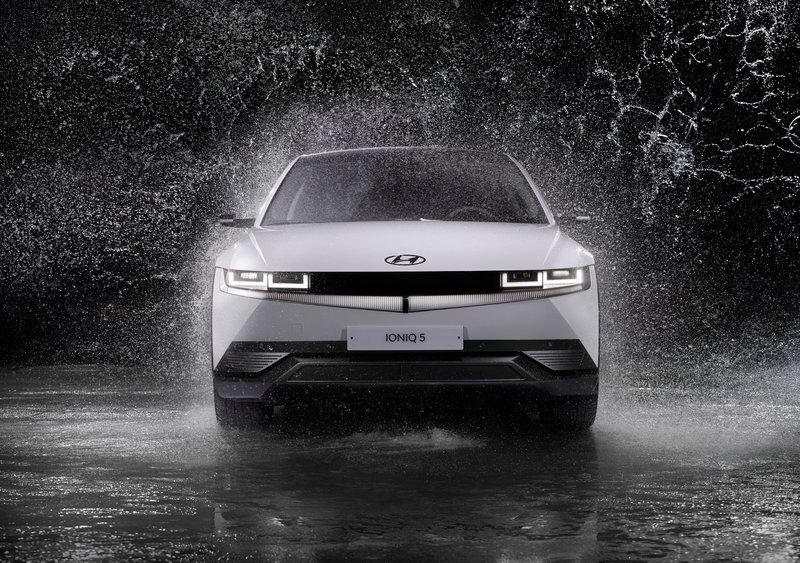
Type: electric crossover, attainable. The Ioniq 5 looks like a 1970s hatchback that was sent forward in time, and it’s no accident: Hyundai built it as a nod to its own 1975 Pony Coupe concept. The headlights and taillights are made of square pixels, the body is a single crisp crease with almost no ornament, and the wheelbase is a full 3,000 mm, which pushes the wheels to the corners and leaves a tiny front overhang.
It started around $40,000 in the US. The World Car Awards named it World Car Design of the Year in 2022, ahead of the Audi e-tron GT and Kia EV6.
2. Honda e (2020): the small car with the clean face
Type: electric city car, attainable. Round LED headlights, a flat nose, a body with almost no creases, and cameras where the mirrors would be. Honda’s rule seems to have been “remove anything that doesn’t need to be there,” and the result looks like a piece of consumer electronics that happens to have wheels. The door handles sit flush with the body and pop out when you approach.
Honda ended production in 2024. The shape is the reason people still look for used ones.
3. Renault 5 E-Tech (2024): a retro revival that gets it right
Type: electric supermini, attainable. Most retro cars copy the old car’s face and lose its proportions. The new Renault 5 copies the proportions: short overhangs, a bulging rear haunch, a compact cabin set between the wheels, and vertical taillights that echo the 1972 original. It stays small, which is why it works, and it sits in the same tradition as the best hatchbacks of all time.
In France it starts at roughly 25,000 euros. For the money, nothing else in the decade looks this deliberate.
SUVs and trucks {#suvs-and-trucks}
4. Land Rover Defender (2020): modern, but still a box
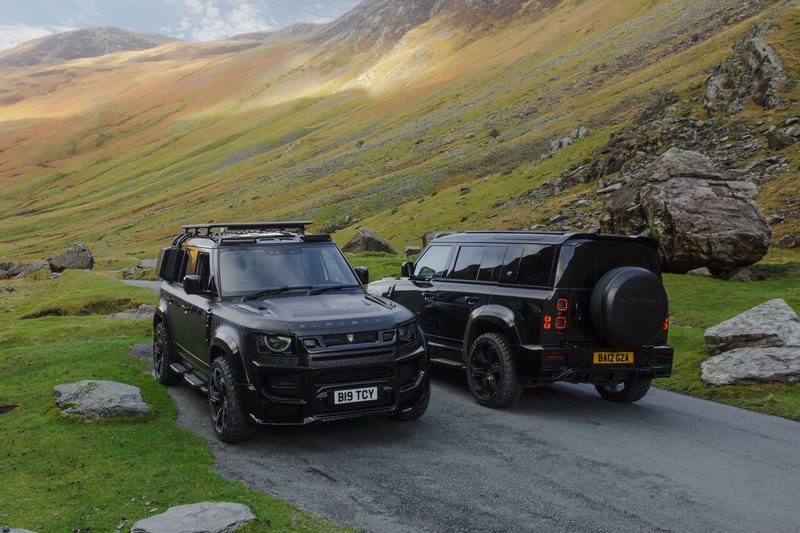
Type: SUV. The old Defender was built as a tool. The 2020 one is a designed object, but it kept the logic: upright windshield, near-flat sides, short overhangs, and the small Alpine light windows set in the roof, which were on the original. Even the exposed fasteners and visible cross-beam inside the cabin read as architecture instead of decoration. The rest of the brand’s 2020s lineup is worth a look if you want to see how the same thinking plays out across Land Rover’s SUVs.
The World Car Awards gave it World Car Design of the Year for 2021. Seeing a modern car rewarded for being rectangular is a good sign for the industry.
5. Ford Bronco (2021): round lights, flat panels
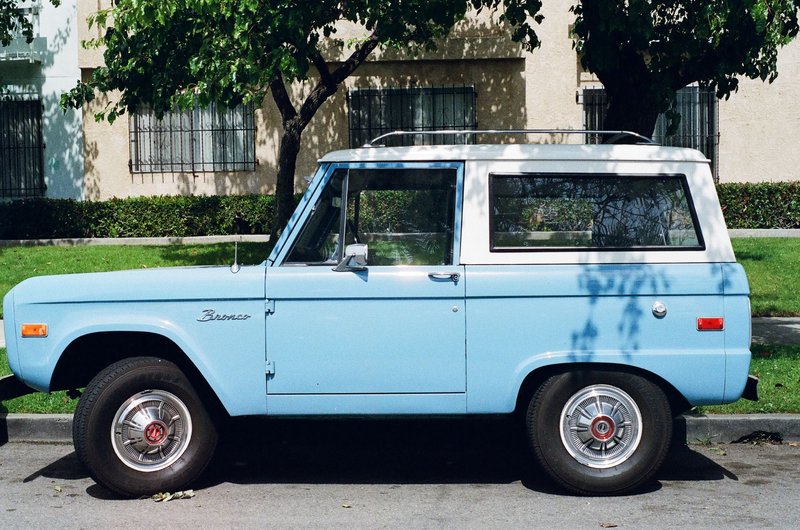
Type: SUV, off-roader. The Bronco’s trick is restraint. Two round LED headlights, a straight horizontal grille with “BRONCO” spelled out across it, a flat hood, and body sides that look like they were cut with a ruler. The two-door’s 100.4-inch wheelbase gives it a stubby, planted stance that the four-door can’t quite match.
It looks like the 1966 original without copying it. That’s harder than it looks, and most retro SUVs fail at it.
6. Genesis GV80 (2020): the two-line luxury SUV
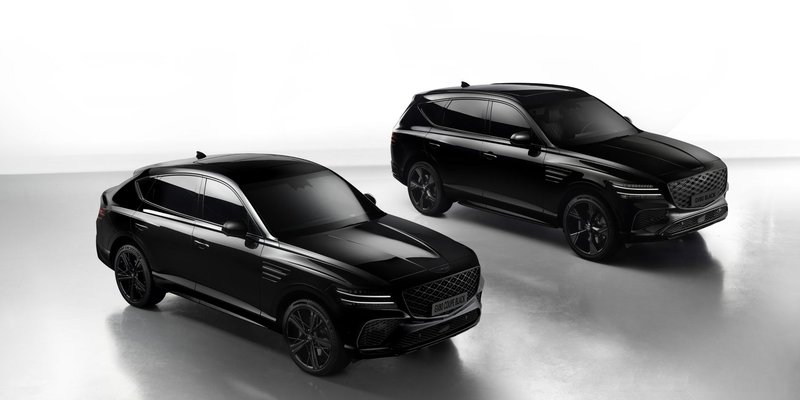
Type: luxury SUV. The GV80’s lighting signature is the reason it made this list. Genesis put two thin horizontal lines in the headlights and taillights, and you can spot one from a long way back. Below that, a big crest grille with a diamond-pattern mesh and a clean, long hood.
Luxury SUVs are usually the ugliest cars at a given price. The GV80 is the one that looks like someone cared.
Electric sedans and grand tourers {#electric-and-luxury}
7. Lucid Air (2021): a sedan with a short nose and a long cabin
Type: electric sedan. The Air has almost no front overhang, a cabin pushed back over the rear wheels, and a smooth, tapered roofline. The drag coefficient is around 0.2, which is why the body looks like one continuous piece of glass-smooth surface. A glass canopy roof over the front seats reinforces that.
The slim headlights and horizontal light bar at the rear keep the face simple. It’s the best-looking four-door on sale in the US, electric or not.
8. Audi e-tron GT (2021): hips and a low roof
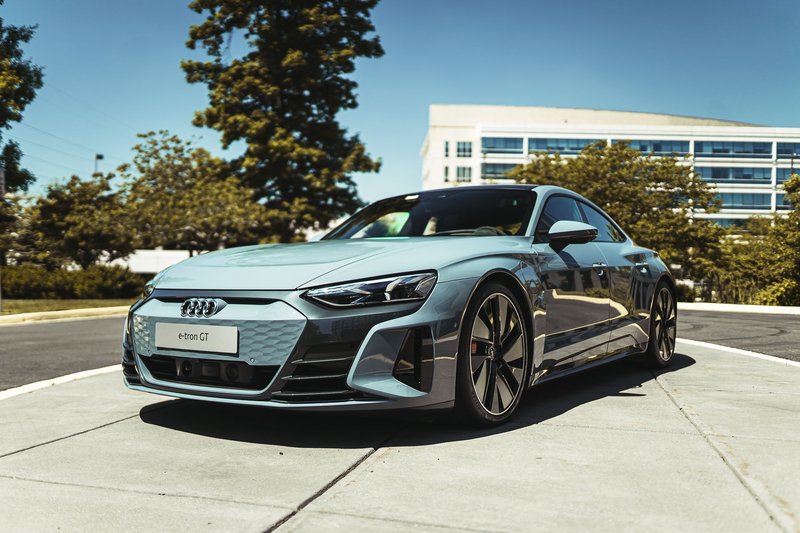
Type: electric grand tourer. Just over 1.4 metres tall and nearly 2 metres wide. The e-tron GT shares its platform with the Porsche Taycan, but the body is Audi’s own: a low roofline, heavy rear haunches that bulge over the wheels, and a short, sloping hood. The side profile is one long flow from the front wheel to the tail.
It was a finalist for the 2022 World Car Design of the Year, which is where the Ioniq 5 beat it. Many people would still pick the Audi.
9. Rolls-Royce Spectre (2023): the grandest two-door of the decade
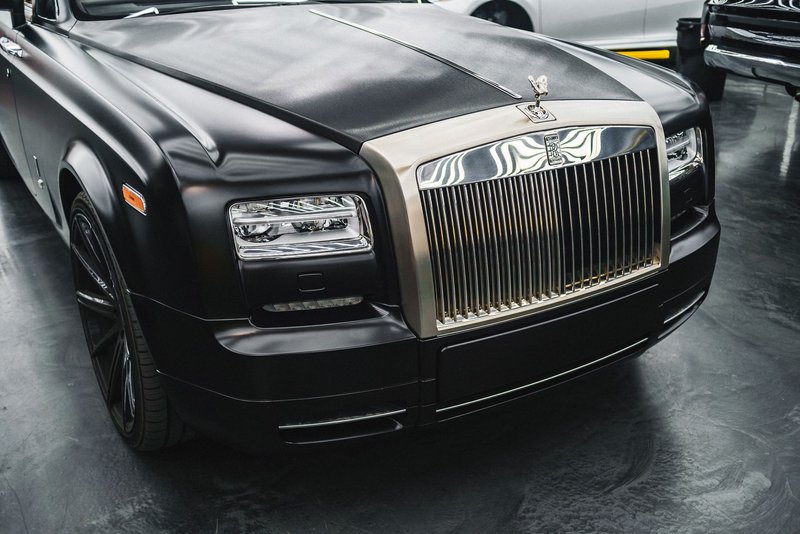
Type: electric coupe, ultra-luxury. About 5.45 metres long, with 23-inch wheels and rear-hinged coach doors. The nose is dominated by the lit Pantheon grille, with the thin daytime running lights placed above the main headlamps so the face looks split.
The fastback roof is the surprising part. A car this large normally looks heavy, but the Spectre’s tapered tail makes it look like it’s moving. It starts at over $400,000, so for most of us, this one is for looking at.
Sports cars and supercars {#sports-cars-and-supercars}
10. Chevrolet Corvette C8 (2020): the Corvette goes mid-engine
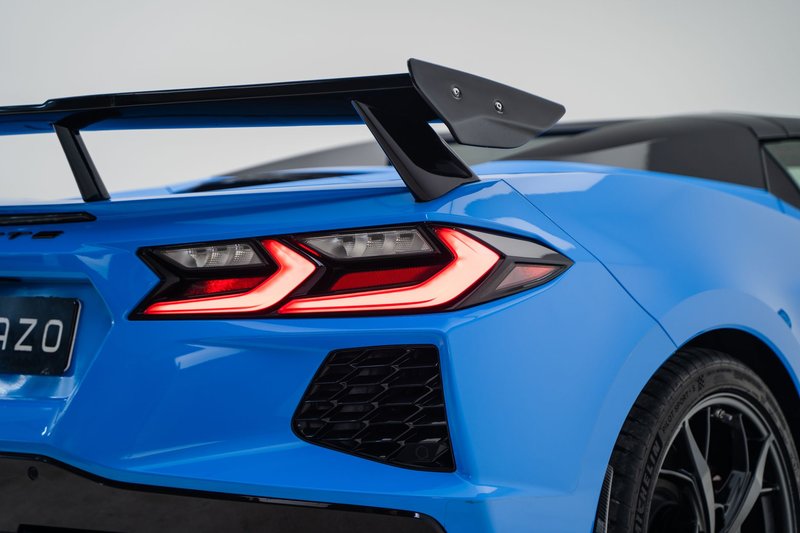
Type: sports car, attainable. The first mid-engine production Corvette moved the cabin forward and gave the car a short nose and a long tail, with big side intakes feeding the engine. Chevrolet priced it just under $60,000 to start, which put an exotic silhouette in reach of a normal salary.
The rear is a bit busy with its stacked lights and vents. The profile is what earns the spot: low, wedge-shaped, and unmistakable.
11. Lotus Emira (2022): the last petrol Lotus

Type: sports car. The Emira is the final Lotus with a combustion engine, and the design takes cues from the all-electric Evija hypercar: deeply sculpted flanks, a tight cabin and tall rear haunches. It is also smaller than most mid-engine cars, which keeps the proportions tidy.
If you want a mid-engine car that looks like a supercar and doesn’t feel as huge as one, this is the shape.
12. Maserati MC20 (2021): clean and understated
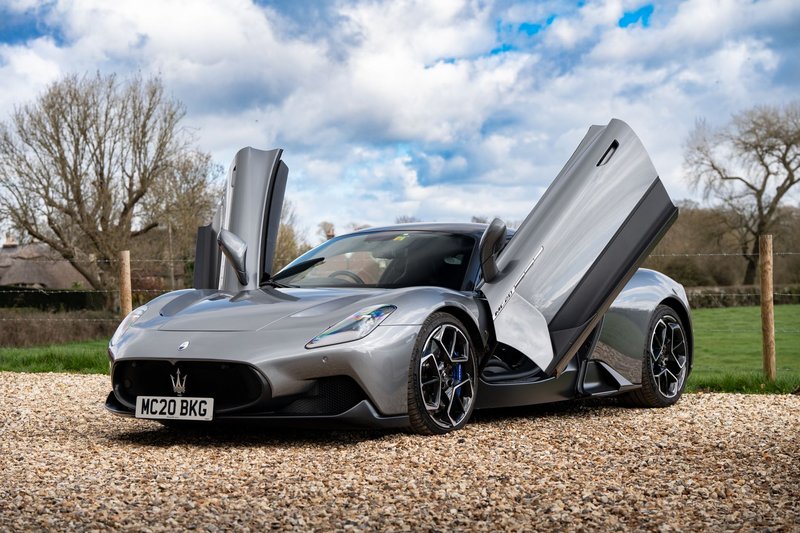
Type: supercar. Maserati’s mid-engine car (revealed in 2020, in showrooms in 2021) has a low nose, nearly no overhangs and butterfly doors. The surfaces are smooth and the car carries very little decoration. Most supercars shout; the MC20 only suggests.
A 630 PS twin-turbo V6 sits behind the cabin, and nothing about the exterior tries to advertise it.
13. Ferrari Roma (2020): a front-engine Ferrari with no angle wasted
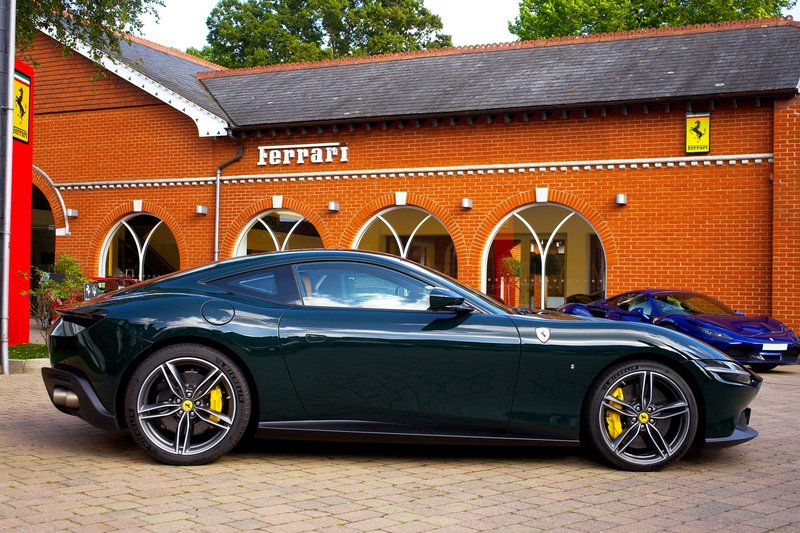
Type: grand tourer. Ferrari said the Roma was inspired by 1950s and 1960s Rome. The nose has no traditional grille, just a body-colored bar with a slim opening, and the body sweeps from the hood to the tail in a single, almost unbroken line.
It’s a 2+2 coupe with a V8 in front, and it looks like a 1960s GT car redrawn with modern tools.
14. Ferrari 296 GTB (2022): the decade’s best proportions
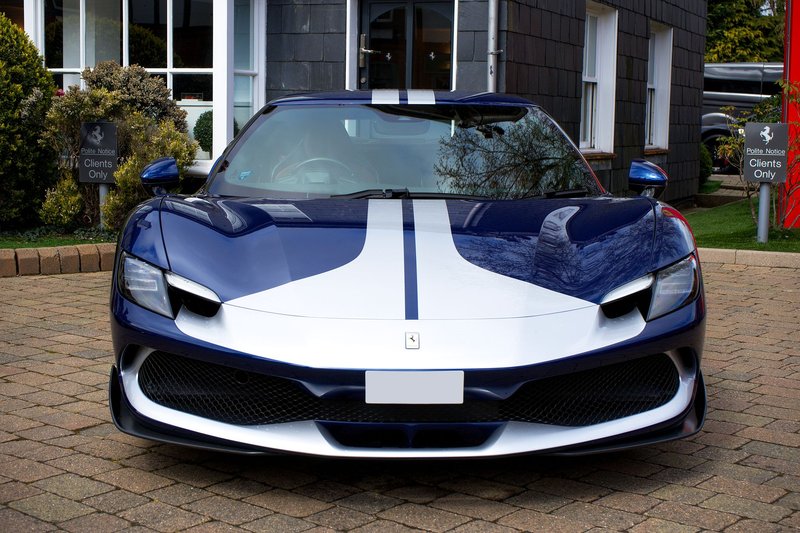
Type: supercar. The 296 GTB has a 2,600 mm wheelbase, short for a Ferrari, and it shows. The cabin is pushed forward, the rear haunches are wide and pronounced, and the roof tapers into a short tail. Ferrari borrowed cues from the 250 LM, which accounts for the rear arches.
It uses a plug-in hybrid V6, the car makes 819 horsepower, and the body hides all of that behind a restrained shape. This is the one we’d pick as the best looking car of the 2020s.
15. Alfa Romeo 33 Stradale (2023): a rolling tribute to a 1967 icon
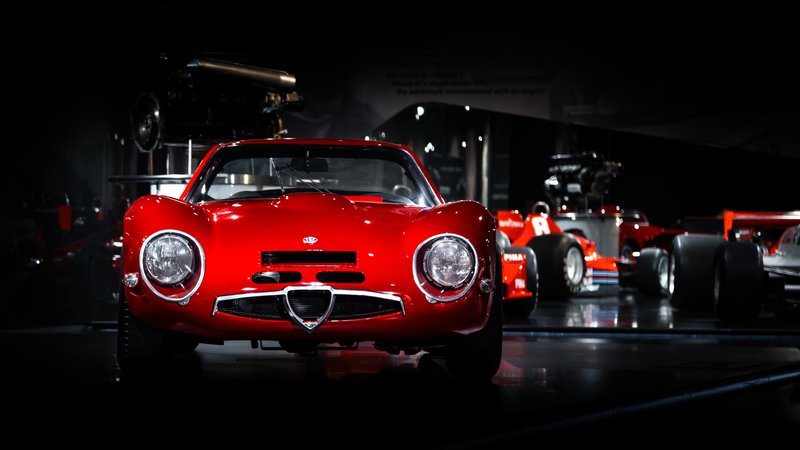
Type: hypercar, limited run. Only 33 were built, each at a reported price around one million euros. The design is a modern reinterpretation of the 1967 Tipo 33 Stradale, long considered one of the most beautiful cars ever made: dihedral doors, a low, rounded body and a tiny cabin.
It shows retro design done with discipline. Alfa kept the old car’s curves and drew them with modern lighting and tight panel gaps.
Good looking, with strings attached {#strings-attached}
A beautiful shape doesn’t make a good car. A few notes on the cars above and a couple that missed the cutoff:
- Honda e: the best small-car design of the decade, with a range of about 220 km. It only makes sense as a city car.
- Rolls-Royce Spectre and Alfa Romeo 33 Stradale: priced out of reach for almost everyone, and the Alfa was sold out before the public saw it.
- Corvette C8: the profile is great, but the rear is the busiest part of the car.
- Alfa Romeo Giulia and Lexus LC: frequent entries on “best looking” lists, but they debuted in 2016 and 2018, so they sit outside the decade.
The best looking cars of the 2020s share a habit: they commit to one idea and don’t add anything that distracts from it. The Ioniq 5 has its pixels, the Defender has its box, and the 296 GTB has its wheelbase. The list will change as the decade continues, but those three are a good test for whatever comes next.

James Kowalski
More from James KowalskiHow we reviewed this article
This article was researched against manufacturer records and editorially reviewed before publishing. We accept no payment for coverage. Some guides contain affiliate links; see our affiliate disclosure.