TLDR
- Best sellers in the US: Ford F-Series (about 900,000), Chevrolet Silverado (about 700,000), Toyota Camry (about 430,000).
- Best sellers in the UK: Ford Focus (123,799), Vauxhall Astra (108,461), then the Corsa, Fiesta and Golf.
- Most wanted: Chrysler 300C, Ford Mustang, Toyota Prius, Chevrolet Corvette C6.
- Most iconic: Ford GT and Bugatti Veyron, neither of which you could buy at a normal dealership.
- Best used buys today: Camry, Civic and the Hemi-powered 300C. Check recalls on every one of them.
Contents
- What Makes a Car Popular in 2005?
- The Best Sellers
- The Cars Everyone Wanted
- The Icons
- Top Sellers by Market
- What 2005 Cars Are Like to Own Today
What Makes a Car Popular in 2005?
Popular cars in 2005 means three different things, and most lists only cover one. Some give you the sales chart, which is mostly pickups and beige sedans. Others give you the poster cars, which almost nobody bought. This one covers both, and the stuff in between.
So here are the lenses: what people bought, what people wanted, and what people still talk about twenty years later.
The year itself explains a lot. Hurricane Katrina made landfall in late August, and gasoline prices briefly pushed the US national average past $3 a gallon. Employee-pricing rebates were still moving big SUVs and trucks off lots. The Toyota Prius had just gone from curiosity to waiting list. And Detroit was in the middle of a retro streak, with a Mustang that looked like 1967 and a Chrysler sedan that looked like a gangster’s getaway car.
The Best Sellers
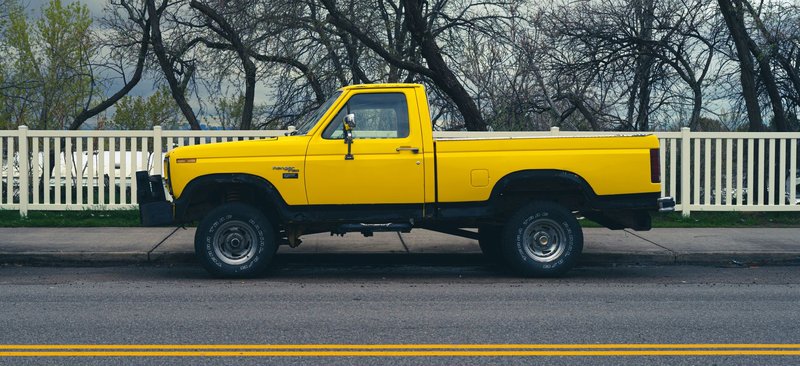
Ford F-Series
The best-selling vehicle in America, a title it had held for over two decades by 2005. Ford moved roughly 900,000 F-Series trucks that year, more than double the best-selling car.
The F-150 was in the second year of its 2004 redesign. Engines ran from a 4.2-liter V6 (202 hp) to a 4.6-liter V8 (231 hp) and a 5.4-liter V8 (300 hp). A regular cab work truck started around $20,000, while a fully loaded Lariat crew cab crossed $35,000.
Fast facts: Best-selling vehicle in the US, again. Over a quarter of all Ford’s US sales were F-Series.
Chevrolet Silverado
Second place, with roughly 700,000 sold. The Silverado was in the last years of its 1999 generation, still running the 4.8- and 5.3-liter small-block V8s that GM had been refining for years. It wasn’t the freshest truck on the lot, and it didn’t need to be. Fleet buyers and loyalists kept it a few hundred thousand units clear of everything except the Ford.
Fast facts: Pushrod V8s, a reputation for toughness, and a GMT800 platform that was about to be replaced in 2007.
Toyota Camry
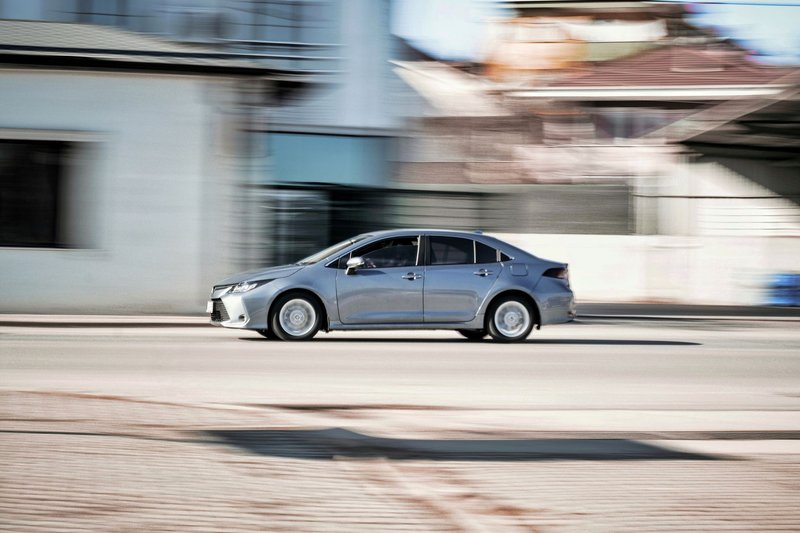
The best-selling car in America, at around 430,000. The 2005 Camry came with a 2.4-liter four-cylinder (157 hp) or a 3.3-liter V6 (225 hp) and started near $19,000. Nobody put it on a bedroom wall. It started every morning, and that was the pitch.
It’s the car that made “appliance” a compliment. A Camry in 2005 wasn’t exciting, but it was the car your neighbor bought after reading the reliability surveys.
Fast facts: Top-selling passenger car in the US. The V6 was quicker than a lot of sports sedans from a decade before.
Honda Civic
The 2005 Civic was the final year of the seventh generation. Under the hood sat a 1.7-liter four with 115 hp, which sounds modest until you remember the car weighed under 2,600 pounds. A redesigned eighth-generation Civic landed in showrooms in late 2005 for the 2006 model year, so the 2005 car is the end of an era.
Pricing started around $14,000, which made it the default answer for first cars and commuters. The Civic Hybrid and the hatchback Si, with its 160-hp 2.0-liter, were the two flavors enthusiasts cared about.
Fast facts: Cheap to buy, cheap to run, and the base of a huge tuning scene.
Ford Focus (UK)
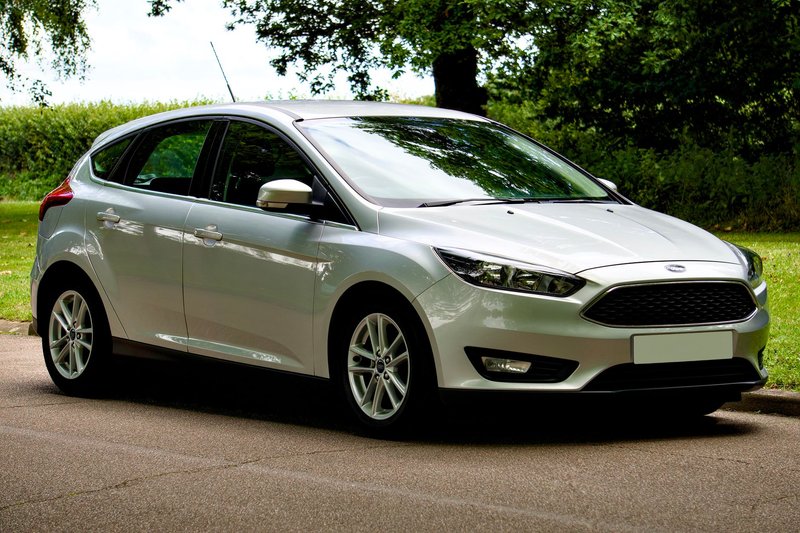
Across the Atlantic, the best seller looked different. The Ford Focus topped the UK chart with 123,799 registrations, ahead of the Vauxhall Astra on 108,461. The Focus was the second generation, launched in 2004, with a stiffer structure than the car it replaced and the handling that British drivers had come to expect from the badge. Ford’s other 2000s models, from the Fiesta to the Mustang, are listed in a complete guide to 2000s Ford cars.
The Astra was close behind, and the Corsa, Fiesta and Volkswagen Golf rounded out the top five. Small hatchbacks, nearly all of them. The UK in 2005 barely noticed the pickup truck.
Fast facts: UK number one. Engines ranged from 1.4 to 2.0 liters, with a 1.6 petrol and a diesel as the volume sellers.
The Cars Everyone Wanted
Sales tell you what people bought. They don’t tell you which cars people read about, argued over, and wrote down on a wish list. These did.
Toyota Prius
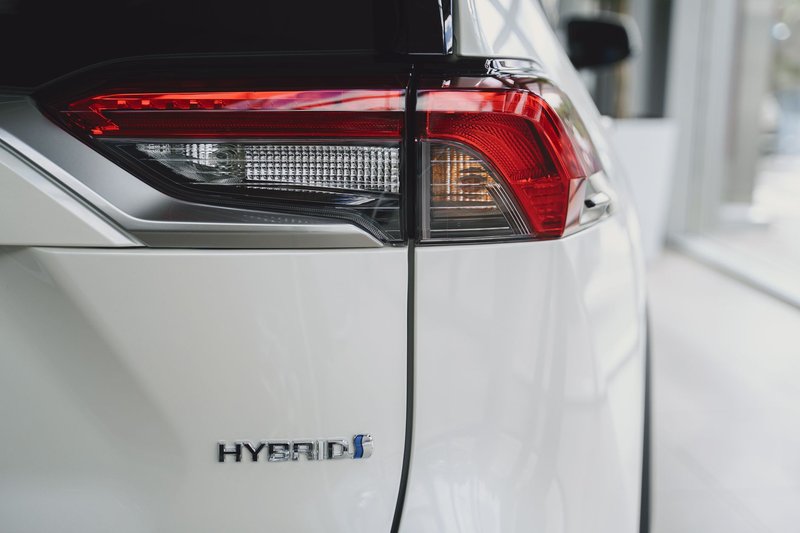
The second-generation Prius arrived for the 2004 model year, and 2005 was the year demand outran supply. Dealers in some US markets were charging over sticker and keeping waiting lists. Buyers spent low $20,000s for a hatchback with a 1.5-liter gasoline engine and electric motor, good for 110 hp combined and an EPA rating of 55 mpg combined at the time, a number the agency later lowered when it changed its testing method in 2008.
More than 100,000 sold in the US in 2005. That’s tiny next to the F-Series, but it shifted what every other automaker thought a mainstream car could be.
Fast facts: First hybrid to feel like a normal car. Gas at $3 turned it from a statement into a calculation.
Ford Mustang
The fifth-generation Mustang was new for 2005, and it was a reset. Ford designers took the 1967 to 1969 fastbacks as the visual reference, built it on an entirely new platform, and kept the live rear axle for the V8 and V6 alike. The base car had a 4.0-liter V6 with 210 hp from about $19,000. The GT had a 4.6-liter V8 with 300 hp for a little over $25,000.
Camaro had been dead since 2002, so the Mustang had the segment to itself. Cheap speed with an identity, and the numbers were hard to argue with.
Fast facts: All-new for 2005. 300 hp in the GT undercut nearly every V8 coupe on price.
Chrysler 300C
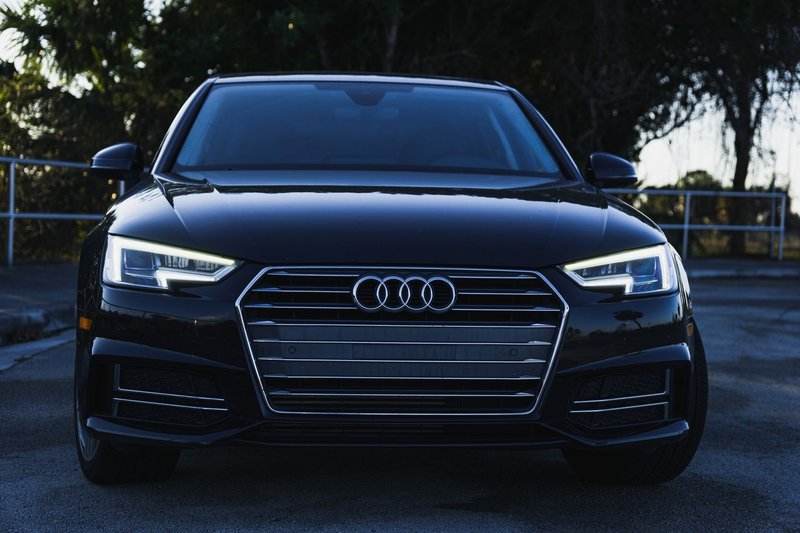
The 300 was the car of the year in a literal sense: Motor Trend named the 300C its Car of the Year. It used a rear-wheel-drive layout with a five-speed automatic and Mercedes-Benz E-Class-derived parts, wrapped in a boxy body that looked like nothing else in a mall parking lot.
The 300C came with the 5.7-liter Hemi V8, 340 hp, for about $33,000. Lesser trims had a 2.7-liter V6 (190 hp) or a 3.5-liter V6 (250 hp). Pick the Hemi. The 2.7 is the version used-car shoppers learn to avoid.
Fast facts: Rear-wheel-drive American sedan again. Hemi V8 with 340 hp for around $33,000.
Chevrolet Corvette C6
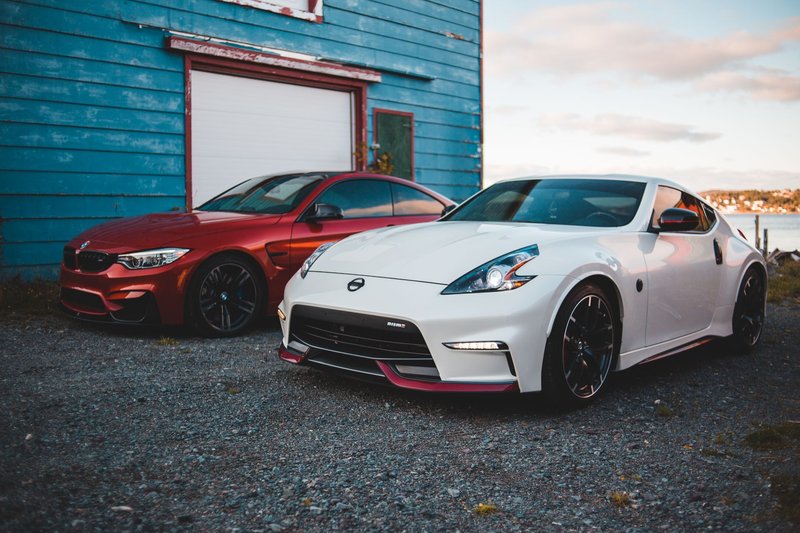
The C6 was the first Corvette with fixed headlights since 1962, ditching the pop-ups of the C5 for a smaller, tighter body. The 6.0-liter LS2 V8 made 400 hp, and the car covered 0 to 60 mph in around four seconds. The price: about $44,000. The C7 that replaced it is covered in our 2018 Corvette guide.
That’s what made it a story in 2005. A Porsche 911 with comparable performance started well above that, and the Corvette was quicker in a straight line. It was the closest thing America had to a supercar at a price a lawyer could finance.
Fast facts: 400 hp, first fixed headlights in four decades, about $44,000.
The Icons
These two barely show up in a sales table. They still define the year.
Ford GT
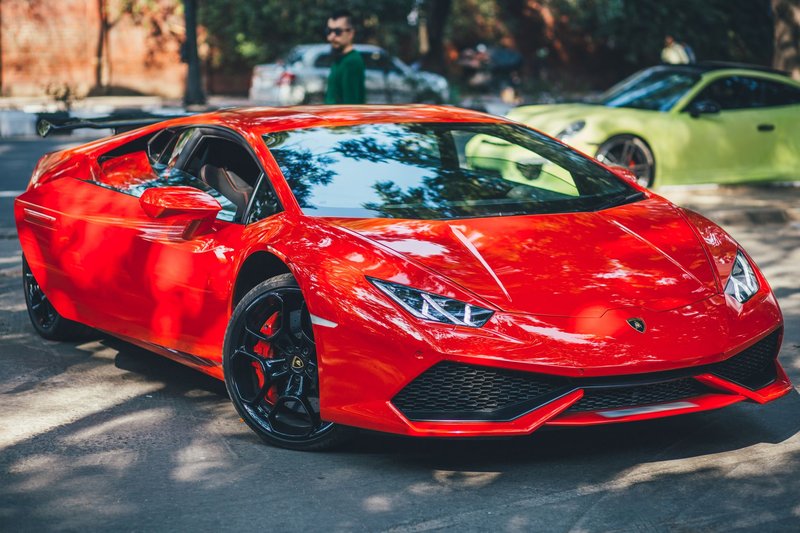
Ford built the GT to mark its centennial, drawing on the GT40 that beat Ferrari at Le Mans in the 1960s. The production car packed a supercharged 5.4-liter V8 making 550 hp and cost about $140,000. Just over 4,000 were built across 2005 and 2006, and dealers had waiting lists that never cleared.
It was the rare retro car that matched the original’s ambition. And collectors noticed: values have since climbed to several times the original price.
Fast facts: Supercharged V8 with 550 hp. Limited production, rear-mid engine, built for the centennial.
Bugatti Veyron 16.4
Deliveries began in 2005. An 8.0-liter quad-turbo W16 with about 1,000 PS (987 hp), a claimed top speed of 253 mph and a price of around one million euros. Nobody needed it to make sense, because the number was the point. The Veyron reset the question of how fast a road car could go, and the answer sat unchallenged for years.
Fast facts: The first production car past 250 mph. Sixteen cylinders, four turbos.
Top Sellers by Market
| Market | Model | Approx. 2005 sales |
|---|---|---|
| US | Ford F-Series | 900,000+ |
| US | Chevrolet Silverado | 700,000 |
| US | Toyota Camry | 430,000 |
| US | Honda Accord | 370,000 |
| UK | Ford Focus | 123,799 |
| UK | Vauxhall Astra | 108,461 |
The US chart is truck-heavy and the UK chart is hatchback-heavy. Same year, same car industry, different planet.
What 2005 Cars Are Like to Own Today
A 2005 car is now old enough to have a track record. Here’s what that record says about the popular cars of 2005.
Toyota Camry. Still the safe pick. The 3.3-liter V6 is the one to find. The 2.4-liter four is known on some cars for burning oil, so check the dipstick and the service history.
Honda Civic. The 1.7 is durable, parts are everywhere, and tuning culture means many examples have been modified, so look for unmolested ones.
Ford F-150. The 4.6 and 5.4-liter three-valve V8s have a reputation for spark plugs that snap during removal and, later, cam phaser wear. Ask what’s been done.
Chevrolet Silverado. Rust at the cab corners, rocker panels and brake lines is the big enemy. The drivetrain itself usually outlasts the body.
Toyota Prius. Original hybrid battery packs have reached or passed their replacement age. Budget for a battery before you buy, and ask for a health check.
Chrysler 300C. The Hemi is the one to own, and sludge and water pump failures give the 2.7 V6 its poor reputation.
Mustang and Corvette. Both are among the better performance bargains from the period. A C6 sells well under its original $44,000 sticker, and the V8 Mustang gets you a lot of noise for the money.
One check applies to all of them. Several of these models were hit by the Takata airbag inflator recalls, so run the VIN on NHTSA’s recall lookup before you hand over money, and read the NHTSA summary of the Takata recall if you want to know why it matters.
Popular cars in 2005 were a mix of dull winners, loud newcomers and unobtainable halo cars. The Camry sold the most, the 300C won the awards, and the Veyron got the headlines. If you’re shopping, the dull ones are usually the smartest buys.

Marco Delantero
More from Marco DelanteroHow we reviewed this article
This article was researched against manufacturer records and editorially reviewed before publishing. We accept no payment for coverage. Some guides contain affiliate links; see our affiliate disclosure.