TLDR
The 2020 Volkswagen lineup split into two eras: the old-school Golf/Jetta/Passat sedans and hatches, and the newer Tiguan/Atlas/Arteon SUV-and-crossover push that was clearly where VW’s money was going. Every model got the next-gen Car-Net telematics system and standard Wi-Fi that year, which sounds like a footnote until you’re the one dealing with a six-year-old infotainment unit that won’t update. If you’re shopping used in 2026, the Tiguan and Atlas are the safer bets on reliability, the Golf GTI is still the one enthusiasts actually want, and the Passat and e-Golf are the two you should only buy if the price reflects their age and thin dealer support.
Table of Contents
- What VW changed across the board in 2020
- Comparison table: 2020 VW lineup
- Golf
- Golf GTI
- Jetta
- Passat
- Tiguan
- Atlas
- Arteon
- e-Golf
- Buying one used in 2026: reliability and what to check
- Resale value: which ones held up
- So which 2020 VW should you actually buy?
What VW changed across the board in 2020 {#what-changed}

2020 was a consolidation year for Volkswagen more than a reinvention one. Every model in the lineup picked up the next-generation Car-Net telematics system, which meant standard in-car Wi-Fi (with a data plan) and remote features like start, lock, and vehicle-health alerts through the VW app. Driver-assist tech also went from optional to expected: Forward Collision Warning with Autonomous Emergency Braking, Blind Spot Monitor, and Rear Traffic Alert became standard or near-standard across most trims, where in 2019 they’d been buried in option packages.
That matters more now than it did when these cars were new. A used 2020 VW with standard Front Assist and Blind Spot Monitor is a meaningfully safer buy than a 2019 model without them, and it’s often the cleanest year-over-year dividing line when you’re comparing listings.
Comparison table: 2020 VW lineup {#comparison-table}
| Model | Body style | Starting MSRP (2020) | Standout 2020 update |
|---|---|---|---|
| Golf | Hatchback | ~$23,700 | Trimmed to a single well-equipped Value Edition |
| Golf GTI | Hot hatch | ~$28,395 | Carryover, still manual-available |
| Jetta | Sedan | ~$19,395 | Wireless charging added on Autobahn/SEL trims |
| Passat | Midsize sedan | ~$23,195 | Full redesign, reworked styling, more torque |
| Tiguan | Compact SUV | ~$24,895 | New SE R-Line Black trim |
| Atlas | 3-row SUV | ~$31,545 | Standard Car-Net, Park Distance Control on higher trims |
| Arteon | 4-door coupe | ~$35,845 | Car-Net and Wi-Fi added |
| e-Golf | Electric hatchback | ~$31,895 | Final model year before EV lineup shifted to ID.4 |
Prices are original MSRP, not what you’ll pay used — more on that below.
Golf {#golf}
VW simplified the standard Golf hatchback down to one trim for 2020, the Value Edition, which bundled in the tech most buyers wanted anyway: 8-inch touchscreen, Apple CarPlay and Android Auto, and the usual safety suite. It’s a smart, honest small car — the 1.4-liter turbo four isn’t quick, but the Golf’s steering and ride quality are still better than most compact hatchbacks twice its price bracket managed a decade ago.
This was also the last stretch before VW pulled the regular Golf from the US market entirely, which is part of why used prices haven’t collapsed the way you’d expect for an unglamorous compact.
Golf GTI {#golf-gti}
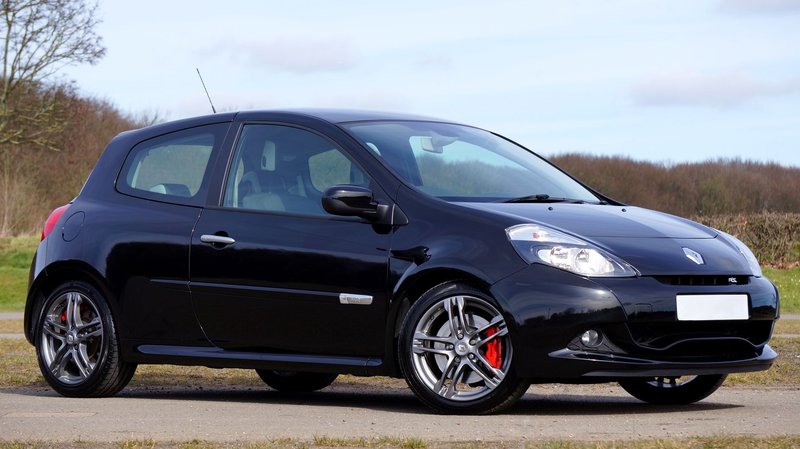
The GTI carried over largely unchanged for 2020, and that’s fine — this generation (Mk7.5) is widely considered one of the best GTIs VW has built. 228 horsepower from the 2.0-liter turbo four, a six-speed manual still on the order sheet, and a chassis that makes commuting feel like an excuse to take the long way home.
If you’re cross-shopping hot hatches from this era, the GTI’s back seat and trunk space still beat a Civic Si or Golf R on livability, without giving up much in the corners.
Jetta {#jetta}
Five trims for 2020 — S, SE, R-Line, SEL, and SEL Premium — with the Autobahn-adjacent SEL and SEL Premium picking up wireless charging and, on some configurations, VW’s DCC adaptive damping system. The Jetta rides on the same MQB platform as the Golf, and it shows: it’s more composed than a $20,000 sedan has any obligation to be.
The related Jetta GLI, VW’s sedan answer to the GTI, also got the wireless charging update and remains the more practical pick if you want GTI-adjacent driving dynamics but need four proper doors.
Passat {#passat}
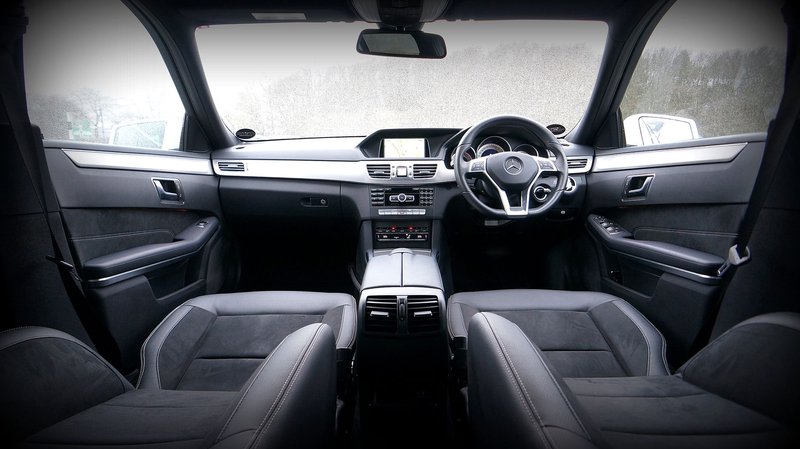
2020 was a full redesign year for the Passat — new sheet metal, a glass-covered touchscreen replacing the older plastic-bezel unit, and an updated 2.0-liter TSI engine with a revised torque converter pushing output to 207 lb-ft. On paper it’s the most improved car in the lineup that year.
In practice, the Passat was also VW’s weakest seller by 2020, and the brand had already signaled it was on its way out of the US market (production ended in 2022). That’s not a reason to avoid one — a well-kept Passat is a comfortable, roomy sedan — but it does mean thinner dealer network support and fewer used examples to shop against, so don’t expect deep negotiating leverage on a clean one.
Tiguan {#tiguan}
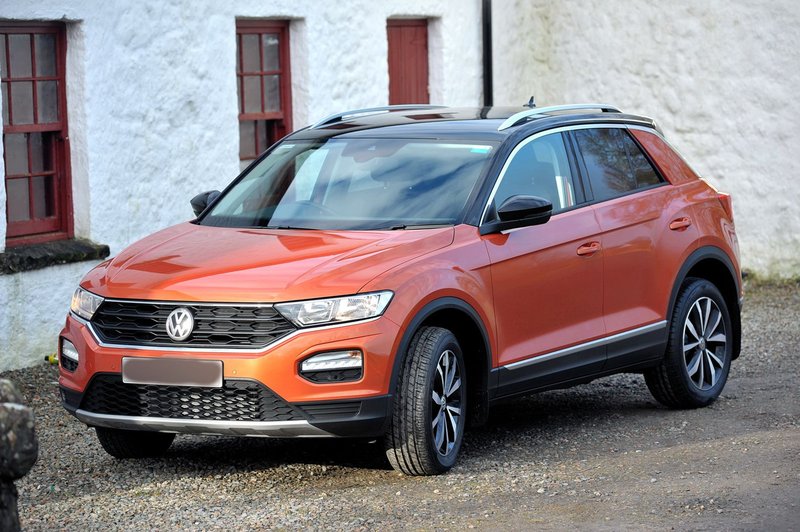
The Tiguan’s big 2020 news was cosmetic — a new SE R-Line Black trim with gloss-black exterior trim and badging — but the more important story is what didn’t change: the Tiguan kept its stretched-wheelbase, optional third-row layout that’s unusual in the compact SUV class. Most competitors (CR-V, RAV4) are strict two-rows; the Tiguan gives you a genuine (if tight) occasional third row without stepping up to a midsize SUV.
Atlas {#atlas}
The Atlas picked up standard Car-Net and Wi-Fi across the board for 2020, and the SE w/Technology R-Line trims added front and rear Park Distance Control plus an Easy Open power liftgate. This is VW’s answer to the Pilot and Highlander — three rows, a genuinely usable third row for adults on short trips, and a cabin that doesn’t feel like an afterthought the way some competitors’ third-row SUVs do.
It’s also, per the reliability data below, one of the stronger picks in the 2020 lineup if you’re buying used and want to avoid the infotainment gremlins that show up elsewhere.
Arteon {#arteon}
The Arteon — VW’s four-door “coupe” flagship — added the next-gen Car-Net and Wi-Fi for 2020 but otherwise carried over from its 2019 US launch. It’s the car in this lineup most people forget VW even sold: low sales volume, striking fastback styling, and a driving experience that borrows more from the Passat CC it replaced than from anything mainstream-badged. If you want something that doesn’t look like every other car in a parking lot, the Arteon is the pick — just go in expecting a smaller used market to shop and fewer independent mechanics who’ve worked on one before.
e-Golf {#e-golf}
2020 was the e-Golf’s last model year before VW shifted its EV strategy entirely to the ID.4. That makes it a bit of an orphan now: around 125 miles of EPA-rated range, a max charging rate that looks slow next to anything from the last few years, and a platform VW isn’t building on anymore. It’s a fine city car if you can find one cheap and your commute is short, but don’t buy an e-Golf expecting long-term parts and software support at the level of a gas Golf or Jetta.
Buying one used in 2026: reliability and what to check {#reliability}

Six years on, the pattern across the 2020 VW lineup is consistent: the mechanicals tend to hold up better than the electronics. Consumer Reports’ reliability data tracks infotainment and in-car electronics as the recurring weak point across this generation of VWs — touchscreens that lag or freeze, glitchy sat-nav, and parking-sensor warnings that fire for no reason. VW pushed software updates to address a lot of this, so ask the seller or dealer whether the infotainment software has been updated, and test the screen yourself before you buy: turn it on, run it through a few menus, pair a phone.
On the drivetrain side, the known issues are timing chain tensioner wear on some of the turbocharged four-cylinder engines and DSG dual-clutch transmission quirks (hesitation at low speed, clunky shifts when cold) on cars equipped with it. Neither is universal, but both are reasons to insist on a full service history rather than trusting a clean CarFax alone — a service history tells you whether the recommended maintenance actually happened, which a title report never will.
Two things worth doing before you sign anything:
- Run the VIN through NHTSA’s recalls lookup to confirm any open recalls have been completed, not just issued.
- Get a pre-purchase inspection from an independent VW specialist, not just a generic mechanic — the DSG and timing chain issues are specific enough that a shop unfamiliar with VW’s platform can miss them.
Of the eight models here, the Tiguan and Atlas post better used-reliability marks than the Golf and Jetta, largely because they carried simpler, more conservative drivetrains into 2020 rather than the more failure-prone turbo-four-plus-DSG combinations found lower in the lineup.
Resale value: which ones held up {#resale-value}
VW resale value has historically lagged Honda and Toyota, and the 2020 lineup mostly follows that pattern — with two exceptions. The Golf GTI and Golf R hold value noticeably better than the rest of the range because enthusiast demand keeps used prices propped up regardless of what the broader VW brand is doing. The Atlas and Tiguan also depreciate more gently than the sedans, riding the same wave that’s kept SUV resale values stronger than sedans industry-wide.
The Passat and e-Golf are the softest on resale, for the reasons already covered above: a discontinued nameplate and an orphaned EV platform respectively. That’s bad news if you’re selling one, but it’s exactly why they’re worth a look if you’re buying — you can find a well-kept Passat for meaningfully less than a comparably aged Jetta with fewer features.
So which 2020 VW should you actually buy? {#final-take}
If reliability and low drama are the priority, start with the Tiguan or Atlas — both post stronger used-reliability numbers and both still have full VW dealer support since they’re current-generation vehicles VW is still building on. If you want driving enjoyment and don’t mind chasing a manual transmission, the Golf GTI is the one people are still buying used specifically because it’s that good. And if you want the most car for the least money and can live with a smaller used market, the Passat is underrated — just get the pre-purchase inspection and don’t overpay for the redesign.
Skip the e-Golf unless the price is genuinely low and your use case is a short commute you’re not planning to expand — it’s the one model here that VW itself has moved past.

James Kowalski
More from James KowalskiHow we reviewed this article
This article was researched against manufacturer records and editorially reviewed before publishing. We accept no payment for coverage.