The 2007 model year was the one where Audi stopped being the brand your dentist drove and started being the brand people actually wanted. Three big things happened: the Q7 arrived as Audi’s first proper SUV, the RS 4 landed in the US for the first time with a screaming 4.2L V8, and the S8 got a Lamborghini-derived V10. That’s a lot of headline metal for a single year.
So below is the full 2007 Audi roster, with original prices, what was new, and what each one is worth on the used market in 2026. There’s also a section at the bottom on which 2007 Audi is the one to actually buy now, because nine of them is a lot of cars and most people only want one.
Table of Contents
- The Full 2007 Audi Lineup at a Glance
- 2007 Audi A3
- 2007 Audi A4 and S4
- 2007 Audi RS 4
- 2007 Audi A6 and A6 Avant
- 2007 Audi A8 and S8
- 2007 Audi Q7
- Where Was the TT?
- Reliability and Common Problems
- Which 2007 Audi Should You Buy Today?
The Full 2007 Audi Lineup at a Glance
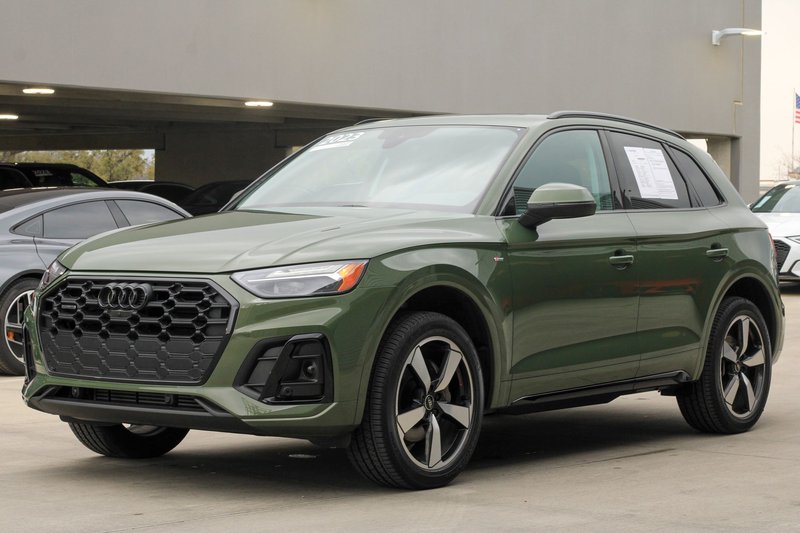
Audi sold nine core model lines in the US for 2007, spanning from a sub-$25k hatchback to a six-figure V10 super-sedan. Here’s the whole grid in one place.
| Model | Engine | Horsepower | Original MSRP | Used value (2026) |
|---|---|---|---|---|
| A3 | 2.0L turbo I4 / 3.2L V6 | 200 / 250 hp | ~$25,000 | $4,000–$8,000 |
| A4 | 2.0L turbo I4 / 3.2L V6 | 200 / 255 hp | ~$28,000 | $4,000–$9,000 |
| S4 | 4.2L V8 | 340 hp | ~$48,000 | $9,000–$16,000 |
| RS 4 | 4.2L V8 | 420 hp | ~$66,000 | $28,000–$45,000 |
| A6 | 3.2L V6 / 4.2L V8 | 255 / 350 hp | ~$41,000 | $6,000–$12,000 |
| A6 Avant | 3.2L V6 | 255 hp | ~$49,000 | $7,000–$13,000 |
| A8 | 4.2L V8 / 6.0L W12 | 350 / 450 hp | ~$68,000 | $9,000–$18,000 |
| S8 | 5.2L V10 | 450 hp | ~$92,000 | $20,000–$35,000 |
| Q7 | 3.6L V6 / 4.2L V8 | 280 / 350 hp | ~$50,000 | $7,000–$14,000 |
Used values vary wildly with mileage, service history, and whether the previous owner understood that German cars need maintenance, not just gas. The performance models (RS 4, S8) have held value because they’re now collectible. The regular A4 and A6 have not, which is exactly why they’re interesting to a budget buyer who knows what they’re getting into.
2007 Audi A3
The A3 was Audi’s entry point: a premium hatchback built on the same platform as the VW Golf, with a 2.0L turbocharged four making 200 horsepower or an optional 3.2L V6 with 250. The four-cylinder is the smarter pick. It’s lighter over the nose, it returns better fuel economy, and the turbo motor responds far better to tuning if that’s your thing.
What made the A3 unusual for the segment was that it came as a five-door hatch only in the US, never a sedan. Audi was betting Americans would buy a premium hatchback. They mostly didn’t, which is why clean examples are now cheap and a bit of a secret among people who want a compact German car with a usable rear hatch. It’s one of the more interesting entries in the broader list of 2000s hatchbacks, most of which leaned economy rather than premium.
2007 Audi A4 and S4
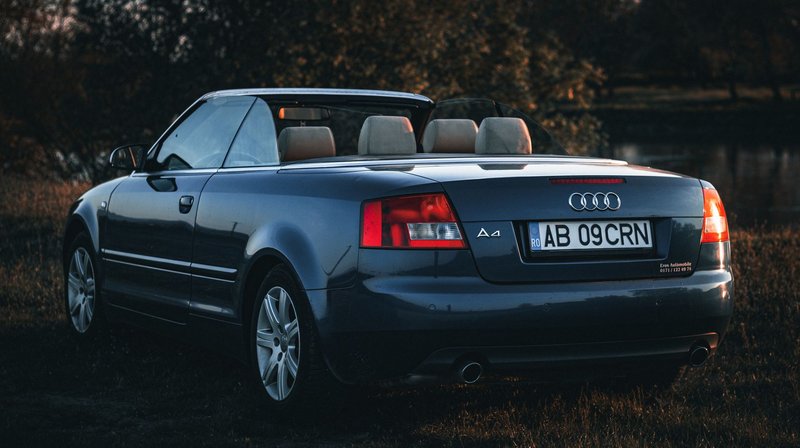
The A4 was the volume car, the one that paid for everything else. For 2007 it carried the B7 generation, offered as a sedan, Avant wagon, and Cabriolet convertible. Engines ran from the 2.0L turbo four (200 hp) up to a 3.2L V6 (255 hp), with front-wheel drive on base cars and Quattro all-wheel drive on most of the range. The 2.0T with Quattro and a six-speed manual is the enthusiast’s configuration, and it’s the one that ages best.
The S4 is where the B7 chassis got serious. Audi dropped a 4.2L V8 making 340 horsepower under the hood, a naturally aspirated motor that revs to 7,000 rpm and sounds like nothing else in the segment. It’s a tight fit, that V8 in an A4-sized engine bay, and it creates some of the maintenance headaches covered further down. But for the money, a manual B7 S4 is one of the great cheap-V8 plays in used cars right now.
2007 Audi RS 4
This is the one. The 2007 RS 4 (the B7 generation) was the first RS 4 sold in the United States, and it remains a high-water mark for the brand. The engine is a 4.2L V8 that makes 420 horsepower at a stratospheric 7,800 rpm, paired exclusively with a six-speed manual and Quattro. No automatic, no compromise.
What sets the RS 4 apart from the S4 isn’t just the extra 80 horsepower. It’s the wider fenders, the bigger brakes, the firmer suspension, and a Sport button that sharpens throttle response and steering weight. Audi built it as a 5,000-rpm-minimum car, an engine that does its real work in the top half of the tach. Drive one gently and you’ll wonder what the fuss is about. Wring it out and you understand why these now trade for more than they cost new in 2007. It’s a future classic that already arrived.
2007 Audi A6 and A6 Avant
The A6 was the executive sedan, slotting above the A4 and below the A8. For 2007 it came with a 3.2L V6 (255 hp) or a 4.2L V8 (350 hp), the latter giving the big sedan genuinely quick pace. The A6 Avant, the wagon version, paired the V6 with a generous cargo area and was one of the more elegant ways to haul a family without buying an SUV.
The A6 of this era introduced Audi’s Multi Media Interface, the rotary-knob infotainment system that took over from a cluttered button layout. It was a step forward in 2007 and feels archaic now, which is the fate of all in-car tech. Mechanically the V6 A6 is the sensible choice; the V8 is faster but adds weight and complexity over the front axle.
2007 Audi A8 and S8
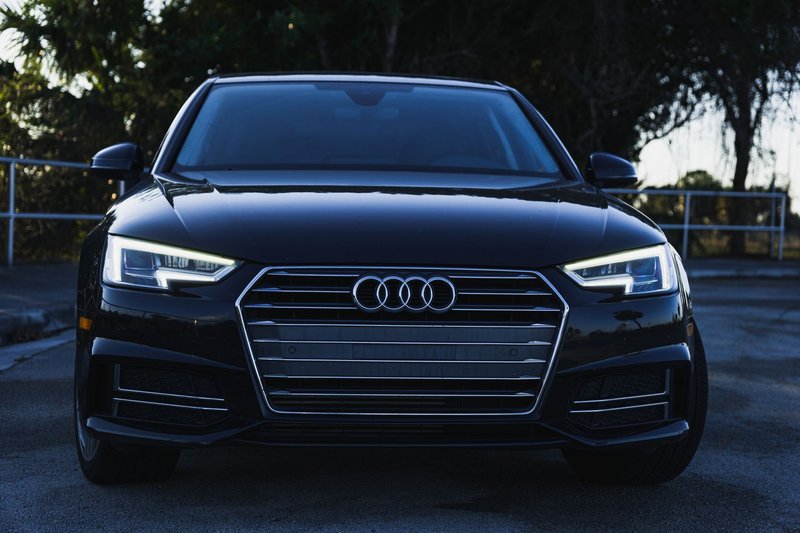
The A8 was Audi’s flagship, an all-aluminum luxury sedan available with a 4.2L V8 (350 hp) or, for people who measure success in cylinders, a 6.0L W12 making 450 horsepower. The aluminum spaceframe kept weight down despite the size, and the long-wheelbase A8 L was the chauffeur’s choice.
The S8 was new for 2007 and it’s the genuinely special one. Audi fitted a 5.2L V10 producing 450 horsepower, an engine closely related to the V10 in the Lamborghini Gallardo. A full-size luxury sedan that shares its heart with a supercar is a very Audi idea, and the S8 pulled it off with a straight face. It’s heavy, it drinks fuel, and the V10 is expensive to maintain, but it’s also one of the more underappreciated Q-ships of the 2000s. The Transporter movies put one on screen, and that’s roughly the energy.
2007 Audi Q7
The Q7 was the big news of the year: Audi’s first SUV, a three-row, seven-seat crossover built on the same platform as the Volkswagen Touareg and Porsche Cayenne. It launched with a 3.6L V6 (280 hp) or a 4.2L V8 (350 hp), both with Quattro standard.
The Q7 was never the off-roader its platform-mates pretended to be; Audi tuned it for the school run and the highway, not the trail. It’s big, it’s heavy, and the air suspension on equipped models is a known maintenance item. But it was the model that signaled where Audi’s volume and profit were headed, and within a decade the Q-range outsold the sedans. The 2007 Q7 is the start of that story.
Where Was the TT?
If you went shopping for a 2007 Audi TT, you found a gap. The first-generation TT ended production and the all-new second-generation car didn’t reach US showrooms until the 2008 model year. So 2007 is effectively a TT-less year in America, a quirk worth knowing if you’re researching the lineup and wondering why the iconic coupe is missing from the roster. It wasn’t discontinued; it was just between generations.
Reliability and Common Problems
Here’s the part the spec-grid directories skip. A 2007 Audi is a cheap car to buy and a not-cheap car to own if you buy the wrong example. The recurring issues by model:
- 2.0T engines (A3, A4, Q7): The early FSI 2.0 turbo motors are known for carbon buildup on the intake valves, requiring periodic walnut-blasting, and for cam follower wear that can damage the high-pressure fuel pump if ignored. Check service records for a cam follower replacement.
- 4.2L V8 (S4, RS 4): Timing chains live at the back of the engine, against the firewall. When the chain tensioners or guides wear, the repair often means pulling the engine, a four-figure job. A V8 with a documented timing service is worth a real premium over one without.
- Q7 and A8 air suspension: The air struts fail with age, and replacing them isn’t cheap. A car that sits unevenly in a parking lot is telling you something.
- Electronics and MMI: The infotainment, window regulators, and various control modules age the way 2007-era German electronics do. Budget for small annoyances.
None of the 2007 cars are catastrophes by Audi standards, and it’s worth keeping perspective by seeing where they sit against the brand’s genuine problem children in our rundown of the least reliable Audi cars. The pattern across all of them: a 2007 Audi with a thick folder of receipts is worth far more than a cheaper one without. You’re not buying the car, you’re buying the maintenance history. The NHTSA recall database is worth a quick check by VIN before you commit to any of them.
Which 2007 Audi Should You Buy Today?
It depends on what you actually want, so here’s the straight answer for each kind of buyer:
- Best daily driver on a budget: A manual 2.0T A4 Quattro. Cheap to buy, tunable, and the most usable of the bunch. Skip the V6.
- Best value performance car: The B7 S4. A naturally aspirated V8 with a manual for the price of a used economy car. Budget for the timing service and enjoy.
- Best future classic: The RS 4, no contest. Already appreciating, the first US RS 4, and a 420-hp V8 that revs to nearly 8,000 rpm. Buy the best one you can find.
- Best family hauler: The Q7 3.6, if you accept the running costs. It’s the SUV that started Audi’s modern era.
- Best left-field flex: The S8. A Lamborghini-related V10 in a sleeper luxury sedan. Heart says yes, wallet says know what you’re getting into.
The thread running through all of it: the 2007 lineup was Audi’s pivot year, the moment the brand built genuine desirability into the range. The plain A4 and A6 are bargains because nobody collects them. The RS 4 and S8 hold value because everybody wants them. Pick the one that matches the relationship you want with your mechanic, and buy on history over price every time.

Daniela Voss
More from Daniela VossHow we reviewed this article
This article was researched against manufacturer records and editorially reviewed before publishing. We accept no payment for coverage. Some guides contain affiliate links; see our affiliate disclosure.