TLDR
Volkswagen sold six model lines in the US in 1984: the Rabbit (including the GTI and Convertible), Jetta, Scirocco, Quantum, and Vanagon. Databases that list a “Golf” for 1984 are using the European name. In America the Golf name didn’t arrive until 1985.
| Model | Body style | Engine (typical) | Notes |
|---|---|---|---|
| Rabbit | 2- and 4-door hatchback | 1.7L gas, 1.6L diesel | L, GL trims; base price around $7,165 |
| Rabbit GTI | 2-door hatchback | 1.8L four, about 90 hp | The one everyone wants |
| Rabbit Convertible | 2-door soft top | 1.8L four | Karmann-built |
| Jetta | 4-door sedan (2-door too) | 1.7L gas, 1.6L diesel/turbodiesel | The Rabbit with a trunk |
| Scirocco | 2-door hatchback coupe | 1.8L four | Second generation |
| Quantum | 4-door sedan, wagon | 1.9L five-cylinder | Passat-based, Audi-flavored |
| Vanagon | Van, camper | 1.9L water-cooled flat-four | Rear-engine, last of the VW vans sold new here |
Table of Contents
- How the 1984 lineup worked
- Rabbit, Golf and the naming confusion
- Rabbit GTI and Convertible
- Jetta
- Scirocco
- Quantum
- Vanagon
- What a 1984 Volkswagen is worth today
- Which 1984 VW should you buy?
- FAQ
How the 1984 Lineup Worked
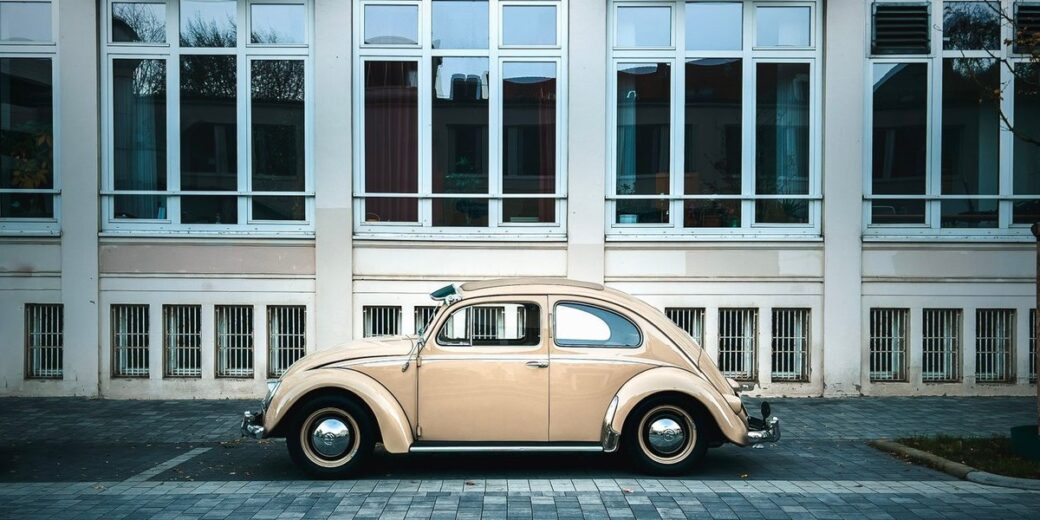
By 1984 Volkswagen had stopped being the Beetle company. The Beetle was gone from US showrooms (sedan sales ended in 1977, the convertible in 1979), and the front-engine, water-cooled cars had taken over. The lineup was built around one platform, the Rabbit, with variations stacked on top: add a trunk and you get the Jetta, add a sporty tune and you get the GTI.
The 1984 cars were also the last of an era. The following year brought the redesigned Golf and a refreshed Jetta, which is why 1984 is the final model year for the original Rabbit. To see what else 1984 had to offer across the automotive industry, check out other 1984 car models.
Rabbit, Golf and the Naming Confusion
Same car, two names. Volkswagen called the Mk1 Golf the Rabbit in North America, and the 1984 US car is that Rabbit. The Golf name replaced it in the US with the 1985 model year, when the second-generation car arrived.
So when a listing shows a 1984 “Golf,” it’s usually pointing at a European-market car, or at a database that merged the two names. A US-market 1984 is a Rabbit.
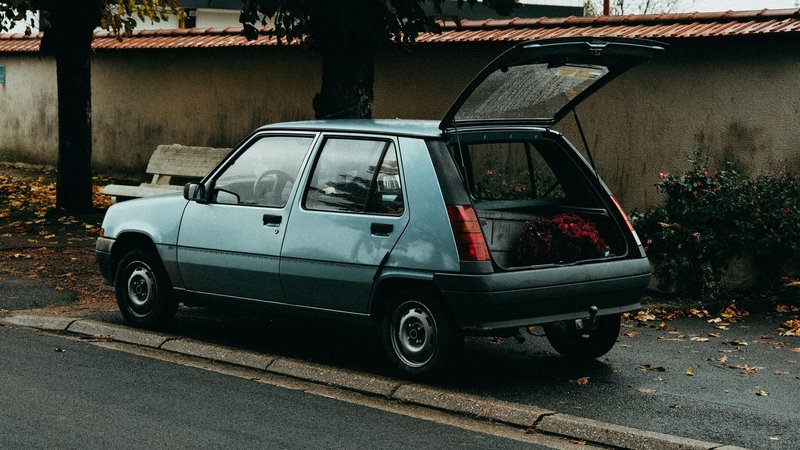
The Rabbit came as a two- or four-door hatchback in L and GL trim. Gas versions used a 1.7-liter four. Diesel buyers, and there were plenty after the fuel shocks of the 1970s, could pick a 1.6-liter diesel that returned fuel economy figures other cars of the time couldn’t touch. Compare the numbers yourself on the EPA and Department of Energy fuel economy database.
Pricing in iSeeCars’ data starts at $7,165 for the base Rabbit and climbs to $11,280 for the top versions. That’s cheap even by 1984 standards.
Rabbit GTI and Convertible
The GTI is the reason 1984 VWs get searched. It had a 1.8-liter four making roughly 90 hp, a five-speed manual, stiffer suspension, a front chin spoiler, and the red-striped grille and plaid seats that every later hot hatch borrowed from. Ninety horsepower sounds like a rounding error now. In a car weighing a little over 2,000 pounds, it was quick.
The Rabbit Convertible shared the 1.8-liter engine and was built with Karmann, the coachbuilder that also made the Beetle cabriolet. It had a roll bar for structure, a manual top, and a reputation for rattling over rough pavement. VW kept it for the Rabbit’s last year and then replaced it with the Cabriolet in 1985.
Jetta
The Jetta was the Rabbit’s sedan sibling, with a proper trunk added behind the rear window. Buyers in 1984 could choose a 1.7-liter gas engine, a 1.6-liter diesel, or a turbodiesel. The turbodiesel was the one for people who drove a lot: about 68 hp, more passing power, and the same ability to run for hundreds of thousands of miles if the timing belt got changed on schedule.
The Jetta also had the more grown-up image. Rabbits belonged to students and commuters. Jettas ended up in suburban driveways.
Scirocco
The Scirocco was the sporty two-door coupe, a Giugiaro design that had started in 1974 and been redone for the second generation. In 1984 it used the 1.8-liter four, similar to the GTI, but wrapped in a lower, wedge-shaped hatchback. It shared parts with the Rabbit and handled very well for the money.
It’s the most overlooked 1984 VW today. Among 1980s hatchbacks, the Scirocco remains similarly underrated. A good one costs less than a clean GTI, drives similarly, and gets far fewer people looking at you in parking lots.
Quantum
The Quantum was VW’s midsize entry, the American-market version of the Passat and related to the Audi 80. It came as a sedan or wagon with a 1.9-liter five-cylinder gas engine, and there was a turbodiesel option as well. It’s the quietest and most comfortable car of the group, and also the least common. If you want something unusual at a car show, this is it.
Parts can be the hard part. Some trim and body pieces are specific to the Quantum, and they’ve mostly disappeared.
Vanagon
The Vanagon (Type 25) was the third-generation VW van, boxier and roomier than the Bus it replaced. For 1984 the engine was a 1.9-liter water-cooled flat-four with around 82 hp, still in the rear, still slow. The water-cooled “wasserboxer” had a reputation for head gasket trouble, and that reputation was earned.
The reason Vanagons are expensive is the Westfalia camper, with its pop-up roof, fold-down bed, and built-in kitchen. A Vanagon camper in good condition now costs more than the rest of this list combined.
What a 1984 Volkswagen Is Worth Today
Values vary a lot by condition and by how the car’s been stored, so treat these as rough ranges, not quotes.
- Rabbit, Jetta, Quantum: usually the cheapest to buy. Clean survivors cost a few thousand dollars, and rust-free examples are scarce.
- GTI: the strongest of the hatchbacks. Good cars bring several times what a standard Rabbit does.
- Scirocco and Convertible: between the base cars and the GTI.
- Vanagon: highest by far, especially in camper form.
Rust is the main enemy across the board. Check rocker panels, floors, and the area around the windshield. On diesels, ask for timing belt records. On the Vanagon, ask for the head gasket history. And before you buy anything, run the VIN through the NHTSA recall lookup to see whether open recalls exist.
Which 1984 VW Should You Buy?
- Want the icon? GTI. It’s the car that defined the hot hatch.
- Want something for summer weekends? Rabbit Convertible.
- Want a cheap daily driver with character? Jetta, especially a gas model for simplicity.
- Want a good driver nobody else has? Scirocco.
- Want to sleep in it? Vanagon camper, with a budget for engine work.
- Want to stand out? Quantum wagon.
FAQ
How many Volkswagen models were sold in the US in 1984?
Six model lines: Rabbit, Jetta, Scirocco, Quantum, Vanagon, and the Rabbit Convertible, with the GTI as a performance version of the Rabbit.
Was there a 1984 Volkswagen Golf?
Not in the US. The Rabbit was the American name for the Golf until 1985.
How much horsepower did the 1984 VW GTI have?
About 90 hp from its 1.8-liter four-cylinder engine.
Were 1984 Volkswagens reliable?
They were reasonably reliable for the era, with the usual problems: rust, aging rubber, and electrical gremlins. Diesels in particular last a long time with regular timing belt changes.
Which 1984 Volkswagen is worth the most?
The Vanagon Westfalia camper, followed by clean GTIs.

Marco Delantero
More from Marco DelanteroHow we reviewed this article
This article was researched against manufacturer records and editorially reviewed before publishing. We accept no payment for coverage. Some guides contain affiliate links; see our affiliate disclosure.