Most 1971 Ford cars get lumped under one heading: the year muscle died. That’s half right. Ford spent 1971 killing off the Boss 302 and Boss 429, shrinking compression ratios and launching a car it hoped would weigh under 2,000 pounds. It also built the biggest Mustang yet, a 429-powered Torino and the largest full-size Ford to that point. The lineup was messier and more interesting than the obituary version.
This is the whole 1971 lineup in one place: what each model was, which versions matter, where they rust and roughly what they cost today.
Contents
- The 1971 Ford Lineup at a Glance
- Why 1971 Looked Different From 1970
- Mustang: Bigger, Heavier, Still Fast
- Torino: The Fairlane Name Disappears
- Galaxie 500 and LTD: The Biggest Fords Yet
- Maverick: The $1,995 Import Fighter
- Pinto: Ford’s First Real Subcompact
- Thunderbird: Last Year for the Four-Door
- Ranchero: A Pickup Built on a Torino
- Buying a 1971 Ford: Prices, Rust and What’s Rising
- Which 1971 Ford Should You Buy?
The 1971 Ford Lineup at a Glance
Values below are ballpark ranges for driver-quality to well-restored cars, not auction guarantees. Condition, originality and engine swing them hard.
| Model | Body styles | Engines | Notable fact | Rough value |
|---|---|---|---|---|
| Mustang (base, Grande, Mach 1) | Hardtop, SportsRoof fastback, convertible | 250 six; 302, 351 Cleveland, 429 Cobra Jet V8s | Largest Mustang to date | $18,000 to $80,000 |
| Mustang Boss 351 | SportsRoof only | 351 Cleveland, 4-barrel, 11.0:1 | 1,806 built, one year only | $120,000 to $200,000+ |
| Torino (incl. GT, Cobra) | 2-door hardtop and SportsRoof, 4-door sedan, wagon | Six; 302, 351 Cleveland, 429 V8s | Fairlane name dropped | $12,000 to $90,000 |
| Galaxie 500 / LTD | 2- and 4-door hardtop, sedan, wagon, convertible | 240 six; 302 to 429 V8s | 121-inch wheelbase | $8,000 to $35,000 |
| Maverick (incl. Grabber) | 2-door and 4-door sedan | Six; 302 V8 option | Four-door added | $8,000 to $28,000 |
| Pinto | 2-door sedan, Runabout hatchback | 1.6L and 2.0L four-cylinders | Ford’s first subcompact | $6,000 to $18,000 |
| Thunderbird | 2-door, 4-door Landau | 429 V8 | Last four-door of the era | $8,000 to $25,000 |
| Ranchero | Car-based pickup | Six; 302, 351, 429 V8s | Torino platform, 117-inch wheelbase | $15,000 to $45,000 |
Why 1971 Looked Different From 1970
Ford’s “Total Performance” racing program was over, and the money followed the exit. Insurance surcharges on big-engine cars were climbing, and the Clean Air Act of 1970 told automakers to cut new-car emissions 90 percent by 1975. Engineers started lowering compression ratios so engines could tolerate lower-octane, lower-lead fuel, which is why 1971 horsepower ratings look soft next to 1970.
One caution when comparing numbers: 1971 ratings are still SAE gross horsepower, measured on a bare engine. Net ratings, which include accessories and exhaust, arrived the following year and made everything look weaker on paper. A 1971 car and a 1972 car with the same engine are closer than the brochures suggest.
The other half of the story was imports. Volkswagen and Japanese brands were eating the bottom of the market, and Ford’s answer came in two sizes: the Maverick and the Pinto.
Mustang: Bigger, Heavier, Still Fast
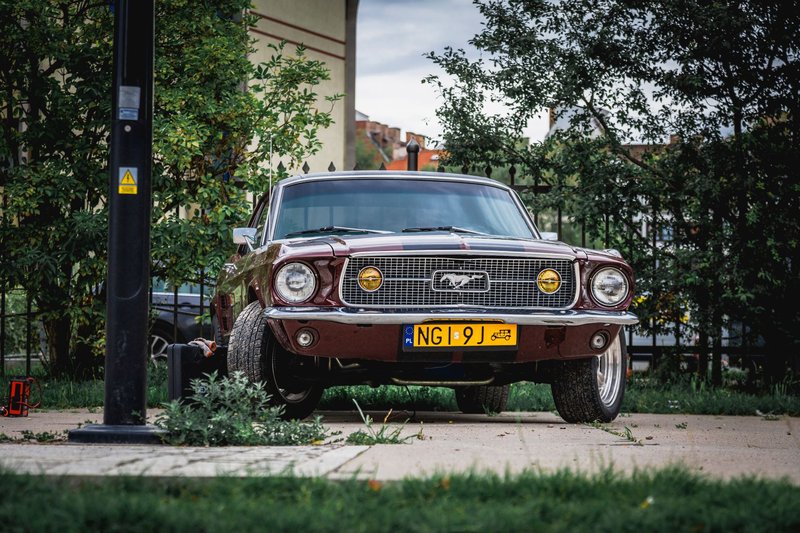
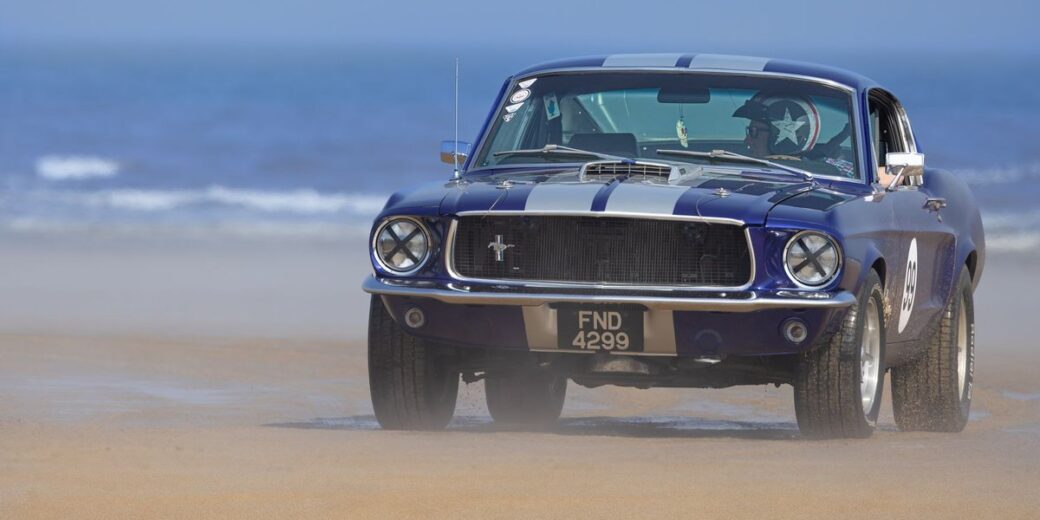
The 1971 Mustang was the biggest one yet, and nobody was shy about saying so. The car grew in length, width and weight, and the SportsRoof fastback got a rear window raked so flat that rear visibility is a running joke among owners. It also made room under the hood for the big engines: 351 Cleveland V8s and the 429 Cobra Jet, with a ram-air Super Cobra Jet above that.
Ford built roughly 150,000 Mustangs for 1971, spread across hardtop, SportsRoof and convertible. The Mustang Grande took the luxury route with a vinyl roof and extra sound deadening. The Mach 1 stayed the volume performance trim, with a honeycomb grille, a NASA-style hood, stripes and a competition suspension.
The Boss 351 is the one collectors fixate on. It replaced both the Boss 302 and Boss 429 and ran only this single year. Underneath was a 351 Cleveland with 11.0:1 compression, a solid-lifter cam, ram-air induction, a Hurst four-speed and a 3.91 Traction-Lok rear axle. High compression in 1971 made it the exception to the year’s trend, and Ford made only 1,806 of them. Period tests put 0 to 60 mph under six seconds.
If you’re shopping, the Mach 1 with a 351 is the sweet spot between price and experience. A base hardtop with a 302 is the cheap way in.
Torino: The Fairlane Name Disappears
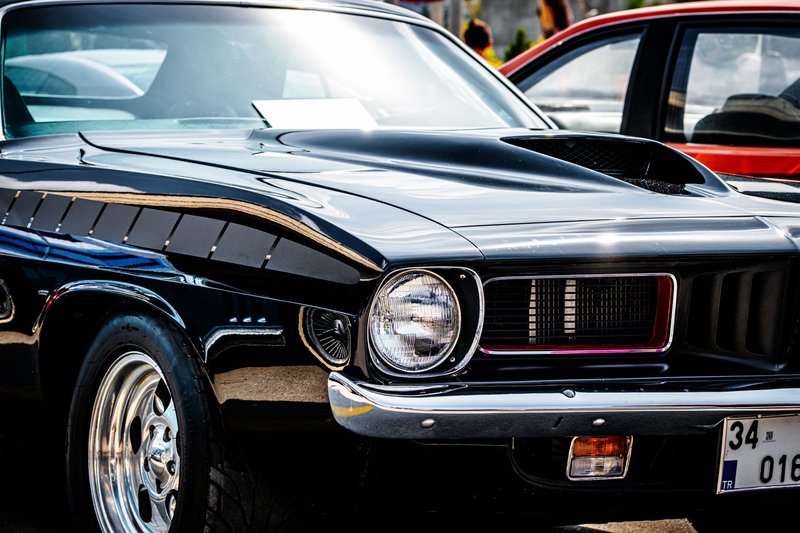
Ford’s midsize line was now simply the Torino. The Fairlane name was retired in North America after 1970, so if you’re hunting for a “1971 Fairlane 500,” you’re really looking at a base Torino or Torino 500. The long-hood, fastback-roofed shape had debuted for 1970 and carried over with minor trim changes.
The range covered four-door sedans, wagons and two-door hardtops, plus the sporty Torino GT and the Torino Cobra. The Cobra was available as a two-door SportsRoof and, in 1971, came with a 351 four-barrel as standard instead of the 429 Cobra Jet it had run the year before. The 429 stayed on the option list, and a real 429 Cobra Jet car from this year is the one to hunt.
Torino styling split opinion at the time and still does. The nose is long, the roofline is low and the proportions look better the closer the car is to the ground. Which, with a stock suspension, it usually isn’t.
Galaxie 500 and LTD: The Biggest Fords Yet
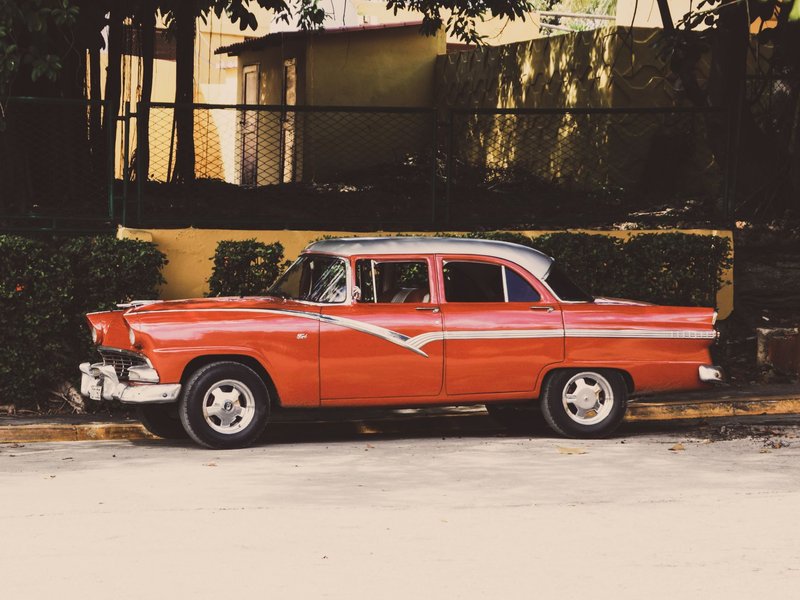
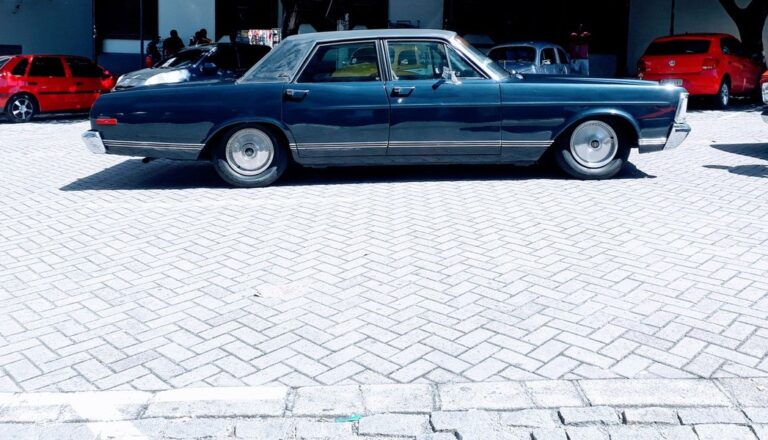
The full-size Ford was all new for 1971, riding a 121-inch wheelbase. The Galaxie 500 was the mainstream pick, while the LTD added upholstery, trim and quiet. Choose the Country Squire if you want the wood-grain wagon that hauled a thousand family vacations.
Engines ran from a 240-cubic-inch six through 302, 351, 390, 400 and 429 V8s. Most buyers got a V8 that never came close to a drag strip, and a big sedan with a 429 under the hood is a better highway car than a Mustang ever was.
These cars sit at the bottom of the price spectrum, with the exception of the rare ones. Convertibles and the few wagons in outstanding shape carry the premiums, while four-door sedans trade at modest money. For anyone who wants a loud, huge 1970s American car without a five-figure entry price, this is the segment.
Maverick: The $1,995 Import Fighter
Ford launched the Maverick on April 17, 1969 at $1,995, exactly five years after the Mustang. It sold nearly 580,000 in its first year, close to the Mustang’s 1965 record of 619,000.
For 1971, the Maverick grew a four-door sedan and gained a 302 V8 option, which turned a plain compact into a sleeper. The Grabber package added hood graphics, stripes and the visual attitude to match. Underneath it was a simple Falcon-derived chassis, which is exactly why parts are cheap and the cars are easy to work on.
The Maverick is arguably the best-value entry in the 1971 Ford lineup. It’s simple, the parts are available and a Grabber V8 gets looks from people who thought they knew what a Maverick was.
Pinto: Ford’s First Real Subcompact
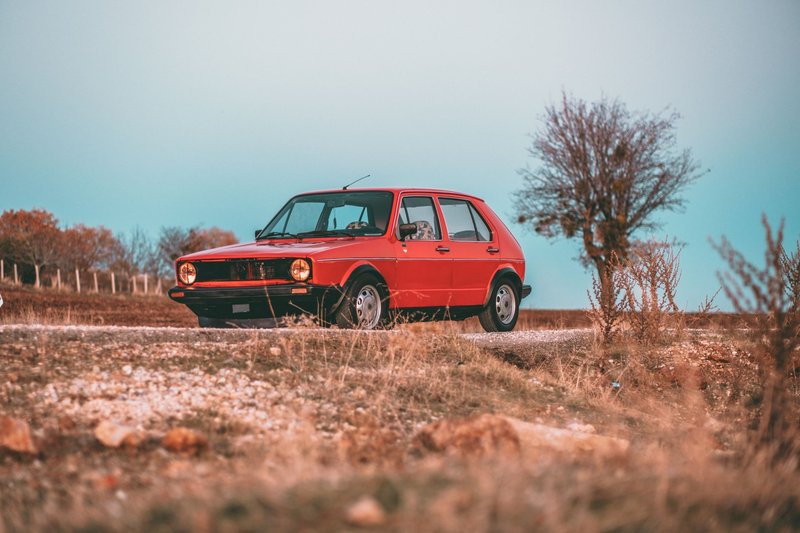
The Pinto went on sale on September 11, 1970 as a 1971 model. Ford’s targets were a curb weight under 2,000 pounds and a price under $2,000, aimed squarely at the VW Beetle and Toyota Corolla. The wheelbase was 94.2 inches.
Two four-cylinder engines were offered: a 1.6-litre from Ford of Europe’s Cortina line and a newer 2.0-litre overhead-cam four. The body started as a two-door sedan, and the Runabout hatchback joined early in the model year.
You can’t write about the Pinto without the fuel tank. In 1978, Ford recalled about 1.5 million Pintos after regulators found the rear-mounted tank vulnerable to rupture in rear-end collisions, and the recall covered 1971 through 1976 models. Owners of surviving cars usually know the story. They also know the car was cheap, light, easy to maintain and fun with the 2.0.
Thunderbird: Last Year for the Four-Door
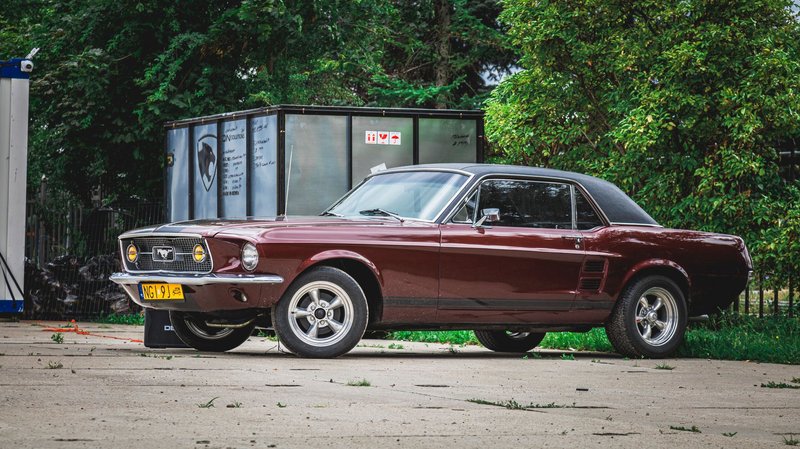
The Thunderbird wrapped up its 1967-generation design in 1971, and it was the last year for the four-door Landau, whose rear-hinged back doors are the detail anyone with the car loves to show off. The Thunderbird used a 429 V8 and a 115-inch wheelbase on the two-door.
It was a personal-luxury car in the old style: power everything, vinyl roofs and a long hood. The car is cheap compared with a Mustang of the same year, and the market has been slow to notice.
Check the vinyl roof carefully. Moisture hides under it, and rust under a vinyl top is the Thunderbird’s most common surprise.
Ranchero: A Pickup Built on a Torino
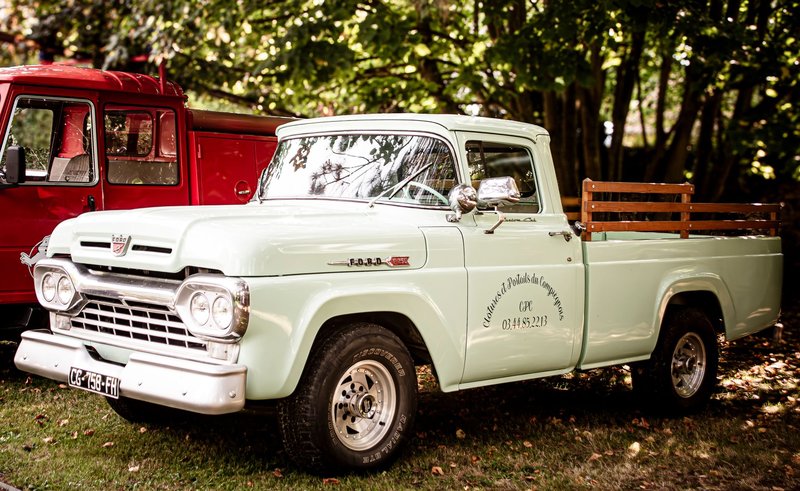
Ford’s car-based pickup rode the Torino platform and 117-inch wheelbase, which made it more of a car than a truck in every way except the bed. It came as a base Ranchero, 500, Squire and GT. Engines ran from a six up to the 429.
Few classics get this much use for their price. A Ranchero with a 351 and a clean bed is an easy daily-driver classic that carries a motorcycle or a load of mulch.
Watch the bed floor and tailgate, which collect water and rust from the inside out. Ranchero-specific body panels are harder to find than Torino ones.
Buying a 1971 Ford: Prices, Rust and What’s Rising
Dealer listings for 1971 Fords run from about $4,995 to over $184,900, with an average near $44,680. That average is skewed by the Boss 351s and big-block cars at the top of the range. Asking price is also not sale price, so treat any average as a ceiling, not a target.
Where they rust:
- Mustang: cowl and firewall seams, floor pans, torque boxes, behind the front wheels and the shock towers.
- Torino and Ranchero: lower rear quarters, trunk floor, rear window channel and, on the Ranchero, the bed floor.
- Galaxie and LTD: lower fenders, rear quarters, frame rails and under vinyl roofs.
- Maverick and Pinto: floors, rocker panels, lower fenders and the trunk.
- Thunderbird: the vinyl top, the rear window and the lower body.
Check the numbers. The fifth character of the VIN is the engine code, and the door data plate lists body, paint and transmission codes. Matching numbers on a Boss 351, Cobra Jet or 351 Cobra can swing the price by tens of thousands, so verify them before you negotiate.
What’s rising: the Boss 351 is already expensive and keeps climbing, while the Mach 1 follows closely behind. The Torino Cobra, 429 Cobra Jet cars and Maverick Grabbers are the next tier of interest. The Thunderbird and full-size cars remain among the least expensive, and that’s the argument for buying one now.
Which 1971 Ford Should You Buy?
Among 1971 Ford cars, the answer depends on what you want from it. Here’s the short version:
- Collector money, no apologies: Boss 351 Mustang.
- Best all-round classic: Mach 1 with a 351.
- Muscle-era Ford on a budget: Torino GT or a Maverick Grabber with the 302.
- Big, comfortable and cheap: Galaxie 500 or LTD, ideally a wagon.
- Underrated: Thunderbird, and the Ranchero.
- Cheap with a story: Pinto Runabout.
Whichever one you pick, buy the cleanest body you can afford. Engines are easy to rebuild. Rust repair is where budgets disappear.

Marco Delantero
More from Marco DelanteroHow we reviewed this article
This article was researched against manufacturer records and editorially reviewed before publishing. We accept no payment for coverage. Some guides contain affiliate links; see our affiliate disclosure.