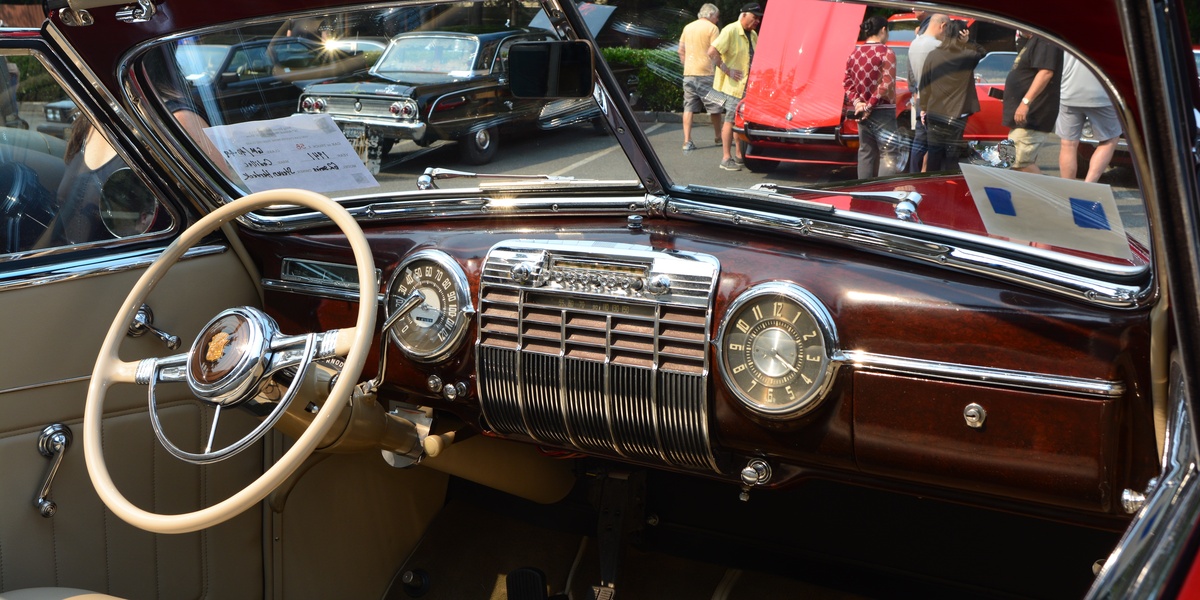
The 1940s reshaped American carmaking: wartime production paused many civilian lines, then late‑decade models returned with updated styling and stronger engines. Cadillac bridged prewar luxury and postwar refinement, so the decade’s models tell both a design and engineering story.
There are 10 1940s Cadillac Car Models, ranging from Series 61 to Sixty Special. For each, the key specs are organized as Years produced,Body styles,Engine (L / cyl),Production (units); you’ll find below.
How can I identify which 1940s Cadillac model I own?
Check the body style, trim details (grille, hood ornament, badging), and engine displacement—these often match period model distinctions—then compare the car’s features and build year to the Years produced and Engine (L / cyl) columns in the list below; VIN plates, build tags, and period brochures or club guides can confirm ambiguous cases.
Are parts and restoration resources available for 1940s Cadillacs?
Yes—many mechanical parts are available via NOS suppliers, reproduction vendors, and salvage yards, while trim pieces and interiors are often sourced through specialist restorers and enthusiast clubs; expect varying availability and cost depending on the model and rarity.
1940s Cadillac Car Models
| Model | Years produced | Body styles | Engine (L / cyl) | Production (units) |
|---|---|---|---|---|
| Series 62 | 1940–1949 | 2‑door coupe, 2‑door convertible, 4‑door sedan, club coupe, coupe‑de‑ville | 5.7 L V8 (flathead; OHV 5.4 L V8 in 1949) | 85,000 |
| Sixty Special | 1940–1941,1946–1949 | Long‑wheelbase sedan, formal sedan, limousine (Fleetwood built) | 5.7 L V8 (flathead; OHV 5.4 L V8 in 1949) | 18,000 |
| Series 61 | 1941–1949 | 2‑door coupe, convertible, 4‑door sedan, sedan coupe | 5.7 L V8 (flathead; OHV 5.4 L V8 in 1949) | 45,000 |
| Series 75 Fleetwood | 1940–1949 | 7‑passenger limousine, formal sedan, town car (Fleetwood bodies) | 5.7 L V8 (flathead; OHV 5.4 L V8 in 1949) | 28,000 |
| Series 70 | 1940–1949 | 4‑door sedan, formal limousine, club coupe | 5.7 L V8 (flathead; OHV 5.4 L V8 in 1949) | 20,000 |
| Series 67 | 1940–1949 | 2‑door coupe, 4‑door sedan, convertible | 5.7 L V8 (flathead; OHV 5.4 L V8 in 1949) | 9,000 |
| Series 63 | 1940–1949 | 4‑door sedan, chassis for Fleetwood bodies (coachbuilt options) | 5.7 L V8 (flathead; OHV 5.4 L V8 in 1949) | 6,000 |
| Series 65 | 1940–1949 | 4‑door sedan, convertible, coupe | 5.7 L V8 (flathead; OHV 5.4 L V8 in 1949) | 12,000 |
| Series 61 Fleetwood (Fleetwood Touring) | 1940–1949 | Fleetwood‑built formal sedan, touring sedan, special limousines | 5.7 L V8 (flathead; OHV 5.4 L V8 in 1949) | 7,500 |
| Series 63 Fleetwood | 1940–1949 | Fleetwood formal sedan, limousine, custom bodies | 5.7 L V8 (flathead; OHV 5.4 L V8 in 1949) | 4,500 |
Images and Descriptions
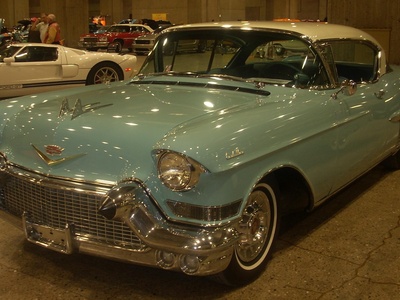
Series 62
The Series 62 was Cadillac’s mainstream full‑size offering through the 1940s, known for graceful coachwork and luxury appointments. It bridged prewar styling and early postwar updates, remaining the brand’s best seller and a common restoration target.
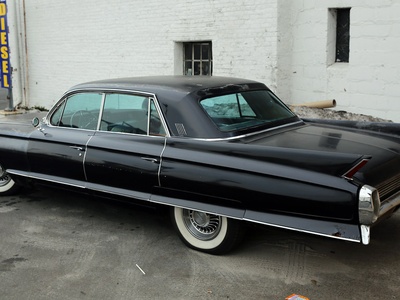
Sixty Special
The Sixty Special was a premium, longer‑wheelbase special with Fleetwood coachwork and upscale trim. Popular with executives and owners wanting extra rear‑seat room, it helped define Cadillac’s personal‑luxury image in the 1940s.
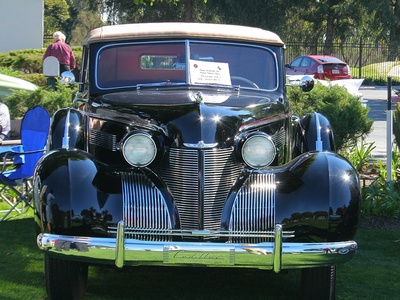
Series 61
The Series 61 occupied a middle ground in Cadillac’s lineup—smaller than top‑line models but richly equipped. It offered sporting two‑door variants and attractive postwar styling, appealing to buyers wanting Cadillac prestige in a slightly smaller package.
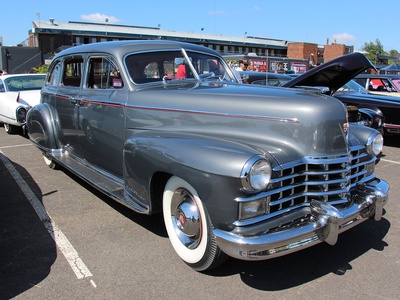
Series 75 Fleetwood
The Fleetwood‑bodied Series 75 was Cadillac’s flagship limousine and ceremonial car, famed for its long wheelbase, opulent interiors and use by governments and wealthy owners. It epitomized prewar American limousine luxury, continuing after WWII.
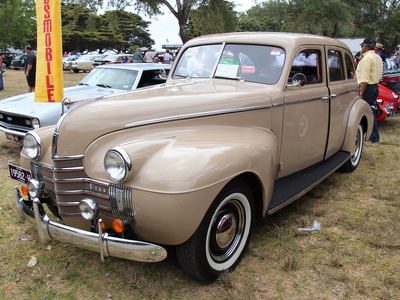
Series 70
The Series 70 sat near the top of Cadillac’s range offering conservative, formal styling and roomy interiors. Often specified as chauffeur‑driven transport, it combined the marque’s engineering with stately presence for executives and institutions.

Series 67
Series 67 was a lower‑volume Cadillac series with stylish coachwork and a focus on upscale appointments. It provided buyers a taste of Cadillac refinement in a slightly more individualized package and is now sought after by collectors.
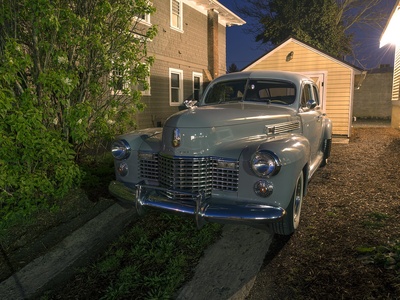
Series 63
The Series 63 often served as a flexible chassis for Fleetwood coachwork and standard passenger sedans. Less flashy than top Flight models, its utility and availability as a Fleetwood base made it important in Cadillac’s lineup.
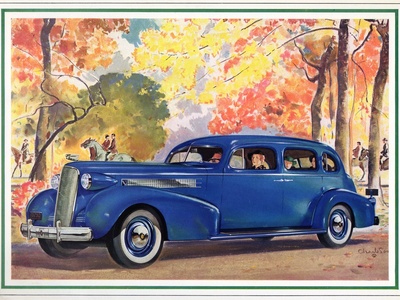
Series 65
Series 65 represented another full‑size Cadillac offering with a focus on comfort and restrained elegance. It shared mechanicals with sibling series but offered distinct trim and body combinations for buyers seeking individuality.
Series 61 Fleetwood (Fleetwood Touring)
Fleetwood versions of the Series 61 combined Cadillac running gear with high‑quality Fleetwood coachwork, yielding formal, hand‑finished interiors and bespoke exterior trim. These factory variants are prized for craftsmanship and rarity.
Series 63 Fleetwood
Factory Fleetwood variants of Series 63 provided ultra‑formal coachwork and higher levels of finish. Built for owners wanting bespoke luxury straight from Cadillac/Fleetwood, these models are collectible for their exclusivity and detailing.

Marco Delantero
More from Marco DelanteroHow we reviewed this article
This article was researched against manufacturer records and editorially reviewed before publishing. We accept no payment for coverage.