Dodge has built cars since 1914, and the list of dead nameplates is long. Most roundups of old Dodge models stop at the Charger and the Viper and treat the rest as filler. That skips the Power Wagon, the A100 van, the K-car that kept Chrysler solvent, and a pink 1950s sedan sold with a matching purse.
This guide runs through the discontinued Dodge models worth knowing, grouped by era. Each entry gives the years, the one thing that defines it, and why it ended. A buyer’s section at the end covers values, parts and what to watch for.
Contents
- Quick-scan table
- Early Dodge: 1914 to the 1940s
- The 1950s: Forward Look
- The 1960s and early 1970s: muscle era
- The late 1970s and 1980s: K-cars and front-drive
- The 1990s and 2000s: cab-forward and V10s
- Old Dodge trucks and vans
- Buying an old Dodge
Quick-scan table
| Model | Years | Type | Fate |
|---|---|---|---|
| Model 30 | 1914-1927 (Dodge Brothers cars) | Touring car | Replaced by later Dodge Brothers series after Chrysler’s 1928 takeover |
| La Femme | 1955-1956 | Two-door hardtop | Dropped after two years of weak sales |
| Polara | 1960-1973 | Full-size car | Replaced by the Monaco |
| Dart | 1960-1976 | Compact | Replaced by the Aspen |
| Coronet | 1949-1976 | Full-size, then mid-size | Replaced by the Monaco |
| Charger (first generation) | 1966-1978 | Fastback, then coupe | Name moved to a front-drive hatchback in 1981 |
| Challenger (first generation) | 1970-1974 | Pony car | Sales collapsed; revived in 2008 |
| Aspen | 1976-1980 | Compact | Replaced by the Aries |
| Omni | 1978-1990 | Hatchback | Replaced by the Shadow |
| Aries | 1981-1989 | K-car compact | Replaced by the Spirit |
| Daytona | 1984-1993 | Front-drive hatchback | Retired with the Shadow-platform coupes |
| Stealth | 1991-1996 | Sports coupe | Ended with the Mitsubishi 3000GT partnership |
| Viper | 1992-2017 | Sports car | Ended by slow sales and airbag/safety rules |
| Intrepid | 1993-2004 | Full-size sedan | Replaced by the new Charger |
| Neon | 1995-2005 | Compact | Replaced by the Caliber |
| Power Wagon | 1945-1980 (original run) | Pickup | Name revived on the Ram in 2005 |
| A100 | 1964-1970 | Compact van | Replaced by the larger B-series Ram Van |
| Dakota | 1987-2011 | Mid-size pickup | Production ended 2011 |
Early Dodge: 1914 to the 1940s
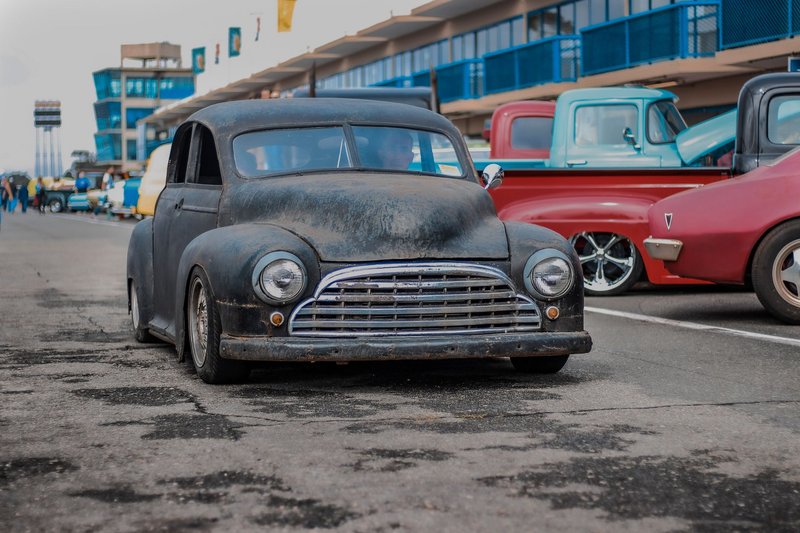
Dodge Brothers Model 30 (1914). John and Horace Dodge spent their first years as suppliers, building parts for Ford. In 1914 they built their own car, a four-cylinder touring car with a reputation for durability that sold the brand for the next decade. The brothers both died in 1920, and Dodge Brothers was sold to Dillon, Read & Co. in 1925. Chrysler bought the company in 1928. That deal is why a Dodge from the 1930s shares so many parts and ideas with a Plymouth or a Chrysler.
Dodge Power Wagon (1945). The Power Wagon started life as a military truck. Dodge’s WC-series 4x4s did the work in World War II, and in 1945 the company sold a civilian version with the same four-wheel drive, a winch option and a 230-cubic-inch six. Farmers, ranchers and utility crews bought them because nothing else offered that capability off a dealer lot. The original ran into 1980, and Ram brought the name back on the 2500 in 2005. More on its descendants in the trucks section below.
The 1950s: Forward Look
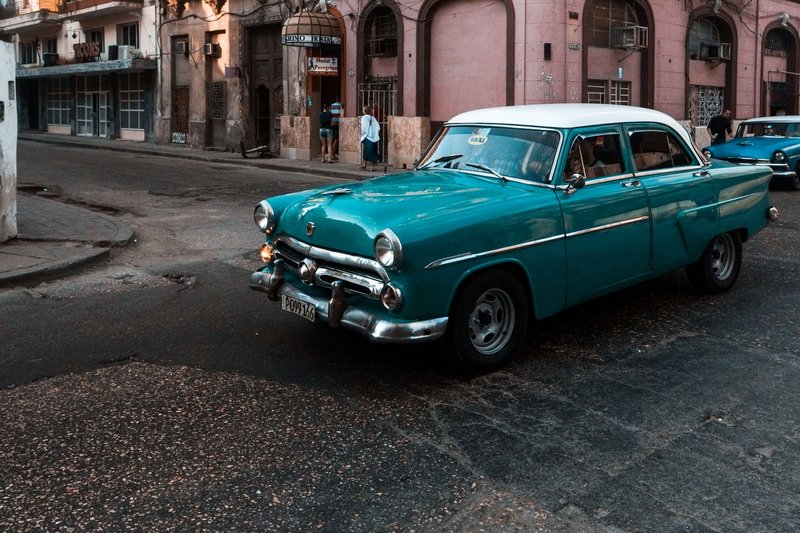
Dodge La Femme (1955-1956). This one is a footnote with a following. Dodge pitched it at women: Heather Rose and Sapphire White paint, pink-and-rose interior, and a fitted kit that included a purse, a lipstick case and a rain cape. It lasted two model years. Collectors now chase it for the oddness, not the engine, and clean ones are rare.
Dodge Coronet (1949-1959, then 1965-1976). The Coronet name covered two different cars. The first generation was Dodge’s full-size sedan and the staple of the lineup through the 1950s, including the 1957 cars with their tall “Swept-Wing” fins. In 1965 it moved to the mid-size slot. That second life produced the 1967 Coronet R/T and the 1968 Super Bee, a stripped-down Coronet with a 383 V8 that ran on the cheap-muscle formula. Dodge dropped the Coronet after 1976 and folded its role into other mid-size cars.
The 1960s and early 1970s: muscle era
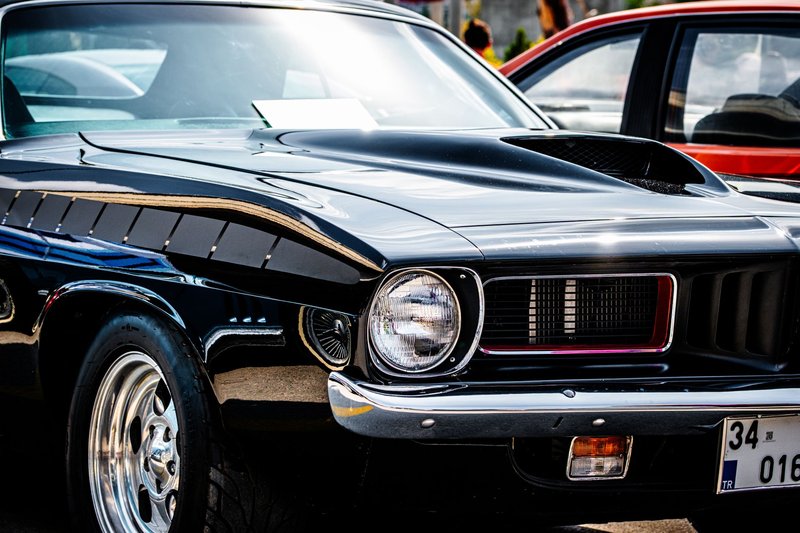
Dodge Polara (1960-1973). A full-size car that most people forget until you mention the 1960s drag strips, where the Polara with a 426 Max Wedge V8 ran hard. It was replaced by the Monaco as Dodge’s flagship sedan. Low prices make the Polara one of the cheapest ways into big-block Mopar ownership, particularly in sedan form.
Dodge Dart (1960-1976). The Dart began as a full-size-adjacent car in 1960 and shrank into the compact that carried the name for years. The 1968 and 1969 Dart GTS 340 and 383 are the ones people talk about, small cars with surprisingly big engines. The name returned in 2013 on a very different car and was gone again by 2016. The original ended when Dodge replaced it with the Aspen.
Dodge Charger (1966-1978). The first Charger was a fastback built on the Coronet platform, and the 1968 redesign turned it into one of the most recognized shapes of the decade. The 1968 R/T was the car in the Bullitt chase scene, and the 1969 General Lee gave the car TV immortality. Dodge also built the 1969 Charger Daytona, a nose-coned, winged homologation special for NASCAR. A few hundred were built, and good ones now sell for seven figures at auction. By the mid-1970s the Charger had become a personal luxury coupe and the name faded. Dodge revived it in 1981 as a front-drive hatchback, then again in 2006 as a full-size sedan.
Dodge Challenger (1970-1974). Dodge arrived late to the pony-car fight, and the timing hurt. The Challenger shared the E-body platform with the Plymouth Barracuda and offered everything up to the 426 Hemi. Insurance costs and tightening emissions rules hit muscle cars hard in 1971 and 1972, and the Challenger was gone after 1974. Dodge later used the name on a Mitsubishi-built coupe from 1978 to 1983, then brought it back in 2008 as a retro muscle car.
The late 1970s and 1980s: K-cars and front-drive
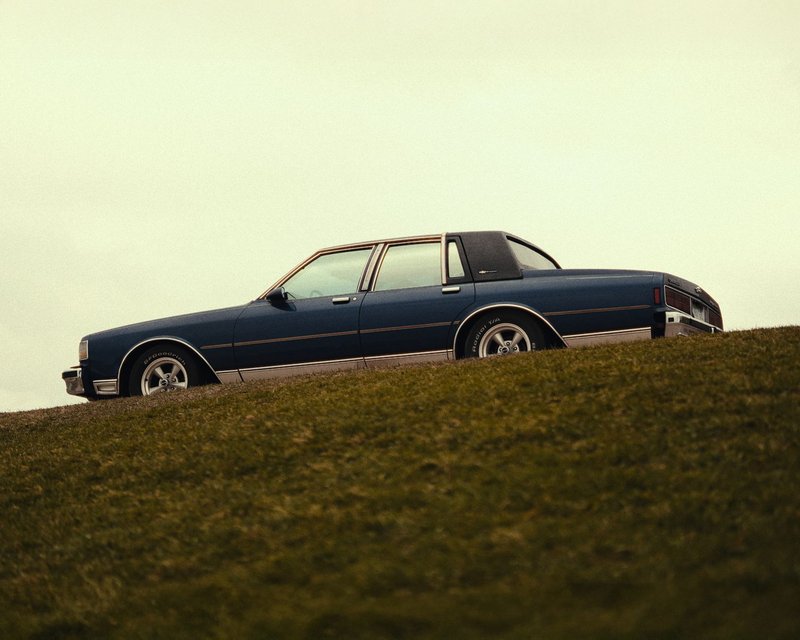
Dodge Aspen (1976-1980). The 1976 Aspen replaced the Dart and the Plymouth Valiant lineage with a more modern body. It also had serious rust problems and some of the largest recalls of the era. If you can find a survivor, you’ve found a rare one. You can check any recall history through the NHTSA recalls database, though pre-1981 records are thinner than later ones.
Dodge Omni (1978-1990). A front-drive hatchback that Dodge sold alongside the Plymouth Horizon. It was Dodge’s first American-built front-wheel-drive small car, and it arrived as buyers moved away from big V8s after the fuel crises. Carroll Shelby later turned it into the Omni GLH, short for “Goes Like Hell,” a turbocharged version with real pace for the time. The Omni ended in 1990 and the Shadow took over.
Dodge Aries (1981-1989). The Aries was a K-car, and the K-car platform is one of the most important in Chrysler’s history. Chrysler was close to collapse by 1979 and received a federal loan guarantee. The K-cars, simple and inexpensive and cheap to build, helped rescue the company. Nobody lusts after an Aries, which is why surviving ones are almost all either very tired or one owner’s garage queen. The Spirit replaced it.
Dodge Daytona (1984-1993). A front-drive hatchback with sharp lines and a turbo four. The Daytona Shelby Z and the later Daytona IROC R/T with a 16-valve turbo engine are the ones to hunt. It left with the end of the Shadow-based platform coupes.
The 1990s and 2000s: cab-forward and V10s
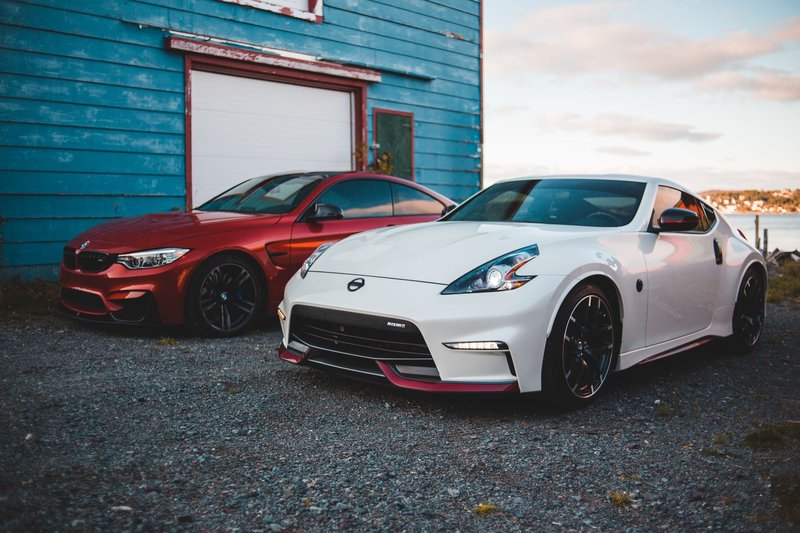
Dodge Stealth (1991-1996). The Stealth was a Mitsubishi 3000GT sold under a Dodge badge. It was built in Japan, and the R/T Turbo came with all-wheel drive and twin turbos. It was fast and heavy and complicated. The partnership between Chrysler and Mitsubishi cooled in the mid-1990s and the Stealth went away.
Dodge Viper (1992-2017). The Viper is the best-known Dodge nobody could easily buy. It started with an 8.0-liter V10, no traction control, no ABS at launch and a ride that made no apologies. Over five generations it grew more refined and kept the V10. The final model year was 2017, and the last cars came from the Conner Avenue plant in Detroit. Slow sales and new safety requirements ended it. The Viper ACR is the collectible one.
Dodge Intrepid (1993-2004). The Intrepid was the “cab-forward” design brought to mass market: the windshield pushed far forward, the wheels pushed to the corners, and an interior bigger than the footprint suggested. It sold in large numbers to rental fleets and families. The 2006 Charger sedan took over its role.
Dodge Neon (1995-2005). A cheap, cheerful compact that stood out for its price and bright marketing. The Neon SRT-4 (2003-2005) is the cult version, with a turbocharged 2.4-liter four making roughly 230 horsepower in a car that cost about the same as a loaded Civic. The Caliber replaced the Neon.
Old Dodge trucks and vans
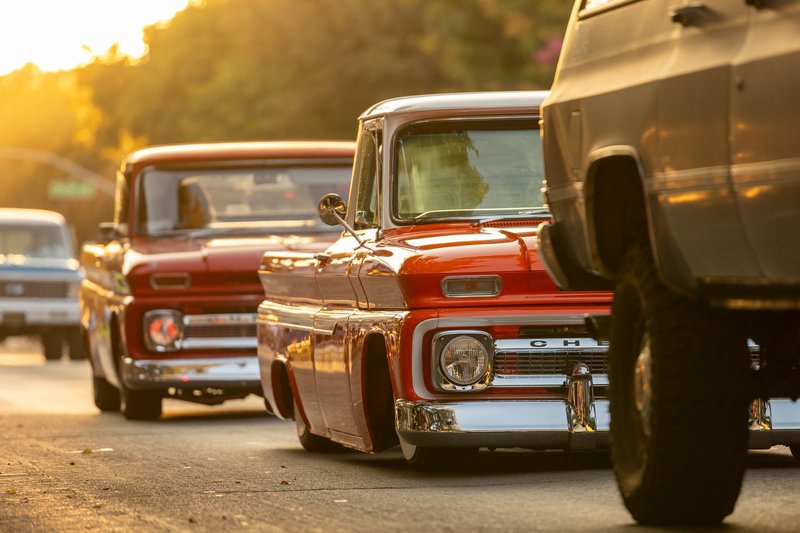
Most lists skip trucks. That is a mistake, because the trucks outlasted a lot of the cars.
Dodge Power Wagon (1945-1980). Covered above. The core idea never changed: a rugged four-wheel-drive truck with a winch and a hard-working inline six. Collectors treat first-generation Power Wagons like small military artifacts. Restored examples carry real money, and unrestored ones are the easier entry point.
Dodge D-series (1961-1980). The D-series was the conventional Dodge pickup of the period, with W-series models for four-wheel drive. These were the workhorses. The 1978-1979 Lil’ Red Express, a short-bed truck with chrome exhaust stacks and a 360 V8, was reported to be among the quickest American vehicles of 1978. Dodge later renamed the line Ram, and in 2010 split Ram into its own brand.
Dodge A100 (1964-1970). A forward-control van with the engine sitting between the front seats. Dodge made it as a panel van, a camper-friendly wagon and a pickup. The A100 is now a hot item among van-life enthusiasts, and a few were turned into factory-built hot rods. Dodge replaced it with the larger B-series Ram Van, which ran through 2003.
Dodge Dakota (1987-2011). Dodge slotted the Dakota between compact imports and full-size pickups, making it the first mid-size pickup of its kind. It offered a V8 when rivals didn’t. It ended in 2011 when Ram dropped the model.
Dodge Caravan (1984-2020). Technically the Grand Caravan was the last version, not the Caravan, but the minivan itself changed the market. Dodge sold the first Caravan alongside the Plymouth Voyager in 1984 and the formula worked for decades. The final Grand Caravan was built in 2020.
Buying an old Dodge
A few patterns hold across the list.
Values split in two. Hemi-powered Chargers, Challengers and Coronets sit at the top, and the Charger Daytona sits in a category of its own. A base-engine Dart or Polara costs a fraction of that and is a better learning platform. K-cars and Omnis cost very little and have almost no market support.
Parts availability follows the fans. The B-body (Charger, Coronet) and E-body (Challenger) cars have strong reproduction support for sheet metal, interiors and drivetrain. Aries, Aspen and Intrepid parts are harder to find, especially trim.
Rust is the main enemy. The Aspen is the classic offender, but check lower quarter panels, floors and trunk pans on anything from the 1960s and 1970s.
Check the VIN. For 1981 and later cars, the NHTSA VIN decoder confirms the basic build details. For older cars, fender tags and build sheets matter more, and a Hemi or R/T car without documentation sells for a lot less than one with it.
Dodge’s catalog, taken as a whole, covers more ground than the muscle-car highlights suggest. The old Dodge models that disappeared did so for different reasons: a recall, a platform that didn’t work, a partner that left, a plant that closed. The ones that held up are the ones people still restore.

Tyler Bridges
More from Tyler BridgesHow we reviewed this article
This article was researched against manufacturer records and editorially reviewed before publishing. We accept no payment for coverage. Some guides contain affiliate links; see our affiliate disclosure.