McLaren sold two road cars in 2013, the MP4-12C coupe and the MP4-12C Spider, and unveiled a third, the P1. Two track-only models, the 12C GT Sprint and the 12C GT3, rounded out the lineup. That’s three road models and two for the circuit. The 650S, which people often mix up with this period, didn’t arrive until 2014.
TLDR
- MP4-12C coupe: 616 hp, 0-60 mph in about 3.1 seconds, top speed 207 mph.
- MP4-12C Spider: the same engine with a folding hard top, 204 mph.
- P1: shown at Geneva in 2013, 903 hp hybrid, 375 units, sold out within months.
- 12C GT Sprint and 12C GT3: track and race cars, not road legal.
- 650S: the 2014 replacement for the 12C, not a 2013 car.
Table of Contents
- The 2013 lineup at a glance
- McLaren MP4-12C coupe
- McLaren MP4-12C Spider
- McLaren P1
- 12C GT Sprint and 12C GT3
- Where the 650S fits
- Production and sales in 2013
- What a 2013 McLaren costs today
- Summary
The 2013 lineup at a glance
| Model | Engine | Power | 0-60 mph | Top speed | Original price (approx.) |
|---|---|---|---|---|---|
| MP4-12C coupe | 3.8L twin-turbo V8 | 616 hp | 3.1 s | 207 mph | $231,000 (US) |
| MP4-12C Spider | 3.8L twin-turbo V8 | 616 hp | 3.1 s | 204 mph | $265,000 (US) |
| P1 | 3.8L twin-turbo V8 + electric motor | 903 hp | under 3 s | 217 mph (limited) | £866,000 (UK) |
| 12C GT Sprint | 3.8L twin-turbo V8 | about 626 hp | n/a | n/a | Track only |
| 12C GT3 | 3.8L twin-turbo V8 | race-tuned | n/a | n/a | Race car |
Figures are manufacturer claims and rounded. Prices varied by market and options.
McLaren MP4-12C coupe
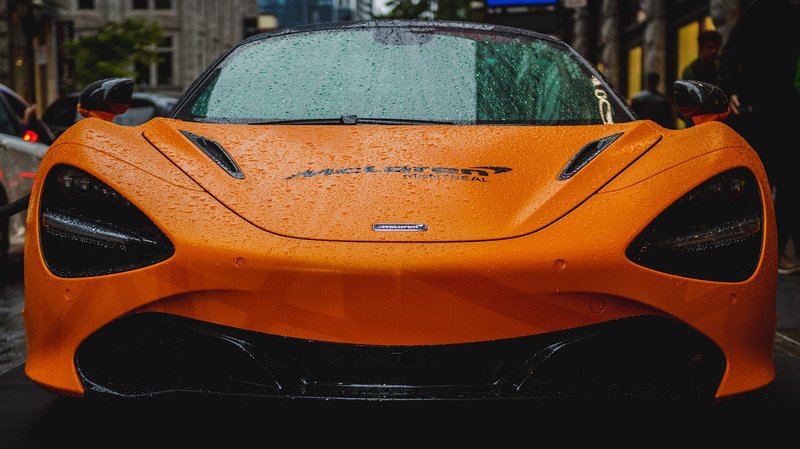
The MP4-12C was McLaren’s first road car built under the McLaren Automotive name, launched in 2011. By 2013 it was in its second full year of deliveries, and McLaren had bumped output from 592 hp to 616 hp for the 2013 model year.
The engine is the M838T, a 3.8-liter twin-turbo V8 built with Ricardo. Power goes to the rear wheels through a seven-speed dual-clutch gearbox. The car sits on a carbon-fiber tub McLaren calls the MonoCell, which is why a 600-plus-horsepower car weighs around 3,100 pounds.
The unusual part is the suspension. Instead of conventional anti-roll bars, the 12C uses ProActive Chassis Control, a hydraulically linked damper system that keeps the body flat in corners and soft over bumps. Reviewers at the time kept saying the same thing: it rode better than a Ferrari 458 and was less theatrical for it.
McLaren MP4-12C Spider
The Spider is the coupe with the roof replaced by a retractable hard top that folds in about 17 seconds and works at speeds up to 19 mph. McLaren didn’t need to reinforce the structure much, since the MonoCell was designed with an open top in mind. The Spider adds roughly 88 pounds and gives up 3 mph of top speed, 204 versus 207.
Acceleration is nearly identical. Both cars hit 60 mph in about 3.1 seconds. The Spider cost around $34,000 more than the coupe in the US, which is roughly what the folding roof and its motor cost you.
McLaren P1
The P1 is the reason 2013 matters. It debuted at the Geneva Motor Show in March 2013 as the production version of a concept shown in Paris the year before, and it went straight into the “hypercar” bracket with the Porsche 918 and Ferrari LaFerrari.
It pairs a 3.8-liter twin-turbo V8 (727 hp) with an electric motor (177 hp), for a combined 903 hp. McLaren claimed 0-186 mph in under 17 seconds and electronically limited the top speed to 217 mph. The car has a Drag Reduction System borrowed from the company’s Formula 1 cars, which flips the rear wing flat on straights.
McLaren capped production at 375 cars, priced at £866,000 before tax in the UK. The run sold out within about six months of the reveal. Deliveries started late in 2013, and only a handful of cars reached owners before the year ended.
12C GT Sprint and 12C GT3
Two cars on the list can’t legally go on the road. The 12C GT Sprint is a track-day version of the road car, with a stripped interior, aero parts, and a bump in power to roughly 626 hp. It’s meant for customers who want a circuit car without entering a race series.
The 12C GT3 is an actual race car built to FIA GT3 rules by McLaren GT. It started competing in 2012, and by 2013 it was racing in championships across Europe and beyond. It shares the V8 and carbon tub with the road car but has a sequential-style race gearbox setup, a larger rear wing, and a tuned engine.
Where the 650S fits
Search results on this topic tend to blur 2013 and 2014, and the 650S is the reason. It was unveiled at Geneva in March 2014 as the 12C’s successor and uses an updated version of the same V8 at 641 hp.
Compared with the 12C, the 650S has sharper styling borrowed from the P1, a faster-shifting gearbox, and about 25 more horsepower than the final 12Cs. A 2013 McLaren is a 12C, a 12C Spider, or a P1. Nothing called 650S was sold that year. The 2014 McLaren lineup, led by the 650S, arrived the following year.
Production and sales in 2013
McLaren delivered 1,359 12Cs in 2013, according to figures reported at the time, along with 36 P1s in the last weeks of the year. That was a strong showing for a company that had only been selling cars for two years, and it helped McLaren post its first full-year profit in the road car business.
For a sense of scale: 375 P1s will ever exist, and a few thousand 12C coupes and Spiders were built across the model’s life. The 12C and P1 were cornerstones of McLaren’s 2010s expansion, before the 650S replaced the 12C in 2014.
What a 2013 McLaren costs today
Used prices vary a lot by mileage, options, and service history, so treat these as ballpark figures.
- MP4-12C coupe: commonly listed around $100,000 to $150,000, depending on mileage and specification.
- MP4-12C Spider: roughly $120,000 to $170,000, with the roof commanding a premium.
- P1: these trade in the seven-figure range, and they’ve generally been above their original price for years.
Running costs are the thing to price in. The 12C is known for software and electrical quirks in early cars, and a routine service at a dealer is a four-figure bill. Buyers do best with cars that have full dealer service records and the later software updates installed.
Summary
The 2013 McLaren lineup is smaller than it looks. Two road cars with the same V8, one hypercar that sold out before most people saw it, and two track machines. The 12C was the car that proved McLaren could build a road car company, the P1 made the case that it could build the best one in the world, and the 650S arrived in 2014 to tidy up what the 12C got slightly wrong.

Daniela Voss
More from Daniela VossHow we reviewed this article
This article was researched against manufacturer records and editorially reviewed before publishing. We accept no payment for coverage. Some guides contain affiliate links; see our affiliate disclosure.