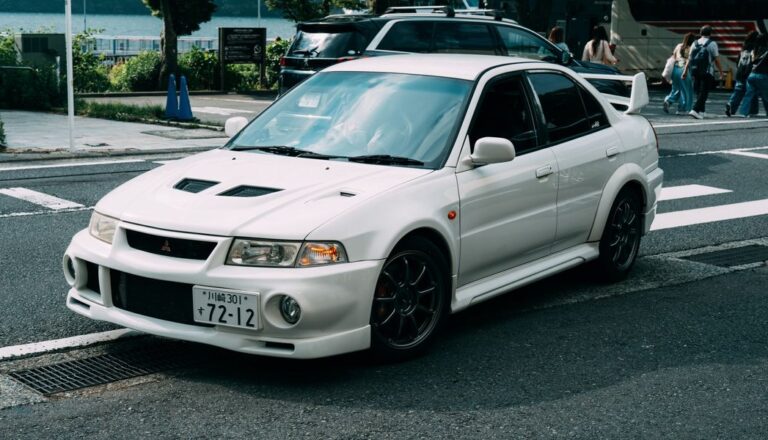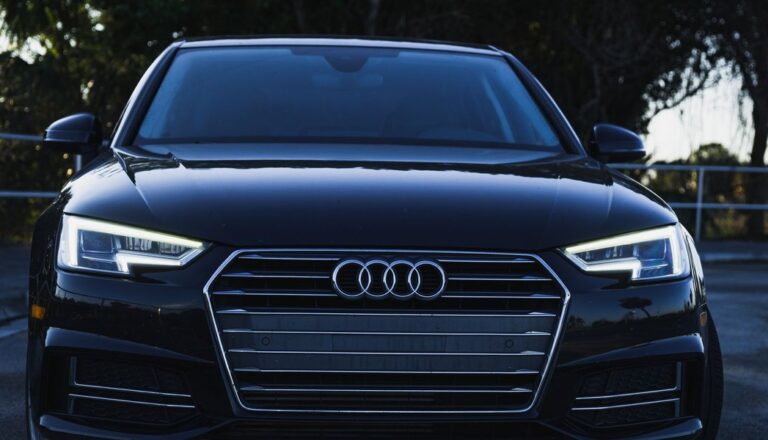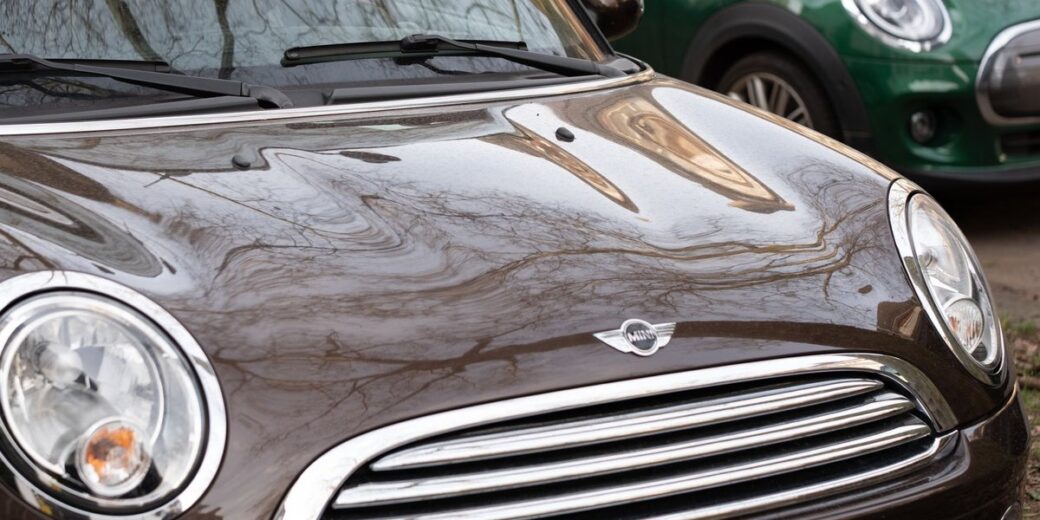
The main European car brands come from seven countries. Germany has Volkswagen, Audi, Porsche, BMW, Mini, Mercedes-Benz, Opel and Smart. Italy has Ferrari, Lamborghini, Maserati, Alfa Romeo, Fiat and Pagani. France has Renault, Peugeot, Citroën, DS, Alpine and Bugatti. The UK has Bentley, Rolls-Royce, Aston Martin, McLaren, Lotus, Jaguar, Land Rover, MG and Vauxhall. Sweden has Volvo, Polestar and Koenigsegg. Spain has SEAT and Cupra, the Czech Republic has Škoda, and Romania has Dacia.
Where a brand was born and who signs its paychecks are two different questions, though. Mini is British and owned by BMW. Bentley is British and owned by Volkswagen. Volvo is Swedish and owned by a Chinese group. This guide covers both, brand by brand.
Table of contents
- The comparison table
- German car brands
- British car brands
- Italian car brands
- French car brands
- Swedish car brands
- Spanish, Czech, Romanian and Croatian brands
- Origin versus ownership: who really owns what
- Luxury, mass-market and supercar brands
- European electric car brands and EV share
- How to choose a European brand
- FAQ
The comparison table
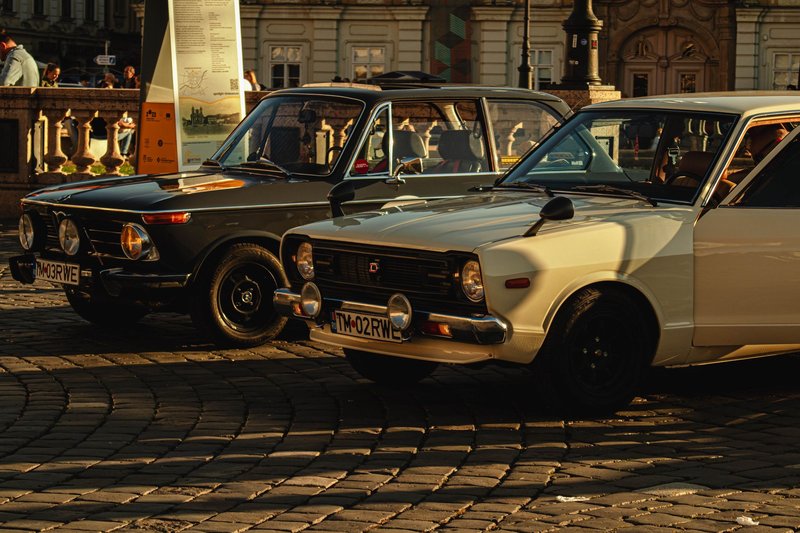
Ownership is as of 2026, and brands are grouped by country. “Founded” is the year the company or brand started, which isn’t always the year it built its first car.
| Brand | Country | Founded | Parent | Signature model | EV status |
|---|---|---|---|---|---|
| Volkswagen | Germany | 1937 | Volkswagen Group | Golf | ID. family alongside combustion |
| Audi | Germany | 1909 | Volkswagen Group | A4 | e-tron line alongside combustion |
| Porsche | Germany | 1931 | Volkswagen Group | 911 | Taycan, Macan Electric |
| BMW | Germany | 1916 | BMW Group (independent) | 3 Series | i models, Neue Klasse iX3 |
| Mini | Germany (British roots) | 1959 | BMW Group | Cooper | Electric Cooper, Aceman |
| Mercedes-Benz | Germany | 1926 | Mercedes-Benz Group (independent) | S-Class | EQ line, electric CLA |
| Opel | Germany | 1862 | Stellantis | Corsa | Corsa and Mokka Electric |
| Smart | Germany | 1994 | Mercedes-Benz and Geely joint venture | ForTwo | EV-only |
| Bentley | UK | 1919 | Volkswagen Group | Continental GT | Plug-in hybrid, first full EV pending |
| Rolls-Royce | UK | 1906 | BMW Group | Phantom | Spectre |
| Aston Martin | UK | 1913 | Aston Martin Lagonda (listed) | DB5 | Hybrids, no EV yet |
| McLaren | UK | 1963 | Abu Dhabi-backed owners | F1 | Plug-in hybrid Artura |
| Lotus | UK | 1948 | Geely | Elise | Eletre and Emeya |
| Jaguar | UK | 1922 | Tata Motors | E-Type | Relaunching as EV-only |
| Land Rover | UK | 1948 | Tata Motors | Defender | Plug-in hybrids, first full EV pending |
| MG | UK (Chinese-owned) | 1924 | SAIC Motor | MGB | MG4, MG ZS EV |
| Vauxhall | UK | 1857 | Stellantis | Astra | Corsa and Mokka Electric |
| Ferrari | Italy | 1947 | Ferrari N.V. (listed) | F40 | Hybrids, first full EV pending |
| Lamborghini | Italy | 1963 | Volkswagen Group (via Audi) | Countach | Plug-in hybrids |
| Maserati | Italy | 1914 | Stellantis | Quattroporte | Folgore EV variants |
| Alfa Romeo | Italy | 1910 | Stellantis | Giulia | Junior Elettrica |
| Fiat | Italy | 1899 | Stellantis | 500 | 500e |
| Pagani | Italy | 1992 | Independent | Huayra | None, V12 Utopia |
| Renault | France | 1899 | Renault Group | Clio | Renault 5, Mégane E-Tech |
| Peugeot | France | 1810 | Stellantis | 205 | e-208, e-2008 |
| Citroën | France | 1919 | Stellantis | 2CV | ë-C3 |
| DS | France | 2014 | Stellantis | DS 3 | E-Tense variants |
| Alpine | France | 1955 | Renault Group | A110 | A290 |
| Bugatti | France | 1909 | Bugatti Rimac (Rimac and Porsche) | Veyron | Hybrid Tourbillon |
| Volvo | Sweden | 1927 | Geely Holding | 240 | EX30, EX90 |
| Polestar | Sweden | 2017 | Geely Holding and Volvo | Polestar 2 | EV-only |
| Koenigsegg | Sweden | 1994 | Independent | Jesko | Hybrid Gemera |
| SEAT | Spain | 1950 | Volkswagen Group | Ibiza | Combustion; EVs moved to Cupra |
| Cupra | Spain | 2018 | Volkswagen Group | Formentor | Born, Tavascan |
| Škoda | Czech Republic | 1895 | Volkswagen Group | Octavia | Enyaq, Elroq |
| Dacia | Romania | 1966 | Renault Group | Duster | Spring |
| Rimac | Croatia | 2009 | Rimac Group | Nevera | EV-only |
German car brands
Germany is the biggest source of European car brands by sales, and its eight brands run from the Golf to the S-Class.
Volkswagen. The name means “people’s car,” and the Beetle and then the Golf delivered on that. The Golf has been in production since 1974 and is the template for the modern hatchback. The ID. electric line now sits next to the combustion cars.
Audi. Founded by August Horch, who left his first company and had to pick a new name. “Horch” means “listen” in German; “Audi” is the Latin translation. Audi built its reputation on quattro all-wheel drive, introduced on the 1980 Ur-Quattro rally car.
Porsche. The 911 has kept its rear-engine layout since 1964, which is either stubbornness or genius depending on who you ask. Porsche also builds the Taycan and the electric Macan, and it runs the Volkswagen Group’s sports-car engineering.
BMW. Bavarian Motor Works started building aircraft engines, which is why the badge is a stylized propeller against a blue sky. The 3 Series defined the sport sedan, and BMW is among the few big Germans that remain independent.
Mini. Born as a British economy car in 1959, designed by Alec Issigonis to fit four adults in a footprint barely longer than 3 meters. BMW bought the brand in 2000 and relaunched it in 2001. Today’s Cooper is available as a petrol or an electric car.
Mercedes-Benz. The brand dates to 1926, when Daimler and Benz merged, though both companies had been building cars since the 1880s. The S-Class is where the group tests technology before it trickles down to cheaper cars.
Opel. Opel started with sewing machines in 1862 and built its first car in 1899. General Motors owned it for nearly 90 years, then sold it to PSA in 2017. It’s now part of Stellantis and shares platforms with Peugeot and Citroën.
Smart. A 1990s idea from Swatch and Mercedes-Benz for a two-seat city car. It’s now a joint venture between Mercedes-Benz and Geely, and the cars are electric and built in China.
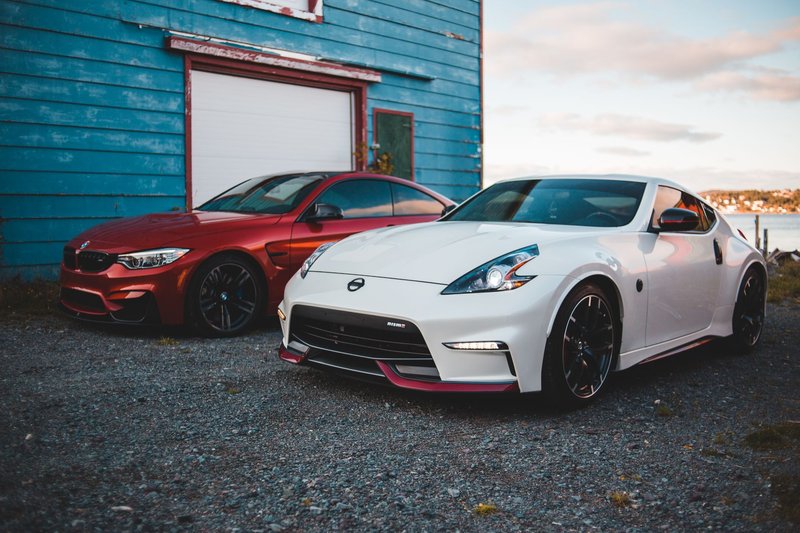
British car brands
The UK builds fewer cars than it used to, but it has more famous badges than any country except Germany. Almost none are British-owned.
Bentley. Founded by W.O. Bentley in 1919 and a Le Mans winner five times in the 1920s. Volkswagen has owned it since 1998. The Continental GT is the car most people picture.
Rolls-Royce. The carmaker was split from the aero-engine company in 1971, and the car brand ended up with BMW in 1998. Today’s Rolls-Royce is built at Goodwood in West Sussex, and the all-electric Spectre arrived in 2023.
Aston Martin. James Bond’s car since Goldfinger, and the DB5 is still the one everyone remembers. Aston Martin is publicly listed, with a consortium led by Lawrence Stroll as the largest shareholder. It hasn’t launched a production EV yet.
McLaren. Bruce McLaren founded the racing team in 1963; the road-car company came later, with the F1 in 1992. Its current owners are Abu Dhabi-backed investors, and the Artura is a plug-in hybrid.
Lotus. Colin Chapman’s rule was “simplify, then add lightness.” The Elise followed that philosophy. Geely owns the majority of Lotus, and the new Eletre SUV and Emeya sedan are electric.
Jaguar. Started as a sidecar maker called Swallow, then became Jaguar after the war. Tata Motors has owned it since 2008, when Ford sold both Jaguar and Land Rover. It’s being relaunched as an electric-only luxury brand.
Land Rover. Born in 1948 as a farm vehicle to make use of leftover aircraft aluminum, and the Defender is the direct descendant. It shares a parent with Jaguar and sells mainly Range Rovers, Defenders and Discoverys.
MG. Morris Garages built the little roadsters that made British sports cars a thing in the 1920s and ’30s. The badge is now owned by China’s SAIC and sells affordable EVs and hybrids across Europe, built in China.
Vauxhall. Founded in 1857 in South London and the UK twin of Opel. Same cars, same parent (Stellantis), different badge and right-hand drive.
Italian car brands
Italian car brands do two things: small cheap cars for narrow city streets and loud cars for rich people. Not much in between.
Ferrari. Enzo Ferrari started out as a racing team manager and only built road cars to fund the racing. Ferrari is listed on the stock exchanges but the Agnelli family’s Exor remains the largest shareholder. The F40, the last car Enzo approved, is still the benchmark.
Lamborghini. Ferruccio Lamborghini made tractors and got into cars after a spat with Enzo Ferrari over a clutch. The Countach put the wedge shape on bedroom walls. Audi owns it, meaning it’s part of the Volkswagen Group.
Maserati. Founded in Bologna in 1914 and carries a trident from the Fountain of Neptune. Stellantis owns it, and the brand has struggled to find stable sales volume lately.
Alfa Romeo. The name was Anonima Lombarda Fabbrica Automobili until Nicola Romeo took over. The Giulia sedan is the car most associated with the brand today, and the Junior is the first Alfa with an electric option. The Spider, the 156 and the 4C have all ended, and this guide to Alfa Romeo’s discontinued models covers each one and why it ended.
Fiat. Fiat stands for Fabbrica Italiana Automobili Torino, and it started in 1899. The 500 is the one that matters: the 1957 original put Italy on wheels, and the 500e does a version of the same job now.
Pagani. Horacio Pagani is an Argentine engineer who worked at Lamborghini before starting his own company. The Huayra and the Utopia are hand-built, and Pagani still offers a manual gearbox, which very few supercar makers do.
French car brands
France’s industry is dominated by two groups, Renault and Stellantis, and the product is mostly small, practical, strange-looking cars.
Renault. Louis Renault started the company in 1899. The Clio has been a European bestseller for decades. Renault was among the earliest mainstream makers to commit to EVs, and the new Renault 5 is a modern take on the 1972 original.
Peugeot. The Peugeot family began making coffee mills and bicycles in the 1810s, which makes it one of the oldest industrial names on this list. The 205 GTI is the one enthusiasts miss. Peugeot belongs to Stellantis, and the lion badge is applied to everything from a 208 to a 5008.
Citroën. Founded in 1919 by André Citroën, and the 2CV and the DS made it the strangest carmaker in Europe. Citroën has been under Peugeot’s umbrella since 1976, and it now sits within Stellantis.
DS. Citroën’s premium spin-off, named after the 1955 DS. It’s a separate brand since 2015 and competes in the small premium segment, mostly in France.
Alpine. Jean Rédélé started it in Dieppe in 1955. The A110 rally car beat Porsche in the 1970s, and the modern A110 revived the shape in 2017. Alpine sits within Renault Group, and the A290 is its electric hot hatch.
Bugatti. Ettore Bugatti was Italian and built cars in Molsheim, in what is now France. The modern Bugatti is a joint venture between Rimac and Porsche, and Rimac owns the controlling share. The Veyron was the first production car to top 400 km/h.
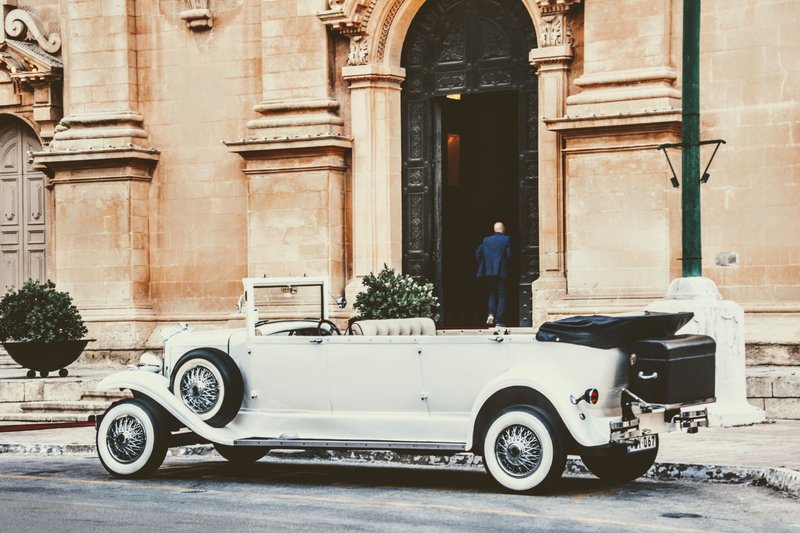
Swedish car brands
Volvo. Founded in Gothenburg in 1927 and long a byword for safety. Volvo engineer Nils Bohlin invented the three-point seat belt in 1959, and Volvo gave away the patent. Ford sold Volvo to China’s Geely in 2010, and it’s still headquartered in Sweden.
Polestar. Started as Volvo’s racing partner, then became its own electric-only brand in 2017. Polestar is listed on Nasdaq and backed by Geely and Volvo.
Koenigsegg. Christian von Koenigsegg started the company in 1994, in his 20s, in a former air-force hangar at Ängelholm. It’s independent, tiny, and builds hypercars with unusual engineering such as camless engines.
Spanish, Czech, Romanian and Croatian brands
SEAT. Spain’s state carmaker was founded in 1950 with Fiat’s help and went to Volkswagen in the 1980s and ’90s. The Ibiza and Leon are its best-known cars, but the brand’s electric future now lies with Cupra.
Cupra. Started as SEAT’s performance badge and became a standalone brand in 2018. It sells the Formentor and the Born, and sits between mainstream and premium.
Škoda. Škoda predates the car: Laurin & Klement built motorcycles and then cars in Mladá Boleslav from 1895. Volkswagen took control in the 1990s. Now the Octavia is a common company car across Europe, and the Enyaq and Elroq are the electric versions.
Dacia. Founded in Romania in 1966 and built Renault 12 designs under licence. Renault bought it in 1999, and the Sandero and Duster now sit near the bottom of European price lists. The Spring is among the cheapest EVs on sale.
Rimac. Mate Rimac built his first electric car in his garage in Croatia. The Nevera is an EV hypercar with four motors. Rimac Group now also holds the controlling stake in Bugatti.
Origin versus ownership: who really owns what
European car brands are consolidated into a handful of groups, and a few of them are headquartered outside Europe.
- Volkswagen Group: Volkswagen, Audi, Porsche, Škoda, SEAT, Cupra, Bentley and Lamborghini.
- Stellantis: Peugeot, Citroën, DS, Opel, Vauxhall, Fiat, Alfa Romeo and Maserati. Stellantis was created in January 2021 from the merger of Fiat Chrysler and PSA, so it also owns American brands like Jeep and Dodge.
- BMW Group: BMW, Mini and Rolls-Royce.
- Renault Group: Renault, Dacia and Alpine.
- Geely (China): Volvo, Polestar and Lotus, plus half of Smart.
- SAIC (China): MG.
- Tata Motors (India): Jaguar and Land Rover.
The pattern is useful if you’re buying. A Škoda Octavia and a Volkswagen Golf share a lot of hardware. A Vauxhall Corsa and a Peugeot 208 are close relatives. And a Volvo is a Swedish car designed in Gothenburg, but owned by a Chinese group.
Ford used to own Jaguar, Land Rover, Volvo and Aston Martin. It sold all of them between 2007 and 2010. No American company controls a major European passenger-car brand today other than through Stellantis’ American roots.
Luxury, mass-market and supercar brands
Mass-market: Volkswagen, Škoda, SEAT, Opel, Vauxhall, Renault, Dacia, Peugeot, Citroën, Fiat and MG. These sell by the millions, and the difference between them is often branding rather than engineering.
Premium: Audi, BMW, Mercedes-Benz, Volvo, Polestar, Mini, Cupra, DS, Alfa Romeo, Jaguar and Land Rover. These cost more than the mass-market but are still bought for daily use.
Ultra-luxury: Bentley, Rolls-Royce and Maserati. This is where you pay for wood, leather and the sense of arrival.
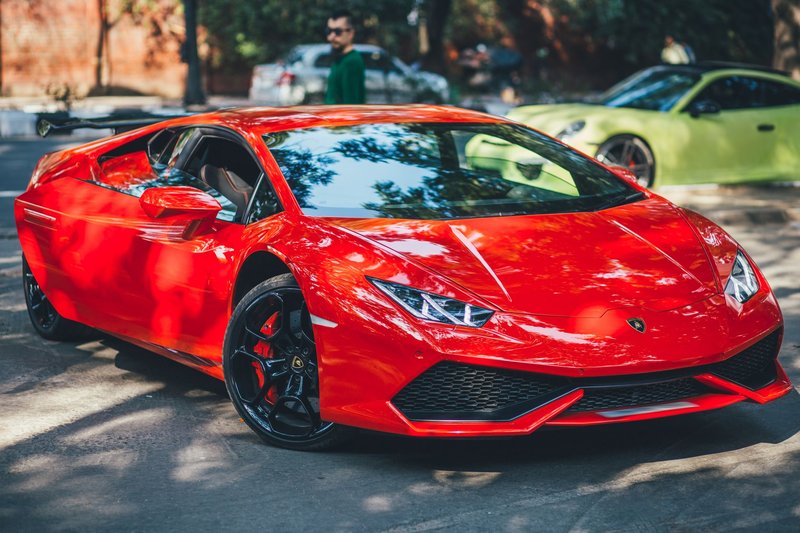
Supercar and hypercar: Ferrari, Lamborghini, McLaren, Aston Martin, Porsche’s top models, Pagani, Koenigsegg, Bugatti and Rimac. European brands dominate this part of the market almost entirely.
The question of European luxury car brands comes up often, and the cleanest rule is the price and the purpose. If a brand’s cheapest car is already a premium product, as with Rolls-Royce, it’s luxury. If it also sells a hatchback, as with BMW or Audi, it’s premium.
European electric car brands and EV share
Europe’s carmakers are making the transition at different speeds. ACEA data for 2025 shows battery-electric cars made up 17.4% of new EU registrations, up from 13.6% in 2024. Hybrids took 34.5%, plug-in hybrids 9.4%, and petrol and diesel combined fell to 35.5%, from 45.2% a year earlier.
That is EU-only data. Figures that add the UK, Norway and Switzerland show a higher EV share, so don’t compare numbers from different scopes.
Among the brands in this guide:
- EV-only: Polestar, Smart and Rimac.
- Mostly electric lineups: Lotus (the Emira is still petrol), Jaguar (relaunching as EV-only), Cupra and Škoda in their newer models.
- Mixed range: Volkswagen, Renault, Peugeot, Citroën, Fiat, BMW, Mercedes-Benz, Volvo, Mini and Audi, all of which sell both electric and combustion cars.
- Little or no EV yet: Aston Martin, Ferrari, Pagani, Koenigsegg and Bugatti, which use hybrids, and Dacia, whose electric Spring is the only EV in its lineup.
The Volkswagen Group has the widest spread, since it sells EVs under Volkswagen, Škoda, Cupra, Audi and Porsche on shared platforms.
How to choose a European brand
Nobody ranks competitors by budget or reliability in one place, so here’s a quick guide. It’s about where each brand sits, not a verdict on every model.
- Tight budget: Dacia, Škoda, SEAT, Fiat, Citroën, Opel and Vauxhall. Dacia and Škoda tend to give the most car per euro.
- Mid-range with some polish: Volkswagen, Renault, Peugeot, Mini, Cupra and Volvo.
- Premium daily driver: Audi, BMW, Mercedes-Benz, Volvo and Polestar.
- Fun on a budget: Alpine A110 used, Mini Cooper S, Cupra Formentor, Fiat Abarth.
- EV-first: Polestar, Smart, Renault 5, Škoda Elroq and Volvo EX30.
Reliability depends more on the individual model and engine than on the badge. Look up breakdown data for the specific car you’re considering, and check whether it shares a platform or engine with a sibling from another brand. A Škoda and a Volkswagen on the same platform will usually have the same weak points.
FAQ
What are the main European car brands? Volkswagen, Audi, Porsche, BMW, Mercedes-Benz, Renault, Peugeot, Citroën, Fiat, Volvo, Škoda and Land Rover are the biggest by sales or recognition. Ferrari, Lamborghini, Bentley and Rolls-Royce are the best-known luxury and supercar names.
Which European car brands are German? Volkswagen, Audi, Porsche, BMW, Mini, Mercedes-Benz, Opel and Smart. Mini was British originally but is now a BMW brand.
Which European car brands are owned by non-European companies? Volvo, Polestar and Lotus belong to China’s Geely, MG belongs to SAIC, and Jaguar and Land Rover belong to India’s Tata Motors.
Which European car brands are owned by Volkswagen? Volkswagen, Audi, Porsche, Škoda, SEAT, Cupra, Bentley and Lamborghini.
Is Mini a British or German brand? Both. The Mini was designed and built in Britain from 1959, and BMW has owned the brand since 2000. Production is mostly in Oxford, with some models built in the Netherlands and China.
Are Opel and Vauxhall the same company? They’re the same cars with different badges, and both belong to Stellantis. Opel sells in continental Europe and Vauxhall in the UK.
How many European car brands are there? Dozens, depending on how small the maker has to be to count. The 37 in this guide cover the ones you’ll realistically see on the road or at a dealership.

Marco Delantero
More from Marco DelanteroHow we reviewed this article
This article was researched against manufacturer records and editorially reviewed before publishing. We accept no payment for coverage. Some guides contain affiliate links; see our affiliate disclosure.