Alfa Romeo has killed more good cars than most brands have built. The Spider, the 156, the 4C and the Quadrifoglio twins all ended for different reasons: emissions rules, platform costs, parent-company budgets, or a market that stopped buying. This guide sorts the discontinued Alfa Romeo models by era, with years, engines, why each one ended and what it’s like to own one now.
Contents
- Quick reference table
- Why Alfa Romeo left the US in 1995
- The 1980s and early 1990s
- The 1990s and 2000s
- The 2010s
- The recent cuts: Giulia and Stelvio Quadrifoglio
- Which discontinued Alfa is worth buying used
- What’s coming next
Quick reference table
Years are approximate production runs; some models ended earlier in North America than in Europe.
| Model | Years built | Replaced by |
|---|---|---|
| Spider (Duetto lineage) | 1966-1993 (US sales to 1994) | GTV and Spider (916) |
| 75 / Milano | 1985-1992 | 155 |
| 33 | 1983-1994 | 145 / 146 |
| 164 | 1987-1998 | 166 |
| 145 / 146 | 1994-2000 | 147 |
| 155 | 1992-1998 | 156 |
| GTV and Spider (916) | 1995-2005 | Brera and 939 Spider |
| 156 | 1997-2005 | 159 |
| 166 | 1998-2007 | No direct successor |
| 147 | 2000-2010 | Giulietta |
| GT | 2003-2010 | No direct successor |
| 159 | 2005-2011 | Giulia (2016) |
| Brera and 939 Spider | 2005-2010 | No direct successor |
| 8C Competizione | 2007-2009 | 4C |
| MiTo | 2008-2018 | No direct successor |
| Giulietta | 2010-2020 | Tonale (in spirit) |
| 4C Coupe and Spider | 2013-2020 | No direct successor |
| Giulia / Stelvio Quadrifoglio (North America) | 2017-2024 | Electrified Quadrifoglio, announced |
Why Alfa Romeo left the US in 1995
Alfa sold cars in America for decades, but by the early 1990s the numbers had collapsed, in a market crowded with imported brands from around the world. The company pulled out of the US and Canada at the end of 1995, and coverage at the time framed it as a sales problem: tiny volumes, a thin dealer network, and a strong lira working against pricing.
The last car to wear the Spider name in that era, the long-running 1966-lineage roadster, was gone from US showrooms after 1994. The 164 was the final sedan sold, and by then Fiat didn’t see a path to meeting US safety and emissions standards economically for a brand selling a few thousand cars a year. Alfa didn’t return until 2008, with the 8C Competizione.
The 1980s and early 1990s
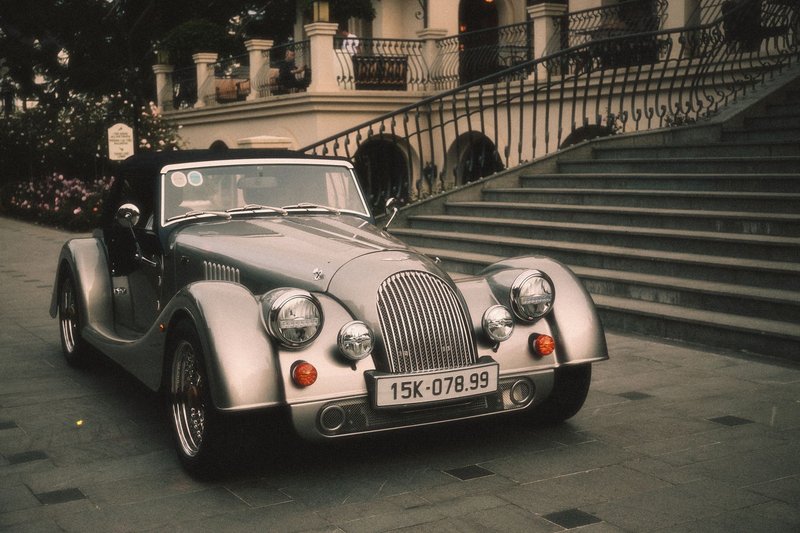
Spider (1966-1993). The roadster from The Graduate ran nearly three decades with a twin-cam four, getting rubber bumpers and a rear spoiler along the way. It ended because it was a 1960s design trying to meet 1990s rules. Used, it’s the cheapest way into the brand, but rust is the thing to check, not the engine.
75 / Milano (1985-1992). Rear-wheel drive with a rear-mounted transaxle, which gave it near-even weight distribution. Enthusiasts still rate the handling. Fiat replaced it with the front-drive 155, which many Alfisti never forgave.
33 (1983-1994). The small hatchback that replaced the Alfasud, with a flat-four boxer engine. Rust killed most of them, so survivors are rare.
164 (1987-1998). Alfa’s last large sedan with Busso V6 power in most markets. It shared a platform with the Saab 9000, Fiat Croma and Lancia Thema, and it was the car that carried the brand’s final years in America. The 3.0 V6 sounds right, and the interior hasn’t aged badly.
The 1990s and 2000s
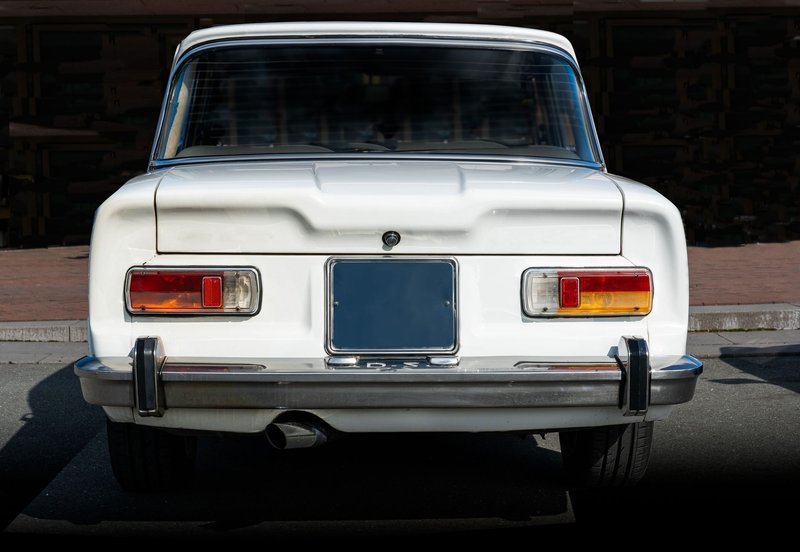
145 and 146 (1994-2000). Compact hatchbacks that Alfa sold in Europe only, with front-drive Boxer and later Twin Spark engines. Cheap and rare today, and not great to drive fast without upgrades.
155 (1992-1998). Front-drive Tipo 2 platform, the car that won the 1993 DTM championship in racing form. The road cars are less remembered than the race cars.
GTV and Spider (916, 1995-2005). Pininfarina-penned with a sharp nose, offered with the Twin Spark four or the 3.0 V6. They ended as sales faded and Alfa moved to the Brera and a new Spider.
156 (1997-2005). The car that revived the brand. It won European Car of the Year in 1998, and it came with Twin Spark petrol engines and JTD diesels. A 156 with the 2.5 V6 is the one to find. The Selespeed automated manual is the one to avoid.
147 (2000-2010). Hot-hatch rival to the Golf. The 147 GTA took the 3.2 V6 from the 156 GTA and put it into a small hatchback. Production ended when the Giulietta arrived. For the other models on sale that year, see the list of cars made in 2000.
166 (1998-2007). The large executive sedan. It sold poorly against German rivals and was never replaced.
GT (2003-2010). A Bertone-built coupe on the 147 platform. Ended with the 147 as the compact range was rebuilt.
159, Brera and Spider (2005-2011). The 159 replaced the 156 on the Premium platform it shared with the Brera and the 939 Spider. All three were heavy, and Alfa never got enough sales to justify the platform. Fiat’s financial strain after 2008 finished them off.
8C Competizione (2007-2009). About 500 coupes with a Ferrari-built 4.7-litre V8, followed by roughly 500 8C Spiders. Collector territory; prices have risen far past what the cars cost new.
The 2010s
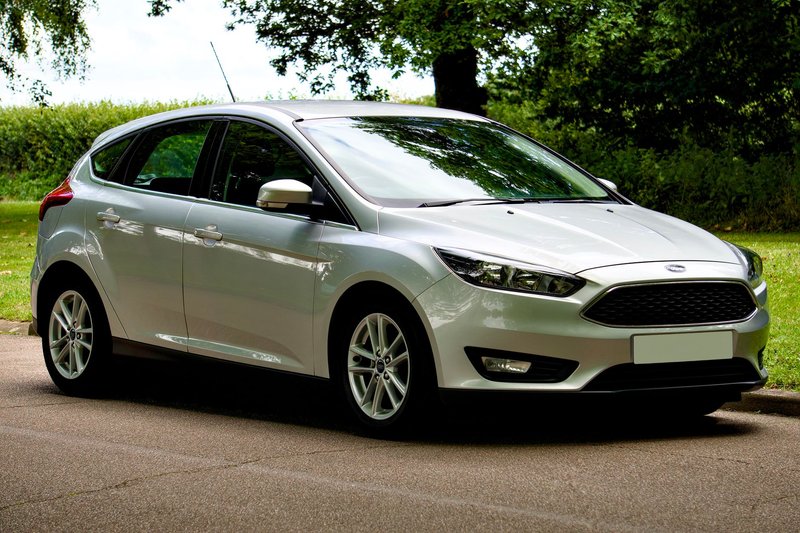
MiTo (2008-2018). A supermini on the Fiat Grande Punto platform. It ended in 2018 as small cars stopped making money, and Alfa chose not to replace it. It was never sold in the US.
Giulietta (2010-2020). A compact hatchback on the Giulietta platform that took over from the 147. It was a Europe-only car for most of its life and ended in 2020, as Alfa focused on SUVs. The Tonale filled the segment in spirit.
4C Coupe and Spider (2013-2020). A carbon-fibre tub, a 1.75-litre turbocharged four and no power steering. It weighed little and drove with real feedback, but it was loud, cramped and expensive for what it was. The 4C was axed in 2020, as reported by CarAdvice, and nothing replaced it. Alfa has since talked about a successor under the 33 Stradale name, but that’s a limited run.
The recent cuts: Giulia and Stelvio Quadrifoglio
The most recent endings are the two cars most readers still ask about. The Giulia Quadrifoglio and Stelvio Quadrifoglio, both powered by a 2.9-litre twin-turbo V6 with a Ferrari-derived layout, ended in North America after the 2024 model year. AOL reported that the last cars were built at the Cassino plant in June 2024.
The reasons are practical. The platform is old, emissions and safety rules keep tightening, and Stellantis has said the next Quadrifoglio will be electrified. The standard Giulia and Stelvio are a separate question; check the current lineup before assuming they’ve gone too.
Which discontinued Alfa is worth buying used
The honest answer depends on what you can tolerate.
Easiest to live with: 156 and 147 with petrol engines. Parts are available and the cars are cheap. Avoid the Selespeed gearbox. Twin Spark engines need their timing belt and variator done on schedule.
Best sound: anything with a Busso V6. The 164, 156 and 147 GTA. The engine is the reason to buy, and it’s also the expense: the cam belt service is labor-heavy.
Best driving: 4C. A real driver’s car, and one of few modern cars without power steering. It’s cramped and carries a collector premium. Check for evidence of accident repair on the carbon tub.
Cheapest way in: Spider. Check rust at the sills and floor pans. Mechanically simple, and parts are widely supported.
Skip unless you know what you’re doing: Giulietta TCT, 159 with early diesel, 8C. The dual-clutch had a mixed record, and the 8C needs a specialist.
In the US, anything built after 1995 is legal to import only if it meets 25-year rules, so many European-market models are only arriving now.
What’s coming next
Stellantis has said the Quadrifoglio name will return on an electrified Giulia and Stelvio. Check Alfa’s own announcements for dates, since the schedule has slipped before. Until then, the cars above are what’s left to buy.

Marco Delantero
More from Marco DelanteroHow we reviewed this article
This article was researched against manufacturer records and editorially reviewed before publishing. We accept no payment for coverage. Some guides contain affiliate links; see our affiliate disclosure.