TLDR
- Brazil has produced a handful of genuinely Brazilian car brands: Gurgel, Puma, FNM, Troller, Agrale, Lobini and Lecar.
- Almost all of them are gone or tiny. Troller, the last one with real volume, was shut down in 2021.
- Agrale is the only established Brazilian-owned maker still building vehicles, and it doesn’t make passenger cars.
- Nearly every car you see on a Brazilian street is built by a multinational: Volkswagen, Fiat, Chevrolet, Toyota, Hyundai or Renault.
Contents
- Brazilian-owned vs. built in Brazil
- The Brazilian car brands, one by one
- Brazilian car brands at a glance
- The brands that actually dominate Brazil
- Why Brazil runs on ethanol
- So, are there any Brazilian car brands left?
Brazilian-owned vs. built in Brazil
Two questions hide inside “Brazilian car brands,” and most pages blur them. One asks which marques were founded and owned by Brazilians. The other asks which brands sell and build the most cars in Brazil.
The first list is short and mostly a graveyard. The second is a roll call of foreign names, because Brazil’s auto industry has been a multinational operation since the 1950s. A Volkswagen Polo assembled in São Bernardo do Campo is a Brazilian-made car. It is not a Brazilian car brand.
This post covers both, starting with the real ones.
The Brazilian car brands, one by one
Gurgel: the one that tried to build a national car
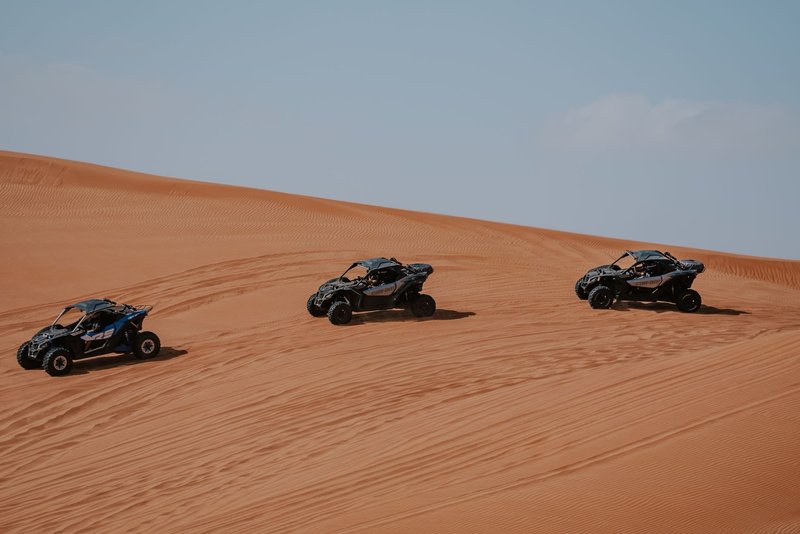
João do Amaral Gurgel, an engineer from Franca, São Paulo, founded Gurgel in 1969 after a stint at Ford do Brasil. The company began with fiberglass buggies on Volkswagen Beetle running gear, then moved to rugged utility vehicles like the Xavante, a boxy off-roader that became a favorite on farms and in the Brazilian military.
The car people remember is the BR-800, built from 1988 to 1992 in Rio Claro. A 792 cc city car with a Gurgel-designed engine, it was pitched as Brazil’s first fully domestic design. Buyers had to become Gurgel shareholders to get one, and about 8,000 did. A tax break for cars under one liter was supposed to make it cheap. Then the government extended a similar cut to every sub-1.0-liter car, and the BR-800 lost its edge against the Fiat Uno and its rivals. FAPESP’s history of the brand walks through how that policy shift undercut the company.
Gurgel wound down in the mid-1990s. Sources give 1994 and 1996 as the end date, which is why you’ll see both online. João Gurgel died in 2009.
Status: defunct.
Puma: Brazil’s fiberglass sports car
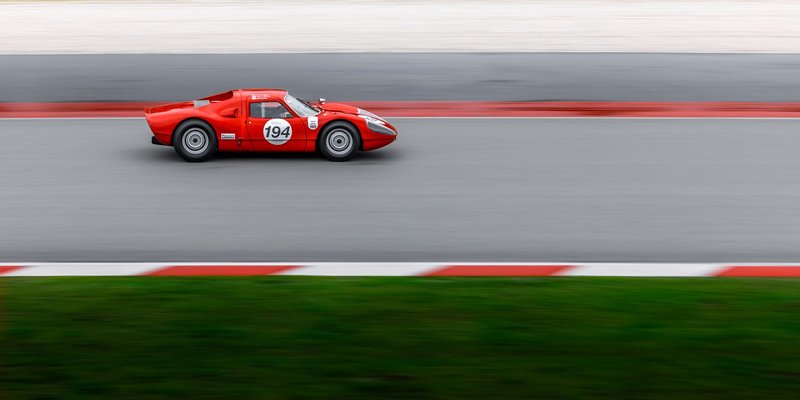
Puma started with a hobbyist. Rino Malzoni built sports cars on a farm in Matão, São Paulo, and a group of partners turned the idea into a company in the mid-1960s. Early Pumas used DKW and later Volkswagen mechanicals under lightweight fiberglass bodies.
The signature model is the Puma GTE, built from 1970 to 1980 with Volkswagen air-cooled “boxer” power. It’s the brand’s best-selling car at roughly 8,700 units, and it still turns heads at Brazilian classic meets. The “E” is usually explained as “export” or “Europe,” though accounts vary.
The original company faded out in the 1990s. A few revival attempts followed, none of which put Puma back in the mainstream.
Status: defunct.
FNM: a state engine factory that built an Alfa Romeo
Fábrica Nacional de Motores was set up by the Brazilian government in 1942 near Rio de Janeiro to build aircraft engines. When that demand dried up after the war, it moved to trucks under license from Alfa Romeo, and in 1960 it started building the Alfa Romeo 2000 sedan for Brazilian buyers. The car was nicknamed “JK” after President Juscelino Kubitschek, and the name stuck until it was dropped after the 1964 coup, when the car became the FNM 2000.
The state sold FNM to Alfa Romeo in 1968, and Fiat took over in 1973. The later 2300, built in Brazil, was the first Alfa Romeo made outside Italy. It’s a strange case: a Brazilian-owned brand whose cars were Italian designs. That makes it a gray-area entry, and we’ve kept it in because every serious list of Brazilian manufacturers does.
Status: absorbed (first into Alfa Romeo, then Fiat).
Troller: the Wrangler-style 4×4 that Ford shut down
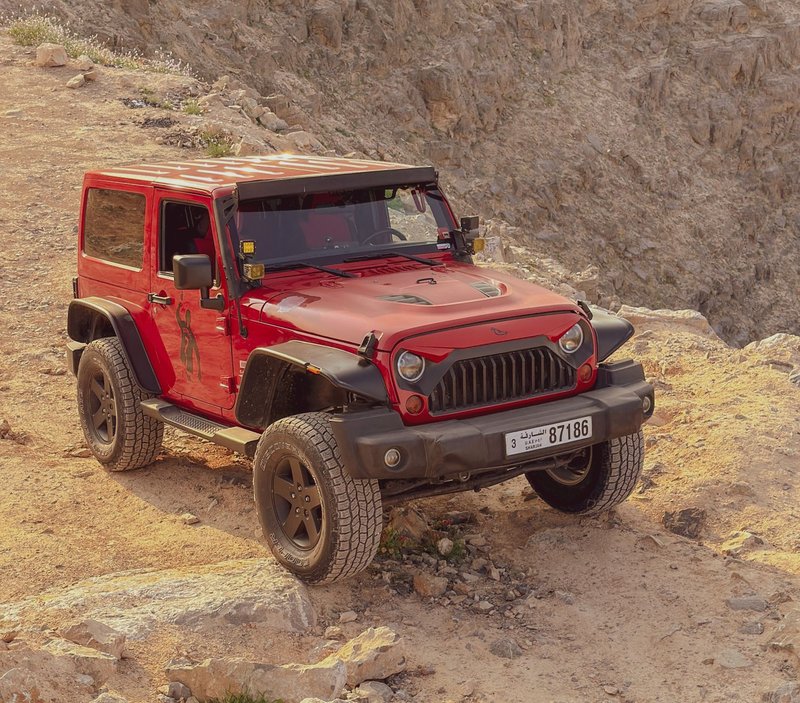
Troller is the story with the most recent ending. The company was founded in Ceará in 1995 (most sources say 1995; a few say earlier) and built fiberglass-bodied off-roaders on tubular chassis. Ford bought it in 2007. The second-generation T4 became the face of the brand: a body-on-frame 4×4 that looked like a Jeep Wrangler’s cousin, with a 3.2-liter five-cylinder turbodiesel making 200 hp in its final form, sharing hardware with the Ford Ranger. For how Troller compares with the other regional makers, see South American car brands, from Troller to Chevrolet.
In January 2021, Ford announced it would stop making cars in Brazil, closing its Camaçari, Taubaté and Troller plants and taking about $4.1 billion in charges. Ford first said it would keep Troller going while it looked for a buyer, then reversed course in August. The last T4 rolled out on September 28, 2021, and about 470 jobs at the Horizonte, Ceará plant went with it. Ford never sold the brand name.
BYD later moved into the old Camaçari site. Troller’s plant just sat there.
Status: defunct (closed 2021).
Agrale: still building, just not for the showroom
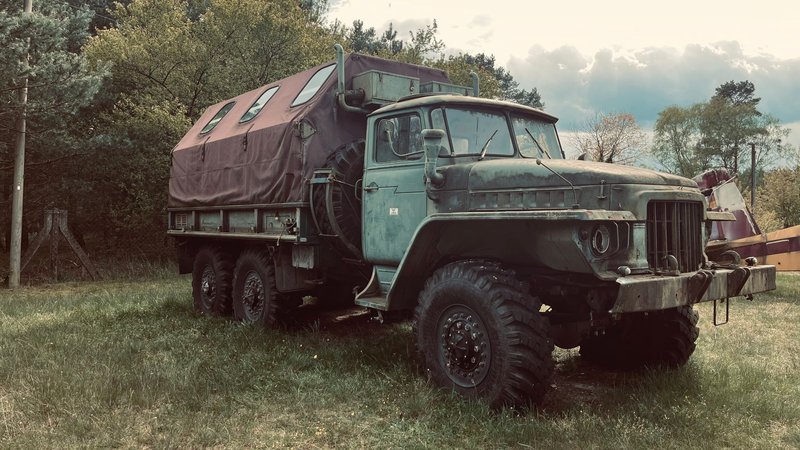
Agrale, based in Caxias do Sul, Rio Grande do Sul, was founded in 1962 and has spent six decades on tractors, trucks, bus chassis and engines. Its best-known vehicle is the Marruá, a 4×4 utility vehicle built since 2004 and developed from the Engesa EE-4 design after Engesa went bankrupt. The Brazilian Army and Marine Corps use it, and so do the armed forces of Argentina, Ecuador and Paraguay, plus UN peacekeepers in Haiti.
You can buy a civilian Marruá, but this is a commercial-vehicle and military maker, not a car brand. If you’re asking whether a Brazilian-owned automaker is still operating, Agrale is the honest yes, with an asterisk.
Status: active (trucks, buses and utility vehicles).
Lobini: a boutique sports car built by hand
Lobini was a 1999 project by José Orlando Lobo and Fábio Birolini out of Cotia, São Paulo. The H1 roadster, styled by former Lotus designer Graham Holmes, used a tubular steel chassis, a fiberglass body and a turbocharged 1.8-liter Volkswagen engine from the Golf and Audi A3. The prototype debuted at the 2002 São Paulo Motor Show, and the first car was sold in 2005.
Output stayed tiny. Top Gear puts the total at about 70 H1s before the company went under, and production tables list 69 plus three prototypes. Lobini changed hands in 2006 when Brax Automóveis bought it.
Status: defunct.
Lecar: the startup with a car still to prove
Lecar is the newest name here, founded by Flávio Figueiredo Assis. Its 459 was first pitched as an electric car with a 66 kWh battery and roughly 400 km of range, with pre-sales opening before a factory existed. It has since been reworked into a plug-in range-extender crossover claiming 100 km of electric range, with a planned production start in 2026. A bid for the former Ford plant in Camaçari fell through.
Lecar has taken orders, but it hasn’t shown the volume to count as an established manufacturer. If you want to know whether Brazil can still launch a national brand, this is the live test.
Status: active, pre-production.
Brazilian car brands at a glance
| Brand | Years | Signature model | Status |
|---|---|---|---|
| Gurgel | 1969 to mid-1990s | BR-800 (1988 to 1992) | Defunct |
| Puma | mid-1960s to 1990s | Puma GTE (1970 to 1980) | Defunct |
| FNM | 1942 to 1988 | FNM 2000 “JK” (1960) | Absorbed by Alfa Romeo, then Fiat |
| Troller | 1995 to 2021 | T4 | Defunct (closed by Ford) |
| Agrale | 1962 to present | Marruá | Active (commercial and military) |
| Lobini | 1999 to c. 2013 | H1 | Defunct |
| Lecar | Recent startup | 459 | Active, pre-production |
Dates for small marques disagree across sources, especially closure years. Treat the ranges above as the common consensus, not gospel.
The brands that actually dominate Brazil
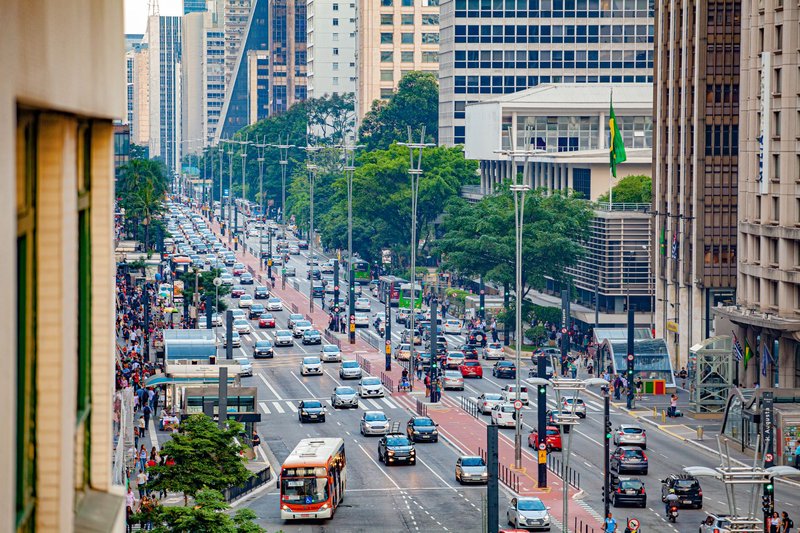
None of the brands above are why Brazil is one of the world’s largest car markets. These are:
- Volkswagen: building cars in Brazil since the late 1950s. The Gol, a 1980s-era compact, was a market fixture for decades, and the Polo is now among the top sellers.
- Fiat: the Betim plant near Belo Horizonte made Fiat a Brazilian giant. The Strada pickup has been the best-selling vehicle in the country for several years running, with roughly 143,000 units in 2025 according to Fenabrave-based tallies.
- Chevrolet (GM): a presence in Brazil since 1925. The Onix has been a perennial top-five car.
- Toyota: local production since the late 1990s, including the Corolla.
- Hyundai: the HB20 hatchback, built in Piracicaba and launched in 2012, is a top-five regular.
- Renault: assembling in Paraná since the late 1990s.
Notice what’s missing. The Strada, the best-seller, is a compact pickup. In Brazil, that’s what a family car often looks like.
Why Brazil runs on ethanol
You can’t talk about cars in Brazil without ethanol. After the 1970s oil shocks, the government launched the Proálcool program in 1975 to push sugarcane ethanol as a fuel. Cars that ran only on ethanol went on sale in the late 1970s and took most of the new-car market through the 1980s, then collapsed when sugar prices and supply problems made the fuel unreliable.
What revived it was the flex-fuel engine. Volkswagen launched the Gol Total Flex in March 2003, the first mass-market car that ran on gasoline, ethanol or any mix of the two. By 2004, every manufacturer in Brazil offered one. Roughly 30 million flex-fuel vehicles had been registered by 2018, and flex is now the default for new cars. A driver checks the pump prices and picks whichever fuel is cheaper that week.
The odd part is that the best-known “Brazilian” technology in the car world, flex-fuel, was commercialized by foreign-owned brands.
So, are there any Brazilian car brands left?
Barely. Agrale builds Brazilian-owned vehicles but not family cars. Lecar is trying. Everything else on the list closed or changed hands, and the biggest recent loss, Troller, was a Ford subsidiary shut down for corporate reasons, not because nobody wanted it.
The better answer to the original question is to split it. The brands founded in Brazil are almost all gone. The cars built in Brazil are everywhere, and they’re built by someone else.

Marco Delantero
More from Marco DelanteroHow we reviewed this article
This article was researched against manufacturer records and editorially reviewed before publishing. We accept no payment for coverage. Some guides contain affiliate links; see our affiliate disclosure.