Most “best sedans of all time” lists pick a lane. One site does reliability legends, stopping at the Camry. Another does sports sedans and never mentions a diesel taxi. A third runs a data table for people shopping this year, which is useful, but it isn’t history.
None of them answer the actual question: across more than a century of four-doors, which ones actually mattered? Not which one you’d buy today — which ones changed what a sedan could be, sold in numbers nothing else has matched, or just refused to die.
This list spans all of it — reliability icons, sports sedans, American land yachts, and the cars that rewrote the segment’s rules. Fifteen sedans, ranked, with the specs to prove they belong.
TLDR
- Best overall / most significant: Toyota Corolla. Over 50 million sold, more than any other nameplate in history.
- Most reliable: Mercedes-Benz W123 240D. Multiple verified examples past 2 million miles on the original drivetrain.
- Best sports sedan: BMW E39 M5. Still the reference point every new M5 gets measured against.
- Best luxury disruptor: Lexus LS400. Beat the S-Class at its own game for half the price.
- Most historically significant: Ford Model T. The car that invented mass production as we know it.
Table of Contents
- Our Criteria for the Best Sedans of All Time
- 15. Chrysler 300 Letter Series (1955–1965)
- 14. Cadillac Fleetwood Brougham (1965–1970)
- 13. Ford Model T (1908–1927)
- 12. Chevrolet Impala (1965)
- 11. Audi 100/5000 Typ 44 (1982–1991)
- 10. Jaguar Mark 2 (1959–1967)
- 9. Volvo 240 (1974–1993)
- 8. Alfa Romeo Giulia Super (1965–1977)
- 7. Lexus LS400 (1989–1994)
- 6. Mercedes-Benz W140 S-Class (1991–1998)
- 5. Honda Accord (6th Gen, 1998–2002)
- 4. BMW 2002 (1968–1976)
- 3. BMW E39 M5 (1998–2003)
- 2. Mercedes-Benz W123 240D (1976–1985)
- 1. Toyota Corolla (1966–Present)
Our Criteria for the Best Sedans of All Time
Ranking cars from 1908 next to cars from 2003 only works if the criteria stay consistent. Four things earned a spot here: reliability (verified longevity, not marketing claims), sales (units moved, records set), influence (did other manufacturers have to respond to it), and performance or engineering (what it did that its contemporaries couldn’t). A car that scores high on two or three of these beats one that’s merely fast or merely popular. That’s why a 65-horsepower diesel taxi ranks above cars with three times the power — it’s here on a different axis entirely.
15. Chrysler 300 Letter Series (1955–1965)
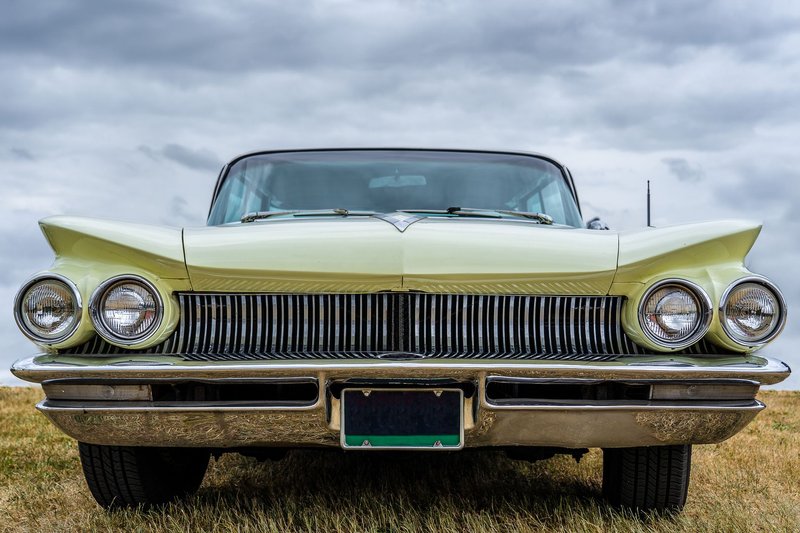
| Years | Engine | Power | Notable |
|---|---|---|---|
| 1955–1965 | 331–413 cu in Hemi V8 | 300–380 hp | First American car to break 300 hp |
Chrysler called it the “banker’s hot rod” for a reason: formal, upright styling wrapped around the most powerful engine sold in America at the time. The original C-300 got its name from its output — a number no other production car in the country could touch in 1955. It backed up the badge, too, taking the NASCAR Grand National championship in both 1955 and 1956 with Tim Flock behind the wheel. Every “sport sedan” built since owes something to a car that proved a four-door could out-muscle a coupe.
14. Cadillac Fleetwood Brougham (1965–1970)
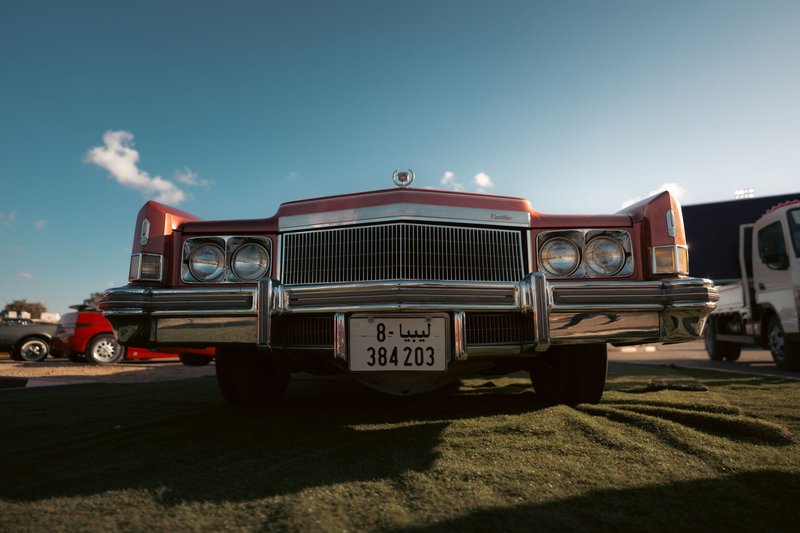
| Years | Engine | Power | Notable |
|---|---|---|---|
| 1965–1970 | 429 cu in V8 | 340 hp | Over 18 feet long |
This is the American land yacht at its most confident: vinyl roof, acres of chrome, a cabin long enough that rear passengers got their own reading lamps and a retractable headrest. It wasn’t trying to be efficient or nimble — it was trying to be the largest, plushest thing on the road, and for most of the 1960s it succeeded. The Fleetwood Brougham set the template for American luxury that Lincoln and Chrysler spent two decades chasing, right down to the vinyl roof nobody actually needed.
13. Ford Model T (1908–1927)
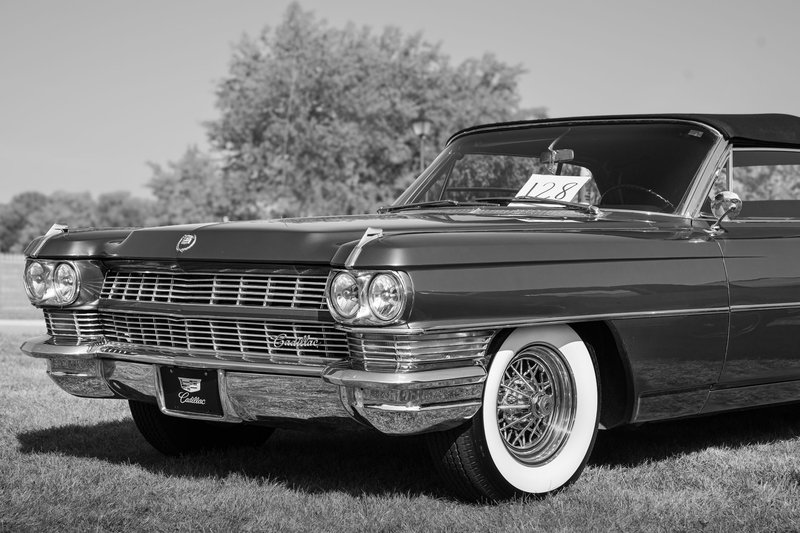
| Years | Engine | Power | Notable |
|---|---|---|---|
| 1908–1927 | 2.9L inline-4 | 20 hp | Over 15 million built |
The Model T isn’t on this list for being fast — it topped out around 45 mph and needed a hand crank to start. It’s here because Ford’s moving assembly line, refined at the Highland Park plant, cut chassis assembly time from roughly twelve and a half hours down to about 93 minutes by 1914, a shift documented at the Smithsonian’s National Museum of American History. That’s not a footnote — it’s the reason cars became something a middle-class family could actually own, not a toy for the wealthy. Every mass-produced sedan on this list exists because the Model T proved the model worked.
12. Chevrolet Impala (1965)
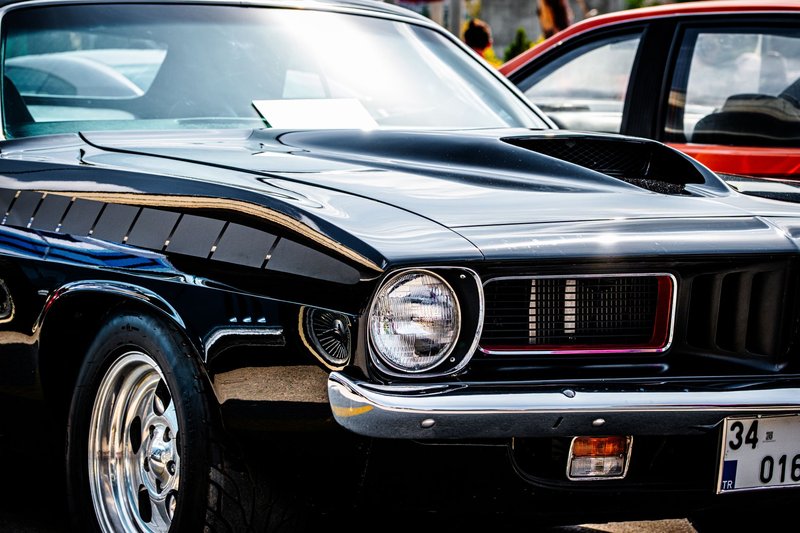
| Years | Engine | Power | Notable |
|---|---|---|---|
| 1965 | 396 cu in Turbo-Jet V8 | Up to 325 hp | Over 1 million sold in one model year |
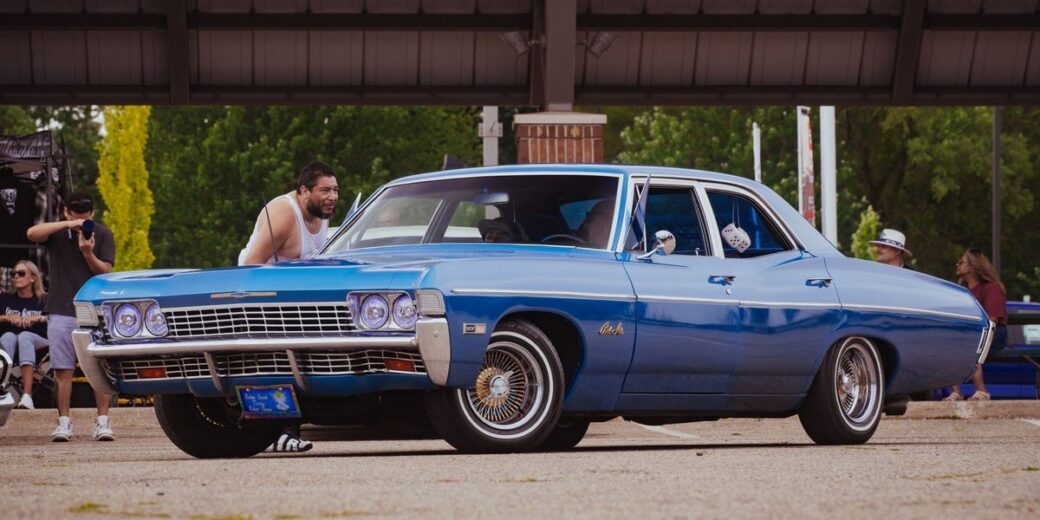
The 1965 Impala sold more than a million units in a single model year in the United States — a record no individual nameplate has matched since, in any single year. It managed that while offering a genuine big-block V8 option, which meant the best-selling car in America that year could also embarrass sports cars at a stoplight. That combination — mainstream volume and real performance in the same body — is rarer than either alone.
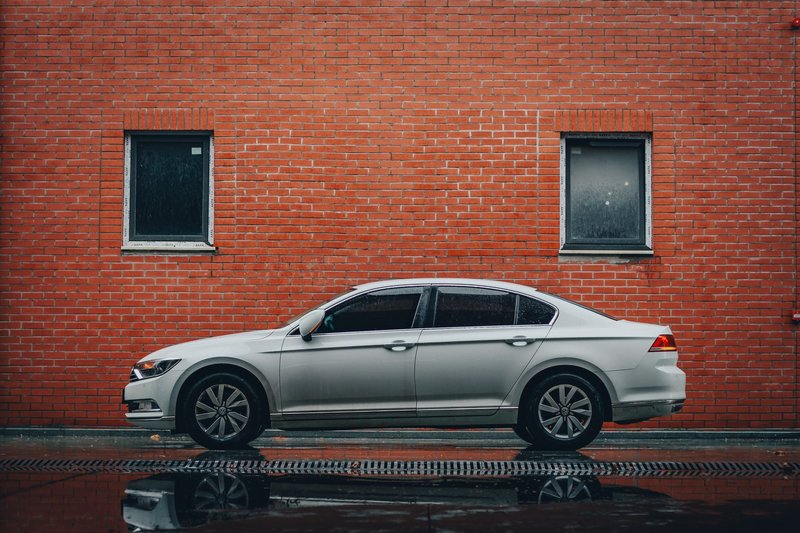
11. Audi 100/5000 Typ 44 (1982–1991)
| Years | Engine | Power | Notable |
|---|---|---|---|
| 1982–1991 | 2.2L inline-5 (turbo on top trims) | 130–200 hp | Cd 0.30 drag coefficient |
Every boxy, upright sedan of the late 1970s suddenly looked ancient the moment the Typ 44 arrived. Its 0.30 drag coefficient was class-leading for a production sedan at launch, and it forced Mercedes and BMW to redesign around aerodynamics instead of pure mass. It also brought quattro all-wheel drive into a mainstream family sedan, a decade before AWD became a default option across the industry. Most drivers never noticed the wind tunnel work. Every rival’s engineering team did.
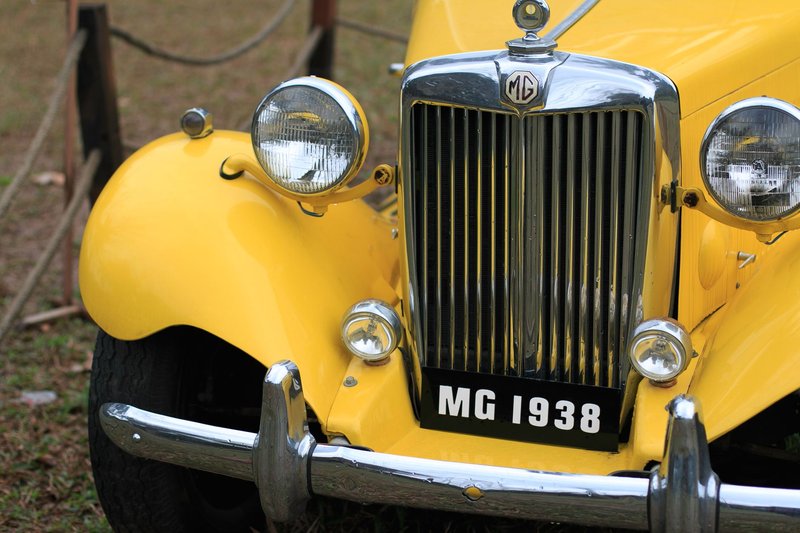
10. Jaguar Mark 2 (1959–1967)
| Years | Engine | Power | Notable |
|---|---|---|---|
| 1959–1967 | 3.4L or 3.8L XK inline-6 | Up to 220 hp | 0–60 in roughly 8.5 sec (3.8L) |
The Mark 2 had an odd reputation problem: it was fast enough that both Scotland Yard and the criminals it chased drove the same car, because nothing else in its class could keep pace with either side. Walnut dash, leather seats, and a straight-six that could genuinely move — that combination didn’t really exist before the Mark 2. Every “executive sports sedan” since, from the BMW 5 Series to the Jaguar XJ that replaced it, is working from a template this car wrote first.
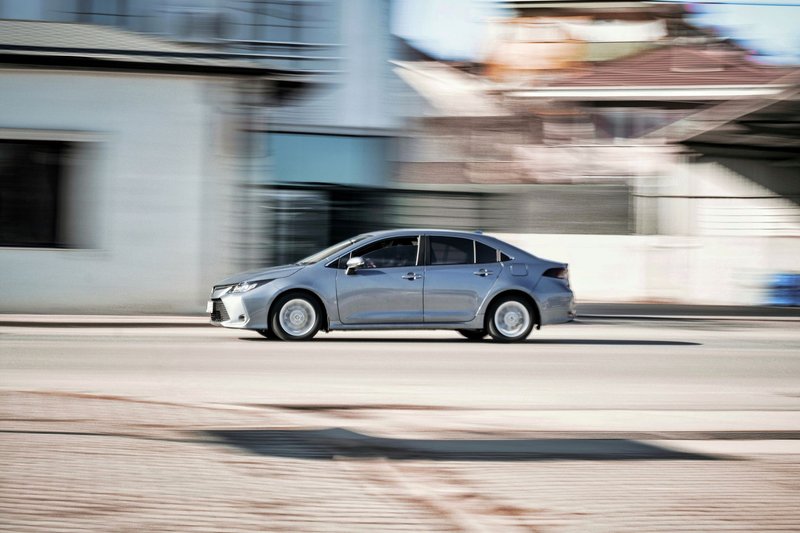
9. Volvo 240 (1974–1993)
| Years | Engine | Power | Notable |
|---|---|---|---|
| 1974–1993 | 2.1L–2.3L inline-4 (turbo on GT/Turbo trims) | 107–175 hp | 19-year production run |
Volvo built the 240 for almost two decades with barely any change to the core structure, which tells you how right they got it the first time. Its reputation rests on Volvo’s own safety engineering going back to 1959, when the company patented the three-point seatbelt and then waived the patent so every manufacturer could use it — a decision that’s part of why three-point belts are now standard equipment enforced by regulators like NHTSA worldwide. The 240 wrapped that philosophy in a boxy, over-built shell that families kept for 300,000 miles without asking much of it.
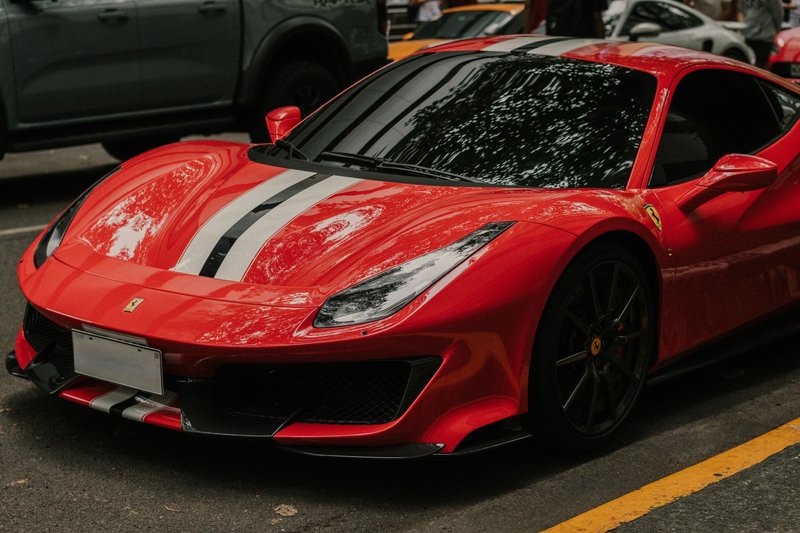
8. Alfa Romeo Giulia Super (1965–1977)
| Years | Engine | Power | Notable |
|---|---|---|---|
| 1965–1977 | 1.6L twin-cam inline-4 | 98 hp | Under 2,300 lbs |
Ninety-eight horsepower sounds modest until you clock the curb weight: under 2,300 pounds, with a twin-cam engine that loved to rev and a chassis tuned by people who cared more about steering feel than back-seat legroom. The Giulia Super won more European touring car championships through the late 1960s and 1970s than any rival in its class. Modern Alfa still borrows the name for its Quadrifoglio performance sedan, because nobody at the company wants to let go of what this car proved: light and eager beats big and powerful, corner after corner.
7. Lexus LS400 (1989–1994)
| Years | Engine | Power | Notable |
|---|---|---|---|
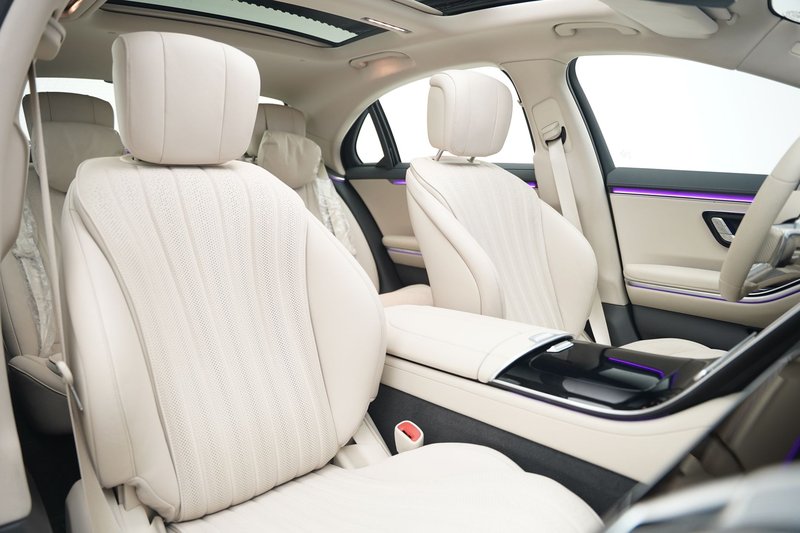
| 1989–1994 | 4.0L V8 (1UZ-FE) | 250 hp | Roughly half the price of a comparable S-Class |
Toyota engineers spent years benchmarking the Mercedes S-Class, then built something quieter, smoother, and more reliable than it — for close to half the sticker price. Mercedes and BMW didn’t see it coming, and both spent the following decade rethinking how they engineered refinement, because a Japanese newcomer had just proven you didn’t need a badge that old to build a flagship sedan that good. The LS400 didn’t just enter the luxury segment. It renegotiated what “luxury” was allowed to cost.
6. Mercedes-Benz W140 S-Class (1991–1998)
| Years | Engine | Power | Notable |
|---|---|---|---|
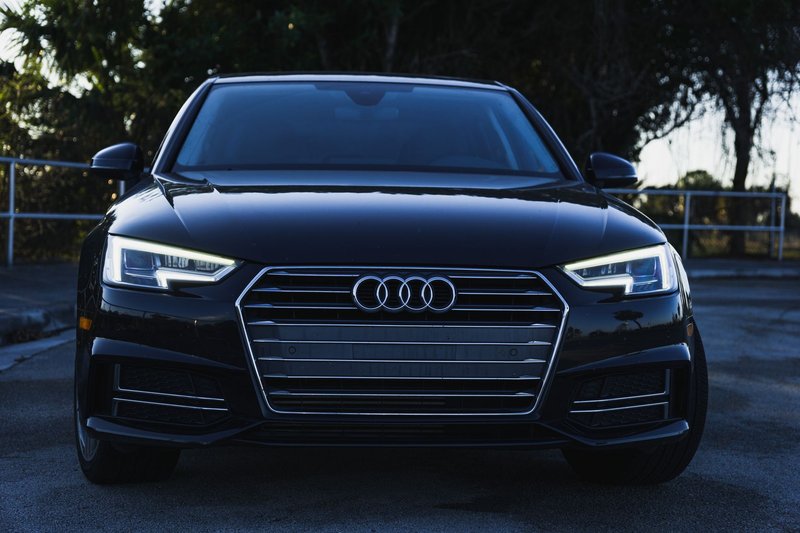
| 1991–1998 | Up to 6.0L V12 (600 SEL) | Up to 394 hp | Over 4,700 lbs |
The W140 was Mercedes at its most uncompromising — double-pane windows for soundproofing, a development budget that reportedly ran well past a billion dollars, and engineering so dense that it took nearly a decade off the drawing board. It was also, by most accounts, over-built to a fault, heavy enough and expensive enough to develop that Mercedes never fully recouped the cost. That’s exactly why it belongs here: no other flagship sedan since has been allowed to be this uncompromising, because no other manufacturer has been willing to spend like this again.
5. Honda Accord (6th Gen, 1998–2002)
| Years | Engine | Power | Notable |
|---|---|---|---|
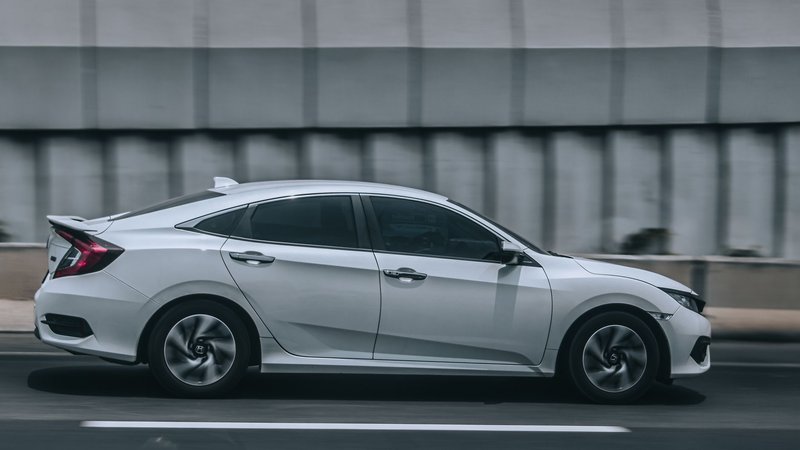
| 1998–2002 | 2.3L inline-4 or 3.0L V6 | 150–200 hp | Best-selling car in the US for 15 separate years |
The Accord spent fifteen non-consecutive years as the best-selling car in America between 1989 and 2001, including a dominant 1998, competing against Camrys, Tauruses, and whatever Detroit threw at it that decade. It also became, for years running, the most stolen car in the country — not because it was flashy, but because its parts interchanged across so many model years that a stolen Accord could feed a chop shop for a decade. That’s an unglamorous kind of legendary, but it’s a direct result of the same reliability that made it a sales leader in the first place.
4. BMW 2002 (1968–1976)
| Years | Engine | Power | Notable |
|---|---|---|---|
| 1968–1976 | 2.0L inline-4 (M10) | 100–170 hp (2002 Turbo) | Europe’s first turbocharged production car |
Car and Driver’s David E. Davis Jr. wrote a review of the 2002 that essentially invented the American enthusiast press’s obsession with the “sports sedan” as its own category, separate from sports cars and separate from family cars. The 2002 Turbo that followed became Europe’s first turbocharged production car, arriving with a mirror-image “2002 TURBO” badge on the front air dam specifically so drivers could read it in their rearview mirrors. BMW built an entire brand identity — and an entire M division, eventually — on the idea this car introduced first.
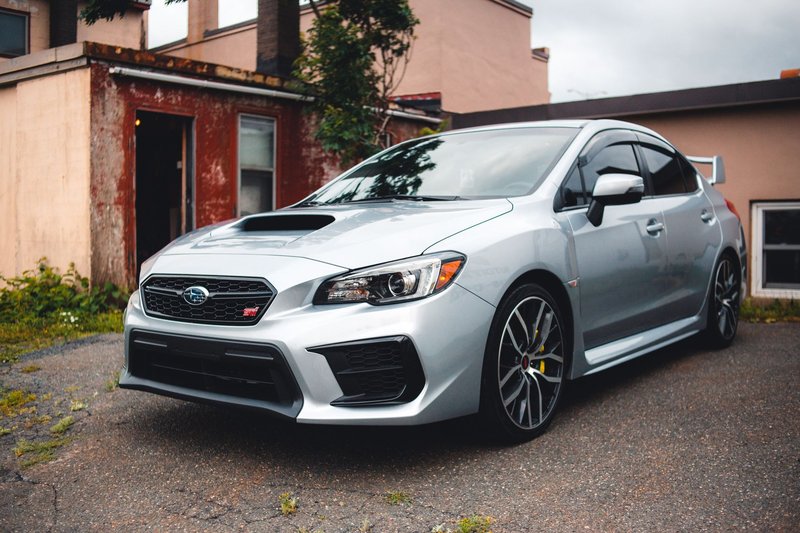
3. BMW E39 M5 (1998–2003)
| Years | Engine | Power | Notable |
|---|---|---|---|
| 1998–2003 | 4.9L V8 (S62) | 395 hp | 0–60 in 4.8 sec |
Ask enthusiasts which M5 generation to buy and the E39 wins more often than not, and it’s not close. Hydraulic steering with real feedback, a naturally aspirated V8 that revs cleanly to redline without a hint of turbo lag, and a manual-only lineup in the US market — nothing about it was hedged for comfort or emissions compliance the way later generations were. Every M5 since has been measured against this one, and BMW’s own engineers have said as much in interviews. That’s a hard bar to keep clearing twenty-five years later.
2. Mercedes-Benz W123 240D (1976–1985)

| Years | Engine | Power | Notable |
|---|---|---|---|
| 1976–1985 | 2.4L OM616 inline-4 diesel | 65–72 hp | Multiple verified examples past 2 million miles |
Sixty-five horsepower, a 0–60 time nobody bothered timing, and a reputation that outlasted the German company’s own optimism about how long a diesel could run. One 240D operated as a taxi on Grand Canary Island for decades and logged roughly 4.35 million miles on the road. Another, driven by a Greek taxi driver for over twenty years with meticulous maintenance records, covered around 4.6 million kilometers — close to 2.85 million miles — swapping the engine only two or three times along the way. Nothing else on this list comes within a million miles of that.
1. Toyota Corolla (1966–Present)
| Years | Engine | Power | Notable |
|---|---|---|---|
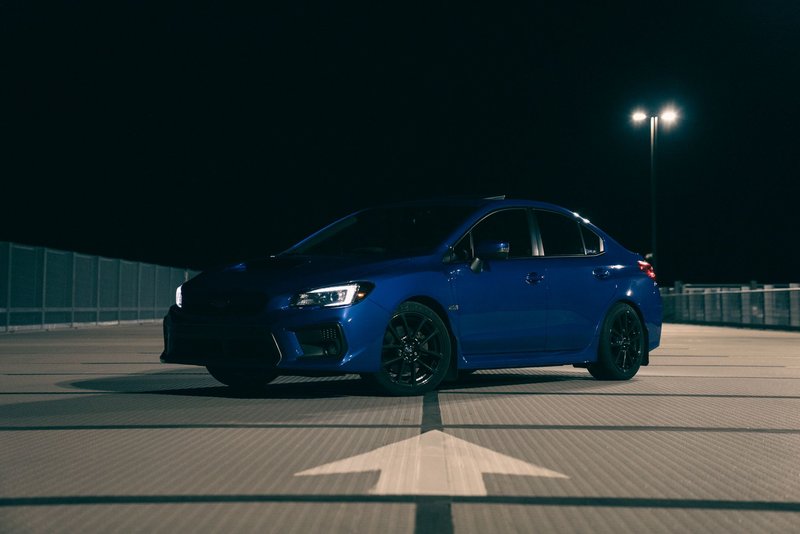
| 1966–present (12 generations) | Varies; current gen 2.0L hybrid inline-4 | Roughly 169 hp (current hybrid) | Over 50 million units sold |
No sedan on this list can claim what the Corolla can: it’s the best-selling nameplate in automotive history, full stop. Toyota sold its 50-millionth Corolla in 2021, a number that outpaces the combined lifetime sales of the Volkswagen Beetle, the Ford F-Series, and the Honda Civic at the time of that milestone. It’s held the title of world’s best-selling car since 1997, when it overtook the Beetle, and it’s kept selling in over 150 countries every year since—a claim few modern sedans can match. Reliability, low cost of ownership, and twelve generations of Toyota refusing to mess with a working formula got it there. Nothing else has ever sold this many.
The cars on this list didn’t get here by being the fastest or the newest. They got here by changing what came after them — the Model T made mass production possible, the 2002 named a category, the 240D redefined what “durable” even means. That’s the actual test for “best sedan of all time.” Not what tops a spec sheet today, but what the entire segment still owes it.

Marco Delantero
More from Marco DelanteroHow we reviewed this article
This article was researched against manufacturer records and editorially reviewed before publishing. We accept no payment for coverage. Some guides contain affiliate links; see our affiliate disclosure.