Table of Contents
- TLDR
- What Dodge Was Selling in 2018
- Dodge Challenger
- Dodge Charger
- Dodge Durango
- Dodge Journey
- Dodge Grand Caravan
- Reliability: What Actually Breaks
- Buying One Used in 2026
TLDR
Five nameplates carried the Dodge badge in 2018: Challenger, Charger, Durango, Journey, and Grand Caravan. If you want the short version — Challenger and Charger are the ones worth caring about, Durango is the one worth buying, and Journey and Grand Caravan are the ones you buy because they’re cheap, not because they’re good.
The year’s headline was the Challenger SRT Demon:  840 hp from a supercharged 6.2-liter V8, a 9.65-second quarter mile, and a 0-60 run under 2.3 seconds that no other production car had matched at the time. Dodge built roughly 3,300 of them, and clean examples now trade well above their original window sticker. Everything else in the 2018 lineup exists in that car’s shadow, for better or worse.
What Dodge Was Selling in 2018
Dodge in 2018 was a brand split down the middle. On one side: Challenger and Charger, two cars built around one job — going fast in a straight line — sold in a bewildering number of trims from a 305-hp V6 SXT up to the Demon and its Hellcat siblings. On the other side: Durango, Journey, and Grand Caravan, three family haulers competing in segments the rest of the industry had mostly moved on from.
That split matters if you’re shopping used in 2026. A 2018 Challenger and a 2018 Grand Caravan share a badge and basically nothing else — different engineering, different failure points, different reasons to buy one.
Dodge Challenger
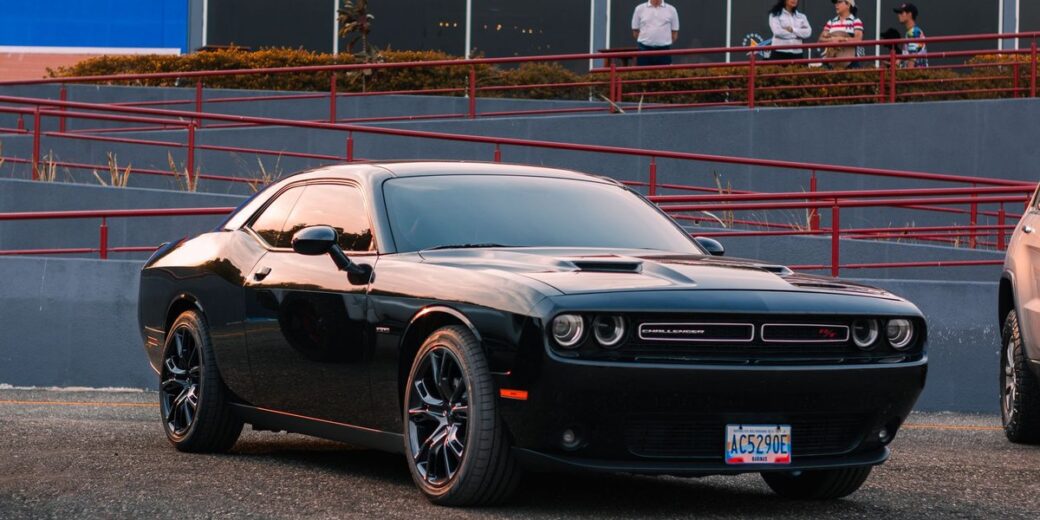
The Challenger’s 2018 lineup ran from a genuinely pleasant daily-driver V6 up to a car that shouldn’t legally exist. The SRT Demon dropped its rear seat and passenger seat as standard equipment — you could add them back for $1 each, because Dodge needed the car to qualify as a two-seater for drag-strip classification. It also required 100-octane fuel to hit peak output; on pump gas, the Demon still made a very healthy 808 hp.
Below the Demon, the Hellcat carried over its 707-hp supercharged 6.2-liter V8, and the R/T Scat Pack brought a 485-hp 6.4-liter HEMI for buyers who wanted most of the drama at half the price.
| Trim range | SXT to SRT Demon |
| Engines | 3.6L V6 (305 hp) to supercharged 6.2L V8 (Demon: 840 hp on race fuel) |
| Starting MSRP | Around $27,145 |
| Standout feature | SRT Demon — 9.65-second quarter mile, factory drag radials, no back seat |
Dodge Charger
The Charger is the Challenger’s four-door twin, built on the same platform with the same engine choices, minus the Demon. For 2018 that meant SXT, GT, R/T, R/T Scat Pack, SRT 392, and the 707-hp SRT Hellcat, which remained the quickest four-door sedan you could buy new that year.
The real argument for the Charger over the Challenger isn’t performance — it’s that you can actually put car seats in the back without a chiropractor’s note. Dodge leaned into that with the Charger’s continued availability with all-wheel drive on V6 trims, a configuration the Challenger never offered.
| Trim range | SXT to SRT Hellcat |
| Engines | 3.6L V6 (300 hp) to supercharged 6.2L V8 (707 hp) |
| Starting MSRP | Around $28,995 |
| Standout feature | Only mainstream sedan with a genuine 707-hp trim |
Dodge Durango
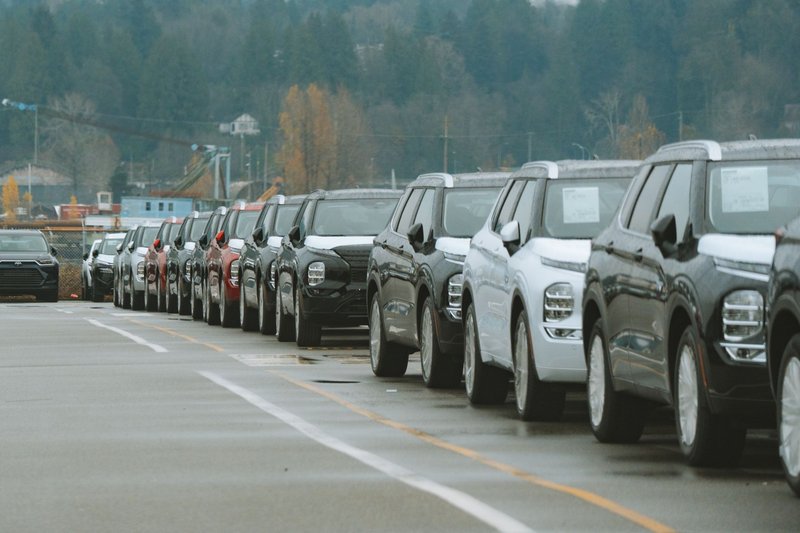
The Durango is the sleeper of the 2018 lineup, and the one model here that still makes sense as a daily driver eight years later. It rides on a stretched version of the Charger’s platform, seats up to seven, and — in SRT form — does something no three-row SUV had done before: a 12.9-second quarter mile courtesy of the 475-hp 6.4-liter HEMI V8, the same engine family found under the Challenger and Charger’s hoods.
Lower trims (SXT, GT, Citadel) used a 3.6-liter V6 or an optional 5.7-liter HEMI V8, with rear- or all-wheel drive and a properly useful 6,200-pound tow rating on V8 models.
| Trim range | SXT to SRT |
| Engines | 3.6L V6 (293 hp) to 6.4L V8 (SRT: 475 hp) |
| Starting MSRP | Around $29,995 |
| Standout feature | SRT trim — three-row SUV with a sub-13-second quarter mile |
Dodge Journey
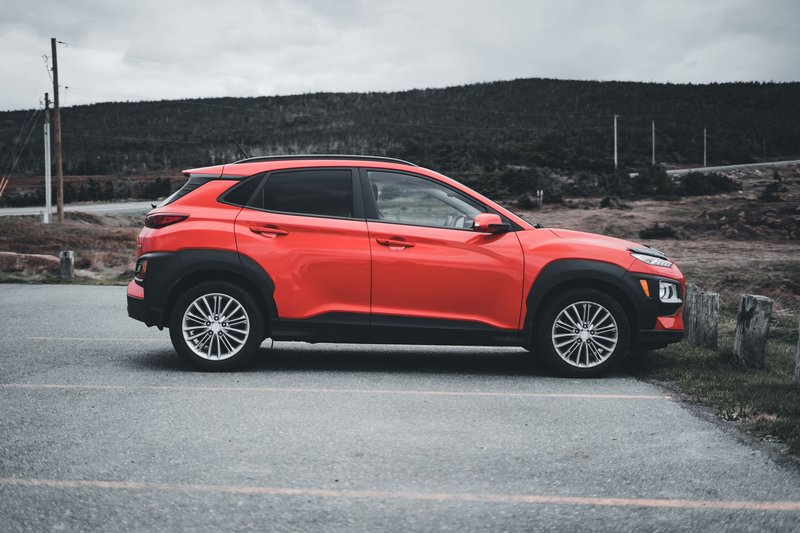
Here’s where the 2018 lineup stops being interesting. The Journey had been on sale since 2009 with only minor updates, and by 2018 it was competing against crossovers that were a full design generation ahead on infotainment, safety tech, and interior materials. Dodge kept it around because it sold — cheap financing and low sticker prices moved units — not because it was competitive on merit.
The base SE used a 2.4-liter four-cylinder with a four-speed automatic, a transmission that had been outdated for a decade even in 2018. Stepping up to the Crossroad or GT trim brought a 3.6-liter V6 and a six-speed automatic, which is the version worth seeking out if you’re looking at one used.
| Trim range | SE to GT |
| Engines | 2.4L I4 (173 hp) or 3.6L V6 (283 hp) |
| Starting MSRP | Around $22,995 |
| Standout feature | Cheapest three-row seating Dodge sold in 2018 |
Dodge Grand Caravan
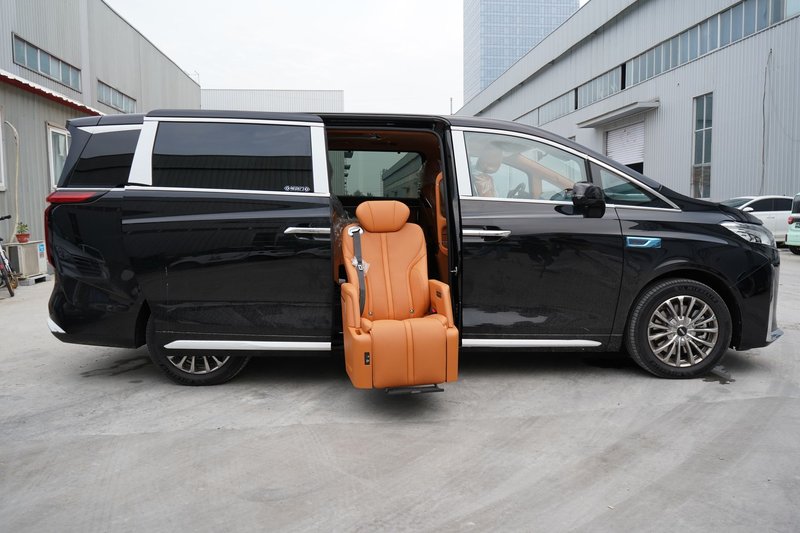
The Grand Caravan’s story is the same as the Journey’s: an old platform kept alive by a low price tag. By 2018, Chrysler’s own Pacifica had replaced the minivan everywhere it mattered — safety ratings, tech, ride quality — and the Grand Caravan survived purely as the fleet and budget option, sold mostly to rental companies and value-focused families who didn’t need the Pacifica’s extras.
Every 2018 Grand Caravan used the same 3.6-liter V6 and six-speed automatic, so trim choice comes down to features, not performance: cloth seats and manual sliding doors on SE, up to leather and power doors on SXT.
| Trim range | SE to SXT |
| Engines | 3.6L V6 (283 hp) |
| Starting MSRP | Around $29,030 |
| Standout feature | Stow ‘n Go seating — still the easiest third row to remove in any minivan |
Reliability: What Actually Breaks
This is the part model-specific review sites tend to skip, and it’s the reason to read a roundup instead of five separate pages: the problems don’t split neatly by model.
A recall covering the powertrain control module hit all five 2018 nameplates — Challenger, Charger, Durango, Journey, and Grand Caravan — over a voltage regulator chip that could fail and cause a stall or no-start condition. A separate cruise-control recall affecting the Journey, Charger, and Durango addressed a defect that could prevent the system from disengaging on command. Both are free dealer fixes, and any 2018 Dodge you’re shopping used should already show the work in its service history — ask for it before you hand over a deposit.
Beyond the shared recalls, the failure points diverge by platform. The Grand Caravan draws the most owner complaints of the group, concentrated in electrical gremlins and body/paint issues, plus a separate rear brake caliper problem where insufficient coating on the piston let gas pockets form and quietly reduce rear braking performance. The Durango’s most-reported annoyance is more of an inconvenience than a defect: a fuel filler neck prone to premature pump shutoff, which means slow, frustrating fill-ups and the occasional spilled gas. Consumer Reports rates the Journey’s reliability as one of the weaker entries in the lineup, consistent with its age at launch.
The Challenger and Charger, despite carrying the most powerful engines in the group, report fewer complaints than the family models — the HEMI and Hellcat drivetrains are mechanically simple and well-proven by 2018, having been in production for years already.
Buying One Used in 2026
Every 2018 Dodge on the used market today is a roughly eight-year-old vehicle, and how that plays out depends entirely on which one you’re looking at.
The Challenger and Charger, especially in Scat Pack, SRT 392, or Hellcat trim, have held value far better than a typical eight-year-old sedan. Demand from enthusiasts who missed out when these were new keeps prices firm, and the Demon specifically has appreciated — a car built in 3,300 units with a Guinness-recognized performance record isn’t depreciating the way a family sedan does. Base V6 Challengers and Chargers depreciate normally and represent the cheapest way into the platform.
The Durango sits in the middle: strong enough demand from families wanting V8 towing capacity that SRT and R/T trims hold value reasonably well, while V6 SXT models depreciate at a normal SUV pace.
Journey and Grand Caravan are where used pricing gets genuinely attractive, and also where you should budget for the recall work and expect higher mileage — both models sold heavily to rental and fleet buyers, so checking the title history and mileage pattern matters more here than on any Challenger or Charger you’ll find. Fuel economy on the Grand Caravan is EPA-rated around 17 city / 25 highway mpg, numbers that reflect exactly how old the platform underneath it was by 2018.
If you’re shopping the 2018 Dodge lineup used today, the honest read is this: buy a Challenger or Charger for the driving experience, buy a Durango if you need three rows and still want a V8 available, and buy a Journey or Grand Caravan only because the price is right — not because either one aged well.

Marco Delantero
More from Marco DelanteroHow we reviewed this article
This article was researched against manufacturer records and editorially reviewed before publishing. We accept no payment for coverage. Some guides contain affiliate links; see our affiliate disclosure.