Ask someone what the “popular cars of 1998” were and you’ll get two completely different answers depending on who you ask. Tell a gearhead and they’ll say Porsche 996, Audi TT, Corvette C5 — the year the enthusiast world got a stack of genuinely important new metal. Tell an accountant at a dealership and they’ll pull up a spreadsheet dominated by pickup trucks, minivans, and the Toyota Camry.
Both answers are correct, and most lists you’ll find online pick one and pretend the other doesn’t exist. This one doesn’t. Below is what Americans actually bought in 1998, backed by real sales numbers, followed by the cars nobody bought in volume but everybody still talks about 28 years later.
Table of Contents
- TLDR
- The Cars That Actually Sold: 1998’s Real Best-Sellers
- The Cars Everyone Remembers: 1998’s Icons
- What a New Car Actually Cost in 1998
- Why 1998 Was a Turning Point for Safety
- The Short Version, Restated
TLDR
The actual best-seller in America in 1998 was the Ford F-Series, moving over 836,000 trucks — more than double the volume of any car. The Toyota Camry led passenger cars, Honda Accord was close behind, and the Ford Explorer, Jeep Grand Cherokee, and Dodge Caravan rounded out the household names. None of those were exciting. What was exciting — the Porsche 996, Corvette C5, Audi TT, BMW M5, Subaru 22B STI, and VW New Beetle — barely moved the sales needle by comparison, but defined the era’s car culture and still show up on “best of the 90s” lists today.
The Cars That Actually Sold: 1998’s Real Best-Sellers
This is the boring-but-true list. Nobody put these on their bedroom wall, but they’re what actually rolled off dealer lots in six and seven-figure numbers, and they tell you more about 1998 America than any concept car ever could.
Ford F-Series
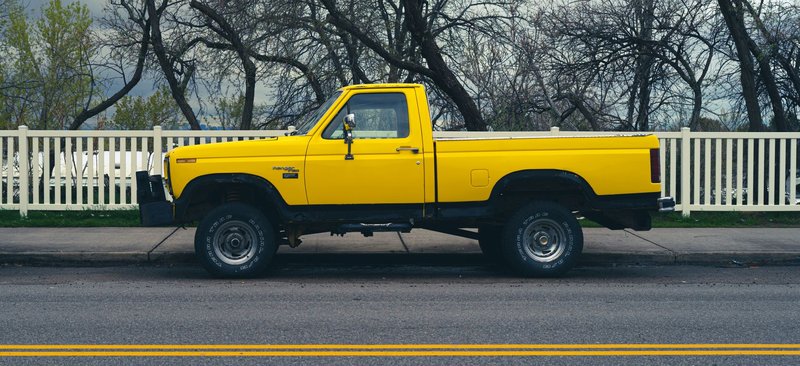
The F-Series moved more than 836,000 units in 1998, making it — by a wide margin — the single best-selling vehicle in the country, a title it had already held for over a decade and would keep holding for decades more. This was the ninth-generation F-150 era, the one with the rounded, aerodynamic nose that ditched the boxy 80s look. Ford wasn’t selling trucks to construction crews anymore; it was selling them to suburban commuters who wanted the bed for the two weekends a year they’d use it.
Toyota Camry
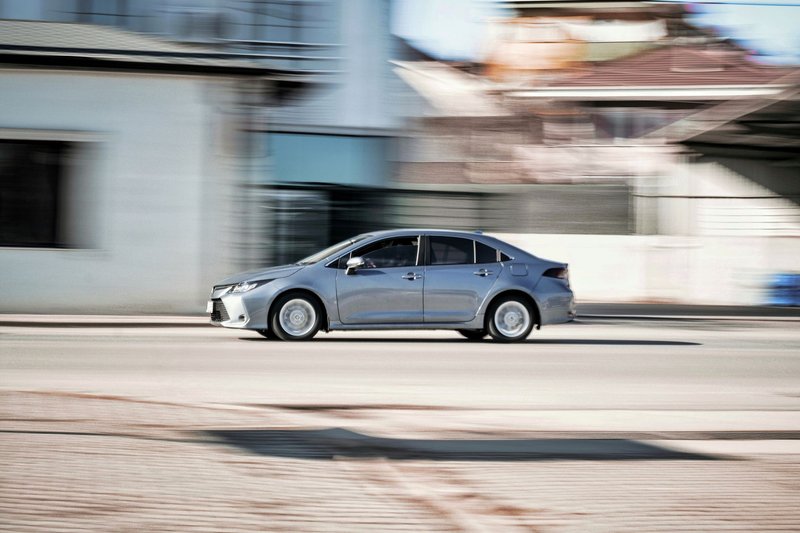
The Camry sold roughly 430,000 units in 1998, making it the best-selling passenger car in America — a title it had taken from the Accord a few years earlier and wasn’t giving back. This was the XV20 generation, and it’s the car that cemented the Camry’s reputation as automotive furniture: reliable, forgettable, and exactly what a huge chunk of the country actually wanted from a commuter car.
Honda Accord
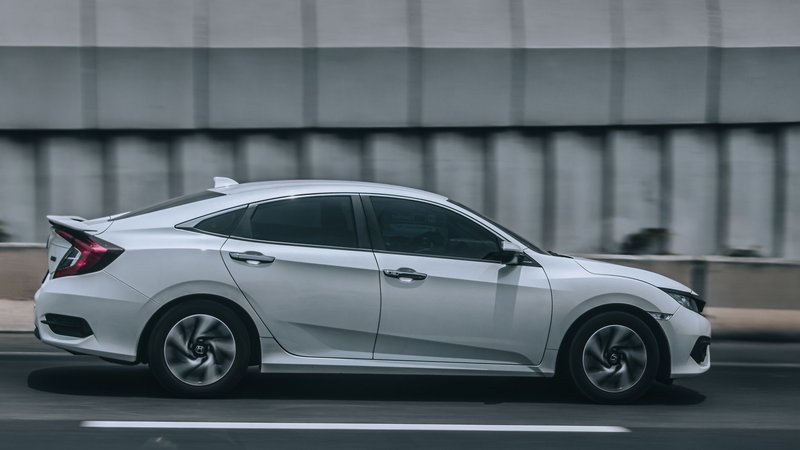
Right behind the Camry with about 401,000 units, the sixth-generation Accord was arguably the more interesting car of the two — tighter handling, a slightly sportier available V6 coupe trim, and a reputation for being the one people who cared about driving would pick over the Camry. Close as the numbers were, this rivalry defined an entire decade of midsize sedan advertising.
Ford Explorer
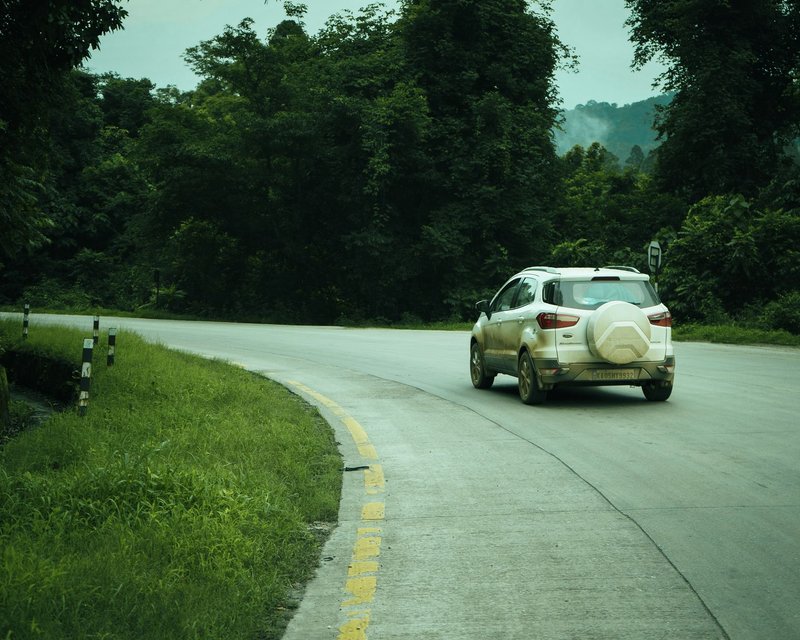
The Explorer outsold the Camry outright, moving around 431,000 units and landing as the second-best-selling vehicle in the country after the F-Series. This is the number that tells you what was actually happening to the American market in 1998: the SUV boom wasn’t coming, it had already arrived. Families that would’ve bought a wagon a decade earlier were buying Explorers instead, ground clearance and all.
Jeep Grand Cherokee
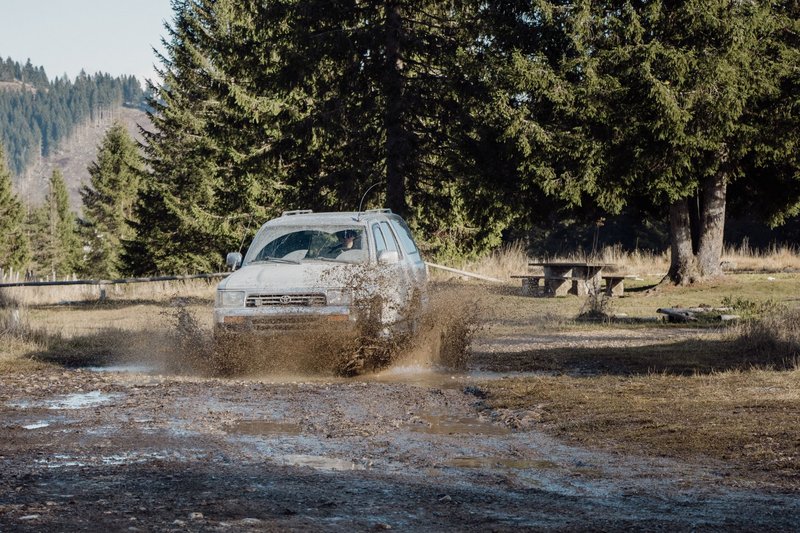
1998 was the launch year for the second-generation Grand Cherokee (the WJ), and it sold fast — Jeep built more than 20,000 of them a month by the back half of the year. The WJ ditched some of the original’s boxiness for rounder, more aerodynamic sheet metal, and it’s the generation that made the Grand Cherokee feel like a genuine alternative to a luxury sedan rather than just a capable off-roader with a heater.
Dodge Caravan
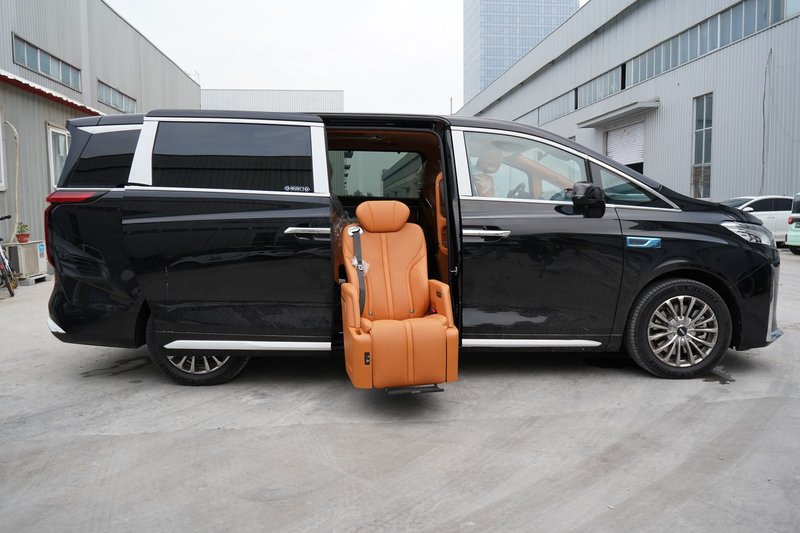
The minivan segment that Chrysler basically invented in the 80s was still Chrysler’s to lose in 1998, and the Caravan and Grand Caravan sold in huge numbers to families who needed to move more kids and more gear than an Explorer could handle. It’s easy to forget now, with minivans treated as an also-ran category, that in 1998 this was one of the most competitive and profitable segments in the entire industry.
The Cars Everyone Remembers: 1998’s Icons
None of these cracked the sales charts the way the trucks and sedans above did. That’s not the point. These are the cars that show up in “greatest of the 90s” retrospectives, get restored instead of scrapped, and are the actual reason 1998 gets talked about as a strong year for the car industry.
Porsche 911 (996)
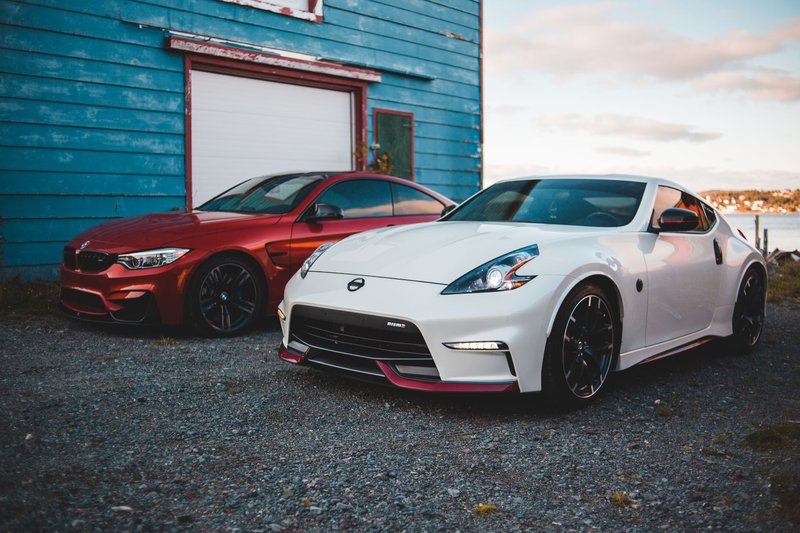
The 996 was the most controversial 911 ever built before you even started the engine, because Porsche switched from the air-cooled flat-six every prior 911 had used to a water-cooled 3.4-liter unit making 300 horsepower. Purists were furious at the time. Two and a half decades on, the 996 has quietly become the cheapest way into 911 ownership, and the controversy reads very differently in hindsight — it saved Porsche from bankruptcy by sharing parts and a platform with the new Boxster, a decision the company doesn’t get enough credit for.
Chevrolet Corvette C5
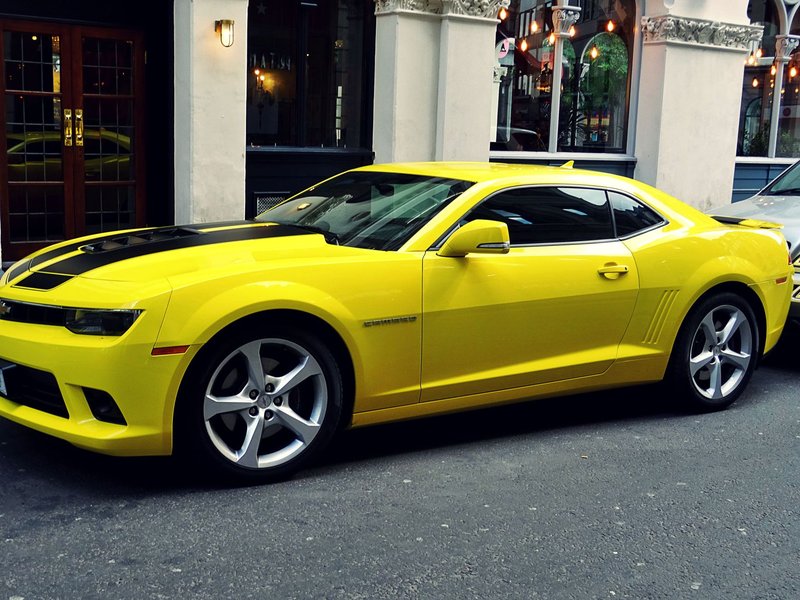
GM completely re-engineered the Corvette for 1998’s C5, and the numbers were serious for the era: an LS1 V8 making 345 horsepower, a hydroformed frame, and a 0-60 time under five seconds — for a car that started well under $40,000. The C5 is the generation that convinced a lot of import-only enthusiasts that American sports cars had actually caught up, and the LS1 became one of the most swapped, most beloved V8s of the following two decades.
Audi TT
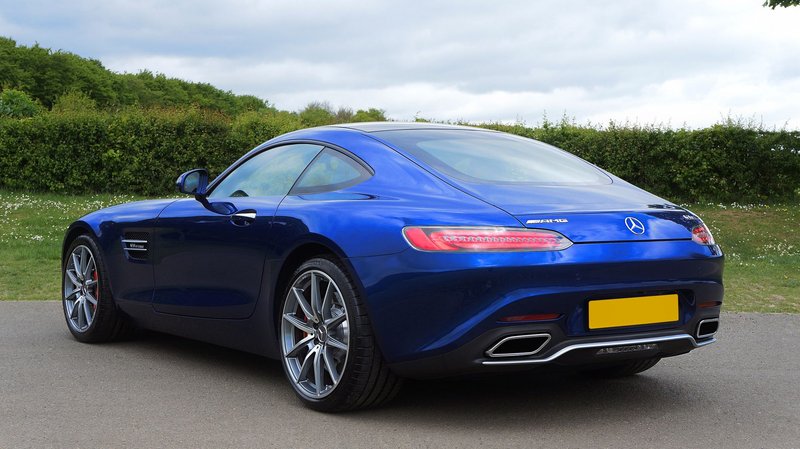
The TT went into production in October 1998, built on the same platform as the Mk4 Golf, and it looked like nothing else on the road — a Bauhaus-influenced shape with none of the fussy detailing most coupes had at the time. Early cars had a genuine, well-documented high-speed stability problem that Audi quietly fixed with a rear spoiler and revised suspension, a footnote that doesn’t come up much in the retrospectives but is part of the real story of the car’s first year.
BMW M5 (E39)
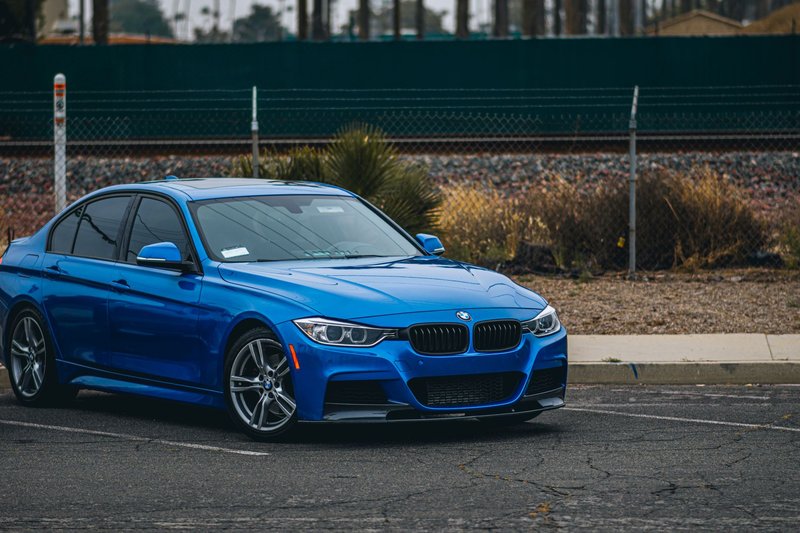
The E39 M5 is the car that a huge number of enthusiasts will tell you is the best M5 BMW ever built, full stop. A naturally aspirated 4.9-liter V8 making 400 horsepower, sent through a manual gearbox only, in a body that from the outside looked like a slightly wider 5 Series your accountant might drive. No badges shouting about it, no spoiler kit. Among the most iconic BMWs ever made, it was just a genuinely quick sedan that didn’t need to announce itself.
Subaru Impreza 22B STI
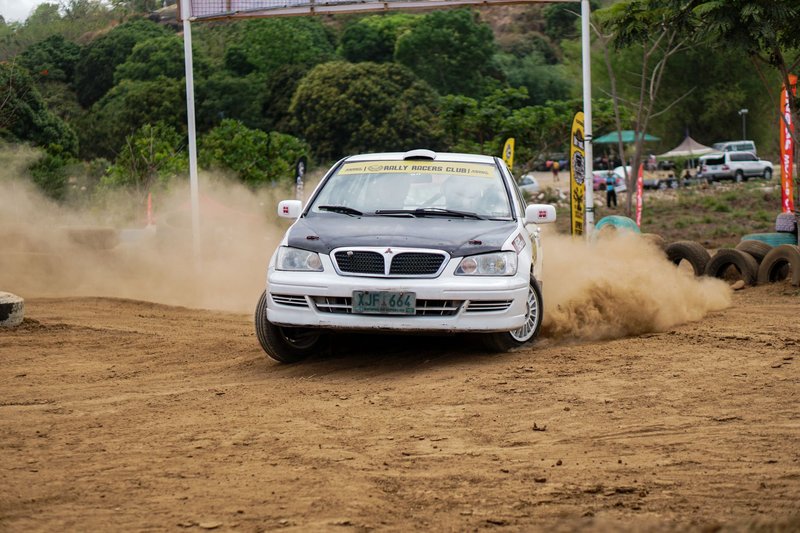
Built to celebrate Subaru’s three consecutive World Rally Championship manufacturer titles, the 22B wore the widebody rally car’s bodywork onto a road-legal Impreza, with a 2.2-liter turbocharged boxer four making a factory-rated 280 horsepower — a figure everyone assumed was underreported. Subaru built only around 400 of them, all for the Japanese market, which is exactly why a clean 22B now trades for well into six figures. One of the most iconic JDM cars, the 22B is the model most responsible for turning the Impreza into a cult object outside Japan.
Volkswagen New Beetle
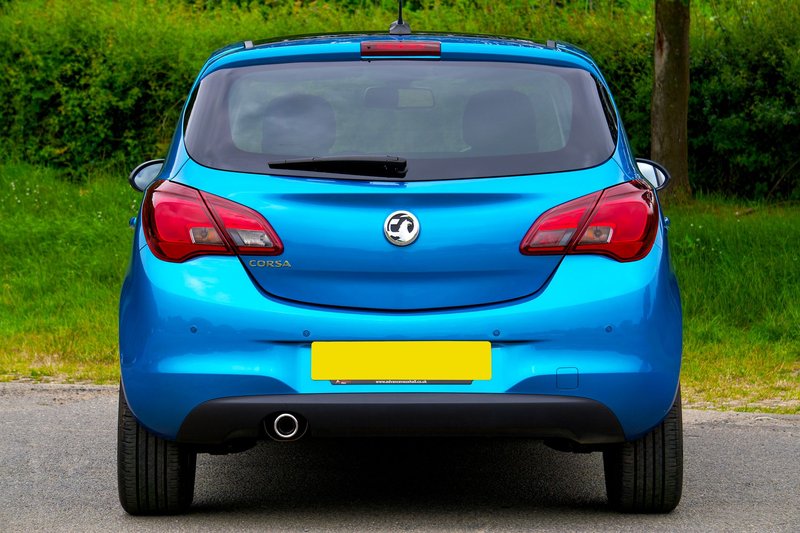
Production actually started in late 1997, but the New Beetle’s real launch moment was the January 1998 Detroit Auto Show unveiling and the US market rollout that followed, priced from about $15,200. It leaned entirely on nostalgia for the original Beetle while sharing its underpinnings with the Golf, and it worked — dealers had waiting lists in a way that hadn’t happened for a VW in the US in years.
What a New Car Actually Cost in 1998
Here’s the number that puts everything above into context: the average new car in the US in 1998 cost somewhere around $19,000 to $22,000 out the door, depending on which tracking source you trust. A base Camry LE ran a little under $19,000. A Grand Cherokee started in the mid-$20,000s. Even the Corvette, the halo car of the entire domestic lineup, started under $40,000 — a figure that today wouldn’t get you into a well-optioned Camry.
Adjusted for inflation, that $19,000 Camry is closer to $37,000 in today’s dollars, which is roughly what a new Camry actually costs now. The car got safer, more efficient, and loaded with tech that didn’t exist in 1998. It also, in real terms, costs almost exactly the same. That’s a more interesting story than most “then vs. now” price comparisons, which tend to just show sticker shock without the adjustment that makes the number mean anything.
Why 1998 Was a Turning Point for Safety
There’s a regulatory reason 1998 shows up so often in automotive history writing that has nothing to do with which cars were cool. Starting with the 1998 model year, federal rules required dual front airbags — driver and passenger — in every new passenger car sold in the US, a mandate that extended to light trucks the following year. According to NHTSA’s own crash data, that single regulatory change is credited with a meaningful, measurable reduction in frontal-crash fatalities over the years that followed.
It’s easy to look at a Camry or an Explorer from this era and see nothing but a forgettable commuter box. But every one of those forgettable boxes was safer than what it replaced in a way that mattered a lot more than any spec sheet number. It’s also part of why 1998-model prices held roughly steady even as federal quality-adjustment data shows the cars themselves getting meaningfully better — you were paying about the same for a genuinely safer, better-built product.
The Short Version, Restated
Trucks and family cars won 1998 on volume: the F-Series, Camry, Accord, Explorer, Grand Cherokee, and Caravan were what actually filled American driveways. The cars people still argue about — the 996, the C5, the TT, the E39 M5, the 22B STI, the New Beetle — sold in a fraction of those numbers but did more to define what “1998” means to a car person than any sales chart ever could. Most retrospectives pick a side. The honest answer is that both lists are the real story of that year, and neither makes sense without the other.

Tyler Bridges
More from Tyler BridgesHow we reviewed this article
This article was researched against manufacturer records and editorially reviewed before publishing. We accept no payment for coverage. Some guides contain affiliate links; see our affiliate disclosure.