Search “American Muscle Car” and Wikipedia hands you a page about a 2003 cable TV show. That’s not a knock on the era — it’s a sign nobody’s bothered to organize it properly. The 2000s produced a real second wave of factory horsepower, and it split into two camps nobody talks about together: the coupes everyone remembers (Mustang GT, GTO, Challenger SRT8) and the four-door sleepers most people forget existed (Magnum SRT8, G8 GT, a Cadillac that could out-run a Corvette in a straight line).
This list covers both, ranked by what actually matters if you’re shopping for one now — not just what was fastest in 2006, but what’s worth your money, your garage space, and your patience with a fifteen-to-twenty-year-old drivetrain.
Table of Contents
- TL;DR: The Best 2000s American Muscle Cars
- 1. Ford Mustang GT (2005–2009)
- 2. Shelby GT500 (2007–2009)
- 3. Pontiac GTO (2004–2006)
- 4. Chevrolet Camaro SS (2010–2013)
- 5. Dodge Challenger SRT8 (2008–2010)
- 6. Chrysler 300C SRT8 (2005–2006)
- 7. Dodge Magnum SRT8 (2005–2008)
- 8. Pontiac G8 GT (2008–2009)
- 9. Cadillac STS-V (2006–2009)
- 10. Mercury Marauder (2003–2004)
- Buyer’s Guide: What to Check Before You Buy
TL;DR: The Best 2000s American Muscle Cars
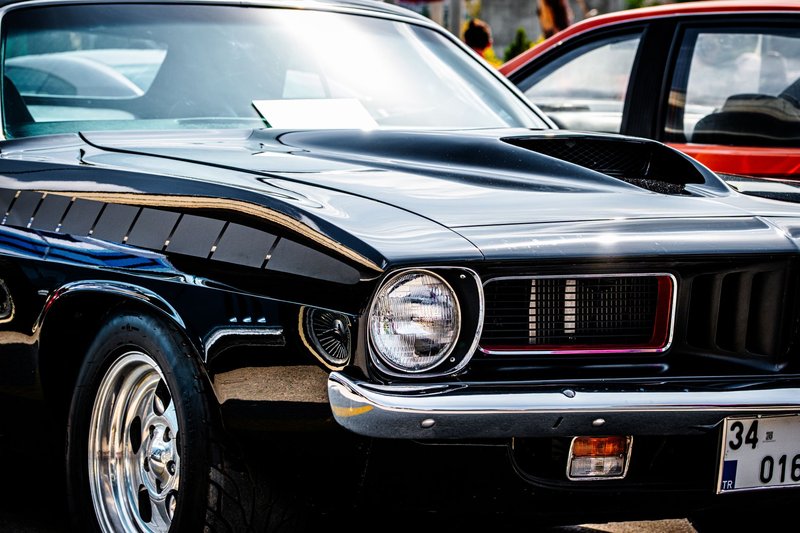
If you want the short version: the Shelby GT500 is the outright performance king of the decade, the Pontiac GTO is the most underpriced way in, and the Chrysler 300C SRT8 is the sleeper sedan that does 90% of what a Mustang GT does while hauling four adults and a golf bag. If you want a daily driver you won’t baby, the regular Mustang GT is still the easiest ownership experience on this list.
Every entry below gets a spec table, a real used-market range, and a one-line reason it earned its spot.
1. Ford Mustang GT (2005–2009)
| Spec | Detail |
|---|---|
| Engine | 4.6L SOHC V8 |
| Horsepower | 300 hp (2005–07) / 315 hp (2008–09) |
| 0–60 mph | ~5.1–5.3 sec |
| Used price today | $9,000–$17,000 |
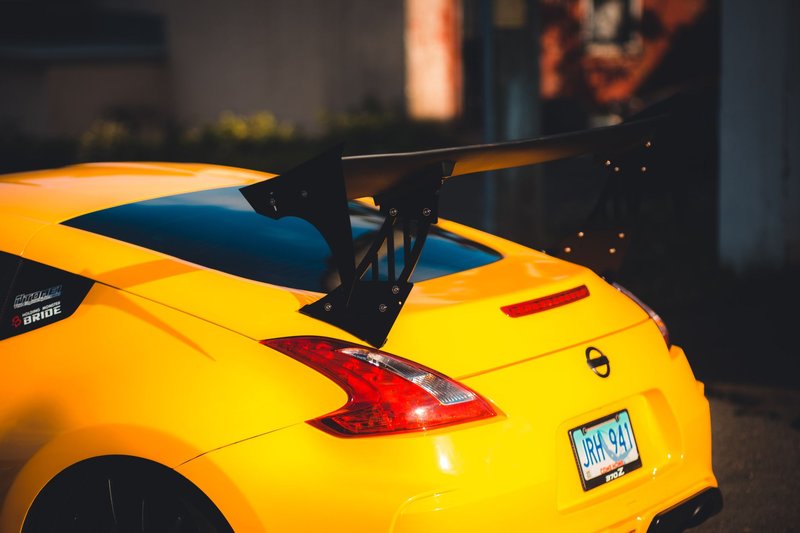
The retro-styled S197 Mustang is the car that restarted this whole era. Ford dropped the New Edge body for something that looked like a 1969 fastback and kept the recipe simple: solid rear axle, pushrod-simple V8, no pretense. It’s not the fastest thing here, but it’s the one you can find parts for at any auto parts counter in the country, and that matters more than a tenth of a second at fifteen years old.
2. Shelby GT500 (2007–2009)
| Spec | Detail |
|---|---|
| Engine | 5.4L supercharged V8 |
| Horsepower | 500 hp |
| 0–60 mph | ~4.5 sec |
| Used price today | $25,000–$50,000+ (well above that for documented low-mile cars) |
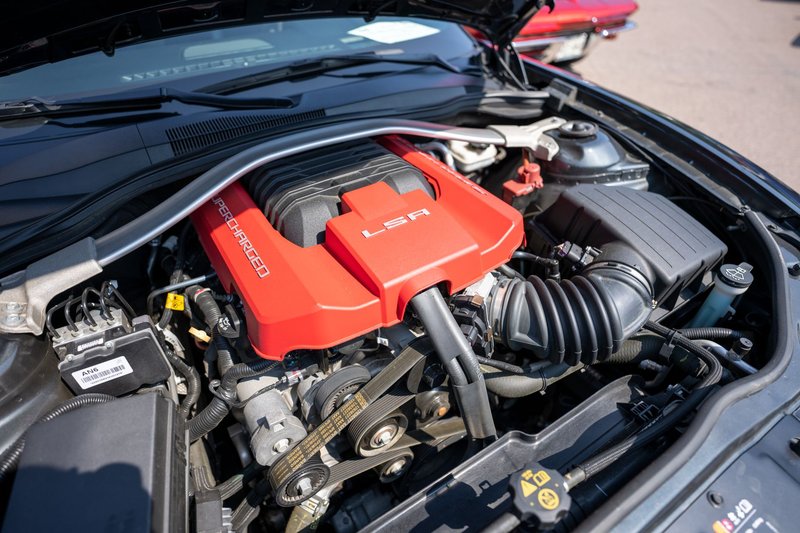
Carroll Shelby’s name went back on a Mustang for the first time since 1970, and Ford backed it up with the first 500-horsepower production Mustang ever built. This is the car that made “supercharged” a mainstream muscle-car word again. Clean 2007 first-year examples have been climbing steadily at auction — values are up double digits year over year according to recent market tracking data, which tells you the appreciation isn’t a one-off sale, it’s a trend.
3. Pontiac GTO (2004–2006)
| Spec | Detail |
|---|---|
| Engine | 5.7L LS1 (2004) / 6.0L LS2 (2005–06) |
| Horsepower | 350 hp (2004) / 400 hp (2005–06) |
| 0–60 mph | 5.3 sec (2004) / 4.8 sec (2005–06) |
| Used price today | $12,000–$25,000, climbing |
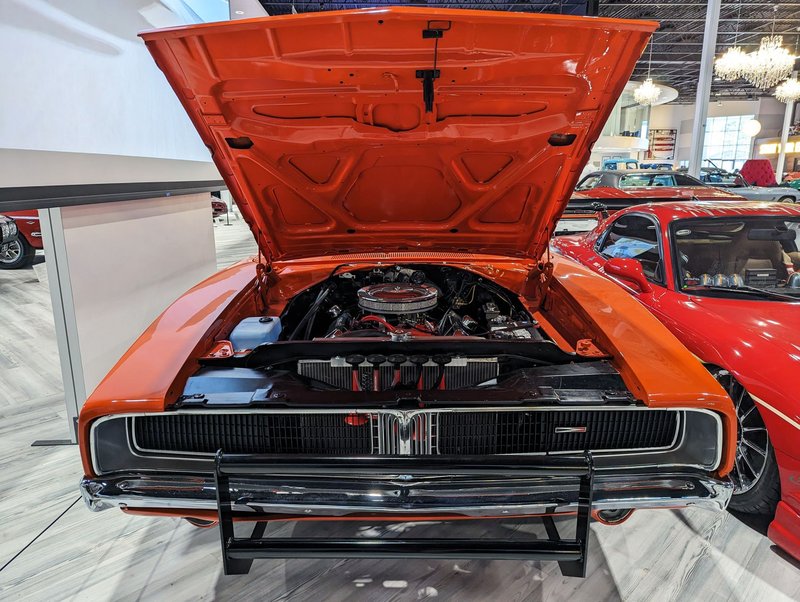
GM rebadged an Australian Holden Monaro, gave it a Corvette engine, and sold it with almost no visual drama — no scoops, no stripes, no hint from the outside that a 5.3-second car was idling at the light next to you. Enthusiasts hated the styling in 2004. Fifteen years later, that restraint is exactly why it looks better than half this list. It was also GM’s most powerful car for the money at the time, full stop.
4. Chevrolet Camaro SS (2010–2013)
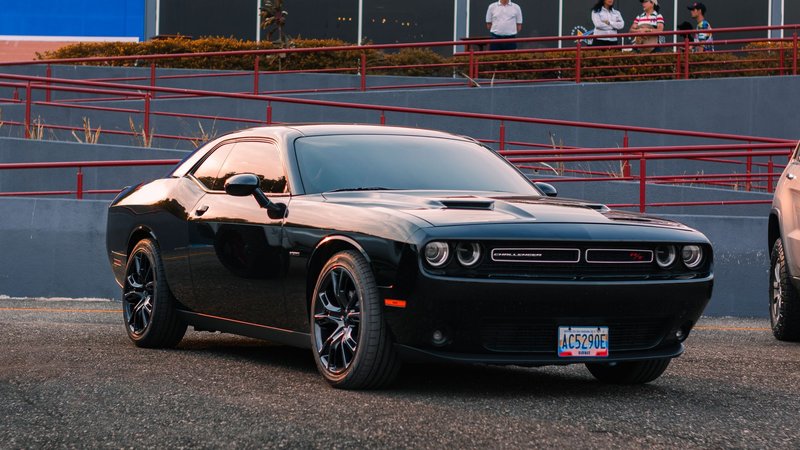
| Spec | Detail |
|---|---|
| Engine | 6.2L L99/LS3 V8 |
| Horsepower | 400–426 hp |
| 0–60 mph | 4.4–5.0 sec |
| Used price today | $14,000–$26,000 |
Technically a 2010 model year, but this is the car the 2000s built toward — Chevrolet spent the entire decade watching Mustang and GTO sales and came back with a fifth-generation Camaro riding on the Zeta platform shared with the G8 and Holden Commodore. It arrived a beat late to the “2000s” party, but it’s the payoff for everything else on this list, and it proved the retro-muscle formula wasn’t a fad.
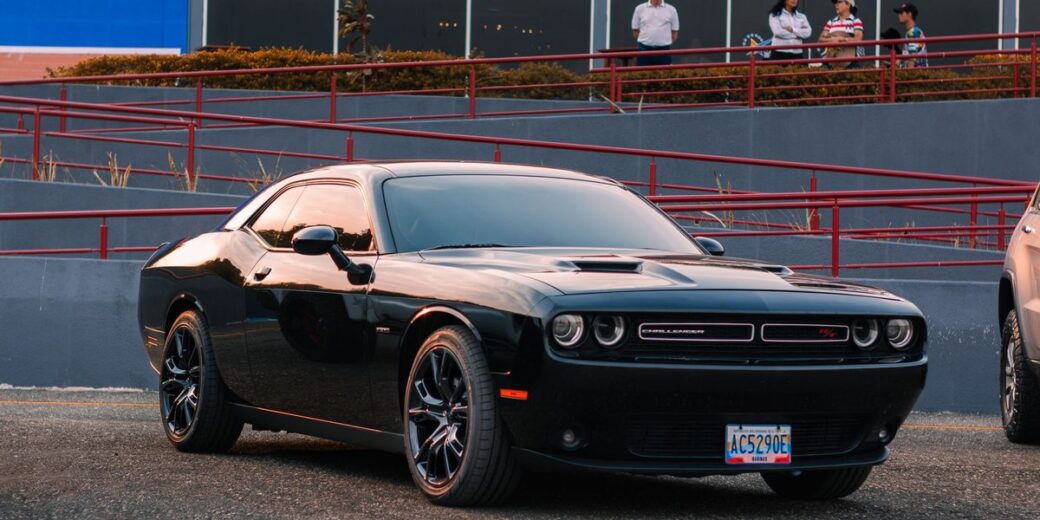
5. Dodge Challenger SRT8 (2008–2010)
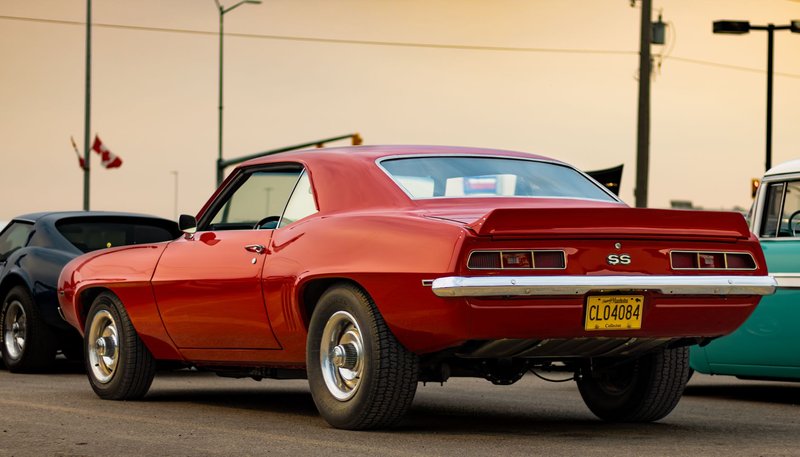
| Spec | Detail |
|---|---|
| Engine | 6.1L HEMI V8 |
| Horsepower | 425 hp |
| 0–60 mph | ~5.0 sec |
| Used price today | $14,000–$27,000 |
Dodge showed up last to the retro-muscle revival and overcompensated with sheer mass — the Challenger SRT8 is nearly 4,100 lbs, heavier than the Mustang and Camaro combined-weight comparisons would suggest it should be. It doesn’t hide it, either. This is the car for someone who wants the 1970 Challenger silhouette blown up to modern proportions and doesn’t care that it corners like a couch.
6. Chrysler 300C SRT8 (2005–2006)
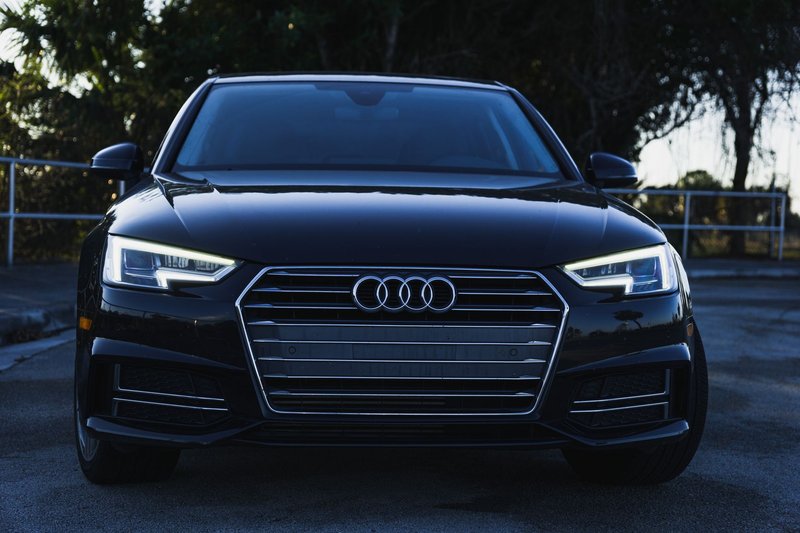
| Spec | Detail |
|---|---|
| Engine | 6.1L HEMI V8 |
| Horsepower | 425 hp |
| 0–60 mph | ~5.0 sec |
| Used price today | $10,000–$20,000 |
This is where the list stops being about coupes. The 300C SRT8 took Chrysler’s boxy, gangster-lean sedan and stuffed the same HEMI found in the Challenger under the hood, with rear-wheel drive and a live rear axle borrowed from Mercedes E-Class underpinnings. First-generation examples in good shape are still trading in the teens and low twenties, and a well-documented 2006 sold at Bring a Trailer for just over $16,500 — real evidence this car has a following, not just internet hype.
7. Dodge Magnum SRT8 (2005–2008)
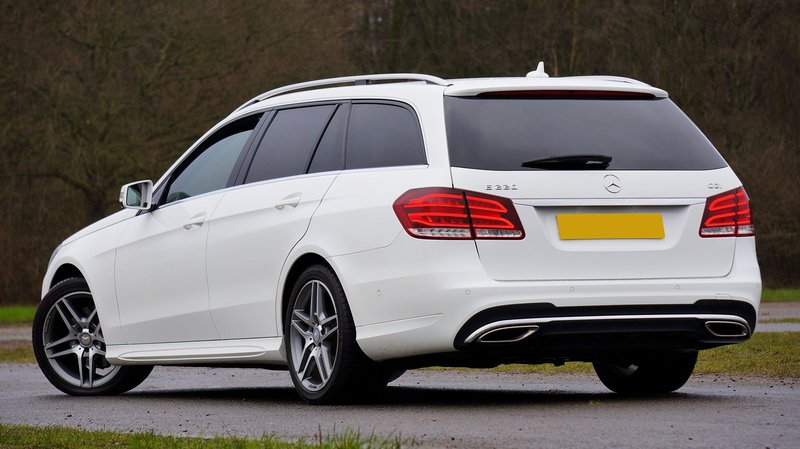
| Spec | Detail |
|---|---|
| Engine | 6.1L HEMI V8 |
| Horsepower | 425 hp |
| 0–60 mph | ~5.1 sec |
| Used price today | $20,000–$38,000 |
The only factory muscle wagon of the decade, and it’s not close. Same HEMI as the 300C and Challenger, but wrapped in a long-roof body that could swallow a dog crate and a case of motor oil with the seats up. Dodge never sold many, which is exactly why used ones now command more than the sedan they’re mechanically identical to — genuine rarity, not marketing rarity.
8. Pontiac G8 GT (2008–2009)
| Spec | Detail |
|---|---|
| Engine | 6.0L LS3 V8 |
| Horsepower | 361 hp |
| 0–60 mph | ~5.3 sec |
| Used price today | $12,000–$25,000 |
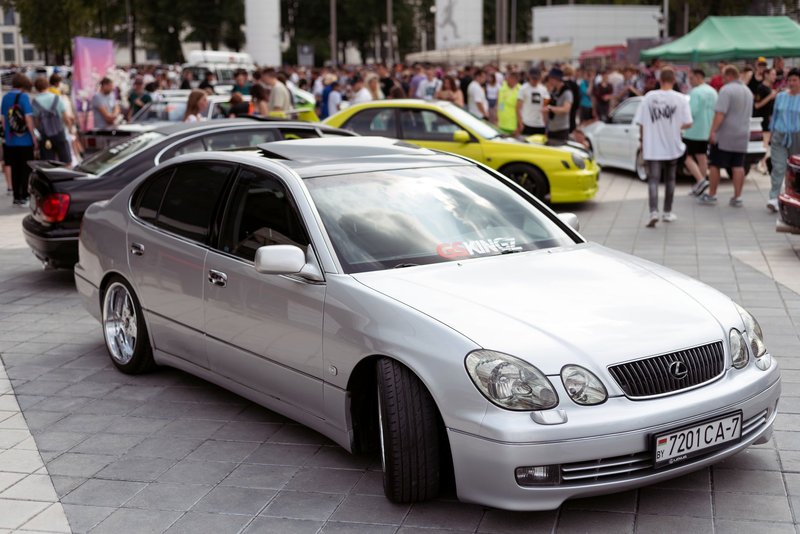
Another Australian import under a Pontiac badge — this time a Holden Commodore, sharing its Zeta platform with the Camaro that came right after it. Pontiac barely got two model years out of the G8 before GM killed the entire brand in its 2009 restructuring, which means every G8 GT on the road is a car whose production run ended by corporate decree, not market failure. That’s a genuinely rare combination in this era.
9. Cadillac STS-V (2006–2009)
| Spec | Detail |
|---|---|
| Engine | 4.4L supercharged Northstar V8 |
| Horsepower | 469 hp |
| 0–60 mph | 4.8 sec |
| Used price today | $18,000–$35,000 |
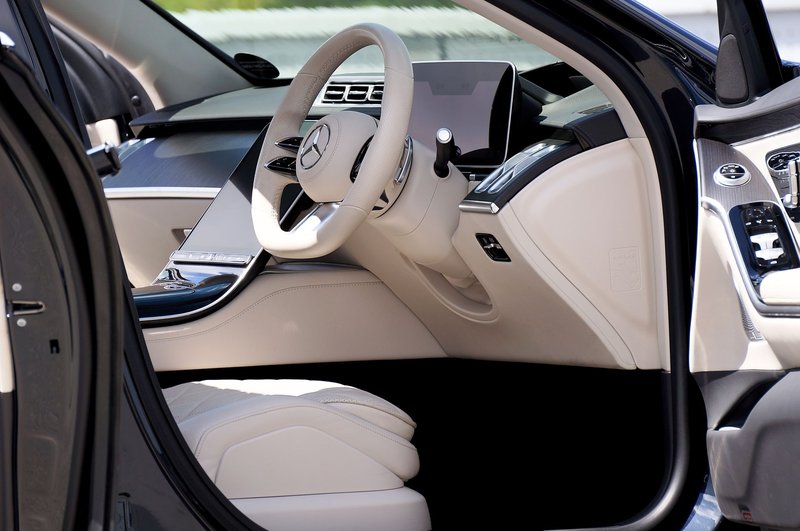
Before the CTS-V made “Cadillac” and “track car” a normal sentence, the STS-V quietly did the supercharged-Northstar thing first, hand-assembled, low production, and mostly ignored while everyone was watching the CTS. It’s the definition of a sleeper’s sleeper — a luxury sedan that would run down a stock Corvette without the driver next to you having any idea it was coming.
10. Mercury Marauder (2003–2004)

| Spec | Detail |
|---|---|
| Engine | 4.6L DOHC V8 |
| Horsepower | 302 hp |
| 0–60 mph | ~6.0 sec |
| Used price today | $10,000–$20,000 |
Built on the same Panther platform as the Crown Victoria Police Interceptor, blacked out, and given a genuine dual-overhead-cam V8 instead of the base sedan’s pushrod motor. It’s the slowest car on this list by the numbers, and it doesn’t matter — nothing else here drives like a full-frame body-on-frame sedan with a police-spec suspension underneath a Town Car interior. Mercury sold it for two years and then folded not long after; it’s the brand’s last real performance statement before it faded out entirely.
Buyer’s Guide: What to Check Before You Buy
Specs and price ranges only get you halfway. Every car above is fifteen-plus years old now, and the things that go wrong on a 2000s muscle car are specific, predictable, and mostly avoidable if you know where to look.
Coupes: Mustang GT, GT500, GTO, Camaro SS, Challenger SRT8
Check for track use before you check anything else. These are the cars people bought to autocross and drag race, and a hard life shows up in cracked motor mounts, chewed-up rear tire wear patterns, and aftermarket tunes that were never dialed back before the sale. On the GT500, specifically inspect the supercharger belt and pulley for wear — it’s a maintenance item, not a defect, but a seller who’s never touched it is a seller who’s never opened the hood. On the GTO, rust is the real enemy: the Australian-built body wasn’t treated for road salt the way domestic GM products were, so a Midwest or Northeast car needs a rocker-panel and wheel-arch inspection before anything else.
Sedans and the wagon: 300C SRT8, Magnum SRT8, G8 GT, STS-V, Marauder
The HEMI-powered trio (300C, Magnum, Challenger) shares an early Multi-Displacement System that deactivates four cylinders under light throttle to save fuel — on high-mileage, poorly maintained examples, lifter tick and MDS solenoid failure are common enough that a cold start-up listen is mandatory before you buy. The STS-V’s supercharged Northstar has a well-documented history of head bolt and cooling system issues on the naturally aspirated STS; the supercharged version is less afflicted but still worth a compression and coolant check. The Marauder, being Panther-platform, is mechanically the simplest and most forgiving car on this entire list — parts interchange with millions of Crown Victorias and Grand Marquis, which keeps repair costs low even now.
Mod potential
The pushrod GM engines (LS1, LS2, LS3) have the deepest aftermarket support of anything here — cams, headers, and forced induction kits are a phone call away, and the parts ecosystem isn’t going anywhere. The 4.6L and 5.4L Ford modular engines are close behind, especially post-2005. The Chrysler HEMI platform has strong support too, but it’s thinner for the Magnum and 300C specifically since most aftermarket attention chases the Challenger and Charger. If resale-friendly modding matters to you, that’s worth knowing before you drop money into a wagon nobody else is building parts for.
None of these cars need to be garage queens. They were built to be driven hard by people who wanted a fast car for real money, not collector money — the era’s whole appeal, before fuel economy mandates reshaped what manufacturers prioritized under the hood. Buy the one that fits how you actually want to drive it, not the one with the biggest spec-sheet number, and you’ll get a decade-old muscle car that still feels like one.

Marco Delantero
More from Marco DelanteroHow we reviewed this article
This article was researched against manufacturer records and editorially reviewed before publishing. We accept no payment for coverage. Some guides contain affiliate links; see our affiliate disclosure.