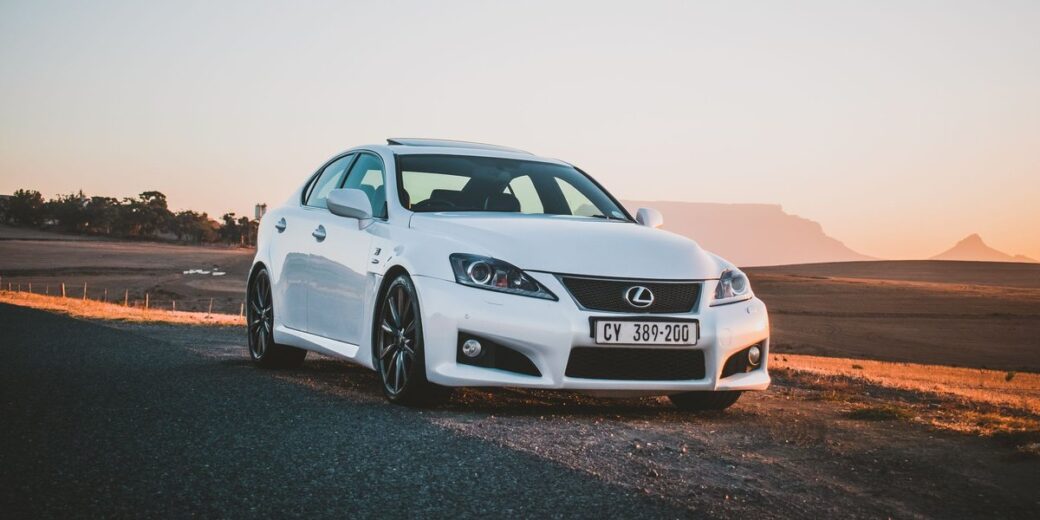
Lexus sold six model lines for 2001: the IS 300, ES 300, GS (as the GS 300 and the new GS 430), LS 430, RX 300 and LX 470. That’s seven cars if you count the two GS variants separately. There was no SC coupe that year. The SC 400 ended after 2000, and its replacement, the SC 430, showed up for 2002.
It was a busy year for the brand. Lexus added a compact sport sedan, redesigned its flagship, and put a V8 in the GS. Here’s the whole lineup, then what each car is like to own two decades later.
Contents
- TLDR
- The 2001 Lexus lineup at a glance
- IS 300: the newcomer
- ES 300: the comfortable one
- GS 300 and GS 430: the middle sedan gets a V8
- LS 430: the redesigned flagship
- RX 300: the crossover that started a segment
- LX 470: the truck
- Buying a 2001 Lexus today
TLDR
- Best all-round used buy: the LS 430. Big V8, big back seat, and a car that was built to last.
- Best to drive: the IS 300, ideally with the five-speed manual.
- Cheapest to run: the ES 300 or RX 300, as long as the oil-change history is clean.
- Best for towing or rough roads: the LX 470, if you can afford the repairs it will eventually want.
- Every one of these engines uses a timing belt. Check for a receipt at around 90,000 miles.
The 2001 Lexus lineup at a glance
| Model | Body style | Engine | Horsepower | Drivetrain | Category |
|---|---|---|---|---|---|
| IS 300 | 4-door sedan | 3.0L inline-6 | 215 hp | Rear-wheel drive | Compact sport sedan |
| ES 300 | 4-door sedan | 3.0L V6 | 210 hp | Front-wheel drive | Midsize luxury sedan |
| GS 300 | 4-door sedan | 3.0L inline-6 | 220 hp | Rear-wheel drive | Midsize sport sedan |
| GS 430 | 4-door sedan | 4.3L V8 | 300 hp | Rear-wheel drive | Midsize sport sedan |
| LS 430 | 4-door sedan | 4.3L V8 | 290 hp | Rear-wheel drive | Full-size luxury sedan |
| RX 300 | 4-door SUV | 3.0L V6 | 220 hp | FWD or all-wheel drive | Luxury crossover |
| LX 470 | 4-door SUV | 4.7L V8 | 235 hp | Full-time four-wheel drive | Full-size luxury SUV |
IS 300: the newcomer
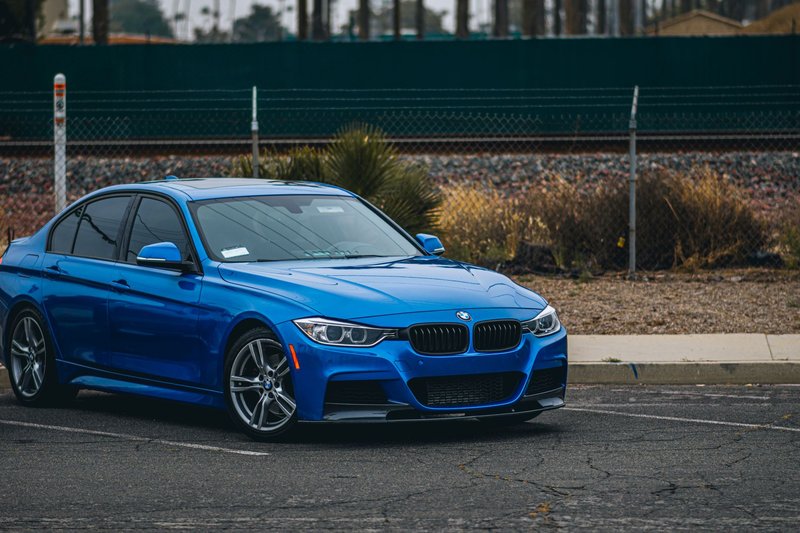
The IS 300 was the new car for 2001, and it went straight at the BMW 3 Series and Audi A4. Lexus gave it rear-wheel drive and an inline-six, the same 2JZ family of engine that became famous in the Toyota Supra. It made 215 hp and came with either a five-speed automatic or a five-speed manual.
It’s the Lexus on this list that most wants to be driven hard. The handling is balanced, the steering is accurate, and the cabin is small, with a back seat that’s tight for adults. The look divided people. The taillights and the metal-ringed gauges are very early-2000s. They’ve aged better than critics expected.
Who it suits: drivers who want a reliable alternative to a German sport sedan and don’t need rear legroom.
ES 300: the comfortable one
The ES 300 was the sensible, soft-riding Lexus. It shared its platform with the Toyota Camry, and its front-wheel-drive layout, 3.0L V6 and four-speed automatic made it quiet, smooth and easy to live with. It didn’t change much for 2001, and that was the point. Buyers bought it for the ride, and it remains one of the best-known 2000s Lexus models.
It’s the car for someone who wants a cushy commuter and has no interest in a drive that’s fun. Rear seat space is generous for the class.
Who it suits: commuters and anyone who values a quiet cabin over handling.
GS 300 and GS 430: the middle sedan gets a V8
The GS 300 carried over with the 3.0L inline-six at 220 hp. The headline was the GS 430, which replaced the earlier GS 400 and put a 4.3L V8 under the hood with 300 hp. That made it the quickest Lexus sedan of the year.
The V8 is the one to look for. It pulls harder, it’s smooth, and the two cars cost about the same to run, so the extra power isn’t a penalty. Both GS cars share a platform with the larger rear-drive cars, and they were Lexus’s answer to the BMW 5 Series and Mercedes E-Class.
Who it suits: drivers who want a quick, quiet sedan with a bigger back seat than the IS.
LS 430: the redesigned flagship
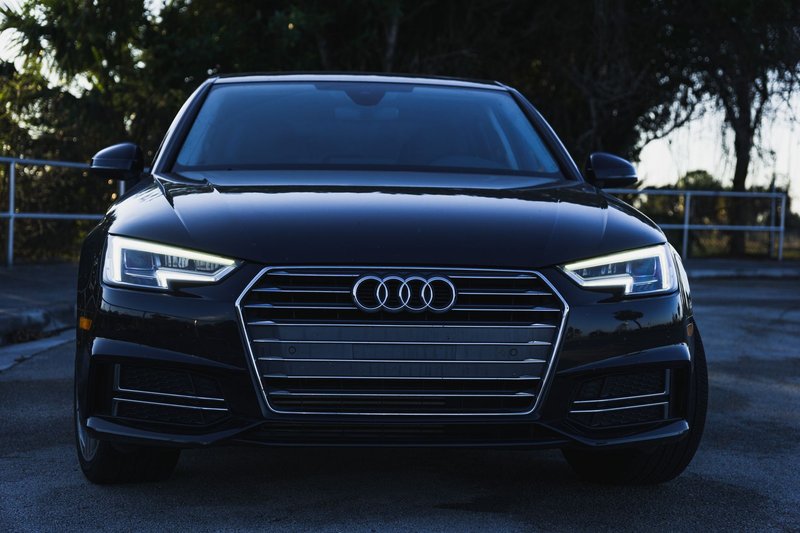
The LS 430 replaced the LS 400 for the 2001 model year. It was bigger, quieter and more technical than before, with a 4.3L V8 at 290 hp and a five-speed automatic. An air suspension was available. Rivals were the Mercedes S-Class and BMW 7 Series.
Its reputation today is built on one idea: it runs for a very long time. Plenty of them have gone past 200,000 miles with ordinary maintenance. The air suspension, if fitted, is the big-ticket repair, so find out which type the car has before you pay.
Who it suits: buyers who want the most car for the money and plan to keep it for years.
RX 300: the crossover that started a segment
The RX 300 arrived for 1999 and had no real competition. It used a car-based platform instead of a truck frame, with a 3.0L V6 at 220 hp and a four-speed automatic. You could get front-wheel drive or all-wheel drive. Mercedes and Acura were just entering the same segment, with the M-Class already out and the Acura MDX arriving that year.
It drives like a tall sedan, and that’s why it sold. The ride is comfortable and the cabin is practical.
Who it suits: families who want a high seating position and light-duty all-weather ability.
LX 470: the truck
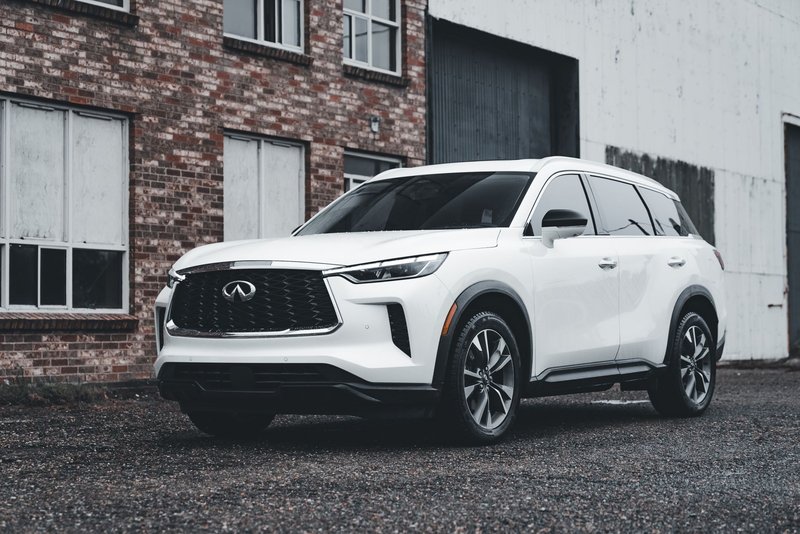
The LX 470 was a Toyota Land Cruiser in a nicer suit. The 4.7L V8 made 235 hp, and the four-speed automatic sent power to all four wheels through a full-time system. This one is body-on-frame and can tow and handle rough ground.
It’s heavy, thirsty and slow compared with the other cars on this page. It also has an active height control suspension, which is the part that fails on older examples and costs real money to fix.
Who it suits: owners who need towing or off-road ability and will keep up with repairs.
Buying a 2001 Lexus today
Most of these cars are now cheap enough that condition matters more than the model. As a rough guide, expect a few thousand dollars for an average ES 300 or RX 300, and more for a clean LS 430, a GS 430, a manual IS 300 or an LX 470. Prices vary a lot by region and mileage, so check current listings.
Timing belt. Every engine here uses one, and it’s usually due at about 90,000 miles. No receipt means you should budget for the job, including the water pump.
Oil sludge. The 3.0L V6 in the ES 300 and RX 300 belongs to a family of Toyota engines that were prone to sludge when oil changes were skipped. Ask for service records and look under the oil filler cap.
Rubber and suspension parts. At this age, bushings, mounts and control-arm parts wear out. Listen for clunks on a test drive.
Air suspension and height control. The LS 430 and LX 470 have optional or standard systems that are expensive to repair. Check the ride height after the car has sat overnight.
Interior wear. Dashboards can get sticky or crack in hot climates, and leather bolsters on the driver’s seat wear first.
Recalls. Enter the VIN at the NHTSA recall lookup to see whether open recalls remain on a specific car. Fuel economy for each model is listed on FuelEconomy.gov, which is worth checking before you commit to an LX 470.
Which should you choose?
- Daily driver on a budget: ES 300.
- Fun to drive: IS 300, manual if you can find one.
- Most car for the money: LS 430.
- Fast and comfortable: GS 430.
- Family hauler: RX 300.
- Towing and rough roads: LX 470.
Whatever you pick, a car with a complete service history beats a lower price. For a 2001 Lexus, that’s the single best predictor of how it will treat you.

Daniela Voss
More from Daniela VossHow we reviewed this article
This article was researched against manufacturer records and editorially reviewed before publishing. We accept no payment for coverage. Some guides contain affiliate links; see our affiliate disclosure.