In 1989, Lexus didn’t exist. By the end of the 1990s, it had outsold Mercedes-Benz and BMW in the United States and forced both of them to rethink how they built cars. That whole decade — the cars that made it happen — is what this guide is about.
The 1990s Lexus lineup is short by modern standards. Five core nameplates, a handful of generations. But each one mattered, and a few of them have aged into legitimate modern classics that you can still find for the price of a used Camry. Here’s every model Lexus sold in the ’90s, what made each one special, and which ones are worth chasing down today.
Table of Contents
- TLDR: Best 90s Lexus to Buy Now
- The LS 400 Launch Story
- Lexus LS 400 (1990–2000)
- Lexus ES 250 / ES 300 (1990–2001)
- Lexus SC 300 & SC 400 (1992–2000)
- Lexus GS 300 (1993–2000)
- Lexus LX 450 (1996–1997)
- Spec Comparison Table
- Common Problems & Buyer Notes
- The Verdict
TLDR: Best 90s Lexus to Buy Now
If you want the icon and the easiest ownership, get a first-gen LS 400 (1990–1994) — the car that built the brand, with the bulletproof 1UZ-FE V8. If you want something that’ll keep climbing in value, find a clean SC 300 with the manual transmission — it shares the legendary 2JZ inline-six with the Toyota Supra and they’re getting hard to find. If you want a daily driver that’ll outlive you for cheap, the ES 300 is the no-drama pick. And if you need a body-on-frame SUV that can cross a desert, the LX 450 is a dressed-up Land Cruiser 80-Series — buy on condition, not mileage.
The LS 400 Launch Story
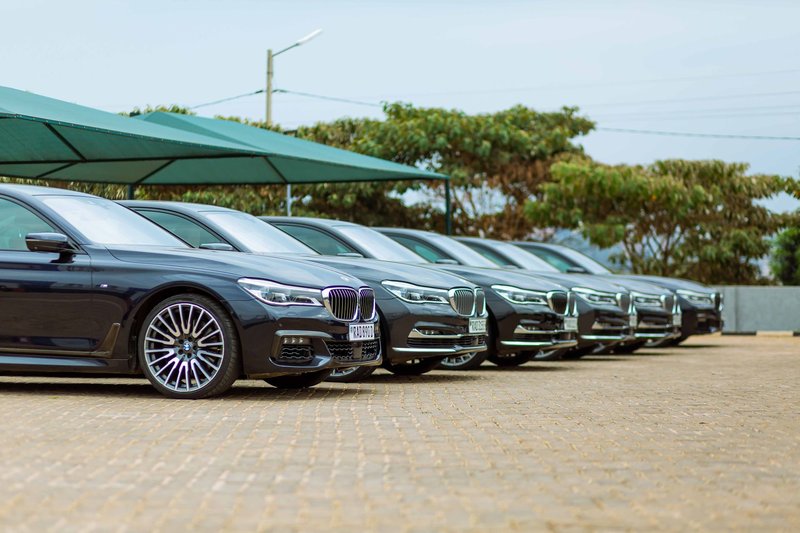
Toyota spent roughly six years and a reported billion dollars developing the car that launched Lexus. The project was internally codenamed F1 — “Flagship One” — and the brief was almost arrogant in its simplicity: build a car that beats the Mercedes S-Class on quietness, build quality, and reliability, then sell it for far less money.
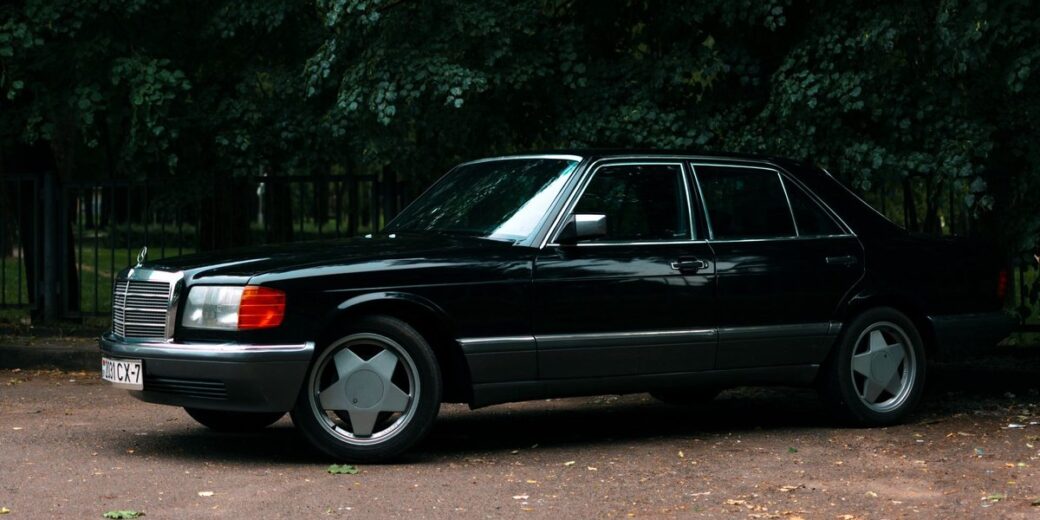
They delivered. When the LS 400 debuted at the 1989 Detroit Auto Show and went on sale in 1990, it cost about $35,000 against a Mercedes 420 SEL that pushed past $60,000. It was quieter at speed than the Mercedes. Its 4.0-liter V8 was smoother than the BMW 7 Series. And it didn’t break.
Mercedes and BMW noticed immediately. The German response — better warranties, more standard equipment, eventually lower prices — is a direct result of this one car. There’s a famous demonstration from the launch where Lexus balanced champagne glasses in a pyramid on the hood while the engine ran at 145 mph on a dyno, and the glasses didn’t move. Marketing theater, sure. But the engineering underneath was real.
Lexus LS 400 (1990–2000)
Generation code: XF10 (1990–1994), XF20 (1995–2000) Engine: 4.0L 1UZ-FE V8 Power: 250–290 hp depending on year Body: Full-size rear-wheel-drive sedan
The LS 400 is the reason Lexus is a luxury brand and not just Toyota’s nicer trim level. The 1UZ-FE V8 is the headline: an all-aluminum quad-cam design that’s so durable it became a favorite engine-swap candidate for everything from boats to kit cars. Plenty of original-owner examples have crossed 300,000 miles on the factory bottom end.
The first generation (XF10) is the purist’s choice — cleaner lines, simpler electronics, and the strongest “built like a vault” feel. The 1995 redesign (XF20) added power, refinement, and a slightly softer look, but it’s mechanically just as tough.
What made it special: the obsessive attention to vibration. Lexus engineers reportedly rejected hundreds of prototype parts over tiny imperfections you’d never consciously notice. You feel the result as an eerie absence of noise.
Buyer note: The starter sits in the engine valley under the intake manifold, so replacing it is a labor-heavy job — budget for it on higher-mileage cars. Otherwise these are among the most reliable luxury sedans ever built. Clean first-gens trade in the $6,000–$12,000 range; exceptional low-mile examples push higher.
Lexus ES 250 / ES 300 (1990–2001)
The ES was the entry point, and it was honest about it. The 1990–1991 ES 250 was essentially a dressed-up Toyota Camry with a V6, and buyers saw through it — it’s the forgotten Lexus for a reason. If you’re curious how deep Toyota’s range ran in that era, the brand’s full 1992 model lineup shows just how much shared DNA sat under those early ES cars.
The ES 300 that arrived for 1992 (generation XV10, then XV20 from 1997) is the one that mattered. A 3.0-liter V6, front-wheel drive, and a genuinely plush cabin made it the brand’s best-seller for years. It wasn’t trying to be a sports sedan. It was trying to be the most comfortable, most reliable car at its price, and it nailed it.
Buyer note: These are cheap, abundant, and nearly impossible to kill. The 1MZ-FE V6 in earlier models can develop oil-burning issues on neglected examples, so check for blue smoke on startup. Expect to pay $3,000–$6,000 for a tidy one. This is the 90s Lexus you buy to actually drive every day.
Lexus SC 300 & SC 400 (1992–2000)
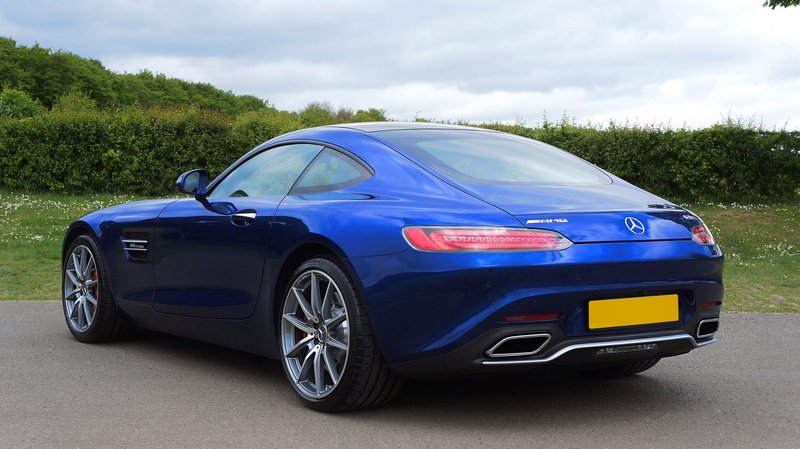
Generation code: Z30 SC 300 engine: 3.0L 2JZ-GE inline-six SC 400 engine: 4.0L 1UZ-FE V8 Body: Two-door luxury coupe, rear-wheel drive
The SC is the enthusiast’s 90s Lexus, and the gap between the two versions is the whole story.
The SC 400 got the LS 400’s silky V8 and more straight-line punch. It’s the smoother, more effortless grand tourer of the pair.
The SC 300 got the 2JZ-GE inline-six — the naturally aspirated sibling of the 2JZ-GTE that made the fourth-gen Toyota Supra a tuning legend. Critically, the SC 300 was the only one offered with a five-speed manual transmission. That combination — 2JZ, manual, rear-wheel drive, in a sleek coupe body styled by Calty in California — is why manual SC 300s have quietly become collector cars. The 2JZ block is famously overbuilt and responds well to forced induction, so many ended up modified. It’s the kind of pedigree that puts the SC 300 firmly among the icons of the JDM car brands that defined the era’s tuner scene.
SC 300 vs SC 400, simply: Pick the SC 400 if you want a relaxed V8 cruiser and don’t care about rowing gears. Pick the SC 300 — ideally the manual — if you want the engine with motorsport DNA and the better resale trajectory.
Buyer note: Manual SC 300s are the ones to hunt, and they command a real premium now, often $15,000–$30,000+ for clean, unmolested examples. Automatics and SC 400s remain more attainable. Watch for modified cars with hidden abuse.
Lexus GS 300 (1993–2000)
Generation code: S140 (1993–1997), S160 (1998–2000) Engine: 3.0L 2JZ-GE inline-six (later 2JZ-GE VVT-i) Body: Mid-size rear-wheel-drive sport sedan
The GS was Lexus’s answer to the BMW 5 Series, slotting between the ES and the LS. The first-generation S140, styled in part by Giugiaro’s Italdesign, had a distinctive look but sold modestly. The 1998 redesign (S160) is the better car and the one most people picture — sharper styling, the updated VVT-i version of the 2JZ-GE, and a chassis that finally felt like a proper sports sedan.
It shares the 2JZ inline-six with the SC 300 and the Supra, which gives it the same reputation for going forever. A high-output GS 400 with the V8 arrived alongside the S160, but the 300’s straight-six is the heart of the 90s lineup.
Buyer note: Underrated and underpriced. A clean S160 GS 300 is one of the best value classic-Lexus buys going — comfortable, quick enough, and powered by a near-indestructible engine. Figure $4,000–$9,000 depending on condition.
Lexus LX 450 (1996–1997)
Generation code: J80 Engine: 4.5L 1FZ-FE inline-six Body: Body-on-frame full-size SUV, four-wheel drive
The LX 450 is the 90s Lexus everyone forgets, and it’s arguably the most capable. It was Lexus’s first SUV — a barely-disguised Toyota Land Cruiser 80-Series with leather, woodgrain, and a Lexus badge. Same legendary 4.5-liter inline-six, same full-time four-wheel drive, same locking differentials, same ability to drive across a continent and not care. It’s a clear early example of the advantages a luxury SUV holds over a standard one — the same rugged hardware, wrapped in a far more comfortable package.
It was only sold for two model years (1996–1997) before being replaced by the V8-powered LX 470, which makes the LX 450 something of a sleeper among collectors. The 80-Series Land Cruiser it’s based on has become a genuinely sought-after classic 4×4, and the LX 450 is the plusher, often-cheaper way into that world.
Buyer note: Buy on condition and service history, not mileage — these routinely run past 250,000 miles. Rust is the real enemy on these, so inspect the frame and underbody carefully. Good ones now command $15,000–$30,000 as the 80-Series cult has grown.
Spec Comparison Table
| Model | Years | Gen Code | Engine | Power | Drive | Body |
|---|---|---|---|---|---|---|
| LS 400 | 1990–2000 | XF10 / XF20 | 4.0L V8 (1UZ-FE) | 250–290 hp | RWD | Full-size sedan |
| ES 250 | 1990–1991 | VZV21 | 2.5L V6 | ~156 hp | FWD | Mid-size sedan |
| ES 300 | 1992–2001 | XV10 / XV20 | 3.0L V6 (1MZ-FE) | ~185–210 hp | FWD | Mid-size sedan |
| SC 300 | 1992–2000 | Z30 | 3.0L I6 (2JZ-GE) | ~225 hp | RWD | Coupe |
| SC 400 | 1992–2000 | Z30 | 4.0L V8 (1UZ-FE) | ~250–260 hp | RWD | Coupe |
| GS 300 | 1993–2000 | S140 / S160 | 3.0L I6 (2JZ-GE) | ~220–225 hp | RWD | Sport sedan |
| LX 450 | 1996–1997 | J80 | 4.5L I6 (1FZ-FE) | ~212 hp | 4WD | Full-size SUV |
Common Problems & Buyer Notes
For cars this reliable, the trouble list is short — but it’s worth knowing where the money goes.
- LS 400 / SC 400 starter: On the V8 cars, the starter motor lives in the engine valley beneath the intake. It rarely fails, but when it does, the labor is significant.
- Timing belts: The 1UZ-FE V8 and the 2JZ-GE six are interference engines with timing belts (not chains). Confirm the belt has been changed within the interval — a snapped belt means bent valves. This is the single most important service item to verify.
- ES 300 oil consumption: Earlier 1MZ-FE V6 engines can burn oil if maintenance was skipped. Check for startup smoke and ask for records.
- Dashboard cracking: A near-universal 90s Lexus trait. Sun-baked dashes crack across the top. Cosmetic, but factor it in.
- LX 450 frame rust: The one real structural concern in the lineup. Northern-climate trucks can rot; get underneath before you buy.
The broader truth: these cars reward maintenance and shrug off mileage. A 200,000-mile LS 400 with a folder of receipts is a safer bet than an 80,000-mile one with no history.
The Verdict
The best 1990s Lexus depends on what you’re after, but here’s how it shakes out.
For the definitive 90s Lexus, it’s the first-generation LS 400. It’s the car that created the brand, it drives like something twice its price, and the 1UZ-FE V8 is one of the great engines of the era. Buy a clean one and it’ll embarrass cars that cost five times as much in refinement.
For the smart investment, it’s a manual SC 300. The 2JZ-and-stick combination is only getting rarer, and the values reflect it. If you find an honest, unmodified one, it’s the 90s Lexus most likely to be worth more in five years than it is today.
For the best daily, it’s the ES 300 — cheap to buy, cheap to run, nearly impossible to break. And if your life needs an SUV, the LX 450 gives you Land Cruiser bones in a more comfortable package.
Whatever you pick, you’re buying into the decade where a Japanese newcomer walked into the German luxury establishment and rearranged the furniture. Thirty years later, the cars are still here, still running, and still quietly making the point.

Marco Delantero
More from Marco DelanteroHow we reviewed this article
This article was researched against manufacturer records and editorially reviewed before publishing. We accept no payment for coverage. Some guides contain affiliate links; see our affiliate disclosure.