The 2000s were Lexus’s proof-of-concept decade. They’d spent the ’90s establishing that Japanese automakers could build a legitimate luxury car. By 2000, that argument was settled. The decade that followed was about what they’d do with the credibility — and the answer was: a lot.
Some bets paid off enormously. Some were overconfident. A few models from that era now sit at the intersection of depreciated-enough-to-be-attainable and reliable-enough-to-still-want. That’s a sweet spot worth knowing.
Here’s a model-by-model breakdown of the 2000s Lexus lineup that actually mattered.
Table of Contents
- IS 300 (2001–2005)
- SC 430 (2002–2010)
- GS 300 / GS 430 (1998–2005)
- LS 430 (2001–2006)
- RX 300 / RX 330 / RX 400h (1999–2009)
- GX 470 (2003–2009)
- LX 470 (1998–2007)
- The Decade in Summary
IS 300 (2001–2005) {#is-300}
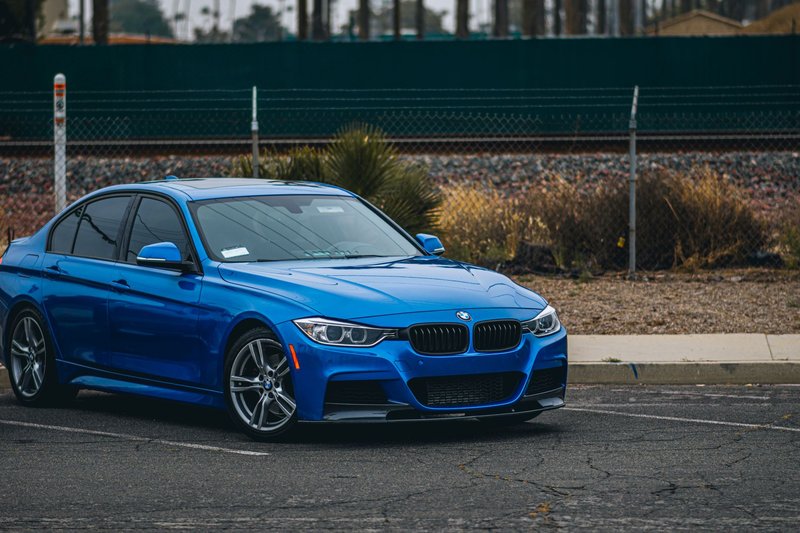
The IS 300 was Lexus’s answer to a question BMW owners had been asking: can you do this? The 2001 redesign brought the IS into the U.S. market with a 2JZ-GE inline-six — the naturally aspirated sibling of the engine that powered the Supra Turbo. That alone guaranteed it a cult following.
It made 215 horsepower, came with a proper manual transmission (the SportCross wagon, too), and sat lower and tighter than anything else in the Lexus stable at the time. It wasn’t faster than a 3 Series outright, but it handled with the kind of precision that surprised people who expected a softer Japanese take on a sport sedan.
Lexus sold it alongside an Altezza-inspired interior that, by 2025 standards, looks dated but at the time read as deliberately sporty.
Used market reality: The IS 300 has gone from undervalued sleeper to genuinely sought-after, especially manuals and SportCross wagons. Clean manual examples now fetch $15,000–$25,000 depending on condition. The 2JZ is essentially bulletproof if the cooling system has been maintained. Watch for rust on the subframe and worn VVTI gears — both are known issues on high-mileage cars.
SC 430 (2002–2010) {#sc-430}
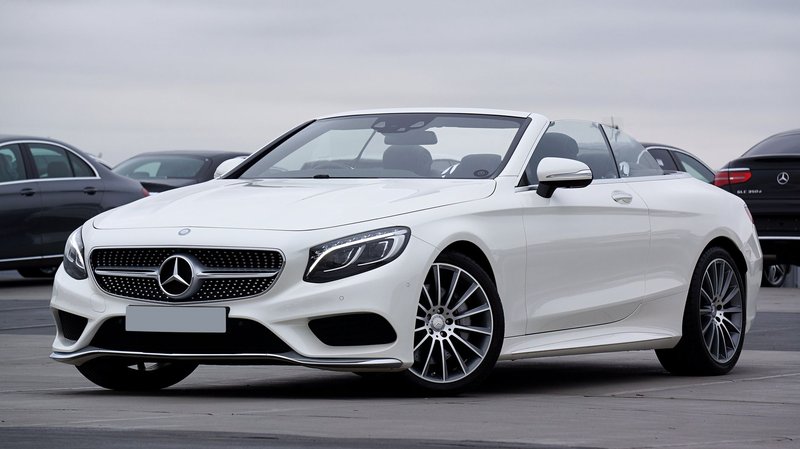
The SC 430 gets dismissed in some circles as a “hair salon special” — a car for people who wanted a convertible badge without the sports car commitment. That reading isn’t entirely wrong, but it misses what the SC 430 actually was.
It was a boulevard cruiser built with near-obsessive quality. The 4.3-liter V8 made 288 horsepower, the retractable hardtop worked with mechanical precision, and the interior — hand-stitched leather, Mark Levinson audio, heated and cooled seats — was among the best-appointed cabins Lexus offered that decade. Road & Track was famously uncharitable to it, but the SC 430 was never competing with the SL 500 on track. It was competing on material quality and long-distance comfort. On those terms, it won.
Its other legacy: it sold well enough for nearly a decade without a major refresh, which tells you something about who was buying it and whether they cared. The 2009 Lexus lineup still featured the SC 430 largely unchanged — a testament to how little Lexus felt the need to intervene.
Used market reality: SC 430s have depreciated hard. A clean 2006 example in good condition can be had for $12,000–$18,000. The retractable roof mechanism is the main concern — repairs are expensive when they fail. Otherwise, the V8 and transmission are extremely reliable. This is one of the better value propositions in the 2000s Lexus catalog if you want a genuine cruiser.
GS 300 / GS 430 (1998–2005) {#gs-300-gs-430}
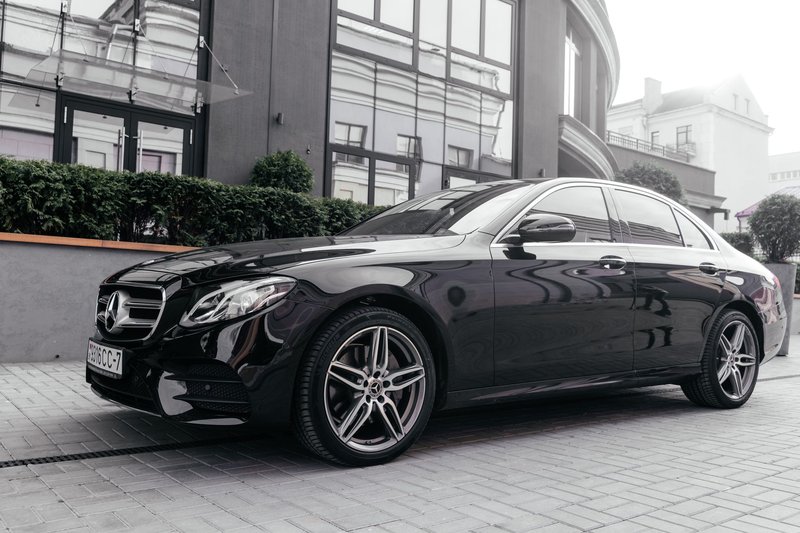
The second-generation GS (2001 facelift) was Lexus’s executive sedan that most people never paid enough attention to. It sat between the IS and LS in the lineup, aimed squarely at the E-Class and 5 Series. The GS 300 used a 3.0-liter inline-six making 220 horsepower; the GS 430 bumped that to a 4.3-liter V8 at 300 horsepower.
Neither was as sporty as BMW’s equivalent, and Lexus knew it. What they offered instead: a quieter cabin, a more compliant ride, and the kind of long-term reliability that Mercedes and BMW couldn’t credibly claim at the time. The GS was also the first Lexus to offer a six-speed automatic, which at launch was genuinely competitive.
The third-gen GS that arrived for 2006 was sharper and faster, which ended up making the earlier car the overlooked one. That’s not a bad position for a used buy. The full 2005 Lexus model range captures this generation at its final form — worth a look if you’re cross-shopping trim levels.
Used market reality: GS 300s and 430s are among the best-value 2000s Lexus models on the used market. Well-maintained examples sell for $5,000–$10,000. The inline-six in the GS 300 shares DNA with the IS 300’s 2JZ family and is similarly long-lived. The V8 in the GS 430 is the same unit that powered the LS 430 — also extremely reliable. The main maintenance flag is the timing belt (not chain) on both engines; make sure it’s been done.
LS 430 (2001–2006) {#ls-430}
The LS 430 was Lexus at its most confident. The third-generation LS arrived in 2001 with a 4.3-liter V8 making 290 horsepower, but the powertrain specs weren’t the point. The point was everything else: an air suspension that could lower the car for easy entry, a rear seat that reclined 45 degrees on the Ultra Luxury package, a pre-collision system that was genuinely novel for a production car in 2001, and a noise, vibration, and harshness profile that made the S-Class feel agricultural in comparison.
Consumer Reports ranked it among the most reliable cars they’d ever tested. It went eight model years on essentially the same platform without a single serious recall crisis. The S-Class was more dramatic; the 7 Series was more dynamic. The LS 430 was simply the best-built car in its segment, and buyers who cared about that voted accordingly.
Used market reality: This is arguably the single best value in 2000s Lexus — and possibly in 2000s luxury cars full stop. A clean LS 430 in good condition runs $8,000–$15,000. The air suspension can be expensive if it needs work, but most wear items are reasonable. If you’re willing to maintain it properly, an LS 430 at this price represents a level of build quality that simply isn’t available at the same money from any other source.
RX 300 / RX 330 / RX 400h (1999–2009) {#rx-300-rx-330-rx-400h}
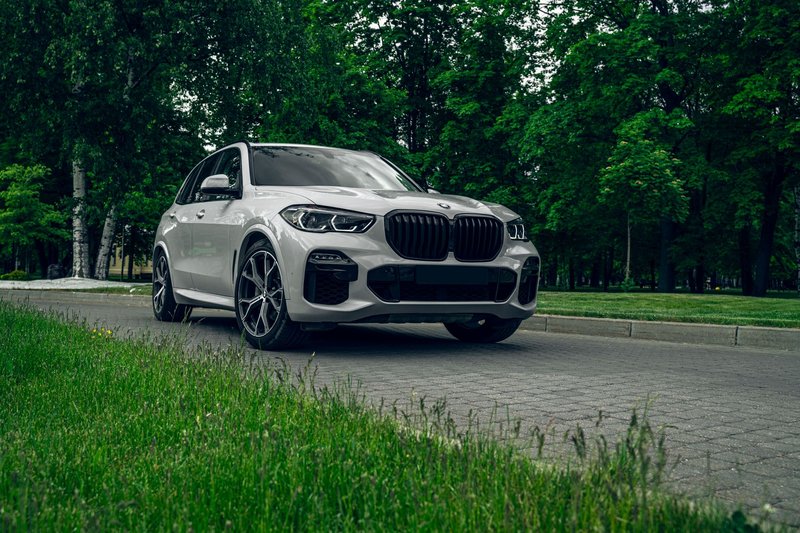
The RX is the model that bankrolled everything else on this list. The first-generation RX 300 (1999–2003) effectively invented the luxury crossover segment. It took a Camry platform, raised the ride height, added a wood-trimmed interior, and sold to people who wanted the SUV profile without the truck-driving experience. It worked so well that every automaker spent the next decade copying it.
The RX 330 (2004–2006) was the natural evolution: more power (230 hp from a 3.3-liter V6), a more refined interior, and better crash-test scores. The platform grew slightly but the formula didn’t change. Then came the RX 400h (2006–2009), which added a hybrid powertrain and 268 combined system horsepower. It was the first luxury hybrid SUV, and it hit at the exact moment gas prices were climbing. Timing-wise, Lexus called it right.
RX 300 vs RX 330: The 330 is the better buy for most people. The extra 20 horsepower matters in real-world driving, the interior quality improved noticeably, and values are close enough that the premium for a 330 is minimal. The 300’s known weak point is the automatic transmission — third-gen units had documented failures; the 330 addressed this.
Used market reality: The RX is one of the safest used Lexus buys from this era. RX 330s run $6,000–$12,000 in good condition. The 400h commands a slight premium but the hybrid battery replacements are now well-documented and available from third parties at reasonable cost. The original Toyota/Lexus hybrid system used in the 400h is, by this point, extremely well-understood by independent shops.
GX 470 (2003–2009) {#gx-470}
The GX 470 never got the attention of the RX, but among people who’ve owned both, there’s no contest. The GX sits on the Land Cruiser Prado platform — body-on-frame, with a live rear axle replaced by a full-time four-wheel drive system and a locking center differential. It’s a truck underneath the luxury trim.
The 4.7-liter V8 made 235 horsepower, which was adequate rather than quick. Lexus tuned the suspension on the soft side for comfort, but the underlying capability was there. Kinetic Dynamic Suspension System (KDSS) on later models actively disconnected the sway bars off-road — a system that worked genuinely well and that most buyers never used. The 2008 Lexus model lineup shows the GX 470 in its mature late-run form, alongside the broader range it shared showroom space with.
The GX 470’s reputation grew after it became clear the platform was essentially indestructible. The same V8 and drivetrain combination appeared in the 4Runner, the Land Cruiser, and the Toyota Sequoia. The parts ecosystem is enormous.
Used market reality: GX 470s hold value better than almost anything else from the 2000s Lexus lineup. Good examples sell for $15,000–$25,000. That’s not cheap for a 15-20 year old vehicle, but the demand reflects genuine capability. Check for the ACL (anterior coolant leak) issue on the V8 — a known problem on all 2UZ-FE engines. It’s fixable, but factor it into the price if it hasn’t been addressed.
LX 470 (1998–2007) {#lx-470}
The LX 470 is the GX with more of everything: more size, more V8 (same 4.7-liter unit), more isolation, more rear-seat room. Where the GX 470 was a do-it-all proposition, the LX was the statement piece — a Land Cruiser 100 Series underneath, with Lexus interior quality on top.
Its off-road capability was serious. Height Control Air Suspension, variable height adjustment, and a multi-mode transfer case made it genuinely competent in terrain that would strand most luxury SUVs. Most LX 470s spent their lives on school pickup lanes, which isn’t a knock on the car — it’s evidence of how well Lexus sold the combination.
The LX 470 is also one of the longest-serving nameplates in the lineup, and the 100 Series Land Cruiser platform underneath has a global reputation for near-unlimited longevity.
Used market reality: LX 470s start around $15,000 and run to $30,000+ for low-mileage, well-documented examples. The same ACL issue that affects the GX 470 applies here. Air suspension repairs can be costly — some owners convert to coil springs, though this affects ride quality noticeably. If the air suspension is intact and functioning, keep it.
The Decade in Summary {#the-decade-in-summary}
Lexus entered the 2000s with a clear identity — quality-over-flash — and spent the decade testing its limits. The RX crossover became the template for an entire segment. The IS 300 proved the brand could build a driver’s car. The LS 430 made the argument for Japanese engineering at the highest level so convincingly that it still holds up twenty years later.
The models that defined the brand during this period share a common trait: they were built to last longer than anyone expected them to. Most of them have. The ones worth buying used today are the ones where that durability outweighs the cost of age-related maintenance — and for the LS 430, the GS 300/430, and the RX 330, that math still works cleanly in the buyer’s favor.

Daniela Voss
More from Daniela VossHow we reviewed this article
This article was researched against manufacturer records and editorially reviewed before publishing. We accept no payment for coverage.