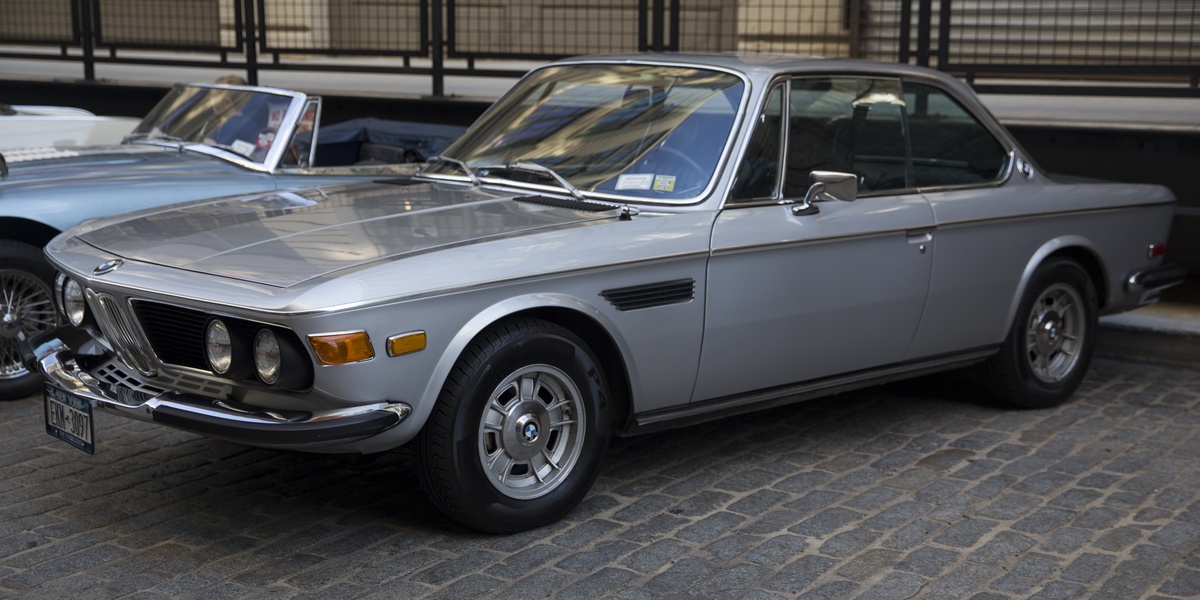
The history of BMW models spans more than a century, tracing a path from early aircraft engines to a global maker of luxury, performance, and increasingly electrified vehicles. BMW models are known for their driver-focused dynamics, a range that covers compact cars to full-size luxury sedans, and a distinctive design language that balances sportiness with refinement. Over time the brand has expanded into SUVs, performance variants, and dedicated electric lines, making its model lineup a useful lens for watching broader shifts in automotive technology and consumer taste.
Context
Bayerische Motoren Werke was established in 1916 and is headquartered in Munich, Germany. Originally tied to aircraft engine production, the company later moved into motorcycles and automobiles. Throughout the 20th and 21st centuries, BMW built a reputation for engineering—frequently using rear-wheel-drive layouts and straight-six engines—and for blending performance with everyday usability. The company operates manufacturing facilities around the world, including plants in Germany, the United States, China, and the United Kingdom, and it competes across luxury, sports and electric vehicle segments. BMW also maintains a motorsport and performance division that has influenced many road-going models, and in recent years it has pursued electrification and software-driven features alongside traditional powertrains.
Scope and coverage
This collection encompasses the broad spectrum of BMW offerings, from small hatchbacks and compact sedans to mid-size and flagship luxury cars, coupe and convertible derivatives, plus the growing family of SUVs and crossovers. It includes performance-focused M variants, electrified models and plug-in hybrids, as well as notable concept and limited-production vehicles that show design and technology directions. Rather than focusing on every trim or market-specific option, the emphasis is on the main model lines and how they have changed across generations, reflecting shifts in engineering, styling and consumer demand.
Interesting facts about BMW models:
- BMW was founded in 1916 and has its headquarters in Munich, Germany.
- The BMW M division, created in 1972, developed race-bred technology that later appeared in production performance models.
- The 3 Series has been a core line for BMW since the 1970s and is often cited as the brand’s best-selling family worldwide.
- BMW launched a dedicated electrified sub-brand in the 2010s; the i3 was one of the company’s first mass-produced electric passenger cars, introduced in 2013.
- The “X” naming scheme denotes BMW’s range of SUVs and crossovers, which became a major sales contributor from the 2000s onward.
- BMW Motorrad is the company’s motorcycle division, producing bikes that share engineering and branding ties with the automobile range.

Marco Delantero
More from Marco DelanteroHow we reviewed this article
This article was researched against manufacturer records and editorially reviewed before publishing. We accept no payment for coverage.