Most “best coupes ever” lists hand you the same six cars in a slightly different order, then bury you in beauty shots and call it a day. The 300SL wins, the E-Type places, you scroll, you leave. Fine. Those cars earned their spots.
But a coupe isn’t just a pretty silhouette, and a ranking that only grades looks is half a ranking. So this list scores three things at once: design (does it still stop you in a parking lot 60 years later), significance (did it change what a coupe could be), and drivability (is it actually good, or just gorgeous from across the room). That’s why a few cars you expect to be top-three sit lower, and a couple you didn’t expect made the cut at all.
Twelve cars, the 1950s through today, ranked in reverse. The bottom line is up top if that’s all you came for.
Table of Contents
- TLDR: The Top 3
- How We Ranked Them
- 12. Datsun 240Z
- 11. BMW E9 3.0 CSL
- 10. Aston Martin DB5
- 9. Toyota 2000GT
- 8. Nissan Skyline GT-R R34
- 7. Mercedes-Benz 300SL Gullwing
- 6. Chevrolet Corvette C2 Sting Ray
- 5. Porsche 911 (993)
- 4. Ford GT40
- 3. Ferrari 250 GTO
- 2. Jaguar E-Type
- 1. Ferrari F40
- Quick-Reference Spec Table
TLDR: The Top 3
If you don’t want the whole countdown:
- Ferrari F40 — the last Ferrari Enzo signed off on, and the one that proves a coupe doesn’t need to be subtle to be perfect. Raw, twin-turbo, terrifying, honest.
- Jaguar E-Type — the most beautiful production car ever made by a wide margin, and it backed the looks with genuine 1961 supercar pace.
- Ferrari 250 GTO — the most valuable car on Earth for a reason: race-bred, hand-built, and almost mythically rare.
Everything below explains why, and why the usual suspects didn’t all land where you’d assume.
How We Ranked Them
Three criteria, weighted roughly equally:
- Design — not just “pretty,” but proportion, presence, and whether the shape still feels resolved decades later. A car that looked great in 1965 and looks dated now loses points.
- Significance — did it move the genre forward? A coupe that introduced a layout, a technology, or a whole new idea of what the body style could be scores higher than a beautiful dead end.
- Drivability — would you actually want to drive it, or just park it? Plenty of icons are miserable to operate. The great ones aren’t.
A car that maxes one category but flunks another sits mid-pack. The top of this list nails all three.
12. Datsun 240Z (1969–1973)
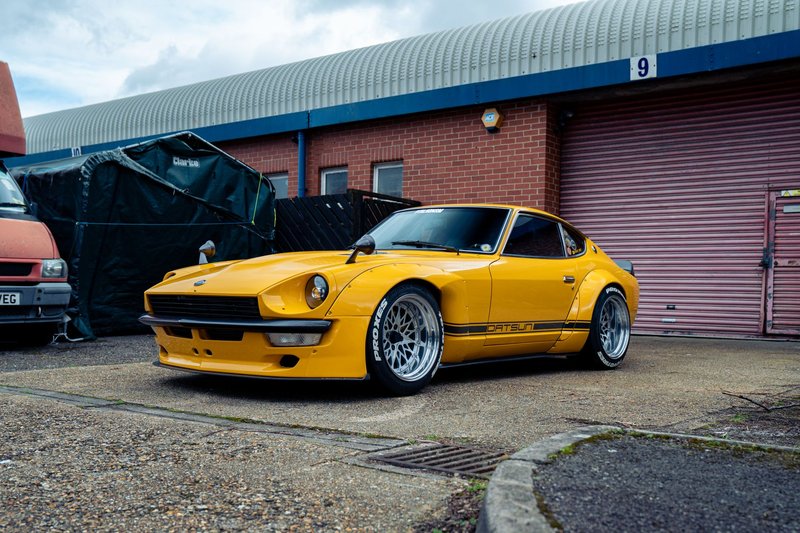
The 240Z is on this list because it democratized the everything. Before it, a long-hood fastback coupe with an inline-six and independent rear suspension meant a Jaguar E-Type and a small mortgage. Nissan delivered the same basic recipe for roughly $3,500 and sold them faster than the factory could build them.
It’s not the prettiest car here, but the proportions are honest and the silhouette aged better than almost anything else from 1970. More importantly, the 240Z is the reason the affordable sports coupe became a category at all. Every cheap, fun, rear-drive Japanese coupe that followed owes it a debt. Drive one today and the 2.4-liter six is gutless by modern numbers, but the steering talks and the car feels light in a way nothing new does.
It ranks low only because the field above it is absurd. On any normal list, it’s top five.
11. BMW E9 3.0 CSL (1972–1975)
The “Batmobile” earned its nickname the honest way: BMW bolted a comically large rear wing, front spoilers, and roof-mounted fins onto a Karmann-bodied coupe to make it legal for European touring car racing. It worked. The CSL dominated the European Touring Car Championship and basically wrote the origin story for BMW’s entire M division.
What keeps it relevant is the body underneath the aero. The standard E9 is one of the cleanest shapes BMW ever produced: thin pillars, a delicate greenhouse, a face that looks alert rather than aggressive. Strip the wings and you’d happily daily it. The CSL added lightness (aluminum panels, thinner glass, no sound deadening) and a 3.0-liter straight-six that still sounds right. It’s the car that made “lightweight homologation special” a phrase enthusiasts chase to this day, and it sits near the top of any list of iconic old BMW models that still command real money.
10. Aston Martin DB5 (1963–1965)
Yes, the Bond car. But the DB5 would belong here without a single film appearance. The Touring-derived “Superleggera” body wraps an aluminum skin over a tube frame, and the result is one of the most elegant grand tourers ever built — a car that looks fast standing still without resorting to a single aggressive line.
It earns its spot on significance and design more than outright pace. The 4.0-liter straight-six and five-speed ZF gearbox made it a genuinely competent long-distance machine for 1963, the kind of car you could drive from London to Monte Carlo without arriving wrecked. That GT philosophy — speed delivered with civility — is the template every Aston since has chased. The drivability is “good for its era” rather than great, which is the only thing keeping it out of the top five.
9. Toyota 2000GT (1967–1970)
Toyota built only 351 of these, and every “best coupes” list includes it for the same reason: it’s the car that announced Japan could build something as beautiful and exotic as anything from Italy. Developed with Yamaha, the 2000GT used a twin-cam straight-six, a backbone chassis, and a body so low that the famous Bond convertible version existed because Sean Connery physically couldn’t fit in the coupe.
The significance is enormous — it rewired global assumptions about Japanese engineering overnight. A 2000GT also set international speed records at a Toyota test track in 1966, holding pace for 72 hours straight to prove the point. The reason it sits at nine rather than higher is pure rarity and reach: stunning and important, but so few exist that its real-world influence ran through reputation more than units sold.
8. Nissan Skyline GT-R R34 (1999–2002)
The R34 is the one modern Japanese coupe that earns a spot among the gullwings and Ferraris, and it does it on drivability. The RB26DETT twin-turbo straight-six, the ATTESA all-wheel-drive system that shuffles torque mid-corner, the Super-HICAS rear steering — this was a coupe engineered like a fighter jet at a time when most performance cars were still figuring out traction control.
It matters because it proved a technology-first coupe could be genuinely thrilling rather than clinical. The R34 became the benchmark every tuner chased, and it sits comfortably among the best 1990s sports cars that still define the era. Its near-mythical status (helped along by a certain film franchise and a long U.S. import ban) is built on the fact that the car actually delivers. It’s the only entry here you could realistically drive hard every weekend and not break. That counts.
7. Mercedes-Benz 300SL Gullwing (1954–1957)
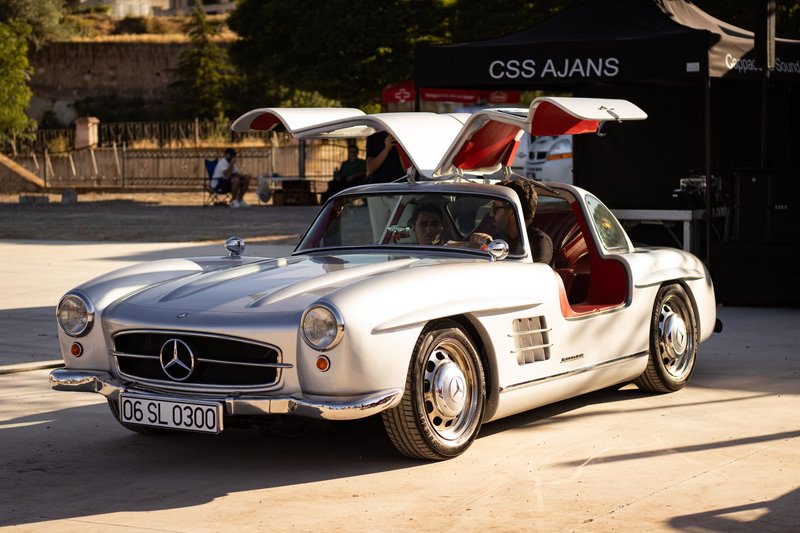
On most lists the Gullwing wins outright. Here’s the honest case for seventh: it is staggeringly significant and visually unforgettable, but it’s not the best car here to actually operate. Those iconic doors exist because the spaceframe chassis required deep side sills you couldn’t fit a normal door around — a brilliant solution to a problem of Mercedes’ own making.
What it absolutely owns is firsts. The 300SL was the first production car with mechanical fuel injection, which is why a 3.0-liter straight-six made a genuine 215 horsepower and a 160-mph top speed in 1954 — supercar numbers two decades before the word existed. Drive one and the swing-axle rear can bite hard if you lift mid-corner, the cabin bakes, and getting in over the sill takes practice. Magnificent and important. Slightly difficult. That’s a seventh-place combination, not a first.
6. Chevrolet Corvette C2 Sting Ray (1963–1967)
The split-window 1963 coupe is the single best-looking American car ever made, full stop. Bill Mitchell and Larry Shinoda gave it a pointed nose, a peaked fastback, and that one-year-only divided rear window that Zora Arkus-Duntov hated for blocking visibility — which is exactly why it’s a collector’s grail today.
The C2 ranks this high because it was the first Corvette with independent rear suspension, which turned the car from a straight-line bruiser into something that could actually handle. By 1967 you could order a 427 making well over 400 horsepower, making the Sting Ray a legitimate threat to European exotics at a fraction of the price. It’s the rare American coupe that delivers on design, significance, and pace simultaneously. The only thing keeping it from the top five is that the cars above it are flat-out unbeatable.
5. Porsche 911 (993, 1994–1998)
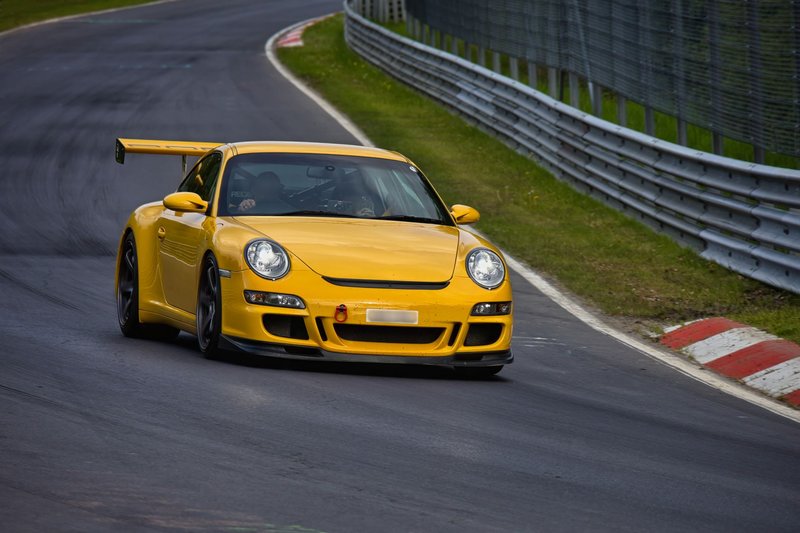
Ranking a single 911 is almost unfair to the model, but if you have to pick one, the 993 is it: the last air-cooled 911, the one where Porsche finally tamed the rear-engine handling that made earlier cars a handful, without sanding off the character. The new multi-link rear suspension killed the snap-oversteer reputation; the air-cooled flat-six kept the sound and the soul.
The 911’s significance is hard to overstate — it’s the longest-running sports coupe in history, in continuous production since 1963, and it got there by evolving relentlessly while never abandoning the silhouette. The 993 is the sweet spot where that evolution peaked before water-cooling changed the formula. It’s also, by a distance, the most usable car in this top five. You could own one, drive it daily, and never apologize. According to Porsche’s own company history, the 911 line is the backbone the entire brand was built on, and the 993 is where the early formula was perfected.
4. Ford GT40 (1964–1969)
The GT40 exists because Henry Ford II tried to buy Ferrari, got humiliated at the negotiating table, and decided to beat them at Le Mans out of spite. It worked. The GT40 won Le Mans four years running from 1966 to 1969, including the famous 1-2-3 finish that ended Ferrari’s dominance and became the heart of a Le Mans race history that motorsport fans still argue about.
It lands at four on significance and design that serve a single purpose. The car is 40 inches tall — that’s where the name comes from — because it had to be, to cut through air at 200 mph on the Mulsanne Straight. Every line is functional, and the result is a shape that looks fast in a way no styling exercise can fake. It’s not a comfortable road car and was never really meant to be one, which is the only thing separating it from the podium.
3. Ferrari 250 GTO (1962–1964)
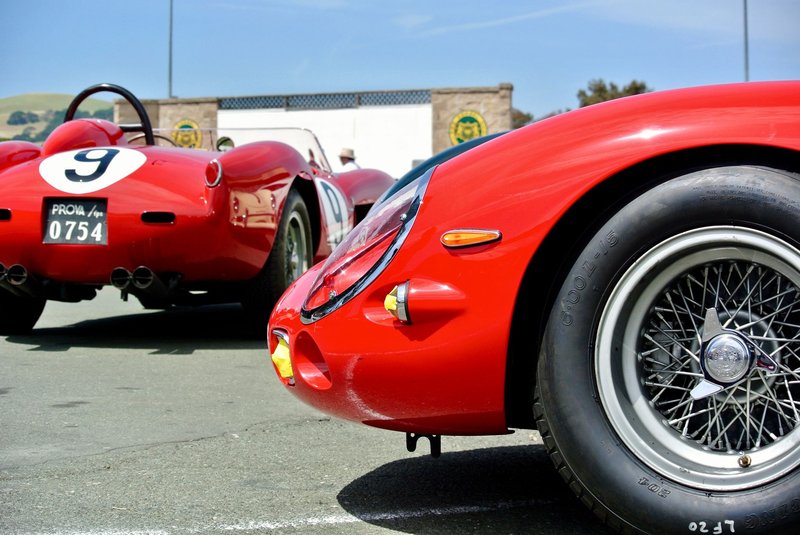
The 250 GTO is the most valuable car in the world, with confirmed sales north of $48 million, and the price tag is almost beside the point. Ferrari built 36 of them, hand-shaped each aluminum body so no two are identical, and built every one as a homologation special meant to win GT racing — which it did, taking the World Manufacturers’ Championship three years straight.
It’s the rare car where the rarity is earned rather than manufactured. The 3.0-liter Colombo V12, the gated shifter, the way the body was developed by feel in a wind tunnel that barely existed — this is the high-water mark of the hand-built racing coupe before aerodynamics and regulations took the artistry out of it. It ranks third instead of first only because its greatness lives at a remove. Almost no one will ever drive one, which makes it more myth than machine, however magnificent the machine is.
2. Jaguar E-Type (1961–1975)
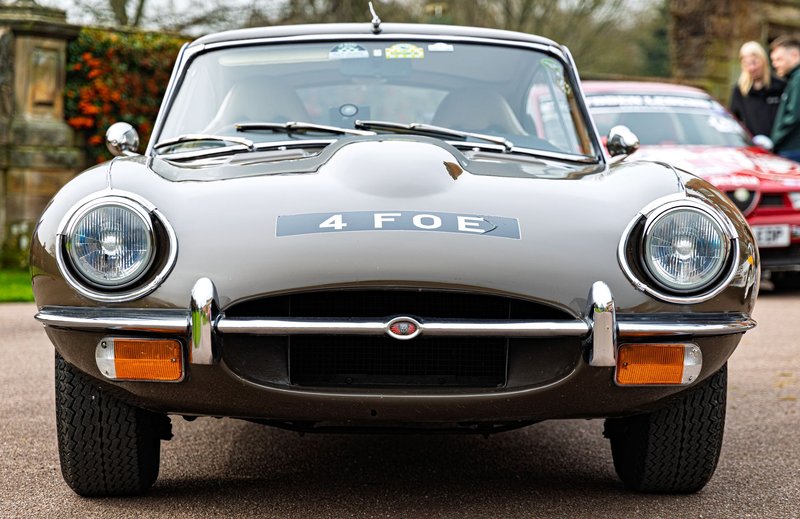
Enzo Ferrari supposedly called it the most beautiful car ever made, and for once the legend is probably true. The E-Type’s endless hood, faired-in headlights, and impossibly low cabin still look more resolved than most cars built this decade. It’s the design benchmark every coupe on this list is measured against, including the ones ranked above it.
But the E-Type isn’t just a sculpture. At launch in 1961 it claimed a 150-mph top speed and did roughly 0–60 in seven seconds — genuine supercar performance for a car that cost a fraction of a contemporary Ferrari, which is why it landed like a thunderclap. The 3.8-liter straight-six and four-wheel disc brakes (rare then) meant it could stop and go as well as it looked. It misses the top spot by a whisker, beaten only by a car that’s more thrilling to actually drive. As pure design plus value, nothing here touches it.
1. Ferrari F40 (1987–1992)
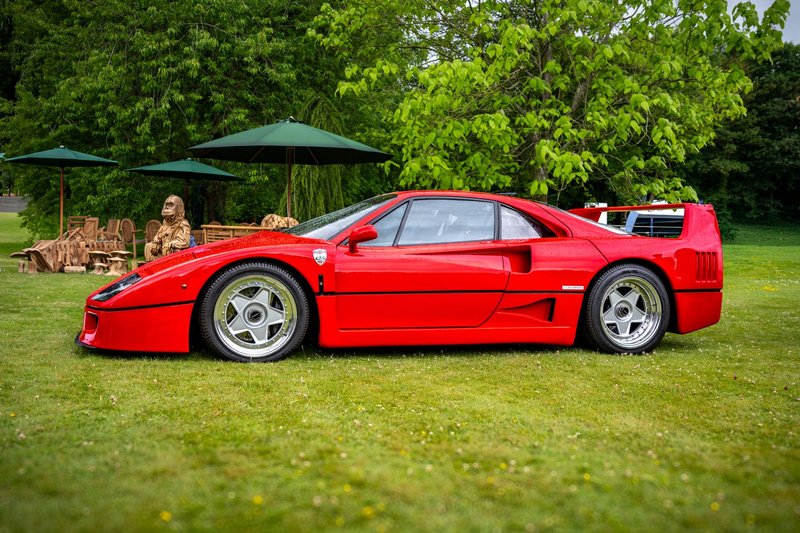
The last Ferrari developed under Enzo Ferrari’s direction, built to mark the company’s 40th anniversary, and the only car here that’s genuinely a little frightening. That’s the point. The F40 was Ferrari’s answer to the Porsche 959, and where the 959 chased technology, the F40 chased weight. No power steering. No ABS. No carpet, no door handles (you pull a cable). A bare carbon-and-Kevlar cabin and a 2.9-liter twin-turbo V8 making 471 horsepower in a car that weighs about 2,400 pounds.
It tops this list because it nails all three criteria without compromise. The design — the slatted engine cover, the wide haunches, the enormous rear wing — is pure function that became iconic by accident. The significance is enormous: it was the first production car to officially top 200 mph, and it closed the Enzo era on the highest possible note. And the drivability, if you can call white-knuckle turbo lag and zero electronic safety net “drivable,” is the most visceral experience any coupe has ever offered. Other cars on this list are more beautiful or more valuable. None of them make you feel more.
It’s not the safe pick. It’s the right one.
Quick-Reference Spec Table
| Rank | Coupe | Years | Power | Designer / Maker |
|---|---|---|---|---|
| 1 | Ferrari F40 | 1987–1992 | 471 hp | Pininfarina |
| 2 | Jaguar E-Type | 1961–1975 | 265 hp | Malcolm Sayer |
| 3 | Ferrari 250 GTO | 1962–1964 | ~300 hp | Scaglietti / Bizzarrini |
| 4 | Ford GT40 | 1964–1969 | ~485 hp | Ford / Lola |
| 5 | Porsche 911 (993) | 1994–1998 | 272 hp | Tony Hatter |
| 6 | Corvette C2 Sting Ray | 1963–1967 | up to 435 hp | Mitchell / Shinoda |
| 7 | Mercedes 300SL Gullwing | 1954–1957 | 215 hp | Friedrich Geiger |
| 8 | Nissan Skyline GT-R R34 | 1999–2002 | 276 hp (rated) | Nissan |
| 9 | Toyota 2000GT | 1967–1970 | 150 hp | Toyota / Yamaha |
| 10 | Aston Martin DB5 | 1963–1965 | 282 hp | Touring of Milan |
| 11 | BMW E9 3.0 CSL | 1972–1975 | 206 hp | Karmann |
| 12 | Datsun 240Z | 1969–1973 | 151 hp | Nissan |
Disagree with the order? Good. The whole point of a coupe is that it makes you feel something, and feelings don’t sort cleanly into a spreadsheet. But ranked on design, significance, and whether the thing is actually worth driving, this is the list — icons and surprises both.

Daniela Voss
More from Daniela VossHow we reviewed this article
This article was researched against manufacturer records and editorially reviewed before publishing. We accept no payment for coverage.