Audi spent the last few years quietly thinning its lineup. The R8 is gone. The TT is gone. The A1 and Q2 stopped rolling off the line in 2026. And if you walked into a dealer expecting an A5 Coupe, you found out the coupe and convertible body styles got folded out of existence too.
Most lists of discontinued Audi models just hand you a database — model names, year ranges, a thumbnail. They skip the part you actually care about: why the car got cut, and whether the used one sitting on a lot near you is a smart buy or a depreciation trap. This is that list. Recent casualties first, then the historical ones, each with the reason it died and a note for anyone shopping the used market.
Table of Contents
- The short version
- Why Audi is cutting so many models
- Recently discontinued Audi models (2024–2026)
- Audi R8
- Audi TT
- Audi A1
- Audi Q2
- Audi A5 / S5 / RS5 Coupe and Convertible
- Audi Q8 e-tron
- Historical discontinued Audi models
- Audi A2
- Audi Coupé quattro
- Audi Cabriolet (B4)
- Audi 100 / 200
- Audi 80 / 90
- Which discontinued Audi is worth buying?
The short version
If you want a discontinued Audi as an enthusiast keeper, the R8 and the TT are the obvious answers — both are the end of a bloodline, and both will hold their value better than anything else here. If you want a discontinued Audi as a daily that happens to be a bargain, the A5 Coupe and the A1 are where the value is, because they were cut for business reasons, not because anything was wrong with them. Avoid treating the Q8 e-tron as a long-term hold; first-generation EVs depreciate hard and this one got replaced fast.
Everything below explains the reasoning.
Why Audi is cutting so many models
The thread tying almost all of these cancellations together is money being moved toward electrification. Audi committed to going fully electric, and EV platforms, batteries, and software cost a fortune to develop. The simplest way to fund that is to kill low-volume combustion cars that don’t earn their keep — niche coupes, slow-selling small hatchbacks, halo sports cars that print prestige but not profit.
Three forces show up again and again:
- Weak or shrinking sales. Coupes and convertibles are a tiny slice of the market now. Buyers moved to SUVs years ago.
- Tightening emissions rules in Europe. Keeping an old combustion engine compliant with each new regulation costs more than the car returns. The cheaper move is to retire it.
- The EV transition. Engineering hours and factory space are finite. Every combustion model kept alive is a model the EV roadmap has to work around.
That’s the context. None of these cars died because they were bad. Most died because the math changed. It’s the same pattern playing out across the wider Volkswagen Group, too — sister brand Volkswagen has retired a long list of beloved models for the very same reasons.
Recently discontinued Audi models (2024–2026)
Audi R8
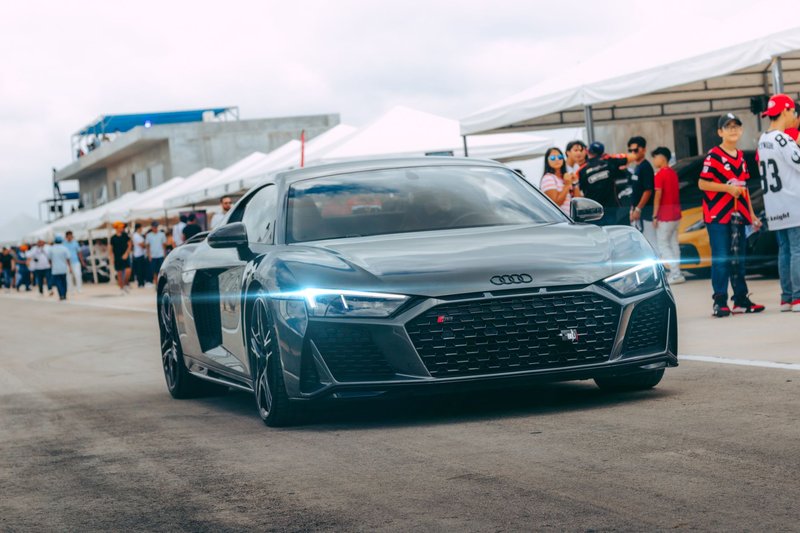
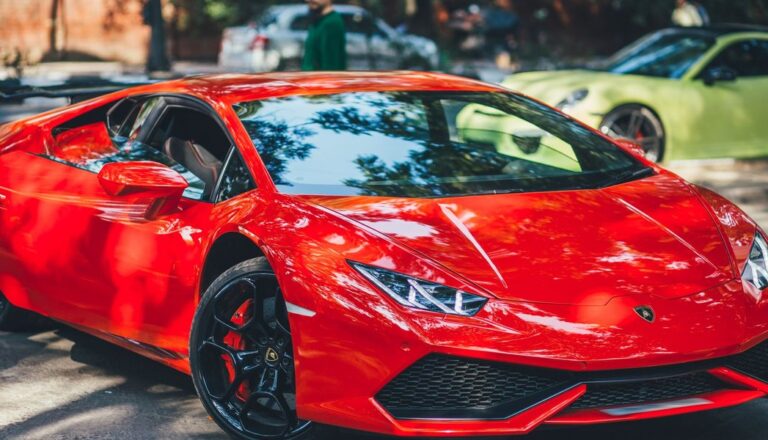
Audi ended R8 production in 2024, closing out two generations and roughly sixteen years of the brand’s only true supercar. The R8 shared its V10 and much of its structure with the Lamborghini Huracán, which is exactly why it was special — and exactly why it was doomed. That naturally aspirated 5.2-liter V10 has no future under current emissions rules, and Audi chose not to build an electric replacement to carry the name forward right away. Per Audi’s own announcement, the final cars were a send-off edition rather than a new chapter.
Used-buyer note: The R8 is the discontinued Audi most likely to be a sound long-term hold. A mid-engine V10 with a manual option on early cars is the kind of spec that stops getting made. Values for clean, low-mileage examples have already firmed up. Buy the best one you can afford, budget for proper servicing, and treat it as the appreciating asset it’s becoming.
Audi TT
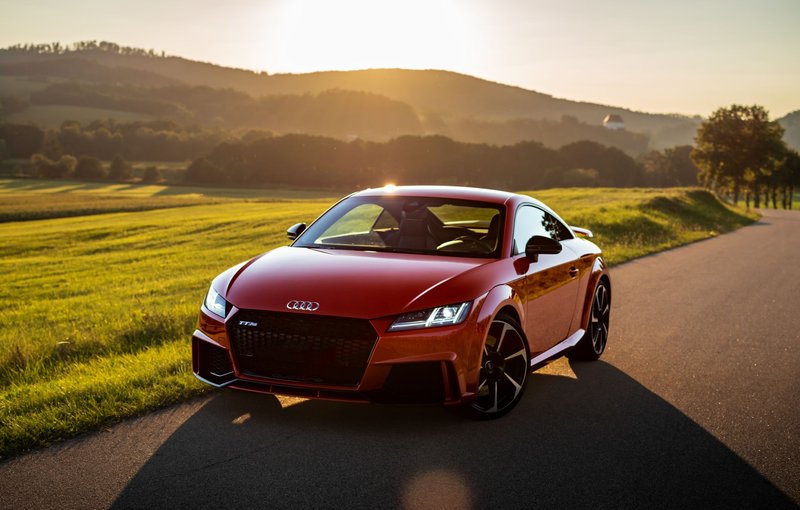
The TT bowed out in 2023 after three generations and more than two decades. It started life in 1998 as one of the most distinctive shapes on the road — a near-literal copy of the 1995 concept, which almost never happens in production cars. Sales faded as the small sporty-coupe segment collapsed, and Audi has signaled that the spirit of the TT moves into electric models rather than a direct combustion successor.
Used-buyer note: The TT is a genuine future classic in waiting, especially the TT RS with its five-cylinder turbo — one of the best-sounding engines Audi ever put in a road car. The standard TT is a cheaper, usable everyday coupe that’s now frozen in time. Either way, the badge isn’t coming back as you knew it, which tends to be kind to values over the long run.
Audi A1
Audi confirmed it would end A1 production, with the supermini phased out as part of the broader retreat from small combustion cars in Europe. The A1 was a premium take on the VW Polo — a tidy, well-built city car that punched above its size. The problem is that small cars carry thin margins, and tightening regulations make them progressively less profitable to keep building. Audi would rather aim that factory capacity at electric models with better returns. Autocar reported that production was set to wind down after more than a decade on sale.
Used-buyer note: Quietly one of the smartest used buys on this list. The A1 was killed for business reasons, not because anything was wrong with it, so you get a well-engineered premium hatch without paying a premium for current stock. Look for the punchy three-cylinder turbo versions and you’ve got a city car that doesn’t feel cheap.
Audi Q2
The Q2 went out alongside the A1 as Audi pulled its smallest combustion models from the European range. It was Audi’s compact crossover entry point — the cheapest way into a new Audi SUV — and it sold respectably. But the same logic that ended the A1 applies here: small footprint, slim margins, rising compliance costs, and a future built around electric crossovers instead.
Used-buyer note: A used Q2 gives you Audi cabin quality and a high driving position in a footprint that actually fits a tight parking spot. Since it’s being discontinued rather than recalled out of existence, the used examples are perfectly good — you’re just buying into a model line that won’t get further updates.
Audi A5 / S5 / RS5 Coupe and Convertible
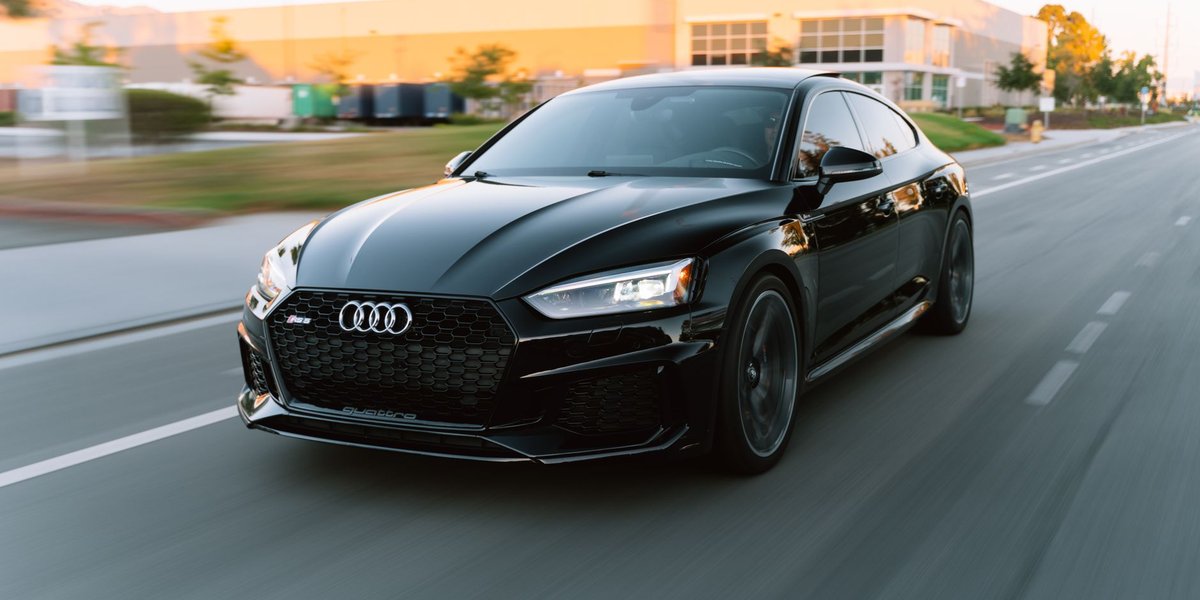
The A5 nameplate didn’t die, but the two-door body styles did. Audi cut the A5 Coupe and Cabriolet (along with the S5 and RS5 versions of them) as it reorganized its lineup and naming. The four-door Sportback survives; the coupe and convertible shapes that a lot of people actually wanted are the ones that got the axe. Reason: coupe and convertible demand has cratered, and maintaining separate two-door bodies for a low-volume slice of buyers stopped making financial sense.
Used-buyer note: This is where the bargain-hunter should be looking. The A5 Coupe is a handsome, well-built grand tourer that got discontinued for portfolio math, not for any flaw. The RS5 in particular — twin-turbo V6, all-wheel drive, restrained looks — is a lot of capable car that no longer has a direct new-car equivalent. Used values reflect the cut, which works in your favor.
Audi Q8 e-tron
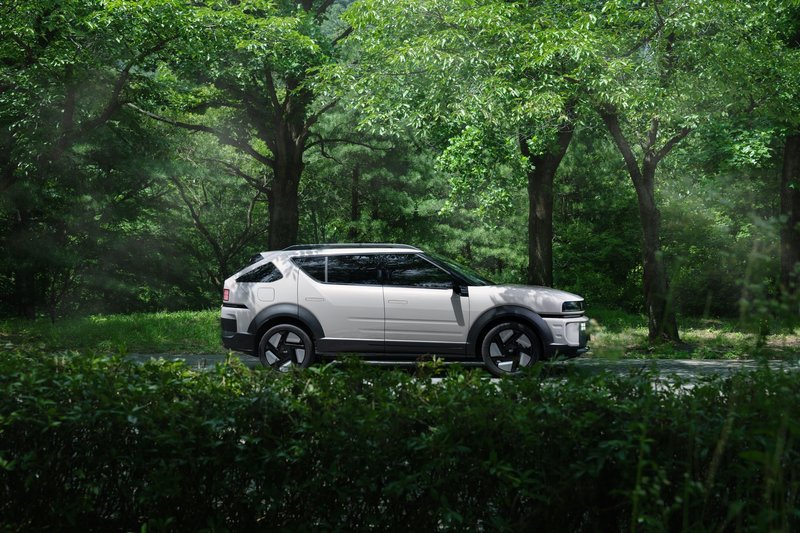
This one’s the odd entry: a recently discontinued Audi that was itself electric. The Q8 e-tron (the renamed and updated original e-tron SUV) was phased out as Audi reshuffled its EV strategy around newer, more efficient platforms. It was a competent first-generation electric SUV, but the technology underneath it aged quickly, and Audi’s newer EVs do more with less battery. Killing it was about clearing the way for the next generation, not a retreat from electrification.
Used-buyer note: Be careful here. First-generation EVs depreciate steeply, and the Q8 e-tron’s range and charging speed already lag newer rivals. As a cheap used EV it can make sense if the discounted price reflects that reality — just don’t expect it to hold value, and check the battery health report before you sign anything.
Historical discontinued Audi models
The recent cuts grab the headlines, but Audi has been retiring models for decades. These are the ones that shaped the brand — and a couple that quietly disappeared. The trend isn’t unique to Ingolstadt, either; fellow VW Group member SEAT has its own long roster of discontinued models that tells a similar story of platforms and badges quietly disappearing over the years.
Audi A2
The A2 (1999–2005) was ahead of its time and paid for it. It used an aluminum space-frame body to cut weight, which made it remarkably efficient — some diesel versions could nudge extraordinary fuel economy figures. But aluminum construction made it expensive to build and to repair, and buyers weren’t ready to pay premium money for a small economy car. It died early.
Used-buyer note: A cult classic for efficiency nerds. Cheap to run, genuinely interesting engineering, but find a specialist who actually understands aluminum repair before you commit.
Audi Coupé quattro
The Coupé quattro of the late 1980s and early 1990s is the spiritual sibling of the legendary Ur-quattro rally car, built on the 80/90 platform. It put Audi’s quattro all-wheel-drive system into a sleek two-door at a more accessible price than the homologation special. It faded as Audi moved toward the A4-based coupe lineage.
Used-buyer note: Increasingly collectible, especially the five-cylinder cars. These are appreciating classics now, so condition and originality matter more than mileage.
Audi Cabriolet (B4)
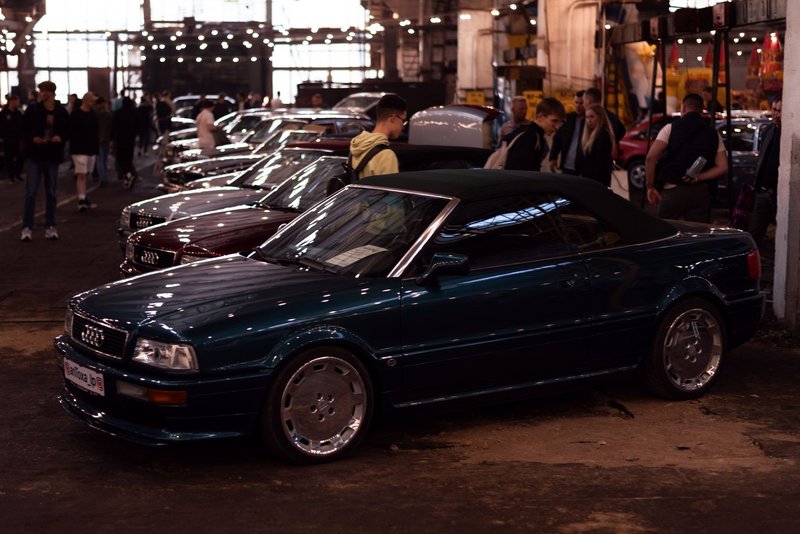
The Audi Cabriolet (1991–2000) was a long-running, elegant four-seat convertible based on the 80. It stayed in production nearly a decade with minimal change — unusual longevity — before the A4-based Cabriolet replaced it. Famously, one served as Princess Diana’s car, which keeps interest alive.
Used-buyer note: A relaxed cruiser rather than a sports car. Check the roof mechanism and the usual rust spots; a tidy one is a charming, affordable classic convertible.
Audi 100 / 200
The 100 and its sportier 200 sibling were Audi’s executive sedans through the 1970s and 1980s, and they’re a big reason Audi is a luxury brand today. The 1982 model’s slippery aerodynamics were a genuine breakthrough for a production car. The 100 eventually evolved into the A6, which is why you won’t find a “100” in showrooms anymore — the name changed, the lineage continued.
Used-buyer note: True classics, thin on the ground. The Audi 200 turbo and quattro variants are the ones enthusiasts chase. Buy on condition and history, not price.
Audi 80 / 90
The 80 and 90 were Audi’s compact executive cars for decades and the direct ancestors of the A4. The 80 was the volume seller that kept Audi solvent through several eras; the 90 was the upmarket, more powerful version. The naming switched to “A4” in the mid-1990s, ending the 80/90 line.
Used-buyer note: Solid, simple, and cheap to keep running compared with modern Audis. The quattro versions are the keepers. A clean 80 is one of the most affordable ways into classic Audi ownership.
Which discontinued Audi is worth buying?
Sort the discontinued Audi models by why they got cut and the buying decision gets easy.
Cars killed by emissions and the end of an era — the R8 and the TT RS — are the ones to buy as keepers. They’re the last of their kind, the engines can’t be reproduced under current rules, and that scarcity is already showing up in their values. Buy condition over mileage and don’t overthink it.
Cars killed by portfolio math — the A1, the A5 Coupe, the RS5, the Q2 — are the ones to buy as smart daily drivers. Nothing was wrong with them. They got cut because two-door bodies and small hatchbacks don’t move enough metal, which means you get a well-built Audi at a price that reflects a business decision rather than a defect.
The one to approach with eyes open is the Q8 e-tron. A first-generation electric SUV with dated range is fine as a cheap used buy, risky as a long-term hold — so let the discount do the talking and verify the battery before anything else.
Audi’s lineup is going to keep shrinking on the combustion side as the electric roadmap fills in. That’s annoying if you wanted a new coupe, but it’s quietly good news for used buyers — every discontinued Audi model is one more well-engineered car selling for less than it’s worth, simply because the company decided to build something else.

Marco Delantero
More from Marco DelanteroHow we reviewed this article
This article was researched against manufacturer records and editorially reviewed before publishing. We accept no payment for coverage. Some guides contain affiliate links; see our affiliate disclosure.