The most iconic cars of the 1940s share one trait: each answers a question the decade forced on people. How do you move an army? How do you motorize a country with no money? What does a car look like when the war is finally over? A Jeep, a Beetle, a 2CV and a Cadillac with fins all answered differently.
TLDR
- Most important: Willys MB. It put the Allies on wheels and invented the civilian SUV.
- Fastest: Jaguar XK120, which hit 124.6 mph in 1949.
- Most influential design: the 1948 Cadillac Series 62 and its tail fins.
- Best underdog story: the Tucker 48, 51 cars and one very large lawsuit.
- Longest legacy: Volkswagen Beetle, Porsche 356 and Land Rover, all still alive in some form.
Contents
- The 1940s in two halves
- 1. Lincoln Continental (1940)
- 2. Willys MB Jeep (1941)
- 3. Volkswagen Beetle (1945)
- 4. Rolls-Royce Silver Wraith (1946)
- 5. Ford Super Deluxe (1946)
- 6. Studebaker Champion (1947)
- 7. Chevrolet Advance Design (1947)
- 8. Ferrari 125 S (1947)
- 9. Land Rover Series I (1948)
- 10. Cadillac Series 62 (1948)
- 11. Tucker 48 (1948)
- 12. Citroën 2CV (1948)
- 13. Porsche 356 (1948)
- 14. Jaguar XK120 (1948)
- Quick comparison
- What 1940s cars are worth now
The 1940s in two halves
The decade splits cleanly. In the United States, civilian car production stopped in February 1942, when factories were converted to tanks, aircraft engines and trucks for the war effort. Detroit built no new passenger cars for nearly four years. The National WWII Museum documents how completely American industry was redirected.
That gap is why so many “1946 models” are really 1942 designs with new trim. Companies sold whatever they could build, and buyers lined up for it. Real new designs didn’t arrive until 1947 to 1949, and when they did, the cars looked like they came from a different century.
Europe’s story was harsher: bombed factories, steel shortages and no spare cash. The most interesting European cars of the era are the ones that worked around those limits.
The list below runs chronologically, so you can watch the decade turn from pre-war elegance to wartime utility to post-war optimism.
1. Lincoln Continental (1940)
Edsel Ford wanted something for a Florida vacation in 1939. He asked designer Eugene Gregorie for a custom convertible, and friends who saw it wanted one too. Lincoln put it into production in 1940.
The long hood, short rear deck and exposed spare tire gave it proportions nobody else was selling. This distinctive design would shape an entire generation of 1940s coupes. Power came from a 292 cubic inch V12 borrowed from the Lincoln-Zephyr, making about 120 hp. In 1951, New York’s Museum of Modern Art included a 1941 Continental in a show of eight outstanding automobile designs.
Legacy: it created the template for the American personal luxury coupe.
2. Willys MB Jeep (1941)
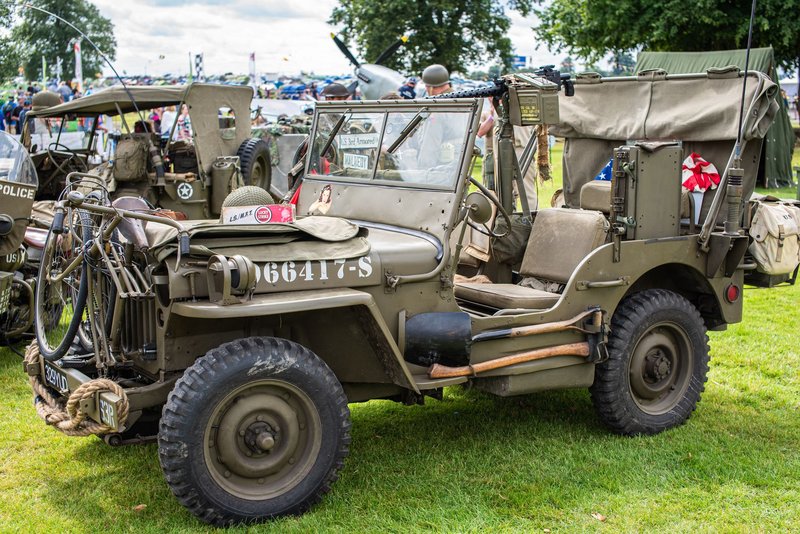
The US Army asked for a light reconnaissance vehicle in 1940, and Willys-Overland, Ford and Bantam all built contenders. Willys won with its 2.2 liter “Go-Devil” four-cylinder, which made about 60 hp and had far more torque than rivals. The result was the MB, which ranks among the defining vehicles of 1941.
Willys built roughly 360,000 of them. Ford built another 280,000 or so under license as the GPW, bringing the total near 640,000. Slot-grille versions came later; the MB’s flat nine-slot grille belongs to the Ford-designed look that Willys adopted.
The Jeep did what no other vehicle of the war did: it went everywhere, carried everything and could be fixed with a wrench. When the war ended, Willys launched the CJ-2A in 1945 and sold it to farmers.
Legacy: every SUV is its descendant, and the Jeep brand is still around.
3. Volkswagen Beetle (1945)
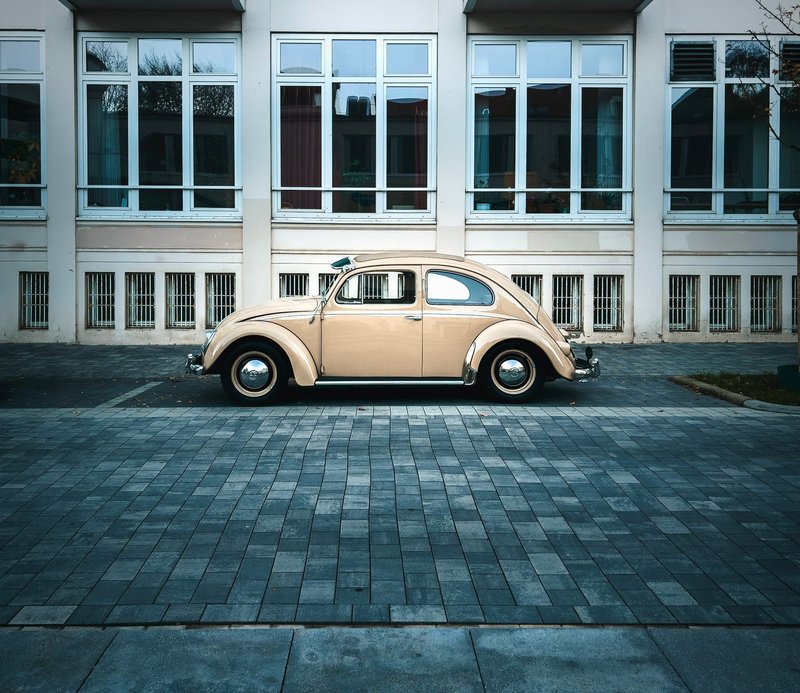
The Beetle’s design dates to the 1930s, but its real story starts in 1945. The Wolfsburg factory had been heavily damaged, and the British Army, led by Major Ivan Hirst, restarted production to get vehicles for the occupation forces. Hirst’s decision is why the Beetle exists as a postwar car.
The numbers are modest: a 1,131 cc air-cooled flat-four making about 25 hp, a backbone chassis and a top speed near 60 mph. It was cheap and simple, and it kept running.
Legacy: more than 21 million original Beetles were eventually built, one of the longest runs for a single design. As one of the best cars of 1945, it marked a turning point in affordable transportation.
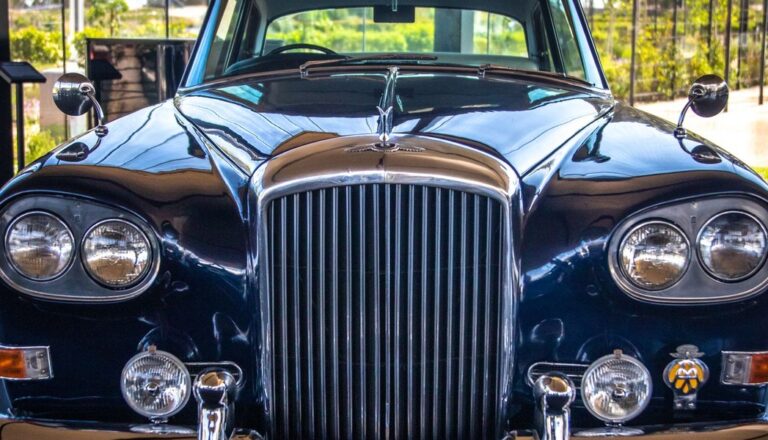
4. Rolls-Royce Silver Wraith (1946)
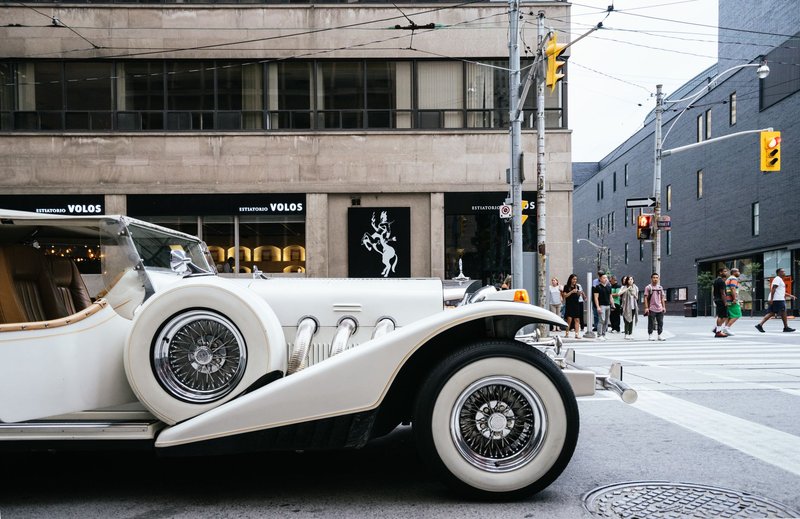
Rolls-Royce’s first postwar car was also the first built at its Crewe factory, which had made Merlin aircraft engines during the war. The Silver Wraith used a 4.3 liter inline-six and was sold as a chassis only. Customers picked a coachbuilder and ordered a body.
That meant no two looked quite alike, from formal limousines to drophead coupes. The car sold to a world with ration books, so most went to export markets or to people with serious money.
Legacy: the Silver Wraith kept alive the coachbuilt tradition that the war nearly ended.
5. Ford Super Deluxe (1946)
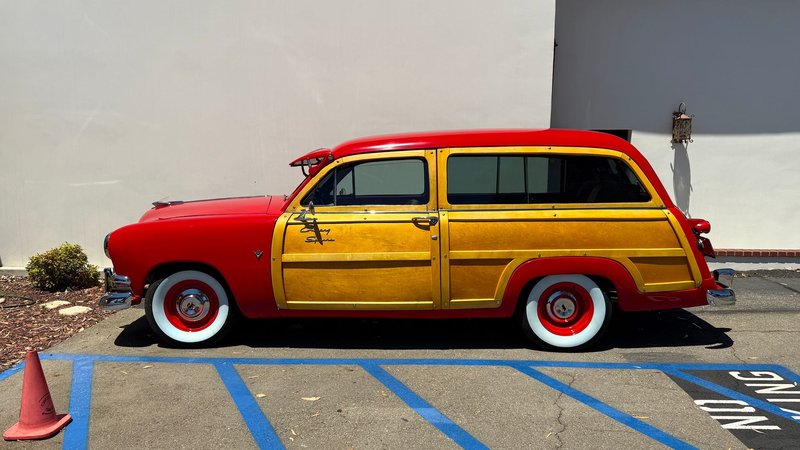
Ford was the first American automaker to get new passenger cars out after the war, and the Super Deluxe was its top trim. It was basically a restyled 1942 car, which didn’t matter, since buyers were desperate.
Under the hood sat the 239 cubic inch flathead V8, rated at 100 hp. Ford kept the V8 affordable and tuneable, and that engine became the backbone of the hot-rod scene. The wood-bodied station wagon, the “woody,” is the version that now looks the most like the era.
Legacy: returning GIs, a cheap V8 and a garage: the recipe for hot-rodding.
6. Studebaker Champion (1947)
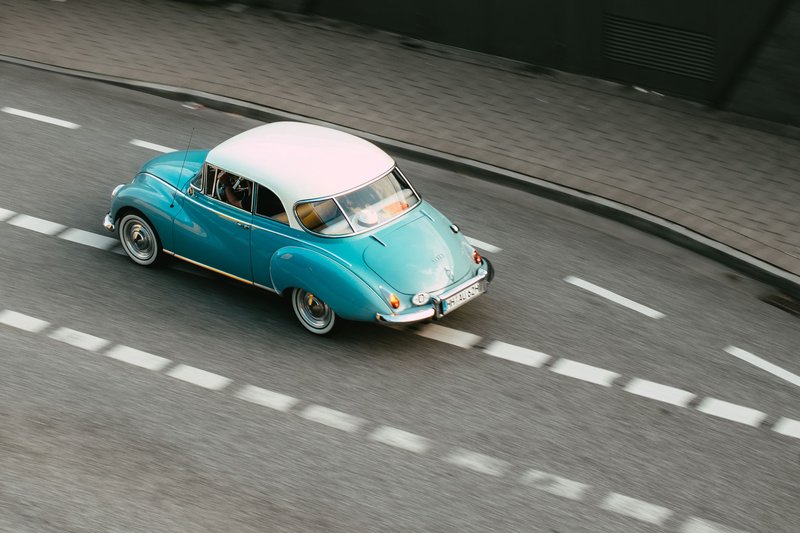
Studebaker beat Detroit’s big three to an all-new post-war design. The 1947 Champion, especially the Starlight coupe with its wraparound rear window, looked so similar from front and back that a joke circulated: “Which way is it going?”
The design came out of the team around Raymond Loewy, including Virgil Exner. It was smooth, low and slab-sided, and it made competing cars look dated.
Legacy: it started the “pontoon” styling that took over the American car market by 1949.
7. Chevrolet Advance Design (1947)
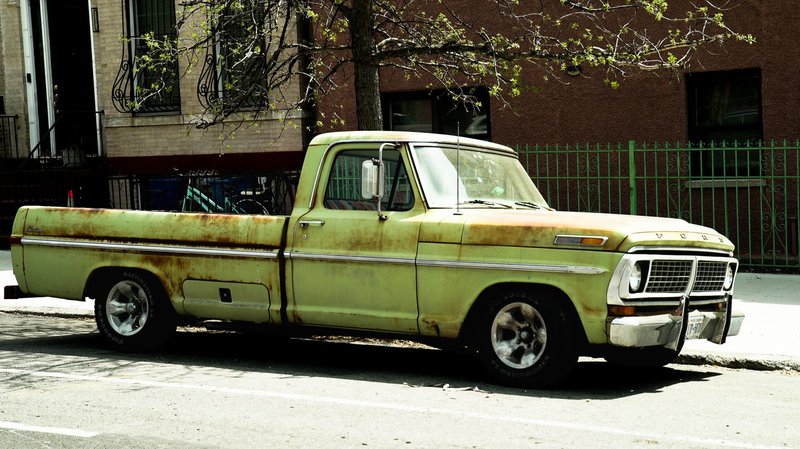
The truck gets its place here because a pickup is part of the decade. Chevrolet’s Advance Design series arrived in mid-1947 with a roomier cab, a wider seat and a body that looked like a proper car’s. Power came from the 216 cubic inch inline-six rated at about 90 hp.
Chevy kept the series in production through 1955, so it shows up in a huge share of restoration shops and movies set in rural America.
Legacy: it moved pickups from pure work vehicles toward something a family could own.
8. Ferrari 125 S (1947)
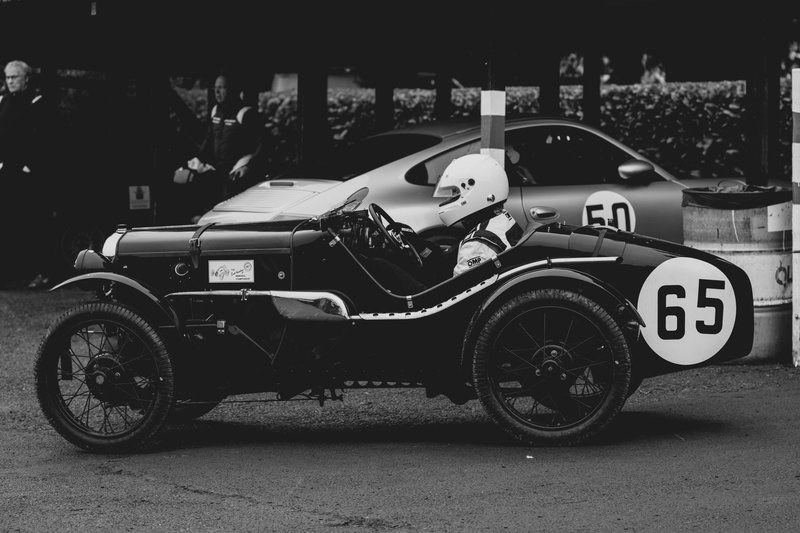
The first Ferrari wasn’t big. The 125 S used a 1.5 liter V12 designed by Gioachino Colombo, making roughly 118 hp in a tiny, light tube-frame car. Only two were built.
It retired in its first race, then won in Rome a few weeks later. Enzo Ferrari had been building racing cars for Alfa Romeo before the war; this was the first with his own name on the nose.
Legacy: it started a V12 tradition that has run for almost eight decades.
9. Land Rover Series I (1948)
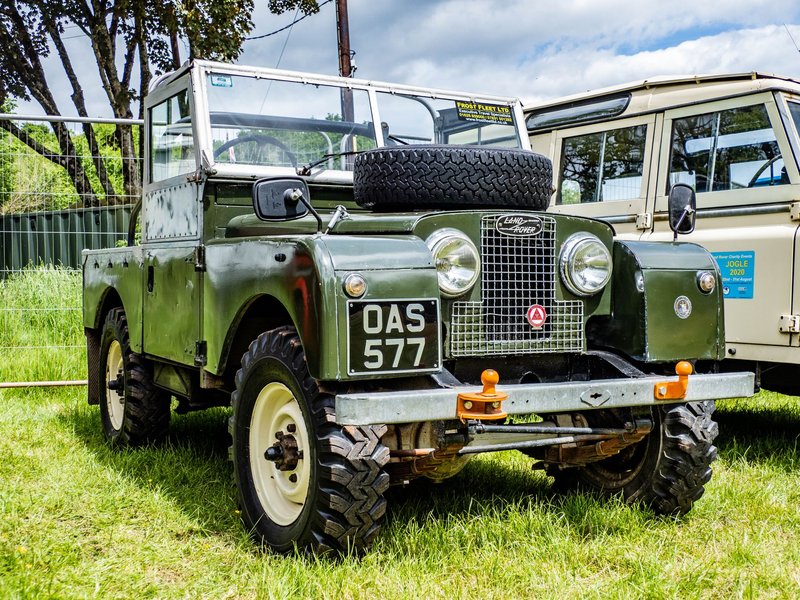
The story goes that Rover’s Maurice Wilks, who owned a farm on Anglesey, used a war-surplus Jeep and realized Britain needed its own version. Steel was rationed, so Rover used Birmabright aluminium for the body panels. Early cars came in a single color, a light green made from leftover military paint.
It debuted at the 1948 Amsterdam Motor Show with a 1.6 liter petrol engine producing about 50 hp. Rover thought it would be a stopgap while its car business recovered. It became the business.
Legacy: the Land Rover name still exists, and the Defender traces straight back.
10. Cadillac Series 62 (1948)
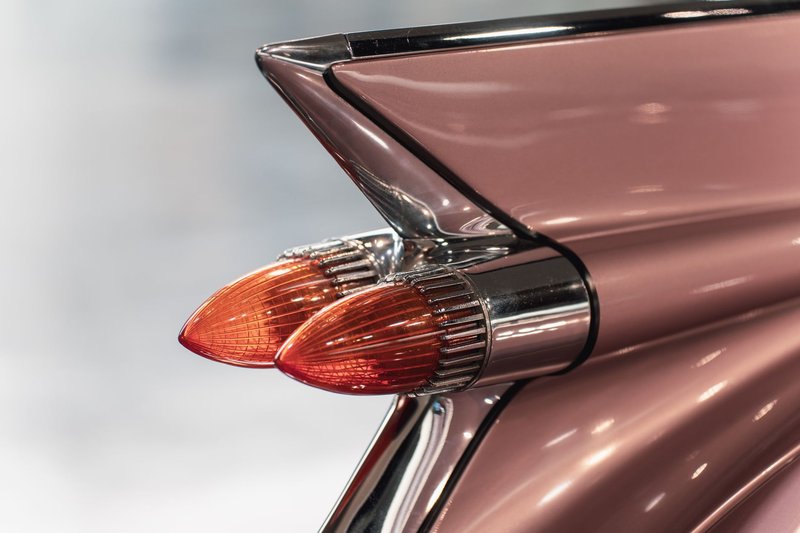
Harley Earl’s designers had been shown the Lockheed P-38 Lightning during the war, and the twin tail booms stuck with them. The 1948 Cadillac got small fins on its rear fenders, and the fin era began.
In 1949 Cadillac replaced its old flathead with a modern overhead-valve V8, a 331 cubic inch unit making about 160 hp. The engine was short-stroke and light, and became a favorite of early drag racers and hot-rodders.
Legacy: tail fins dominated American cars until the early 1960s, and Cadillac’s 1959 models took them to the extreme.
11. Tucker 48 (1948)
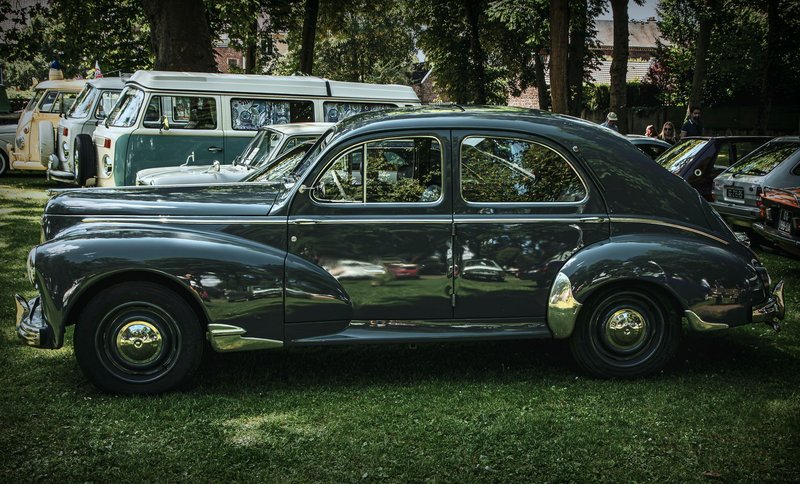
Preston Tucker promised a rear-engined car with a padded dash, a pop-out windshield and a center “Cyclops” headlight that turned with the steering. The engine was a 335 cubic inch flat-six, based on a Franklin helicopter engine, mounted behind the rear axle.
Only 51 cars were built (50 production cars plus a prototype) before the company collapsed. Tucker was investigated by the SEC and tried for fraud, and he was acquitted in 1950. By then the money was gone.
Legacy: the Tucker is the benchmark for what a car company can get wrong, and a car so ahead of its time that 47 of the 51 still survive.
12. Citroën 2CV (1948)
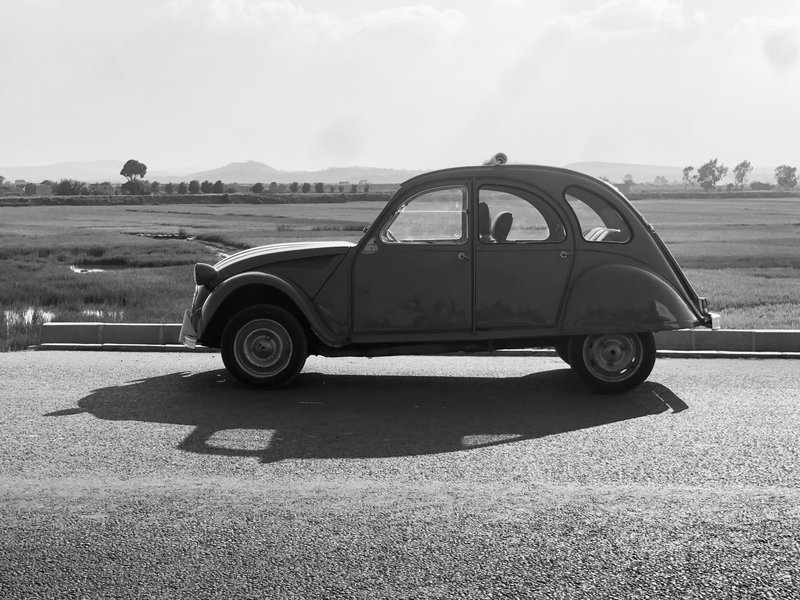
Citroën’s brief for the 2CV was famously specific: carry two farmers in clogs and 50 kg of potatoes at 60 km/h, using less fuel than a motorcycle, over bad roads, without breaking a basket of eggs. It debuted at the Paris Motor Show in October 1948.
The engine was an air-cooled 375 cc flat-twin, with a canvas roof, long-travel suspension and bodywork that looks more like a tin box than a car. It had no real glamour.
It stayed in production until 1990. French farmers loved it, and it became a symbol of a country getting back to work.
Legacy: it’s the benchmark for practical, simple motoring.
13. Porsche 356 (1948)

Ferry Porsche’s first car, the 356 “No. 1” Roadster, was built in Gmünd, Austria, and registered in June 1948. It was mid-engined, aluminium-bodied and based on Volkswagen parts, with a 1.1 liter flat-four making about 35 hp.
That’s not much power, but the car weighed little and handled well. Later production moved to Stuttgart and the car grew faster and more refined. The 356 turned a rebuilt Beetle into a sports car brand.
Legacy: the 356 led directly to the 911.
14. Jaguar XK120 (1948)
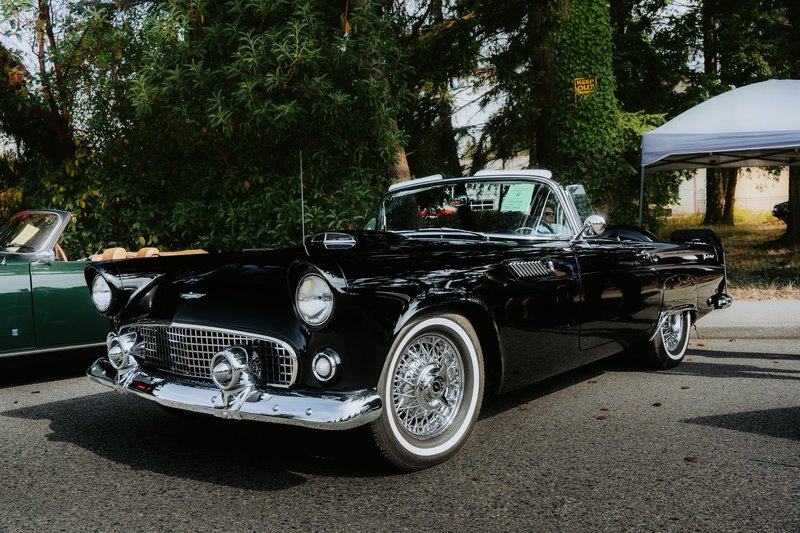
Jaguar launched the XK120 at the 1948 London Motor Show as a showpiece for its new engine, the 3.4 liter twin-cam straight-six, making 160 hp. The “120” was the claimed top speed in mph. People assumed it was exaggerated.
It wasn’t. In 1949, on a closed stretch of highway at Jabbeke in Belgium, a standard XK120 reached 124.6 mph with its windscreen in place. With a belly pan and tonneau, a car ran faster still. For a car that cost less than £1,000 before purchase tax, that made it the fastest production car in the world.
The first cars used aluminium bodies, around 240 in all, before Jaguar switched to steel to meet demand.
Legacy: it made Jaguar a global name and set the template for the 1950s sports car.
Quick comparison
| Car | Year | Engine | Power |
|---|---|---|---|
| Lincoln Continental | 1940 | 292 cu in V12 | ~120 hp |
| Willys MB | 1941 | 2.2L four-cylinder | ~60 hp |
| Volkswagen Beetle | 1945 | 1.1L air-cooled flat-four | ~25 hp |
| Rolls-Royce Silver Wraith | 1946 | 4.3L inline-six | n/a |
| Ford Super Deluxe | 1946 | 239 cu in flathead V8 | ~100 hp |
| Studebaker Champion | 1947 | Inline-six | n/a |
| Chevrolet Advance Design | 1947 | 216 cu in inline-six | ~90 hp |
| Ferrari 125 S | 1947 | 1.5L V12 | ~118 hp |
| Land Rover Series I | 1948 | 1.6L four-cylinder | ~50 hp |
| Cadillac Series 62 | 1948 | 346 cu in flathead V8 | ~150 hp |
| Tucker 48 | 1948 | 335 cu in flat-six | ~166 hp |
| Citroën 2CV | 1948 | 375 cc flat-twin | ~9 hp |
| Porsche 356 | 1948 | 1.1L flat-four | ~35 hp |
| Jaguar XK120 | 1948 | 3.4L twin-cam six | 160 hp |
What 1940s cars are worth now
Values vary widely. A restored Willys MB or CJ-2A is a few-ten-thousand-dollar purchase, and the Beetle and 2CV are cheaper still. The Tucker 48 sits at the other end: with only 51 built, they regularly clear seven figures at auction. The Henry Ford museum is one of the places where cars from this era are preserved.
Early aluminium-bodied XK120s trade at a large premium over steel ones, and the Ferrari 125 S, with two chassis built, is effectively priceless.
Prices for the most iconic cars of the 1940s tend to follow the same rule as the cars themselves: scarcity and story matter more than horsepower.

Marco Delantero
More from Marco DelanteroHow we reviewed this article
This article was researched against manufacturer records and editorially reviewed before publishing. We accept no payment for coverage. Some guides contain affiliate links; see our affiliate disclosure.