Table of Contents
- The quick answer
- 1999 Lexus lineup at a glance
- ES 300
- GS 300 and GS 400
- LS 400
- LX 470
- RX 300: the car that started the crossover era
- SC 300 and SC 400
- Buying a 1999 Lexus today
The quick answer
Lexus sold eight models in 1999: the ES 300 sedan, GS 300 and GS 400 sport sedans, the LS 400 flagship, the LX 470 full-size SUV, the RX 300, and the SC 300 and SC 400 coupes. That’s it — no IS, no hybrids, no compact anything. Lexus in 1999 was a small, deliberate lineup built around one idea: take Toyota’s reliability and wrap it in enough sound-deadening that you forget it’s a Toyota.
The one that matters most in hindsight is the RX 300. It was Lexus’s first year selling anything that wasn’t a sedan or coupe, and it accidentally invented a category that now outsells every sedan Lexus makes combined.
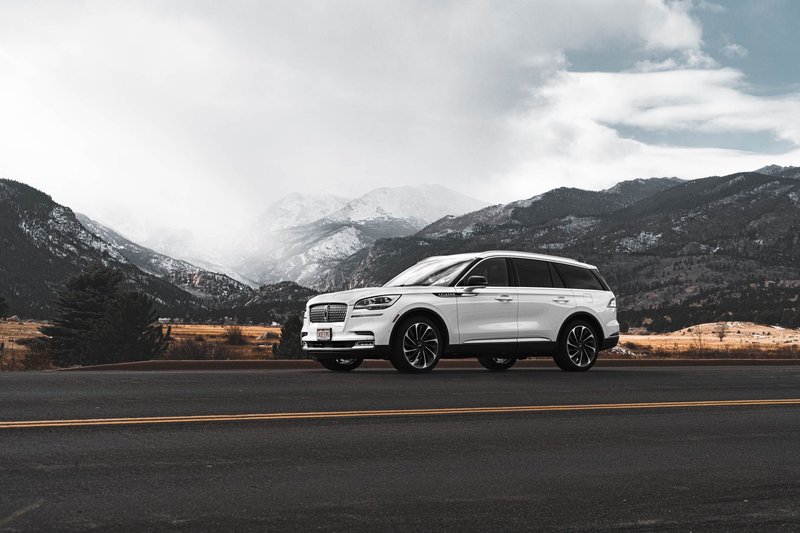
1999 Lexus lineup at a glance
| Model | Body style | Engine | Horsepower | Starting MSRP |
|---|---|---|---|---|
| ES 300 | Front-drive sedan | 3.0L V6 | 210 hp | $31,400 |
| GS 300 | Rear-drive sport sedan | 3.0L inline-6 | 225 hp | $37,305 |
| GS 400 | Rear-drive sport sedan | 4.0L V8 | 300 hp | $45,505 |
| LS 400 | Rear-drive flagship sedan | 4.0L V8 | 290 hp | $53,805 |
| LX 470 | Body-on-frame SUV | 4.7L V8 | 230 hp | $56,205 |
| RX 300 | Crossover (FWD/AWD) | 3.0L V6 | 220 hp | $35,125 |
| SC 300 | Rear-drive coupe | 3.0L inline-6 | 225 hp | $43,400 |
| SC 400 | Rear-drive coupe | 4.0L V8 | 290 hp | $55,700 |
Two things jump out. First, the GS 400 made more horsepower than the LS 400 that cost $8,000 more — Lexus wanted the GS to be the driver’s car and the LS to be the quiet one, and the spec sheet backs that up. Second, the RX 300 undercut the LX 470 by more than $20,000 while using a version of the same V6 that powered the ES. That price gap is exactly why the RX found buyers the LX never could. In many ways, these Lexus models defined the best cars of 1999.
ES 300
The ES 300 was Lexus’s volume seller and, for a lot of buyers, their entry point into the brand. Under the hood sat a 3.0-liter V6 making 210 horsepower, paired with a four-speed automatic — nothing exotic, because the ES wasn’t trying to be. It shared its platform with the Toyota Camry, and Lexus never hid that; the pitch was Camry comfort with better sound insulation, softer leather, and a badge that read better in a company parking lot.
For 1999, Lexus revised the traction control system and added daytime running lights, matching a safety push that ran across several models that year. It wasn’t a redesign — this generation (XV20) had launched for 1997 and would carry through 2001 — just steady, unglamorous refinement. That’s the ES 300 in a sentence: unglamorous, and proud of it.
GS 300 and GS 400
The GS was Lexus’s answer to the BMW 5 Series, and 1999 caught it near the end of its first generation before the redesign landed for 1998 — so this was a mature, sorted car by its final full year on this platform.
The GS 300 ran a 3.0-liter inline-six making 225 horsepower, rear-wheel drive only, with a chassis tuned noticeably firmer than the ES. The GS 400 swapped in the 4.0-liter V8 shared with the LS and SC 400, bumping output to 300 horsepower — enough to make it the most powerful sedan Lexus sold that year, LS included.
That’s the detail worth sitting with: in 1999, if you wanted the most horsepower Lexus offered in a four-door, you bought the cheaper sedan. The GS 400 hit 60 mph quicker than the LS 400 and cost $8,300 less doing it. Lexus wanted the LS to feel serene, not fast, and building the GS 400 to outrun it was a deliberate choice, not an oversight.
LS 400
The LS 400 was the car that put Lexus on the map in 1989, and by 1999 it was on its second generation (launched 1995), refined into something closer to a Japanese Mercedes S-Class than anything else on sale. The 4.0-liter V8 made 290 horsepower — 10 less than the GS 400 — but the LS was never about winning drag races off the line. It was about a cabin so quiet that Lexus famously tuned the exhaust note deliberately rather than just eliminating sound, because a completely silent V8 felt unnatural to test drivers.
At $53,805 to start, the LS 400 undercut a contemporary Mercedes S-Class by tens of thousands of dollars while matching it on refinement — that price gap was the entire reason Lexus existed as a brand.
LX 470
The LX 470 was Lexus’s answer to a question nobody outside Toyota’s SUV lineup was asking out loud: what if a Land Cruiser had heated seats and a price tag to match? Mechanically, that’s exactly what it was — a badge-engineered Toyota Land Cruiser 100-series with a 4.7-liter V8 making 230 horsepower, body-on-frame construction, and real four-wheel-drive hardware including a locking center differential.
At $56,205, it was the most expensive vehicle in the 1999 Lexus lineup, and it looked it: three rows of seating, a curb weight north of 5,200 pounds, and off-road capability that most buyers never touched. It sold to people who wanted Land Cruiser toughness with a nicer interior, and it succeeded on exactly those terms.
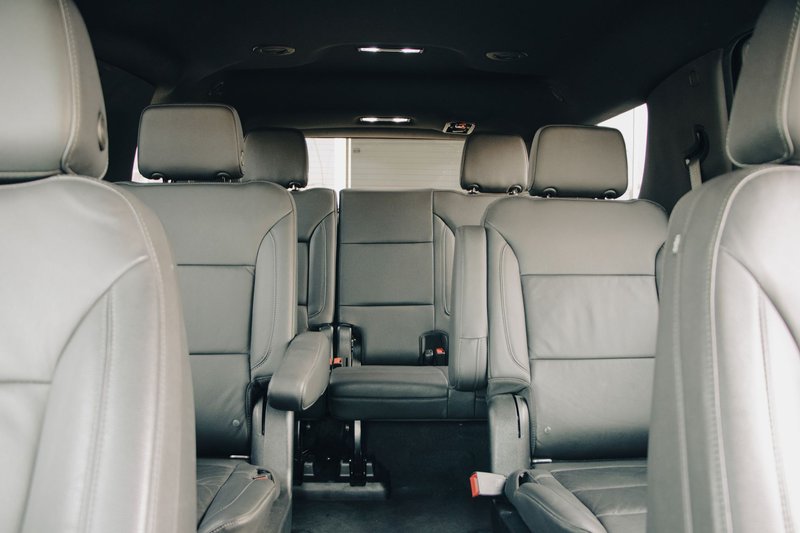
RX 300: the car that started the crossover era
Here’s the part every other roundup of the 1999 Lexus lineup skips past: the RX 300 wasn’t just another model that year. It was the first one, period — the first luxury crossover ever sold, arriving in Lexus showrooms in March 1998 as an early 1999 model.
The formula sounds obvious now because everyone copied it: take a sedan platform, raise the ride height, add available all-wheel drive, and market it as SUV-adjacent without the body-on-frame weight and truck-like driving manners. In 1998, nobody had done that at the luxury level. The RX 300 used unibody construction borrowed from a Toyota Camry-adjacent platform instead of a truck frame, which meant it drove like a tall sedan rather than a small LX 470 — a genuinely new experience for buyers who wanted SUV proportions without SUV compromises.
Power came from the same 220-horsepower 3.0-liter V6 doing duty elsewhere in the lineup, with front-wheel drive standard and all-wheel drive optional, starting at $35,125. Lexus sold around 42,000 of them in that first year alone — a number that looks modest until you realize the entire luxury crossover segment didn’t exist twelve months earlier. According to NHTSA’s vehicle records, the RX300 nameplate carries an open recall history worth checking before buying one used, which is true of most 25-plus-year-old vehicles but worth a five-minute VIN lookup regardless.
The RX went on to sell roughly 370,000 units across its five-year first generation, and every luxury crossover on the road today — from the Acura MDX to the Mercedes GLE — is downstream of the decision Lexus made for the 1999 model year. The best 2000s Lexus models and their legacy document how this foundation shaped the brand’s future.
SC 300 and SC 400
The SC coupes were Lexus’s styling flagship — long hood, short deck, pop-up-free clean lines from a platform that debuted back in 1991 and would run through 2000 largely unchanged. By 1999 the design was eight years old and it still didn’t look dated, which says something about how conservative Lexus design language ages.
The SC 300 used the same 225-horsepower inline-six as the GS 300, while the SC 400 carried the 290-horsepower V8 from the LS. Both were rear-wheel drive, both leaned toward grand-touring comfort over outright sportiness, and both were priced closer to the LS than to the ES — the SC 400 actually started at $55,700, making it the second most expensive Lexus you could buy that year, just behind the LX 470.
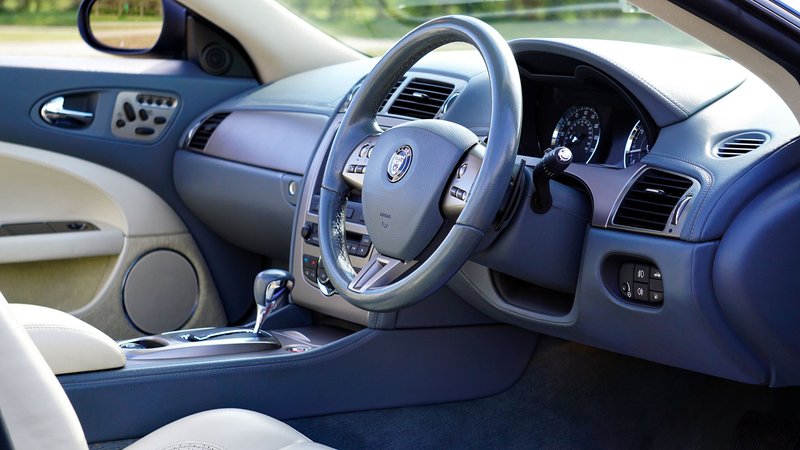
Buying a 1999 Lexus today
A 26-year-old Lexus is either a reliable used luxury car or a slow-motion repair bill, and which one you get depends entirely on maintenance history, not badge.
What holds up: the drivetrains. The 1UZ-FE V8 in the LS 400 and SC 400 has a reputation among mechanics as close to bulletproof when serviced on schedule — well-kept examples routinely cross 300,000 miles. The RX 300’s V6 and the GS’s inline-six are similarly durable.
What to budget for: at this age, rubber and electronics fail before engines do. Expect suspension bushings, timing belt service (these are interference engines — a snapped belt means a wrecked engine), and dashboard electronics that were cutting-edge in 1999 and are now finicky. Air suspension on the LS 400, if equipped, is a common failure point and not cheap to fix.
Rough current values: clean ES 300s and RX 300s trade in the $3,000–$7,000 range depending on mileage and condition. GS models sit similarly, with the GS 400’s V8 commanding a small premium among enthusiasts. LS 400s in excellent condition, especially low-mileage garage-kept examples, can push past $8,000 — there’s a real collector interest building around this generation. LX 470s hold value best of the group thanks to Land Cruiser demand; running examples rarely drop below $6,000 even with high mileage. SC coupes are the wildcard: rough ones go for cheap, but clean, low-mile SC 400s have started attracting collector attention as one of the last analog Lexus coupes.
Before buying any of them, run the VIN through NHTSA’s recall database — Takata airbag recalls touched several Lexus models from this era, and an unrepaired one is a real safety issue, not a formality.
None of these cars are appreciating fast. But for the price of a used economy hatchback, you can put a 300-horsepower Lexus V8 in your driveway — or the crossover that started a segment nobody knew they wanted until Lexus built it.

Daniela Voss
More from Daniela VossHow we reviewed this article
This article was researched against manufacturer records and editorially reviewed before publishing. We accept no payment for coverage. Some guides contain affiliate links; see our affiliate disclosure.