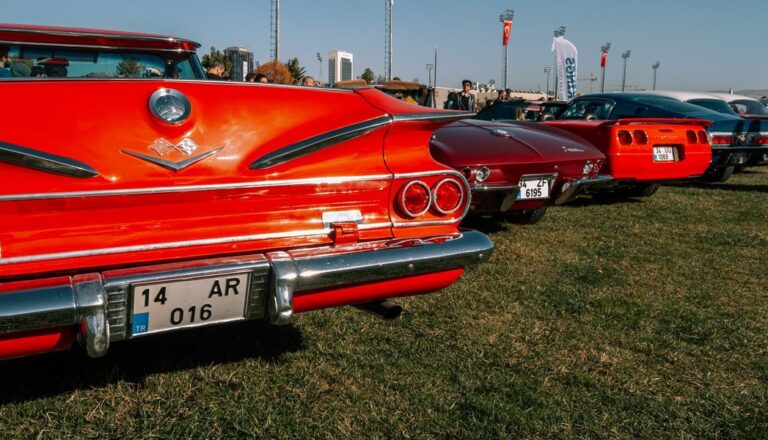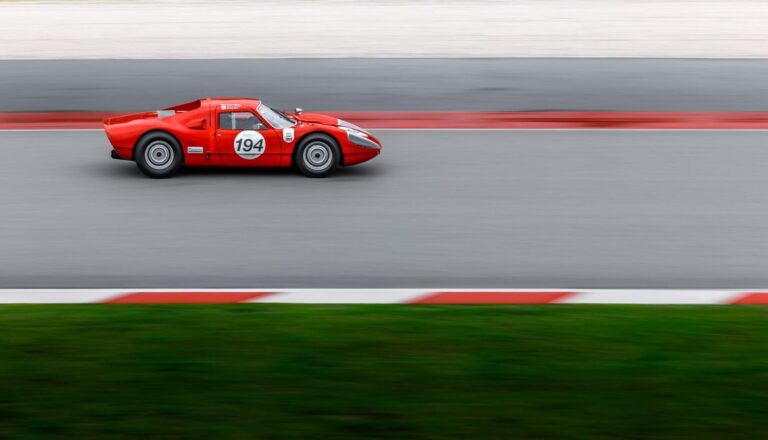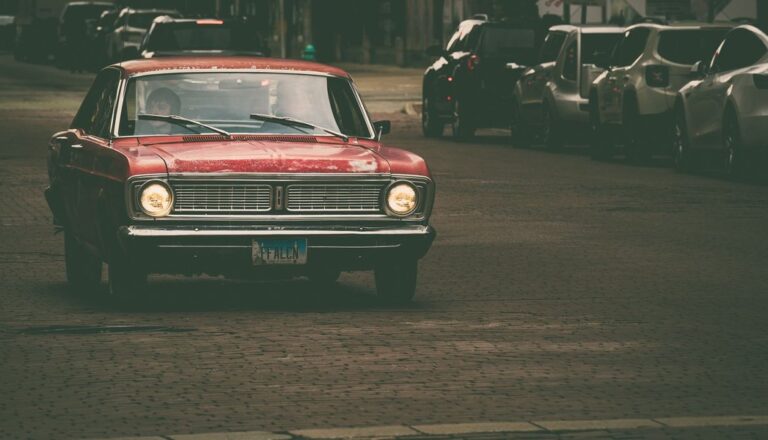
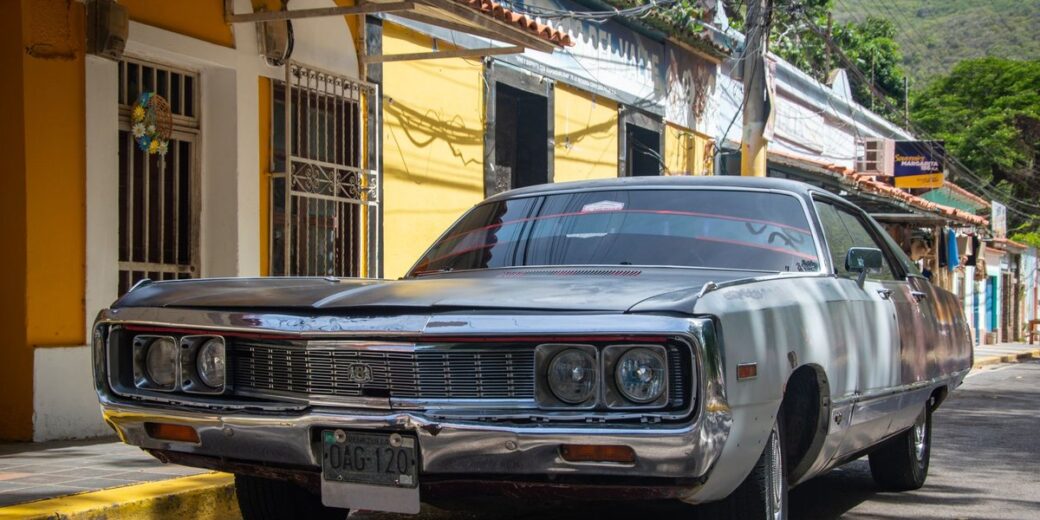
Oldsmobile built cars for 106 years and then, in 2004, GM just turned the lights off. No dramatic bankruptcy, no scandal — just a brand that stopped selling enough cars to justify its own showroom badge. That’s the strange part. This was the company that put America on wheels with a $650 runabout, invented the mass-market automatic transmission, and built one of the first true muscle cars. Then it spent three decades getting quietly absorbed into the rest of GM’s lineup until nobody could tell an Olds from a Buick at fifty feet.
Going through Oldsmobile’s old models in order is basically a tour of the American auto industry itself — every major shift shows up somewhere in this lineup, usually a few years before anyone else tried it. Here are 20 that matter, with what made them significant and what they’re fetching on the collector market now.
Table of Contents
- Curved Dash Runabout (1901–1907)
- Series 60/70 with Hydra-Matic (1940)
- Rocket 88 (1949)
- Fiesta Convertible (1953)
- F-85 (1961)
- Jetfire (1962–1963)
- 4-4-2 (1964)
- Toronado (1966)
- 442 with W-30 (1968)
- Vista Cruiser (1968–1972)
- Hurst/Olds (1969)
- 442 W-30 (1970)
- Cutlass Supreme (1970s)
- Delta 88 & Custom Cruiser (1971–1976)
- Hurst/Olds (1973)
- Hurst/Olds W-30 (1979)
- Cutlass Ciera (1982–1996)
- Cutlass Supreme Aerocoupe (1986–1987)
- Aurora (1995)
- Bravada Final 500 (2001–2004)
Why Oldsmobile’s Old Models Still Turn Heads
Before the list, worth saying: none of these cars are here because they were pretty. Some were, most weren’t. They’re here because each one either introduced something the rest of the industry copied or captured a moment when Oldsmobile actually knew what it was doing — which, by the brand’s final decade, had stopped being a given.
1. Curved Dash Runabout (1901–1907)
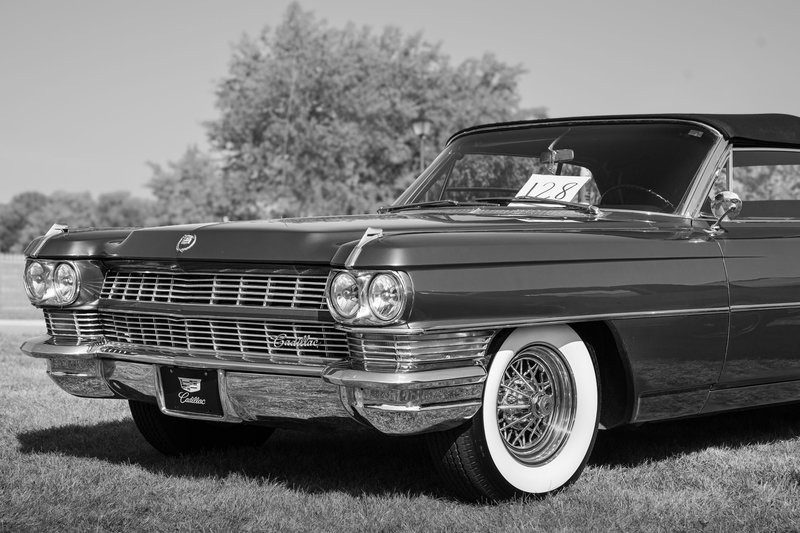
This is where Oldsmobile — and arguably the American car industry — starts. The Curved Dash was built on an assembly line with interchangeable parts before Ford made that famous, and it became the best-selling car in the world for seven straight years. A single-cylinder, 4.5-horsepower engine pushed the 700-pound buggy to about 20 mph, steered by a tiller instead of a wheel. Production started at 425 units in its first year and climbed past 19,000 total by 1907, which for 1901 America was an absurd number. The origin story has a fire in it, too: a factory blaze destroyed several prototype models in 1901, and workers only managed to drag one out — the Curved Dash. Everything Oldsmobile built for the next century traces back to that one surviving car, a detail the Henry Ford museum’s archive still treats as the actual founding moment of mass production, not just an Oldsmobile footnote. Restored, running examples now sell well into six figures at major collector auctions — there simply aren’t many left.
2. Series 60/70 with Hydra-Matic (1940)
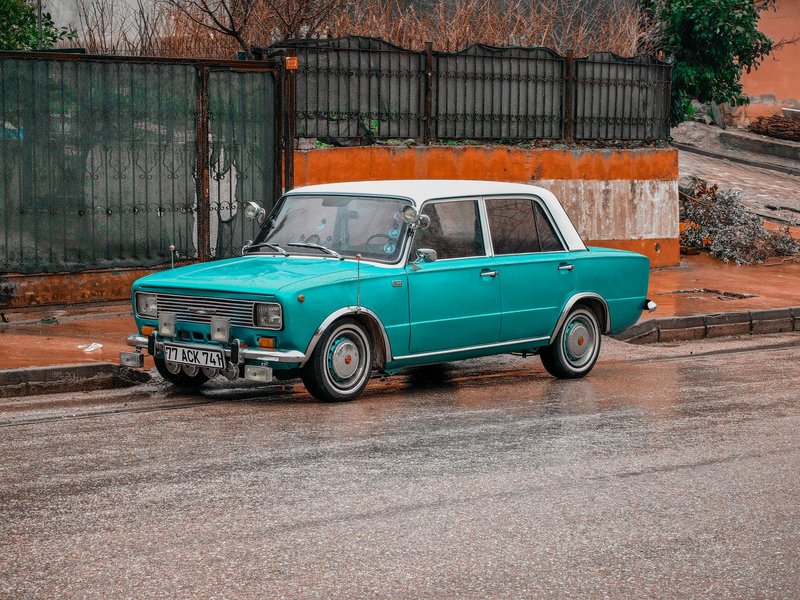
Every automatic-transmission car on the road today owes something to this one. Oldsmobile introduced Hydra-Matic Drive as a $57 option on its 1940 Series 60 and 70 sedans — a full year before Cadillac got it — making it the first mass-produced fully automatic transmission sold to the public. No clutch pedal, no manual shifting, just drive and go. It sounds unremarkable now because it worked so well that it became the default. Surviving 1940 Oldsmobiles with the original Hydra-Matic unit are a niche within a niche; values run modest compared to muscle-era Olds, typically $15,000–$30,000 for a well-kept sedan, with the mechanical novelty doing most of the appeal.
3. Rocket 88 (1949)
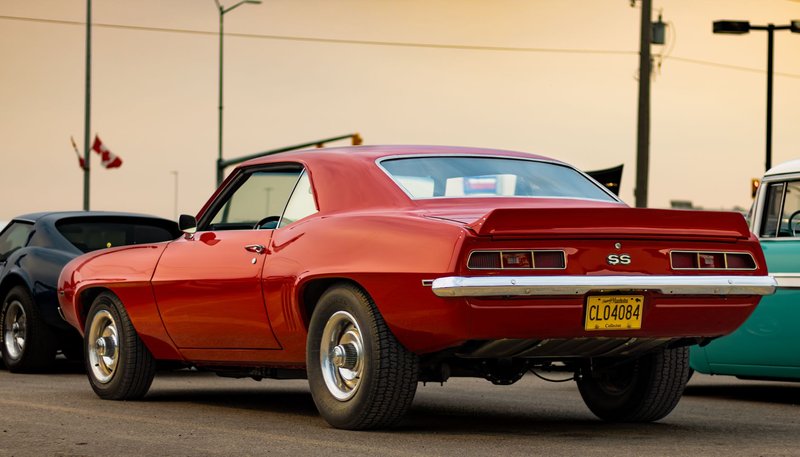
Drop a big, high-compression overhead-valve V8 into a lighter mid-size body and call it a day — that’s the formula every muscle car since has followed, and Oldsmobile wrote it first. The Rocket 88 paired its new 303-cubic-inch, 135-horsepower V8 (engineered by Charles Kettering) with the smaller 76-series body, and the combination was quick enough to dominate early NASCAR, winning six of nine races in 1949 and twenty of forty-one by 1952. Nobody called it a “muscle car” at the time — that term didn’t exist yet — but the formula is unmistakable in hindsight. Clean Rocket 88s trade for $20,000–$45,000 depending on condition and body style, with NASCAR-associated trim commanding a premium.
4. Fiesta Convertible (1953)
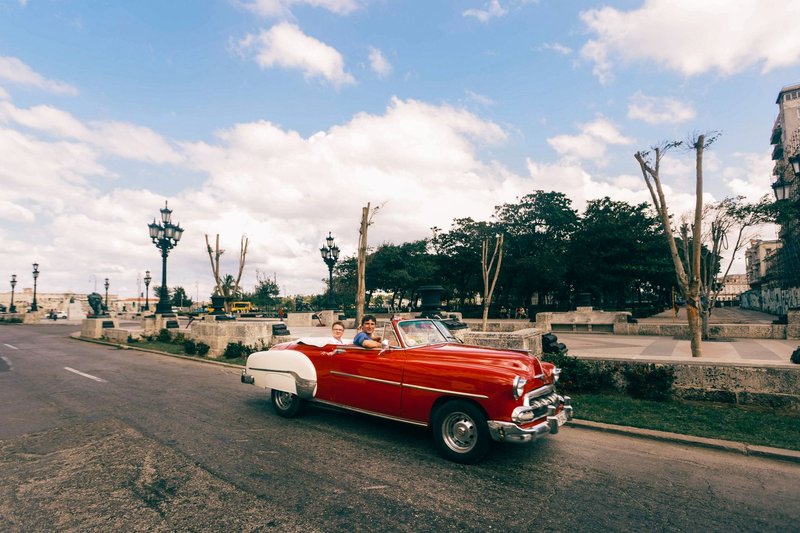
Oldsmobile’s limited-run showpiece for its 1953 golden anniversary, built to show off a new panoramic wraparound windshield years before it became a common styling cue. Fewer than 500 were made, all hand-finished with extra chrome and a distinctive spinner wheel design, and most buyers understood exactly what they were getting: a car meant to be seen, not driven hard. That scarcity is the whole story now — restored Fiestas routinely bring $50,000 to $90,000 at auction, well above what a standard ’53 Olds would ever fetch, purely because so few survive.
5. F-85 (1961)
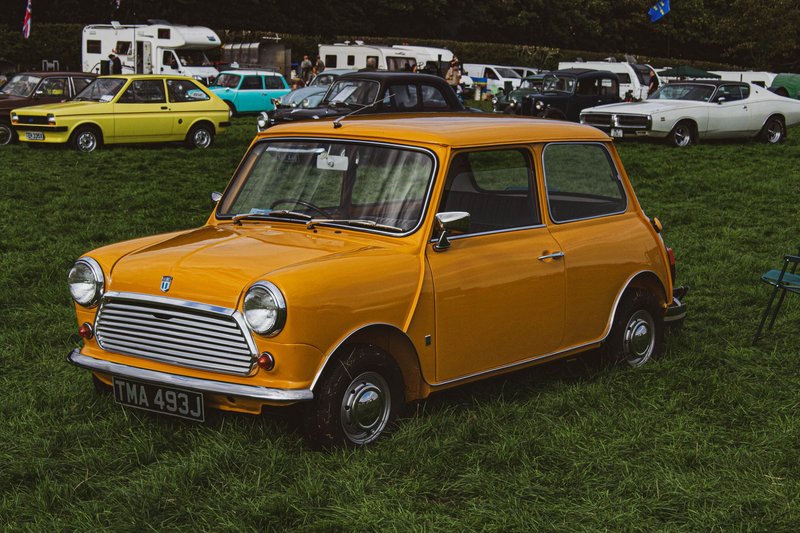
Oldsmobile’s answer to the early-’60s compact-car push, and the car that would eventually grow up into the Cutlass. The unibody F-85 packed a genuinely unusual engine for the era — a 215-cubic-inch aluminum V8, light enough to make the little car feel quicker than its size suggested. It’s a footnote next to the muscle-car Cutlasses that followed, but without the F-85’s platform there’s no 442, no Cutlass Supreme, none of it. Values stay reasonable, generally $10,000–$20,000 for a solid driver, since the compact body and modest engine never built the same fan base as its descendants.
6. Jetfire (1962–1963)
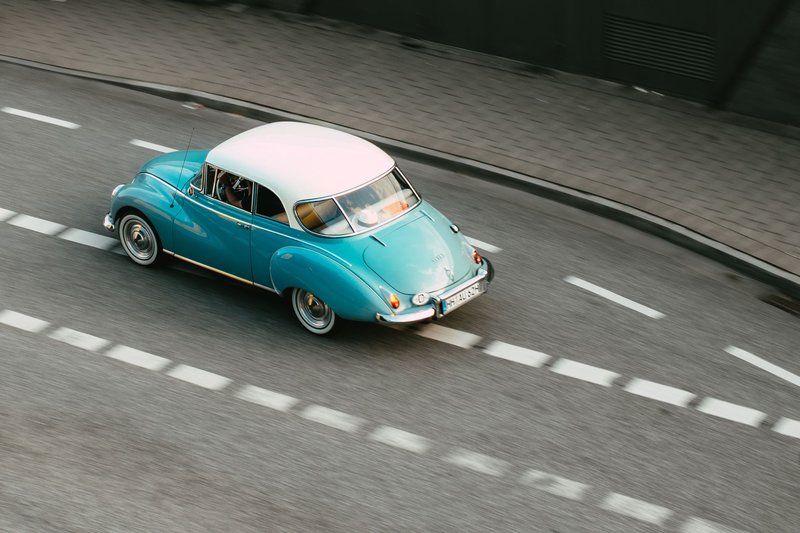
The first turbocharged production car in America, full stop — Oldsmobile beat every domestic and import manufacturer to forced induction by decades. The Jetfire’s Turbo-Rocket V8 used a turbocharger paired with a water-and-methanol injection system called “Turbo Rocket Fluid” to prevent detonation, squeezing 215 horsepower from a small aluminum V8. It was ambitious and it was finicky — drivers who forgot to refill the fluid reservoir could destroy the engine, and Oldsmobile eventually converted many back to naturally aspirated setups under warranty. Surviving, correct Jetfires are genuinely scarce as a result. Expect $15,000–$30,000, more for one with the original turbo hardware intact.
7. 4-4-2 (1964)
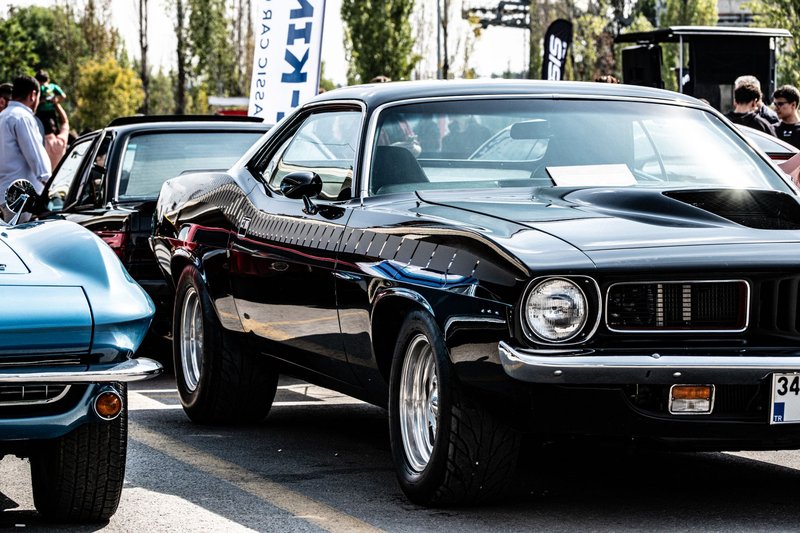
Born as a hasty answer to the Pontiac GTO, the 442 started life as an option package on the F-85 and Cutlass rather than its own model. The name described the spec sheet: four-barrel carburetor, four-speed manual, dual exhaust. It didn’t have the GTO’s marketing budget or name recognition at first, but the engineering — largely credited to Oldsmobile’s John Beltz — held up, and the badge would outlive most of its muscle-car rivals. A clean 1964 442-optioned Cutlass runs $25,000–$45,000 depending on how many of the original option boxes were checked.
8. Toronado (1966)
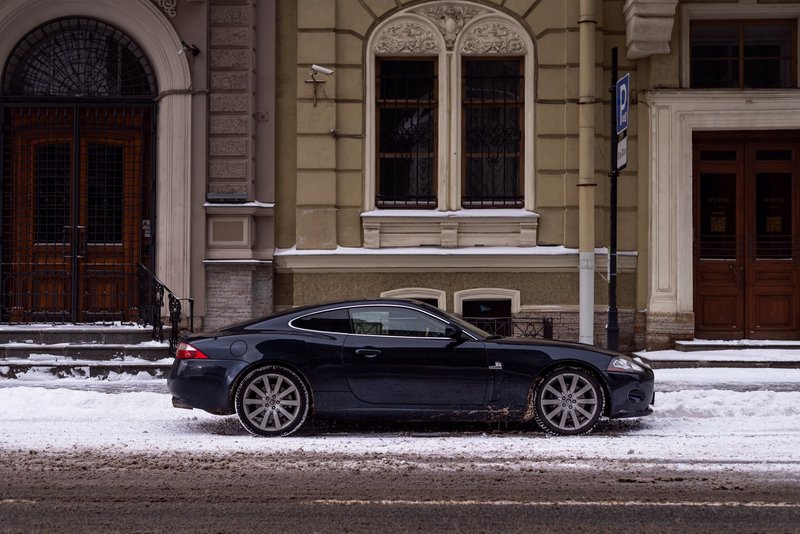
The first American front-wheel-drive car since the Cord folded in 1937, and a genuinely strange engineering flex for a “personal luxury” coupe. Oldsmobile’s Unitized Power Package crammed a 425-cubic-inch, 385-horsepower V8 and transmission into an engine bay sized for a normal rear-drive layout, driving the front wheels through a silent chain-drive system nobody else was using. At 4,500 pounds it wasn’t light, but it hit 60 mph in about 7.5 seconds — quick for a car that size in 1966 — and Firestone had to design an entirely new tire just to handle the front-drive loads. Values run $25,000–$40,000 for clean examples, with exceptional survivors pushing past $50,000.
9. 442 with W-30 (1968)
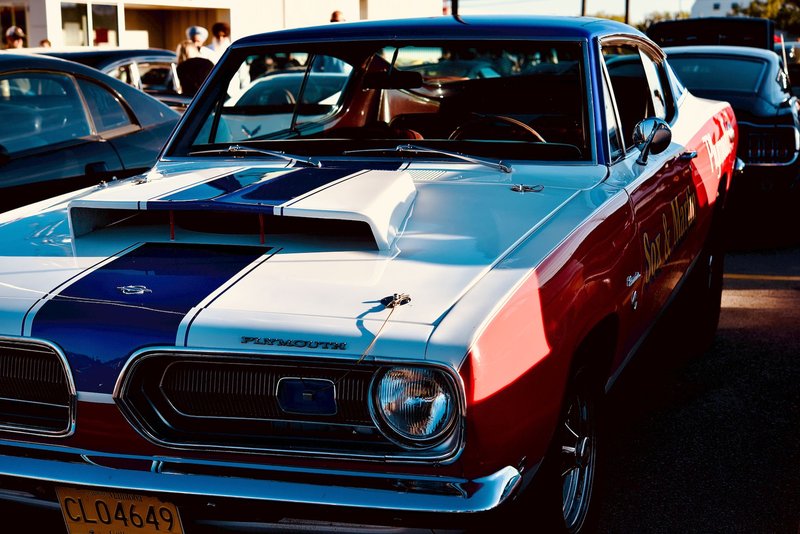
The year the 442 stopped being an option box and became its own model, riding on the redesigned A-body’s long-hood, short-deck proportions. The W-30 package that arrived this year added cold-air induction through fiberglass hood scoops and a more aggressive cam — the beginning of the W-30 becoming shorthand for “the 442 that actually meant it.” This is the platform every later 442 gets measured against. Good W-30-equipped ’68s land in the $35,000–$55,000 range.
10. Vista Cruiser (1968–1972)
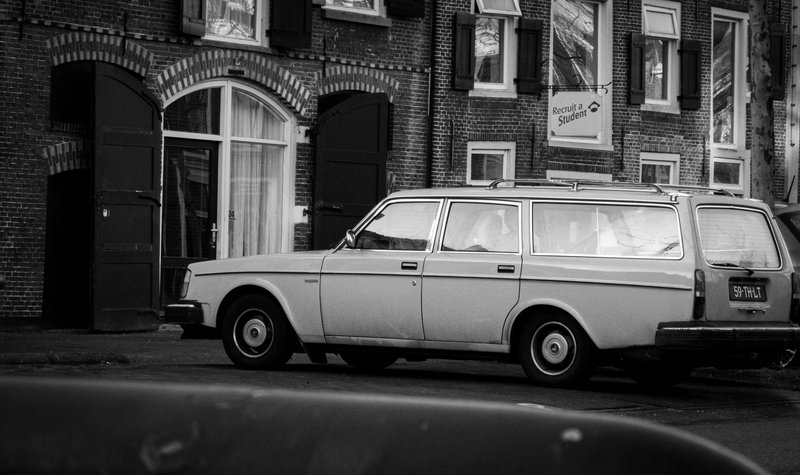
A station wagon with a raised, glass-paneled roof over the second row, which sounds like a gimmick until you realize it was Oldsmobile’s answer to “how do you make a family wagon feel special.” Engines paralleled the intermediate Cutlass line, and Oldsmobile even built a small handful with the 442’s high-output 400-cubic-inch V8 in 1968–69 — a genuine sleeper wagon that could embarrass a lot of coupes at a stoplight. Most Vista Cruisers are budget classics today, $10,000–$25,000, but the rare 442-optioned or Hurst-associated wagons can multiply that.
11. Hurst/Olds (1969)
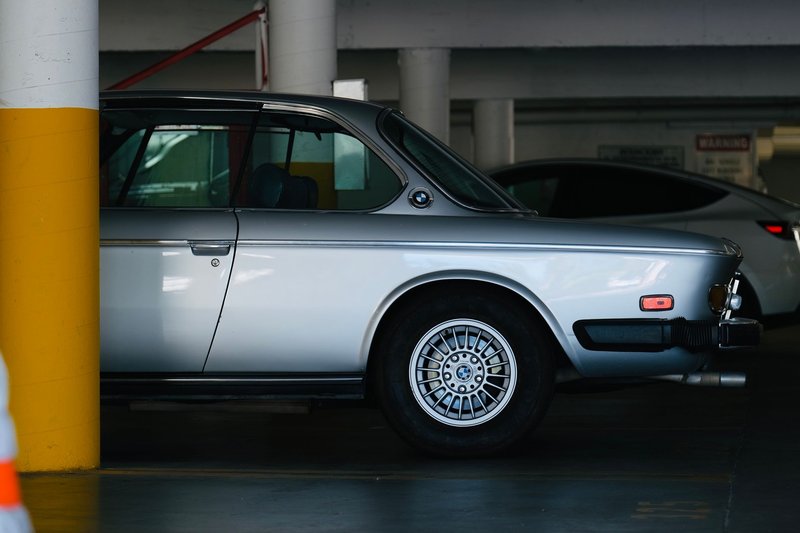
A collaboration between Oldsmobile and the Hurst shifter company, built specifically to skirt GM’s internal rule capping mid-size engine displacement at 400 cubic inches — a limit that didn’t apply to “special” dealer-order builds. The result was a 442 with a 455-cubic-inch big-block that the standard car legally couldn’t have, finished in a distinctive Cameo White and Firefrost Gold paint scheme that made it instantly recognizable at the drag strip. It’s the car that exists because of a loophole, which is a very muscle-car-era way to build something great. Values sit around $40,000–$80,000 depending on documentation.
12. 442 W-30 (1970)
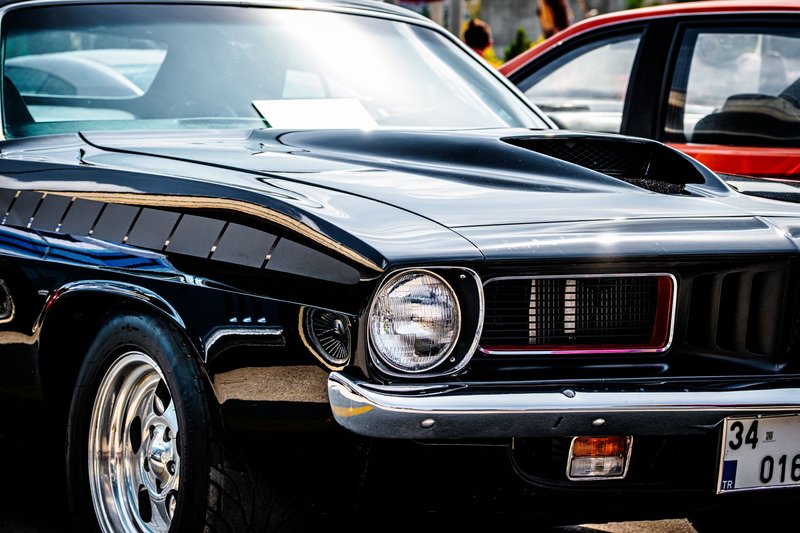
The high point of the original muscle-car 442, and the one every subsequent W-30 gets compared to. Oldsmobile built roughly 3,100 W-30s for 1970, most as hardtops, with the 455 Rocket V8 rated at 365 horsepower and 500 lb-ft of torque — good for 0–60 in about 5.5 seconds and a 13.7-second quarter mile, genuinely quick numbers for a car this size in any era. Only 264 were built as convertibles, and that rarity shows up hard in the numbers: median auction prices for W-30 hardtops run around $39,600, with better-condition cars near $44,600, while the convertible routinely clears $150,000. Hagerty’s own tracking has these up roughly 19% over the past five years, and the trend line is still climbing.
13. Cutlass Supreme (1970s)
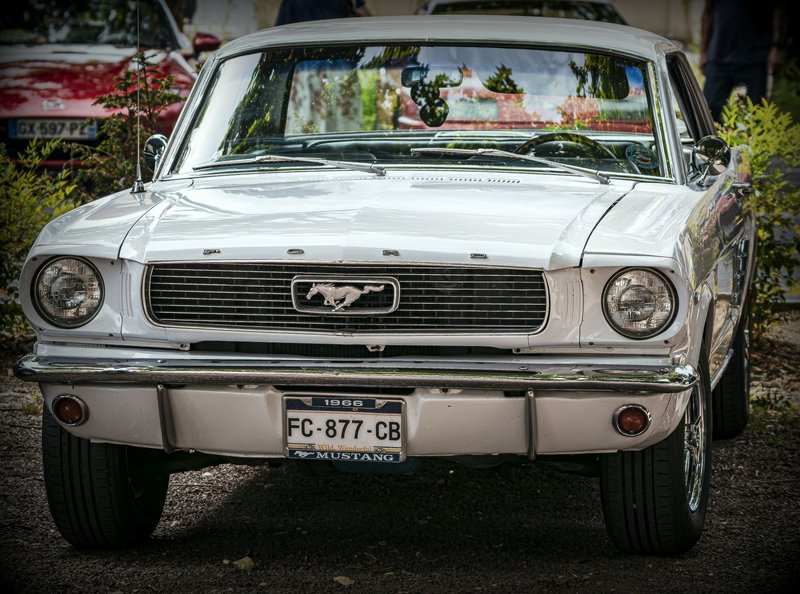
Forget muscle car halo cars for a second — this is the Oldsmobile that actually paid the bills. The Cutlass Supreme became the best-selling nameplate in America through the mid-to-late ’70s, with Oldsmobile moving 1.1 million cars in 1977 alone, roughly 675,000 of them some version of Cutlass. It wasn’t fast or flashy by that point; it was a comfortable, well-built mid-size coupe that showed up in driveways everywhere. That ubiquity keeps prices low now — $8,000–$20,000 for a clean survivor — but it’s arguably the more historically important car than the 442, purely on volume.
14. Delta 88 & Custom Cruiser (1971–1976)
Oldsmobile’s full-size B-body lineup, built for buyers who wanted the Rocket V8 experience without the two-door muscle-car theatrics. An optional 455 with the W-33 package pushed 390 horsepower in the Delta 88 and Ninety-Eight, and the Custom Cruiser wagon — the first full-size Olds wagon since 1964 — rode a stretched 127-inch wheelbase. These are underrated as period pieces: comfortable, genuinely quick in W-33 trim, and still affordable at $10,000–$20,000 for good examples.
15. Hurst/Olds (1973)
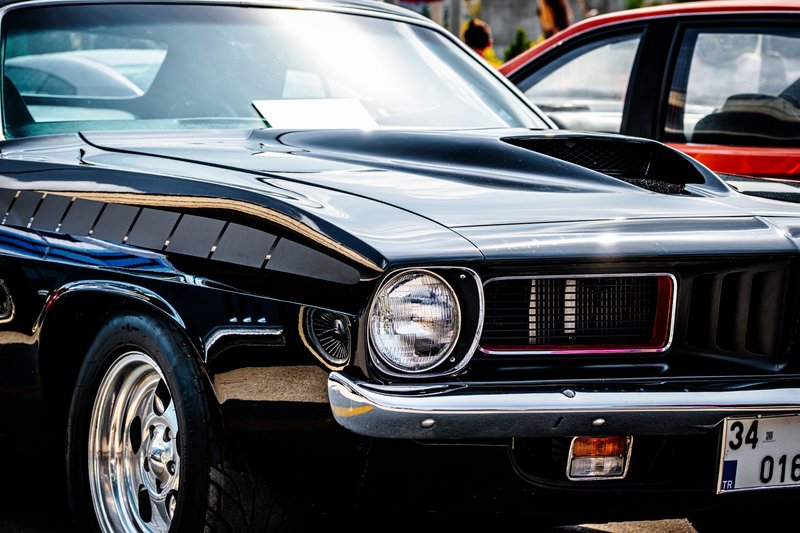
A second act for the Hurst/Olds partnership, arriving just as the muscle-car era was running into new federal emissions rules. This version paired the 455 big-block with the Colonnade-era Cutlass body and Hurst’s dual-gate shifter, keeping the performance story alive even as horsepower ratings across the industry started sliding under new smog equipment. Values run $30,000–$50,000, generally trailing the more famous 1969 car.
16. Hurst/Olds W-30 (1979)
The last gasp of the big-block Oldsmobile, and arguably more historically interesting than it gets credit for. The 1970 Clean Air Act amendments had forced a 90% cut in new-car emissions by 1975, and by the back half of the decade, big-displacement V8s across the entire industry were getting strangled by lean carburetion and retarded ignition timing just to meet the standard — GM’s own big-block lineup was functionally extinct everywhere except this one limited-run Cutlass. The 1979 Hurst/Olds W-30 squeezed a 455 into a shrinking window before GM killed the engine entirely, making it the final big-block Oldsmobile built for the street. Expect $20,000–$35,000, with unmolested originals at the top of that range.
17. Cutlass Ciera (1982–1996)
Not glamorous, but genuinely significant: the front-wheel-drive Ciera helped Oldsmobile become America’s best-selling car brand again in the mid-1980s, on the strength of being unremarkable in exactly the ways American buyers wanted after the gas-crunch years — efficient, roomy, cheap to fix. It’s the anti-442, and it outsold every muscle-era Olds combined over its production run. Collector interest is close to zero; expect $3,000–$8,000 for a clean one, mostly bought by people who owned one new and want it back.
18. Cutlass Supreme Aerocoupe (1986–1987)
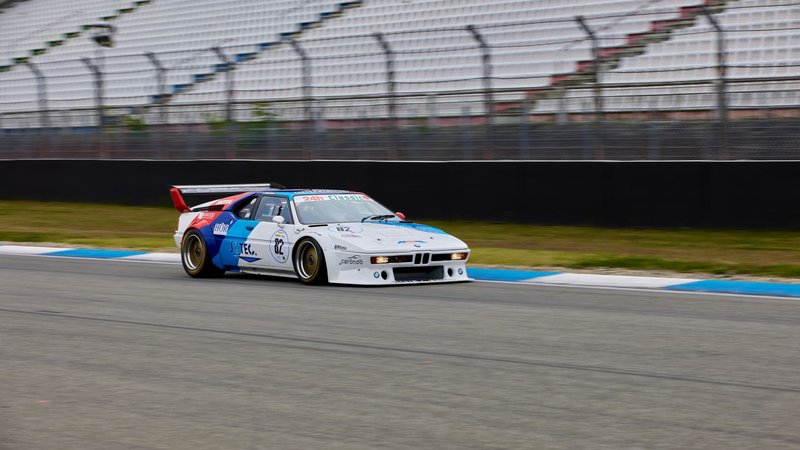
A NASCAR homologation special, built purely because the boxy notchback Cutlass Supreme was getting punished aerodynamically on superspeedways. Oldsmobile fitted a sloped, near-fastback rear window and shortened deck to cut drag, sold in tiny numbers to street buyers so the shape would qualify for racing — about 6,000 units in 1986 and roughly 2,900 in 1987. It’s a street car built entirely to satisfy a rulebook, which makes it one of the odder entries on this list. Values run $15,000–$25,000, with the rarer 1987 cars at a premium.
19. Aurora (1995)
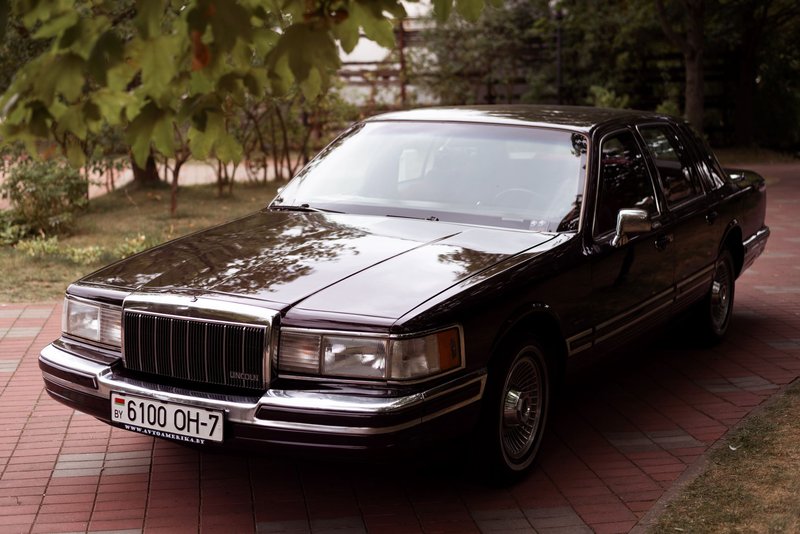
Oldsmobile’s attempt to reinvent itself as an upscale, import-fighting brand, and honestly a more competent car than the brand’s reputation by that point suggested. The Aurora came standard with a 4.0-liter DOHC V8 derived from Cadillac’s Northstar, plus dual-zone climate control, traction control, and burl walnut trim that felt genuinely upscale rather than pasted-on. It sold nearly 46,000 units in its debut year, and by 2003 — its last — it was one of the few V8-only sedans still on the American market. It’s arguably the most overlooked car on this list: quick, well-built, and still cheap. $5,000–$12,000 buys a good one.
20. Bravada Final 500 (2001–2004)
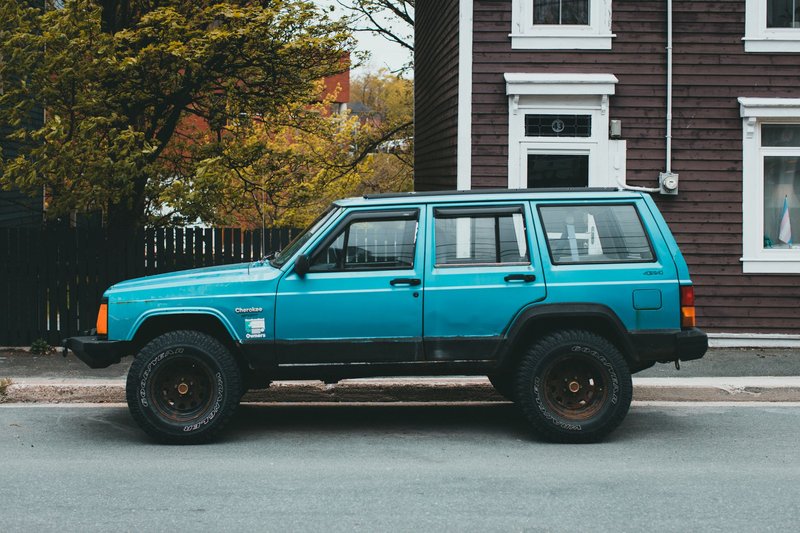
The very last new Oldsmobile, full stop. As GM wound the brand down after its 2000 discontinuation announcement, the last 500 Bravadas built — badge-engineered cousins of the Chevy TrailBlazer and GMC Envoy — got a send-off package: dark cherry metallic paint, unique chrome wheels, custom embroidered seats, and a numbered dash medallion tracking each SUV’s place in the run. Bravada No. 500 rolled off the line in January 2004, and the brand’s final car, an Alero, followed that April, closing out 106 years of Oldsmobile production. The Final 500 Bravadas are a genuine footnote-collectible now — modest money at $5,000–$10,000, but harder to find in good shape every year.
Cutlass vs. 442 vs. Toronado: What’s the Actual Difference
These three names get thrown around interchangeably by people who don’t collect Oldsmobiles, and it causes real confusion when shopping listings. Quick reference:
| Model | What it actually is | Drivetrain | Typical 2026 value range |
|---|---|---|---|
| Cutlass | Oldsmobile’s core mid-size nameplate, spanning economy trims to performance coupes | Rear-wheel drive (early), front-wheel drive (1982+) | $3,000–$25,000 depending on year/trim |
| 442 | A performance option/model built on the Cutlass platform | Rear-wheel drive, big-block optional | $25,000–$150,000+ depending on year and rarity |
| Toronado | A standalone personal-luxury coupe, not Cutlass-based | Front-wheel drive | $20,000–$50,000+ |
In short: every 442 is a Cutlass underneath, but not every Cutlass is a 442. The Toronado shares none of that platform — it’s Oldsmobile’s separate front-drive flagship experiment.
FAQ
Why did Oldsmobile go out of business? Declining sales and a blurred brand identity did most of the damage. By the late ’70s and ’80s, Oldsmobiles increasingly shared sheet metal and even engines with other GM divisions — a 1977 lawsuit over Chevy engines showing up in Oldsmobiles unannounced didn’t help — and buyers stopped seeing a reason to choose Olds over Buick, Pontiac, or an import. GM announced the brand’s wind-down in 2000, and the last Oldsmobile, an Alero, was built on April 29, 2004.
What’s the rarest Oldsmobile model? Depends on how you’re counting. Among mainstream collector cars, the 1970 442 W-30 convertible (only 264 built) is the standout, regularly clearing $150,000. Among pre-war cars, restored Curved Dash Runabouts are scarcer in absolute terms but occupy a different, museum-adjacent market. The 1953 Fiesta convertible, with well under 500 built, is the rarest post-war car most collectors could realistically pursue.
Which classic Oldsmobile holds its value best? Big-block 442s and Hurst/Olds cars have shown the most consistent upward movement — the W-30 line specifically is up roughly 19% over the past five years per Hagerty’s tracking. Everyday nameplates like the Cutlass Ciera and Delta 88 have stayed flat, which makes them cheap entry points but not investments.
Is buying a classic Oldsmobile a good idea in 2026? If you want to drive it, yes — parts support is decent for the popular models (Cutlass, 442, Toronado) thanks to a large enthusiast network, and prices for non-442 models are still reasonable. If you’re buying purely to flip, stick to documented W-30s and Hurst/Olds cars with clean paperwork; everything else in the lineup is a slow mover.
Oldsmobile’s old models don’t get the constant spotlight that Chevelles and Mustangs do, and that’s exactly the opening for anyone shopping the collector market right now. The engineering firsts are real — first mass automatic, first turbo, first modern American front-wheel drive — and the prices, outside the marquee 442s, haven’t caught up to that résumé yet.

Marco Delantero
More from Marco DelanteroHow we reviewed this article
This article was researched against manufacturer records and editorially reviewed before publishing. We accept no payment for coverage. Some guides contain affiliate links; see our affiliate disclosure.