Table of Contents
- Why 1943 Ford Civilian Cars Are Almost Impossible to Find
- What Ford Built Instead: The Military Production Line
- Ford GPW Jeep
- Ford GPA — The Amphibian
- Ford-Built Military Trucks
- What About Civilian 1943 Ford Cars?
- Collector Market: What 1943 Fords Are Worth Today
- What to Look for If You’re Buying
Most model years have a story about styling changes, new engine options, or a sales rivalry with Chevrolet. The 1943 Ford story is different. It’s about a factory that stopped making cars entirely and started making the tools of a world war — and what a handful of surviving vehicles from that year are actually worth today.
Why 1943 Ford Civilian Cars Are Almost Impossible to Find
On February 9, 1942, the U.S. War Production Board ordered American automakers to halt civilian vehicle production and convert their factories to military manufacturing. Ford’s last civilian cars rolled off the assembly line in early February 1942.
That means there were no new 1943 Ford passenger cars built for the American public. Zero. The 1942 model year was already cut short — which is why surviving ’42 Fords are rare — and the 1943 model year simply never happened in any civilian sense.
Any car you see listed as a “1943 Ford” in the collector market is almost certainly a late 1942 model with a flexible interpretation of the date, a misregistered vehicle, or the very small number of cars that were built for essential wartime personnel (police departments, some government agencies) under strict allocation rules. These government-spec vehicles were almost entirely stripped of chrome and luxury features — Ford even painted bumpers body-color to conserve metal. Finding one with its original configuration intact is genuinely unusual.
What Ford Built Instead: The Military Production Line
While Ford wasn’t building Deluxe coupes or station wagons, the River Rouge complex and other plants were running at full capacity. Ford produced an estimated 277,896 military vehicles during WWII, along with aircraft engines, tanks, and gliders. The 1943 production year, at the height of this conversion, represents some of Ford’s most historically significant output.
Ford GPW Jeep
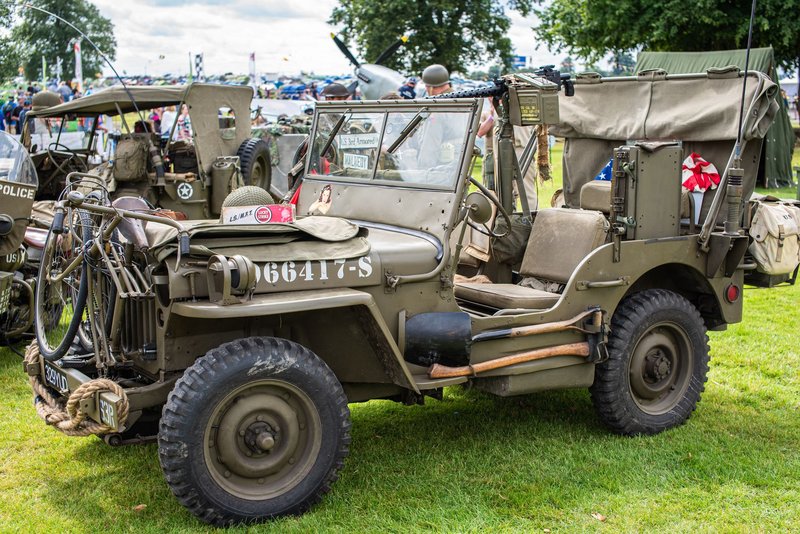
The Ford GPW is the vehicle that defines 1943 Ford production. Ford built the jeep under license from Willys-Overland — “GPW” stands for Government, 80-inch wheelbase, Willys design. The “F” stamped into every GPW component was Ford’s way of marking its own parts, and it’s the key thing collectors check when authenticating a GPW today.
Ford produced roughly 277,896 GPWs total across the war years, with 1943 being one of the heaviest production years. The specs were standardized with Willys: a 2.2-liter Go Devil four-cylinder engine, three-speed manual transmission, 80-inch wheelbase, and a 1,040 lb payload rating. Top speed was around 65 mph — respectable for a purpose-built utility vehicle in 1943.
What makes the GPW interesting to collectors isn’t just its military history. The Ford parts are slightly different from Willys MA/MB components in small ways — different stampings, some variations in the grille and hood — which means a “correct” Ford GPW commands a premium over a mixed-parts restoration. An all-Ford-marked GPW is worth more than one that’s been repaired with Willys components over the decades.
Ford GPA — The Amphibian
The Ford GPA is probably the most unusual thing Ford built in 1943. Known as the “Seep” (a contraction of “sea jeep”), it was a GPW stretched, deepened, and fitted with a sealed hull to make it amphibious. Ford produced about 12,778 GPAs total, making it far rarer than the standard jeep.
The GPA weighed considerably more than the GPW — roughly 2,700 lbs unloaded — and its water performance was mediocre enough that it was largely phased out of front-line use by 1944. The Army found it too heavy for effective off-road use and not seaworthy enough for serious water crossings. It saw more effective service in Soviet hands through the Lend-Lease program, which is why many surviving GPAs have Russian-language stenciling or markings from Soviet-era restoration.
For collectors, the GPA’s rarity makes it a serious find. A running, restorable example will sell at auction for significantly more than a comparable GPW.
Ford-Built Military Trucks
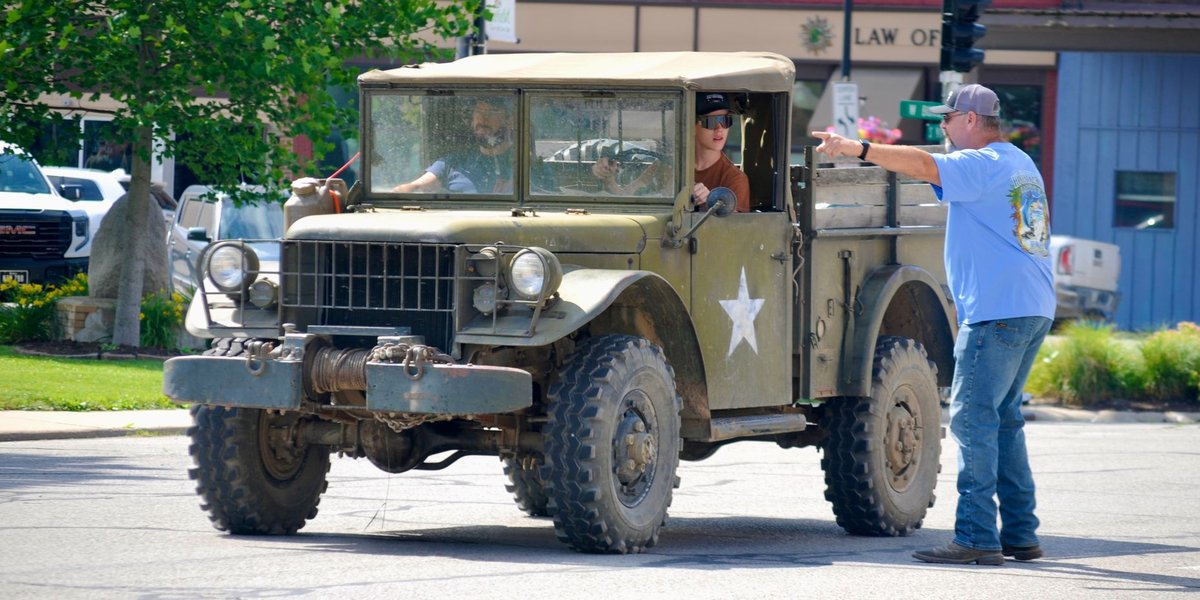
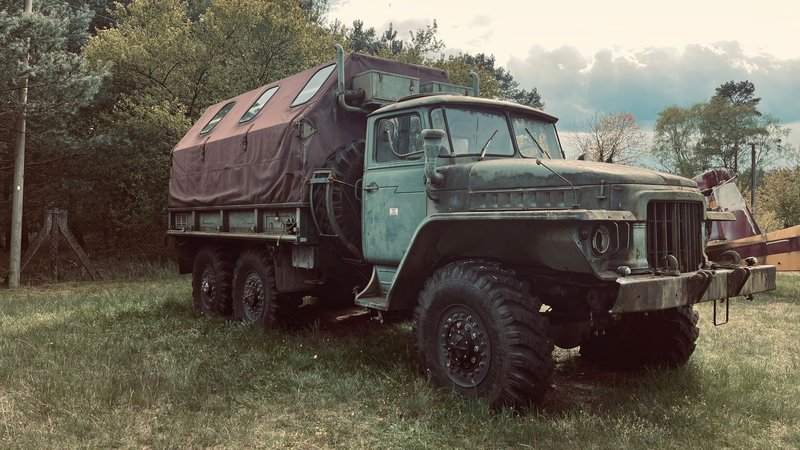
Ford’s 1943 production also included substantial numbers of 1.5-ton 6×6 military trucks (the GTB) and various other utility vehicles. These are far less visible in today’s collector market than jeeps, but they’re historically significant and a few dedicated military vehicle collectors pursue them.
What About Civilian 1943 Ford Cars?
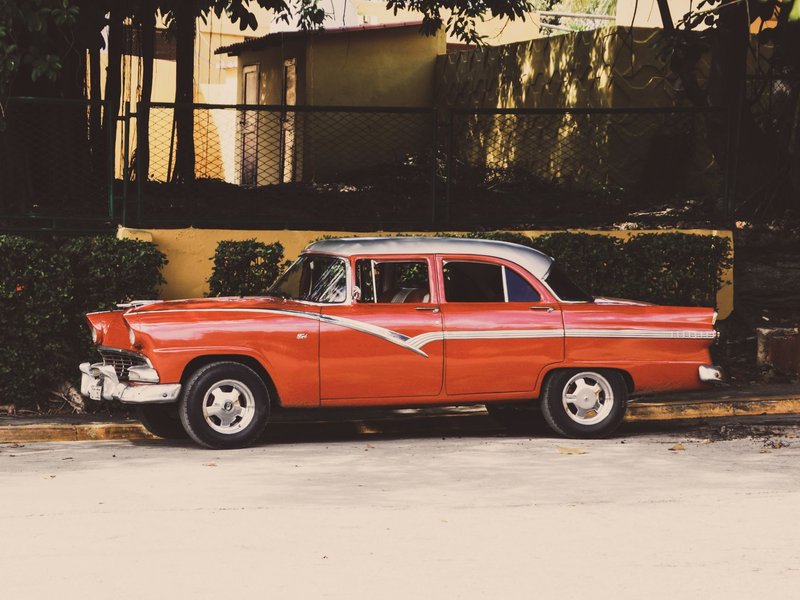
The models that would have become 1943 Fords were essentially frozen versions of the 1942 lineup: the Ford DeLuxe and the Ford Super Deluxe, both available in several body styles (Tudor sedan, Fordor sedan, convertible, station wagon). The 1942 models had a flathead V8 as the standard engine — the 221 cu in version producing 90 hp — along with a 226 cu in inline-six for buyers who wanted the cheaper option.
These 1942 models are what most “1943 Ford” searches really turn up. If you find a listing that claims to be a genuine factory-built 1943 civilian Ford, verify the title history carefully. The documentation trail matters here — if it doesn’t have pre-war registration records or solid provenance, the year designation is likely a paperwork artifact, not a factory distinction.
Collector Market: What 1943 Fords Are Worth Today
Ford GPW (Jeep): A complete, running GPW in fair-to-good condition typically trades between $12,000 and $22,000. A fully restored, matching-numbers GPW with correct Ford-marked components can push past $35,000 at a well-attended military vehicle auction. Originality premium is real — a barn-find GPW with a solid frame and original drivetrain is more desirable to serious collectors than a cosmetically perfect one with mixed parts.
Ford GPA (Amphibian): Rarity pushes prices considerably higher. Expect $25,000–$50,000 for a restorable example, and six-figure territory for a running, correct GPA. These rarely come to market, and when they do, provenance documentation significantly affects the final price.
1942 Ford DeLuxe / Super Deluxe (often titled as 1943): A presentable, driver-quality ’42 Ford will sell in the $14,000–$25,000 range depending on body style and condition. Station wagons and convertibles command premiums — a ’42 Ford Super Deluxe convertible in show condition can reach $45,000–$60,000. The flathead V8-equipped cars are more desirable than the six-cylinder versions.
What to Look for If You’re Buying
For GPW jeeps: Check every major component for the “F” script stamp. Ford marked its own parts to distinguish them from Willys components — axle housings, the hood, the steering box, even the gas can brackets. A jeep sold as an “all-Ford” GPW that has a mix of Ford and Willys stampings isn’t necessarily a bad buy, but it won’t command the same price from knowledgeable buyers.
For GPAs: Get an expert involved before purchasing. The GPA market is thin enough that most general classic car appraisers don’t have a solid frame of reference. Contact the Military Vehicle Preservation Association for a referral to someone who actually knows the type.
For civilian-era 1942 Fords: The flathead V8 is a simple, well-understood engine with a large aftermarket support network. The cars are body-on-frame construction, so rust assessment is straightforward — check the frame rails, the floor pans, and the rear crossmember. Reproduction sheet metal is available for most common rust areas, which keeps restoration costs manageable compared to more obscure prewar models.
The 1943 model year will never give you an ordinary collector car purchase. What it offers instead is a direct connection to one of the most dramatic industrial mobilizations in American history — a year when the entire output of one of the world’s largest automakers was pointed at a single purpose. That’s not a gap in the catalog. That’s the story.

Marco Delantero
More from Marco DelanteroHow we reviewed this article
This article was researched against manufacturer records and editorially reviewed before publishing. We accept no payment for coverage.