The 1960s is the decade that broke the speedometer. Two things collided: American manufacturers stuffed ever-bigger V8s into mid-size bodies, and a handful of European builders figured out how to make a road car that could touch 170 mph. The result was the closest thing the road has ever seen to an open arms race.
But “fastest” hides a fight that most lists pretend doesn’t exist. A Shelby Cobra 427 will leave a Lamborghini Miura for dead off the line and lose to it badly at 150 mph. So this ranking does what the others won’t: the main list is ordered by 0-60 mph acceleration, and then there’s a separate section for the top-speed kings, because they’re not the same cars.
A note on the numbers before the pitchforks come out. Period road tests were wildly inconsistent — different gearing, different drivers, optimistic factory claims, and a few outright lies (more on the horsepower fibbing below). The figures here lean on the most-cited contemporary tests and modern verification from Zero to 60 Times, with the understanding that a tenth or two of variance is normal for hand-built cars from sixty years ago.
Table of Contents
- The Quick Verdict
- Specs Comparison Table
- The Acceleration Ranking
- Fastest by Top Speed (A Different List)
- Fast Classics Nobody Talks About
- Muscle Car vs Production Car vs Race Car
- The Horsepower Lie
The Quick Verdict
If you just want the bottom line:
- Fastest off the line: the 1965 Shelby Cobra 427, around 4.0 seconds to 60 — a number that wouldn’t embarrass a modern sports car.
- Fastest top speed: the Lamborghini Miura P400, the first production car widely credited with breaking 170 mph.
- Fastest American muscle: the 1967 Corvette L88 and the 1969 Camaro ZL1, both built around aluminum 427s the factory deliberately under-rated.
- The sleeper pick: the Iso Grifo 7 Litri — a Bertone-bodied Italian GT with a Corvette engine that almost nobody remembers.
Now the full breakdown.
Specs Comparison Table
Ordered by 0-60 time, quickest first. Engine size in liters, horsepower as advertised (see the horsepower section for why several of these are fiction).
| Car | Year | 0-60 (s) | Top Speed (mph) | Engine | HP (claimed) |
|---|---|---|---|---|---|
| Shelby Cobra 427 | 1965 | ~4.0 | ~165 | 7.0L V8 | 425 |
| Chevrolet Corvette L88 | 1967 | ~4.8 | ~170 | 7.0L V8 | 430 |
| Chevrolet Camaro ZL1 | 1969 | ~5.3 | ~140 | 7.0L V8 | 430 |
| Plymouth Road Runner 426 Hemi | 1968 | ~5.3 | ~142 | 7.0L V8 | 425 |
| Dodge Charger Daytona Hemi | 1969 | ~5.5 | ~150 | 7.0L V8 | 425 |
| Iso Grifo 7 Litri | 1968 | ~6.2 | ~170 | 7.0L V8 | 390 |
| Ferrari 275 GTB/4 | 1966 | ~6.3 | ~165 | 3.3L V12 | 300 |
| Pontiac GTO 389 Tri-Power | 1964 | ~6.4 | ~120 | 6.4L V8 | 348 |
| Ferrari 250 GTO | 1962 | ~6.1 | ~158 | 3.0L V12 | 300 |
| Lamborghini Miura P400 | 1966 | ~6.7 | ~171 | 3.9L V12 | 350 |
| Maserati Ghibli | 1967 | ~6.8 | ~154 | 4.7L V8 | 330 |
| Jaguar E-Type 3.8 | 1961 | ~6.9 | ~150 | 3.8L I6 | 265 |
| Aston Martin DB5 | 1963 | ~7.1 | ~145 | 4.0L I6 | 282 |
| Studebaker Avanti R2 | 1963 | ~7.3 | ~125 | 4.7L V8 | 289 |
The Acceleration Ranking
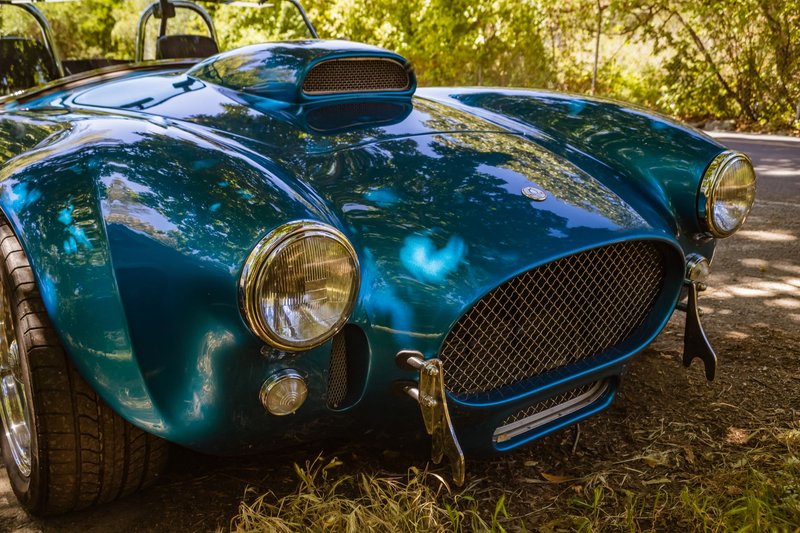
1. Shelby Cobra 427 (1965) — ~4.0s
Carroll Shelby’s idea was stupid in the best way: take a featherweight British AC roadster and drop in Ford’s 427 big-block. The street version made a claimed 425 hp; the curb weight was barely 2,500 pounds. The math is brutal. Contemporary tests clocked it under four and a half seconds to 60, and the competition-spec cars famously ran 0-100-0 in under fourteen seconds — a stunt no other road car of the era could touch.
It is also genuinely frightening to drive fast. There’s no aerodynamic help, the chassis is a 1950s design, and 425 hp arrives all at once. People who own them talk about the Cobra the way climbers talk about a mountain that’s killed people. That’s the point.
2. Chevrolet Corvette L88 (1967) — ~4.8s
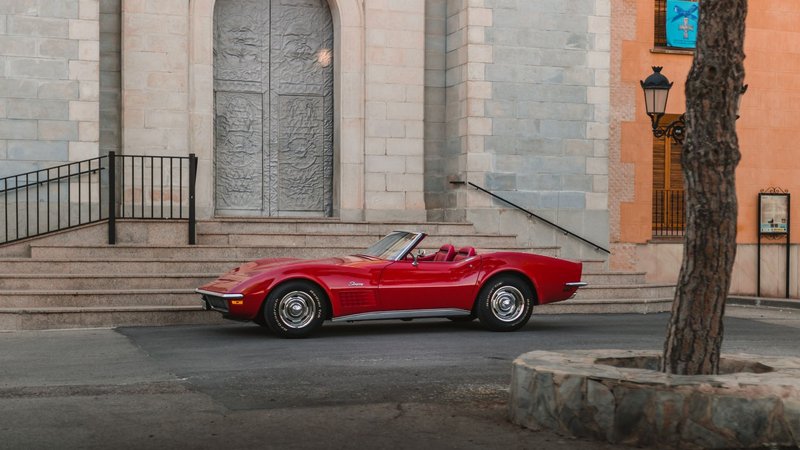
The L88 is the most cynical entry on this list, and that’s a compliment. Chevy rated its aluminum-head 427 at 430 hp — a number nobody believed then and nobody believes now. Actual output was closer to 550. Chevrolet did this on purpose: a deliberately ugly horsepower figure, no radio, no heater, and a warning that the engine required 103-octane race fuel, all to keep casual buyers away and homologate the thing for racing. Only 20 were built in 1967. It’s effectively a race car Chevrolet sold with a license plate.
3. Chevrolet Camaro ZL1 (1969) — ~5.3s
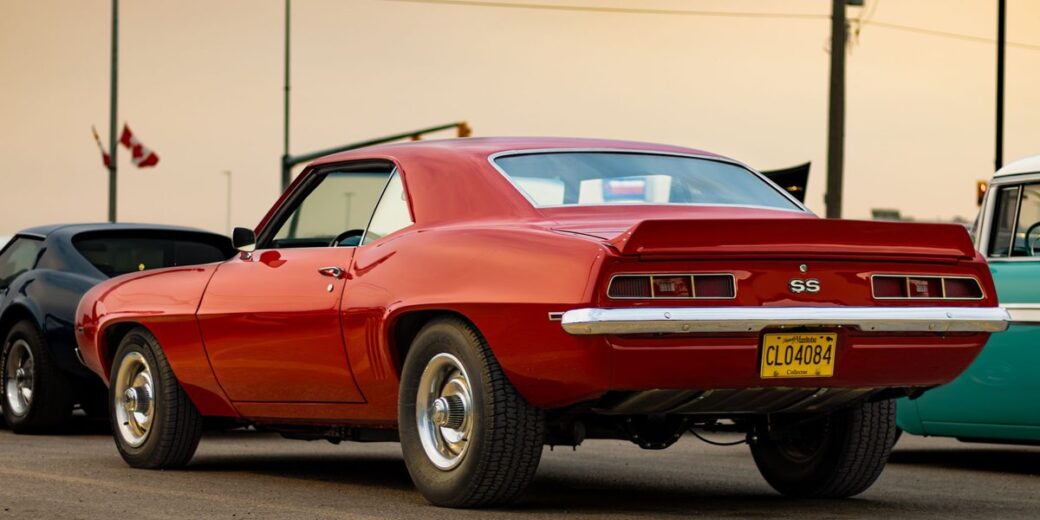
The ZL1 took the L88 concept and made it absurd: an all-aluminum 427 in a Camaro, again rated at a laughable 430 hp, again making far more. Sixty-nine were built to satisfy a drag-racing loophole. In stock trim a ZL1 would run the quarter mile in the high 13s; lightly tuned, owners saw the 11s. It remains one of the rarest and most valuable muscle cars ever made, and the price of admission today runs into seven figures.
4. Plymouth Road Runner 426 Hemi (1968) — ~5.3s
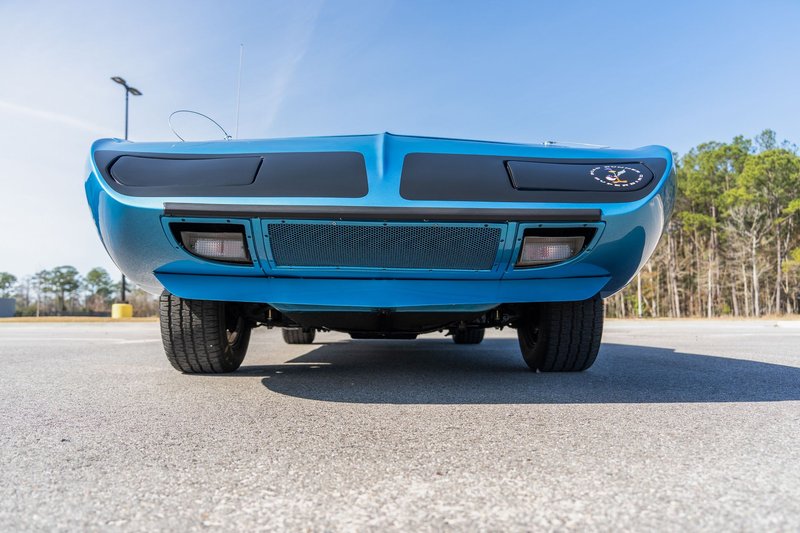
Plymouth’s genius was the opposite of exclusivity. The Road Runner was a stripped-down, cheap, no-frills body with a bench seat and a cartoon bird on the fender — and you could order it with the mighty 426 Hemi. It was the muscle car as populist weapon: the same engine that dominated NASCAR, in a car a working guy could nearly afford. The Hemi car would run low-13-second quarters straight off the showroom floor.
5. Dodge Charger Daytona Hemi (1969) — ~5.5s
The Daytona is the one with the nose cone and the enormous rear wing, and it exists for one reason: NASCAR. Dodge needed to beat Ford on the superspeedways, so they bolted aerodynamics onto a Charger until it became the first NASCAR vehicle to officially lap a track at over 200 mph. The street version, required to homologate the body, is slightly slower off the line than its lighter Mopar siblings because of the weight, but few cars from the decade are more important — or more recognizable on a garage wall.
6. Iso Grifo 7 Litri (1968) — ~6.2s
The sleeper. Iso was a small Italian outfit that built gorgeous Bertone-styled grand tourers and powered them with American V8s for reliability. The 7 Litri version used Chevrolet’s 427, good for a genuine 170 mph and 0-60 in the low sixes, wrapped in bodywork that looks like a Ferrari designed by someone with better taste. Almost nobody outside the collector world knows it exists, which is exactly why it belongs here.
7. Ferrari 275 GTB/4 (1966) — ~6.3s
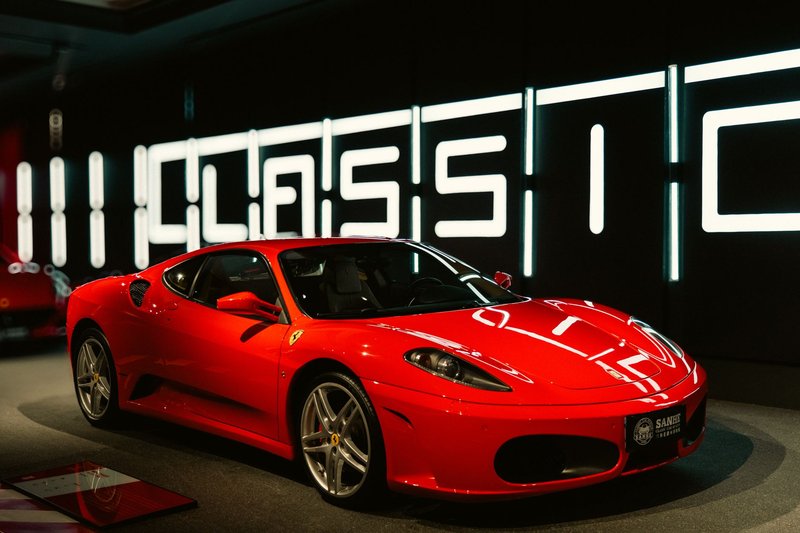
Enzo’s answer to the brutish Americans was elegance with teeth. The 275 GTB/4 introduced four overhead camshafts and a 3.3-liter V12 making 300 hp, a transaxle for balance, and one of the most beautiful shapes ever drawn. It couldn’t out-drag a Cobra, but it could carry that speed through a corner in a way no muscle car dreamed of.
8. Pontiac GTO 389 Tri-Power (1964) — ~6.4s
The car that started the muscle-car craze. Pontiac dodged a corporate ban on big engines in mid-size cars by making the GTO an “option package” rather than a model. The 389 with three two-barrel carburetors gave roughly 348 hp and mid-six-second runs to 60. It wasn’t the fastest thing here, but it lit the fuse for everything else on the list.
9. Ferrari 250 GTO (1962) — ~6.1s
The 250 GTO blurs the line between road and race car about as much as any vehicle ever has, which is why its acceleration figure jumps it ahead of the 275 despite a smaller 3.0-liter V12. Only 36 were built for homologation. Today it’s the most valuable car in the world, with sales reported north of $48 million. It earns its place on raw capability, but it’s barely a “production” car at all.
10. Lamborghini Miura P400 (1966) — ~6.7s
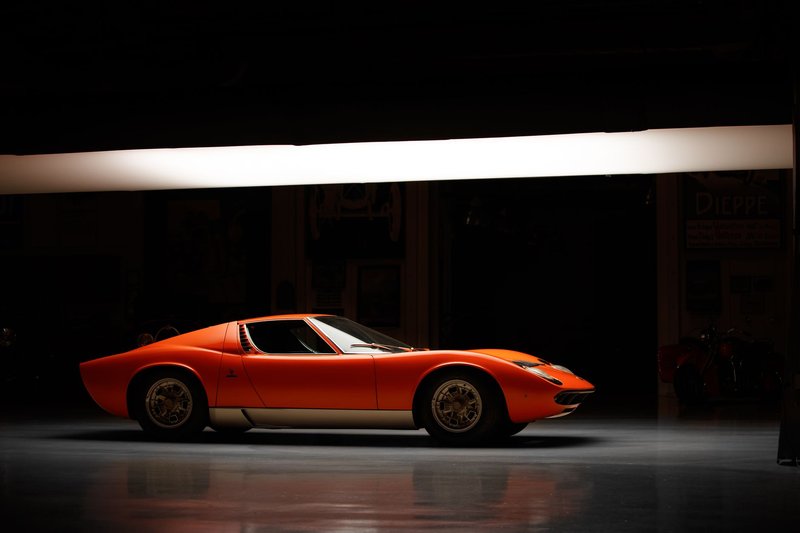
The Miura is the most important car of the decade and only mid-pack on acceleration, which tells you how much this ranking depends on how you measure. Ferruccio Lamborghini’s engineers mounted a transverse V12 amidships — the layout that would define the supercar for the next fifty years — and clothed it in Marcello Gandini’s impossible shape. It was the headline act of the model year that turned Lamborghini upside down, the moment a four-year-old company stopped chasing Ferrari and started leading. Off the line it’s merely quick. Flat out, it’s the fastest thing here, and we’ll get to that.
11. Maserati Ghibli (1967) — ~6.8s
Often overshadowed by the Miura it launched against, the Ghibli took the conventional route — front-mounted 4.7-liter V8, long hood, Giugiaro lines — and was arguably the better road car for it. Smoother, more usable, and good for 154 mph. A grand tourer in the truest sense.
12. Jaguar E-Type 3.8 (1961) — ~6.9s
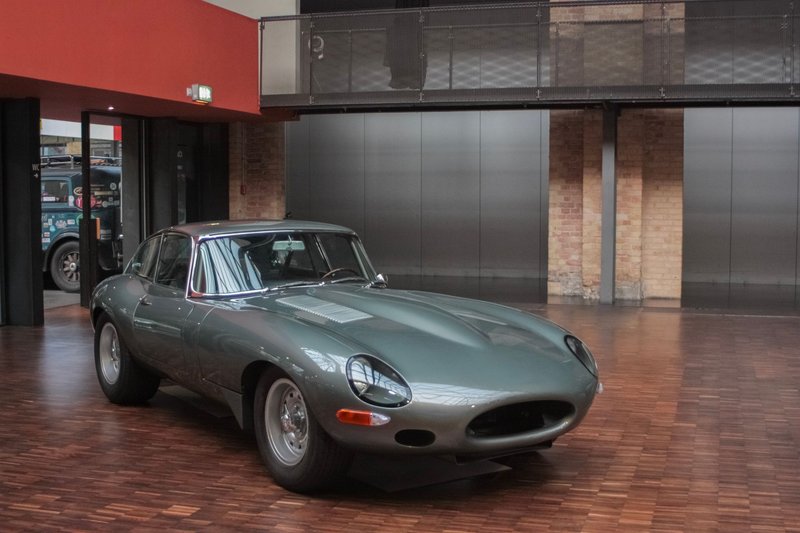
Enzo Ferrari reportedly called it the most beautiful car ever made, and he wasn’t wrong. The E-Type’s headline was a claimed 150 mph top speed for a fraction of a Ferrari’s price, which made it the bargain of the decade. The famous launch-car road tests that hit 150 were almost certainly run on hand-tuned press cars, but even a normal one was devastatingly quick for the money.
13. Aston Martin DB5 (1963) — ~7.1s
Bond’s car, and a proper 145-mph grand tourer underneath the fame. The 4.0-liter straight-six and that hand-formed aluminum body made it more of a fast gentleman’s express than a stoplight brawler — civilized speed, which was the whole brief.
14. Studebaker Avanti R2 (1963) — ~7.3s
A dying independent automaker’s last great swing. The fiberglass-bodied Avanti was supercharged, aerodynamic, and faster than anyone expected from South Bend, Indiana. The hotter R3 version went to the Bonneville Salt Flats and set a fistful of production-car speed records, including a two-way average that embarrassed cars costing far more. We’ll come back to it below.
Fastest by Top Speed (A Different List)
Here’s where the ranking flips. Acceleration rewards light weight and torque; top speed rewards aerodynamics, gearing, and sustained power. The cars that win at 170 mph are mostly not the ones that win at the stoplight.
- Lamborghini Miura P400 — ~171 mph. The mid-engined layout and slippery body made it the production top-speed champion of the late decade. Period claims ranged up to 174; the honest figure is around 171.
- Iso Grifo 7 Litri — ~170 mph. The American-engined Italian sleeper matches the exotics and beats most of them, for a fraction of the fame.
- Chevrolet Corvette L88 — ~170 mph. With the right rear-axle ratio, the under-rated 427 would pull the Corvette to genuine supercar terminal speed.
- Shelby Cobra 427 — ~165 mph. It runs out of aerodynamics before it runs out of power; that brick-like profile is the limiting factor.
- Ferrari 275 GTB/4 — ~165 mph. Smooth, planted, and far more composed at the top end than any of the Americans.
The takeaway: if your definition of “fastest” is a number on a long straight, the Miura wins. If it’s the sprint everyone actually argues about at the pub, the Cobra wins. Both answers are correct, which is the whole problem with the question.
Fast Classics Nobody Talks About
The famous list is famous for a reason, but a few genuinely quick cars get skipped every single time — the same way half the quickest machines of the decade before never make the canon either.
Buick Wildcat. A full-size luxury cruiser with a 425-cubic-inch “Wildcat” V8. Nobody thinks of a big Buick as fast, which is exactly why it’s the perfect sleeper — a quiet land yacht that would surprise a GTO driver who wasn’t paying attention.
Ford Thunderbird 429. Late in the decade the personal-luxury T-Bird could be had with a 429 making serious torque. It’s heavy, it’s plush, and it’s a lot quicker than its country-club image suggests.
Studebaker Avanti R3 at Bonneville. Worth saying twice. A near-bankrupt independent took its supercharged coupe to the salt and recorded a flying-mile pass over 170 mph, setting production records that the Detroit giants couldn’t match. It’s the best David-and-Goliath story of the decade and it’s almost completely forgotten.
Plymouth Belvedere / full-size Hemi sedans. Before the badge-engineered muscle cars, you could get the race-bred Hemi in plain four-door bodies. The ultimate sleeper: a grandfather-spec sedan that ran 13s.
Muscle Car vs Production Car vs Race Car
Most lists mix these three together and create an unfair fight. They’re not the same thing.
A muscle car is a mid-size American body with an oversized V8 — the GTO, the Road Runner, the Charger. Built in real numbers, sold to real people, optimized for straight-line acceleration and not much else. The formula didn’t appear overnight, either; you can trace its rougher, earlier attempts back through the 1950s, years before Pontiac gave the idea a name and a marketing budget.
A production GT is a purpose-built European high-speed car — the Miura, the Ghibli, the E-Type. Fewer compromises, far more expensive, balanced for speed in every direction rather than just forward.
A homologation special is a race car wearing the minimum disguise required to be road-legal — the 250 GTO, the L88, the ZL1, the Daytona. Built in tiny numbers purely to satisfy a racing rulebook. Calling these “production cars” is generous. The Ferrari 250 GTO had a production run of 36; the Camaro ZL1, 69. You couldn’t walk into a dealer and buy one off the lot, which is why the Smithsonian and other museums treat them as motorsport artifacts rather than consumer products.
Keeping the categories straight is the only honest way to rank the decade. A Cobra beating a Miura to 60 doesn’t make it the “better” car any more than a sprinter beats a marathon runner.
The Horsepower Lie
Look back at the spec table and you’ll notice something funny: the Corvette L88, the Camaro ZL1, the Road Runner Hemi, and the Cobra are all clustered around 425-430 hp. That’s not a coincidence, and it’s not the truth.
By the late 1960s, American manufacturers were deliberately under-rating their hottest engines. The reasons were practical: insurance companies were starting to penalize high-horsepower cars, corporate brass were nervous about a youth-driver image problem, and racing rules tied horsepower to vehicle weight classes. So the factories simply lied downward. The L88 and ZL1, both rated at 430 hp, almost certainly made 500 to 560 in reality. The 426 Hemi’s “425” was a similar fiction.
This is why modern dyno tests of restored survivors keep producing numbers that make no sense against the brochures. The brochures were marketing documents written with one eye on the insurance underwriter. When you read a 1960s spec sheet, read the acceleration time instead — a stopwatch couldn’t be bribed.
That, more than any single car, is the real story of the decade. The fastest cars of the 1960s weren’t just fast. They were fast and lying about it, in an era when going quickly was becoming something the grown-ups wanted to put a stop to. The factories got the cars out the door just before the insurance industry and the emissions regulators slammed it shut in the early ’70s. We didn’t see numbers like these again for decades.

Marco Delantero
More from Marco DelanteroHow we reviewed this article
This article was researched against manufacturer records and editorially reviewed before publishing. We accept no payment for coverage.