Type “1981 motorcycle models” into a search bar and you get a wall of spec tables. Bikez and Total Motorcycle will happily hand you all 400-plus models sold that year, sorted by displacement, with zero explanation of why any of them mattered. Useful if you already know what you’re looking for. Useless if you want to understand 1981 as a motorcycling year.
It was a strange one. The 1980–82 recession was squeezing dealerships, oil prices were still working through the aftershocks of the 1979 crisis, and Harley-Davidson was hemorrhaging market share to Japanese imports. And yet the bikes that came out of that year are some of the most interesting of the decade — a Japanese cruiser that invented a genre, a Ducati that set the template for every V-twin the company still builds, and a styling exercise from Suzuki that looked like nothing else on the road.
Here are the 13 that mattered, why they mattered, and what to check if you’re chasing one down 45 years later.
Table of Contents
- TLDR
- Honda CBX Super Sport
- Yamaha XV750 Virago
- Ducati Pantah 500 SL
- Honda CB900F
- Suzuki GSX1100E
- Kawasaki GPz550
- Suzuki Katana GS1100S
- BMW R100RS
- Moto Guzzi Le Mans III
- Harley-Davidson FXB Sturgis
- Yamaha RD350LC
- Laverda Jota S
- Yamaha XS1100S Eleven Special
- Buying and Restoring a 1981 Motorcycle Today
TLDR
If you only remember three names from this list, make them the Yamaha XV750 Virago (the bike that invented the Japanese cruiser), the Ducati Pantah 500 SL (the engine architecture Ducati still sells today), and the Suzuki Katana GS1100S (the styling shock of the era). The Honda CBX and CB900F cover the superbike end; the RD350LC and GPz550 cover the bikes normal people could actually afford. Buying one now means budgeting for rubber, wiring, and patience — parts availability swings hard depending on the brand.
Honda CBX Super Sport
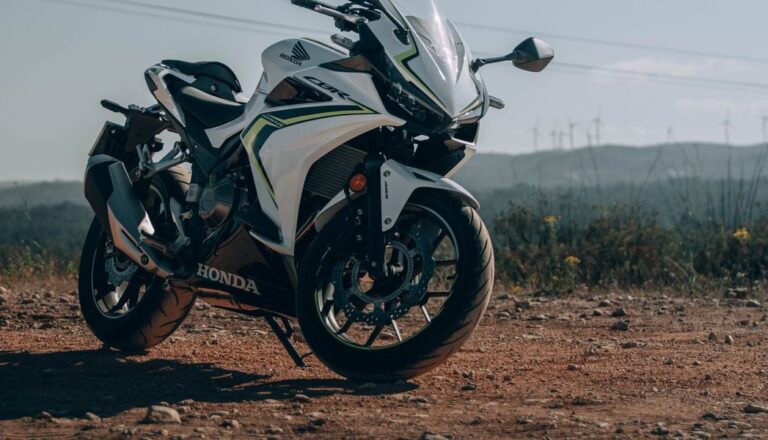
Honda’s six-cylinder CBX had already made its name as a straight-line monster in 1978 and 1979. By 1981, Honda reworked it into the CBX-B “Super Sport” — a Pro-Link monoshock replaced the old twin-shock rear end, a small frame-mounted fairing appeared, and the whole package shifted from drag-strip flex toward high-speed touring. The 1047cc air-cooled six still made its case through sound as much as spec sheet: six individual exhaust headers and a claimed output north of 90 horsepower, at a time when most in-line fours were still chasing 80.
Yamaha XV750 Virago
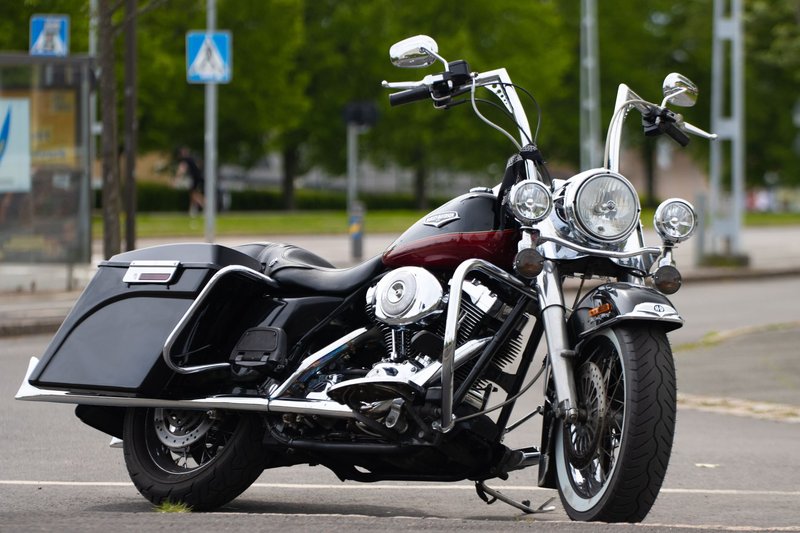
Nothing else on this list changed the market the way the Virago did. Yamaha took a 748cc, 75-degree V-twin, ran it through shaft drive to a single rear shock hidden under the seat, and built a factory cruiser that looked like nothing Japan had made before — and everything Milwaukee had been making for decades. It was the first mass-produced Japanese V-twin styled explicitly as a cruiser, and it opened a category every other Japanese manufacturer piled into for the next twenty years.
Ducati Pantah 500 SL
The Pantah is the quiet one on this list, and arguably the most consequential. Fabio Taglioni’s 499cc, 90-degree L-twin was the first Ducati engine to drive its desmodromic valves off a toothed rubber belt instead of bevel gears and shafts — cheaper to build, easier to service, and quieter to run. Ducati still uses belt-driven desmo valvetrains in production V-twins today. The Pantah made around 50 horsepower, used the engine as a stressed frame member, and handled well enough that Ducati’s racing efforts leaned on the platform for years after 1981.
Honda CB900F
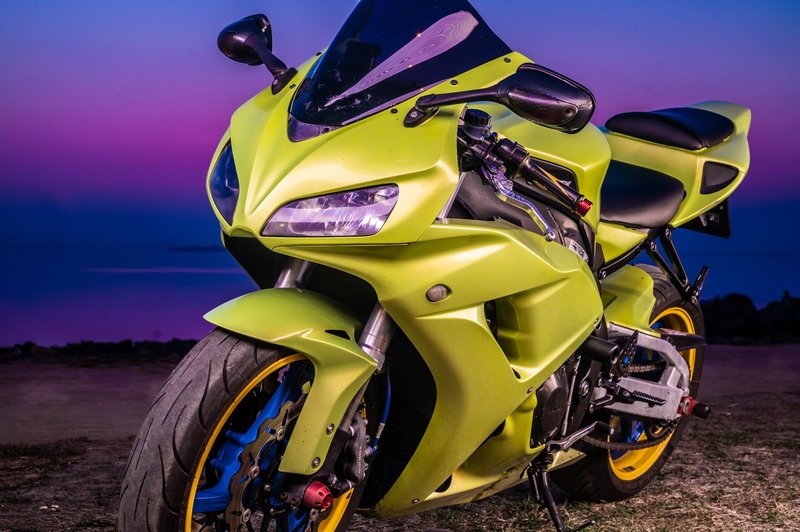
Where the CBX went soft, the CB900F stayed sharp. Its 902cc DOHC inline-four, descended directly from Honda’s Bol d’Or endurance racers, put out roughly 95 horsepower and handled with a precision the six-cylinder bike never quite matched. It was Honda’s direct answer to Kawasaki’s Z1000 and Suzuki’s GS1100 — and the platform Honda would stretch into the CB1100F a few years later.
Suzuki GSX1100E
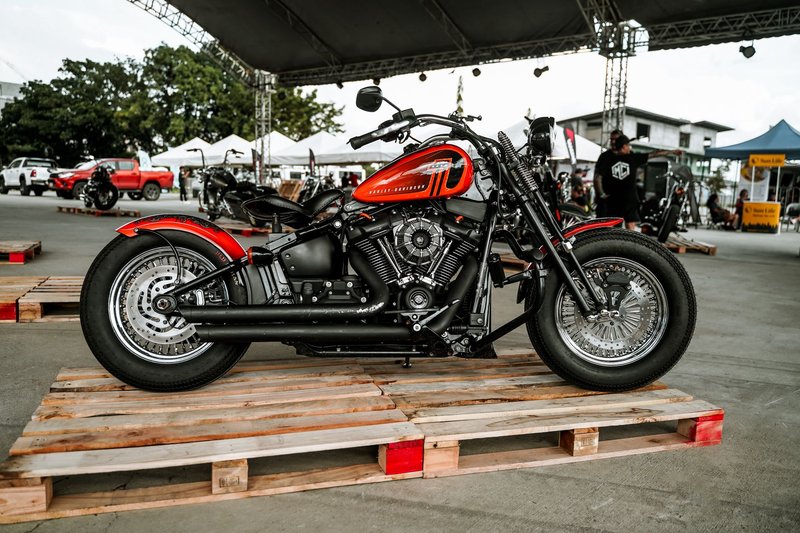
Suzuki’s 1075cc GSX1100E carried the company’s TSCC cylinder head — Twin Swirl Combustion Chamber, a four-valve design that shaped intake charge into a swirl pattern for cleaner, more complete combustion. The result was one of the strongest-running production engines of 1981, with a claimed output around 100 horsepower that put it at the top of the open-class pecking order alongside the CB900F and GS1100.
Kawasaki GPz550
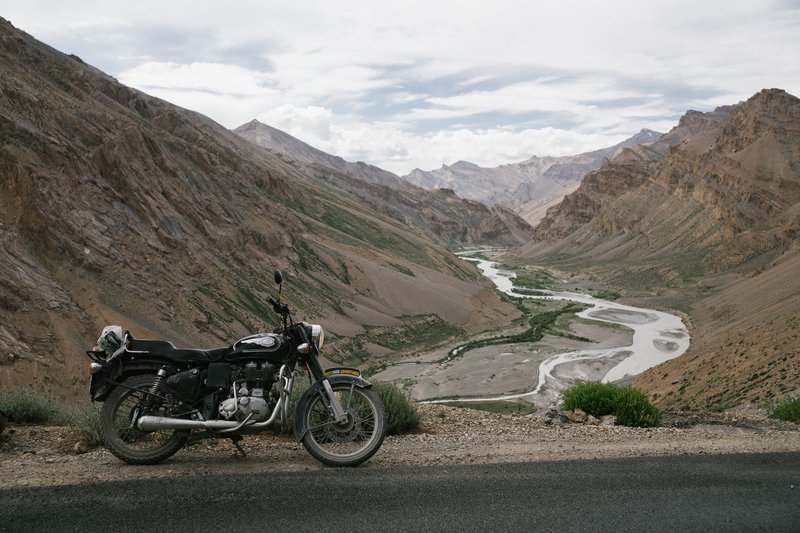
Not every bike on this list needed a triple-digit horsepower figure to matter. The 553cc GPz550 ran Kawasaki’s Uni-Trak rear monoshock and a chassis tuned tight enough that period road testers routinely rated it ahead of bikes with much bigger engines through a set of corners. It’s the bike that proved the middleweight class didn’t have to be a compromise.
Suzuki Katana GS1100S
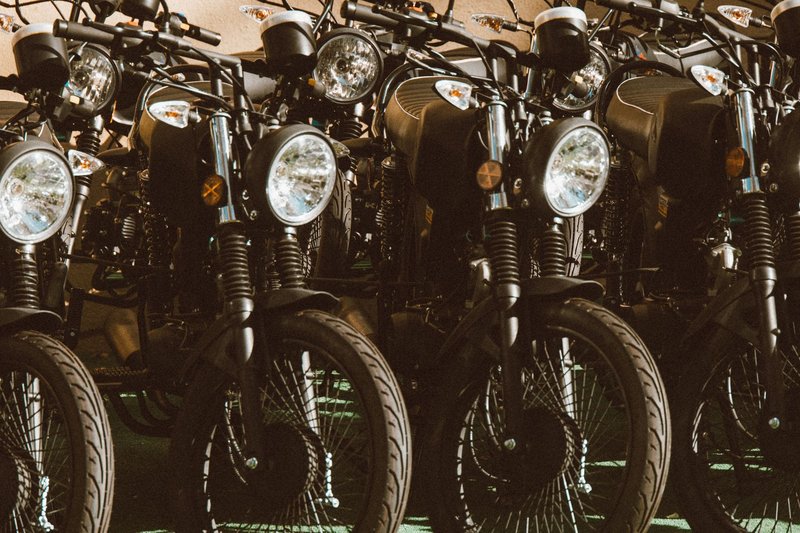
Nothing else in 1981 looked like the Katana. Suzuki handed the GS1100 platform to Target Design — the studio behind Hans Muth’s work at BMW — and got back a motorcycle with a flat, unbroken line from headlight cowl to tail, no chrome, and a riding position that leaned the rider forward over the tank. It shocked dealers who were used to selling round headlights and staggered mufflers. Underneath the bodywork sat the same 1074cc DOHC four doing duty in Suzuki’s other big-bore models, but nobody bought a Katana for the engine alone.
BMW R100RS
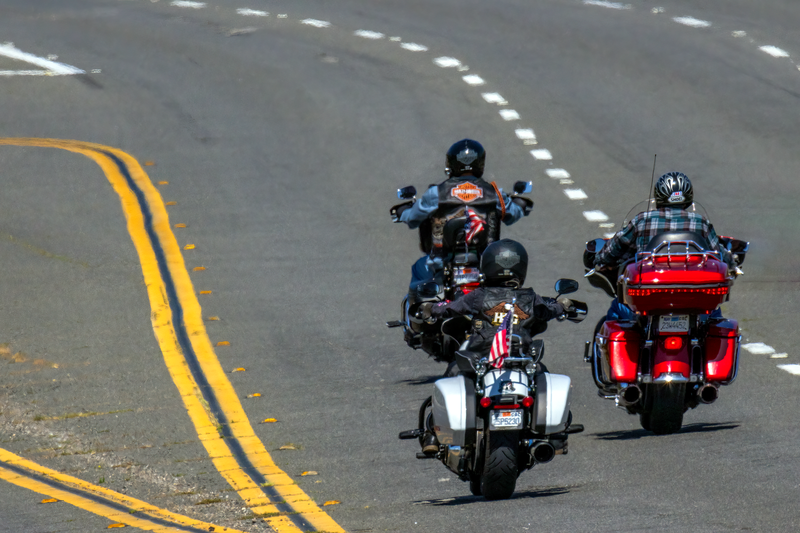
By 1981, BMW’s R100RS was already established as the bike that took motorcycle aerodynamics seriously — its fairing was developed in a wind tunnel, a first for a production motorcycle, and it cut buffeting enough that riders could hold triple-digit speeds on the autobahn without getting pummeled. The 980cc air-cooled boxer twin and shaft drive underneath were classic BMW; the fairing is what made the RS a different kind of touring bike.
Moto Guzzi Le Mans III
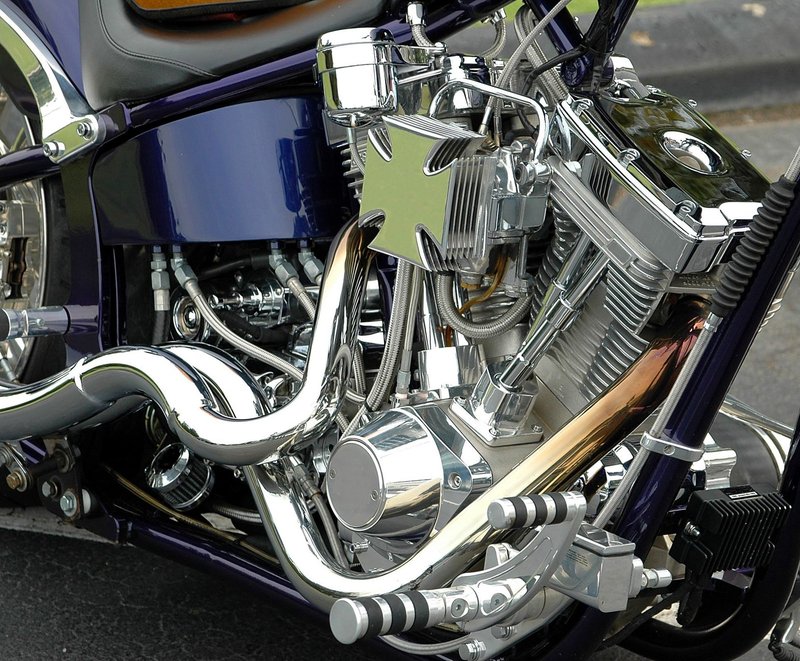
The Le Mans III updated Guzzi’s café-racer icon with a revised frame and a linked braking system that tied the front and rear brakes together through a single pedal — an early attempt at the kind of integrated braking most manufacturers wouldn’t standardize for another decade. The 844cc transverse V-twin and shaft drive kept the low, forward-leaning stance the Le Mans line built its reputation on, angular new bodywork notwithstanding.
Harley-Davidson FXB Sturgis
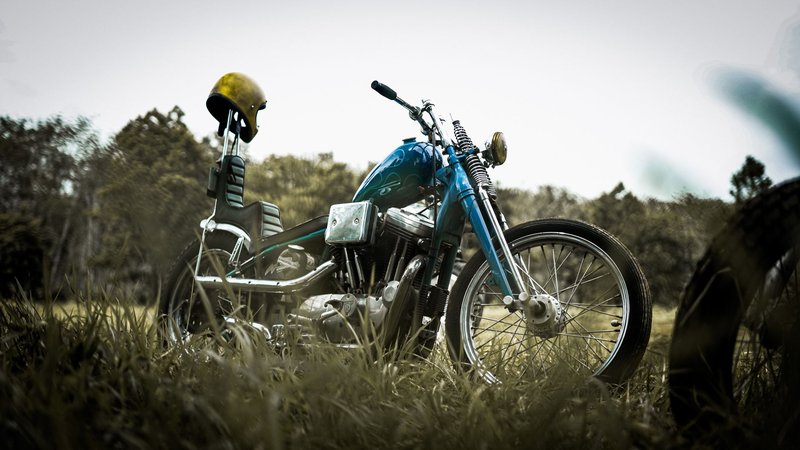
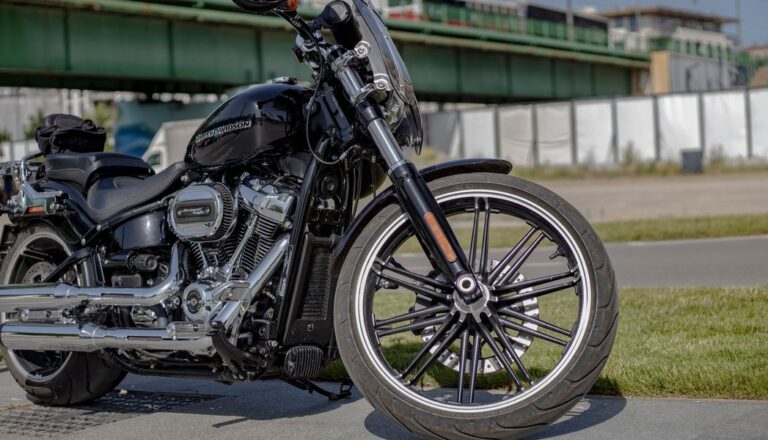
The FXB Sturgis, which appeared in 1981’s Harley lineup, paired Harley’s 1340cc Shovelhead with belt drive front and rear — primary and final drive both running on toothed belts instead of chain, a Harley first — wrapped in an all-black finish that was unusual for the brand at the time. It arrived while Harley’s share of the big-bike market was in freefall against Japanese competition, a slide serious enough that Harley later petitioned Washington for import relief, which arrived as a tariff on heavyweight imports in 1983. The Sturgis was Harley building something distinctive while the company’s survival was genuinely in question.
Yamaha RD350LC
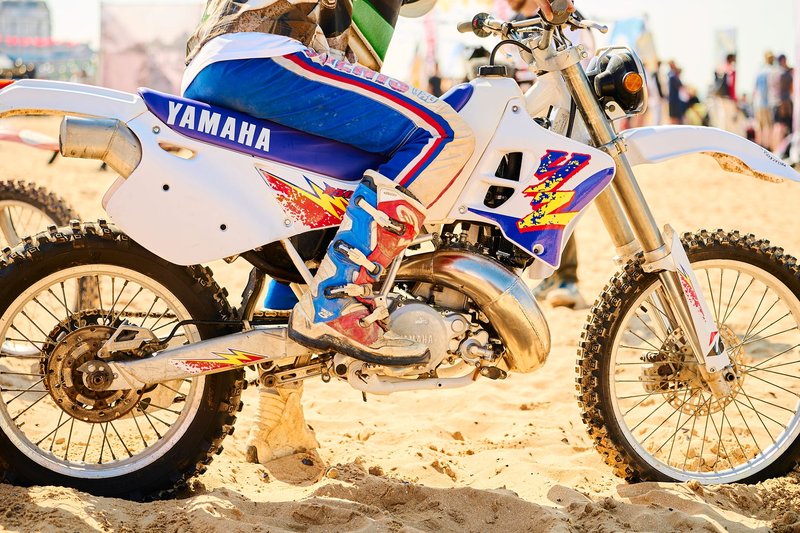
The RD350LC is the bike this list needed that isn’t a flagship. Its 347cc liquid-cooled two-stroke twin and monoshock rear end made it fast, light, and cheap enough that it became the default choice for grassroots club racing in the UK and Europe — entire one-make race series were built around it. If the CBX and the GSX1100E were about what money could buy, the RD350LC was about what a normal rider could actually afford and still go fast on.
Laverda Jota S
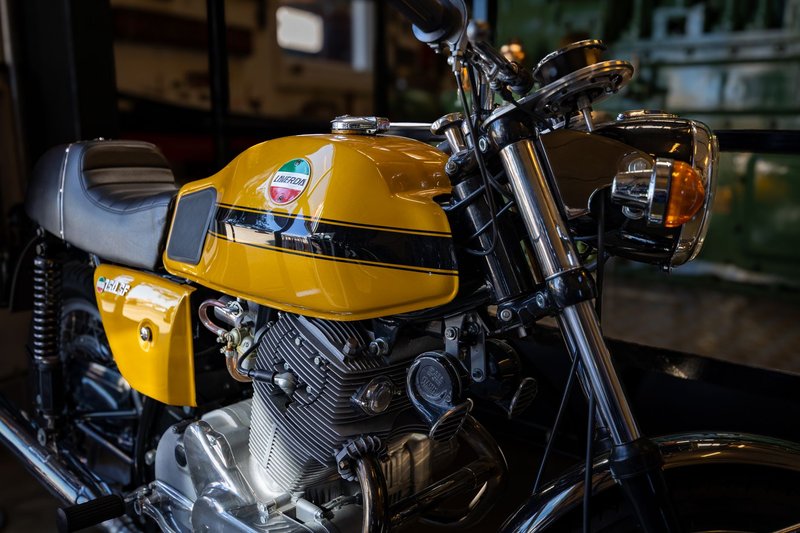
Laverda’s 981cc DOHC triple built its reputation years before 1981 as one of the fastest production motorcycles sold anywhere, developed with input from the UK importer Slater Brothers, who pushed for a hotter cam and higher compression than Laverda’s home-market triples ran. By 1981, the Jota S carried that reputation into a smaller, increasingly specialist corner of the market — a triple with a raw, mechanical character that the smoother Japanese fours never really replicated.
Yamaha XS1100S Eleven Special
The XS1100S paired Yamaha’s 1101cc DOHC four and shaft drive with a factory fairing and cast wheels, chasing the custom-touring look that aftermarket builders like Craig Vetter had been selling separately for years. It’s a reminder that “sport touring” wasn’t yet a settled category in 1981 — manufacturers were still figuring out which parts of the custom scene to build in from the factory.
Buying and Restoring a 1981 Motorcycle Today
A bike from 1981 turns 45 this year, and that age shows up in predictable places.
Rubber goes first. Fork seals, brake lines, and tires that look fine can be hard as a hockey puck underneath — don’t trust a tire by tread depth alone if it’s original. Fuel systems are the second problem: old carburetors sitting with stale gas gum up float bowls and jets, and a bike that “ran when parked” ten years ago usually needs a full carb rebuild before it runs again, not just fresh fuel.
Check the ignition system next. Points-based bikes (most of this list) need the gap and timing set correctly or they’ll run rough no matter what else is right; some owners have converted to electronic ignition, which is a reasonable upgrade but worth knowing about before you buy, since it changes what “matching numbers” means for resale.
Parts availability splits hard by brand. Honda, Yamaha, Suzuki, and Kawasaki produced these bikes in large enough numbers that reproduction parts and salvage donors are still findable. Ducati Pantahs and Laverda triples are a different story — expect to hunt specialist suppliers and pay a premium for anything electrical or fuel-related. Before you commit to a restoration, price out the parts you already know you’ll need. It’s the fastest way to find out whether a “great project bike” is actually a great project bike.

Sarah Thornton
More from Sarah ThorntonHow we reviewed this article
This article was researched against manufacturer records and editorially reviewed before publishing. We accept no payment for coverage. Some guides contain affiliate links; see our affiliate disclosure.