The 1981 lineup is the one Harley people get quiet about. Not because the bikes were the best the company ever built — they weren’t, and the AMF-era quality gremlins were real — but because 1981 is the year thirteen executives bought the company back and stuck an eagle on the tank that read “The Eagle Soars Alone.” That story is why a spec-sheet bike from four decades ago now trades on collectibility, not just displacement.
Catalog sites will give you the model codes and the cubic inches. What they skip is which of these bikes actually matter, what they’re worth now, and why a belt-driven Sturgis with a black-and-orange paint job is the one collectors chase. That’s the gap this guide fills.
Table of Contents
- TLDR: The 1981 Lineup at a Glance
- Why 1981 Is the Year That Matters
- The Street Line: Sportsters & Super Glides
- The Custom Line: Low Rider, Wide Glide & Sturgis
- The Touring Line: Electra Glide & Tour Glide
- 1981 Harley-Davidson Values Today
- Buying a 1981 Harley: What to Watch For
TLDR: The 1981 Lineup at a Glance
Harley split 1981 into three factory families, all running the same two air-cooled 45-degree V-twins: the 1340cc (80 cubic inch) Shovelhead for the big bikes and the 1000cc (61 cubic inch) Ironhead for the Sportsters.
- The one to collect: The FXB-80 Sturgis — first-year belt drive, blacked-out looks, low production. It’s the 1981 that appreciates.
- The everyday classic: The FXE-80 Super Glide — the cheapest way into a period-correct Shovelhead.
- The tourer: The FLH-80 Electra Glide — the batwing-fairing bagger that defined the category.
- The entry point: The XLH-1000 Sportster — smallest, lightest, most affordable then and now.
Roughly a dozen models spread across Street, Custom, and Touring. Every one of them wears the AMF badge — 1981 was the last full model year before the buyout badging changed, which is the historical hook that makes the whole year desirable.
Why 1981 Is the Year That Matters
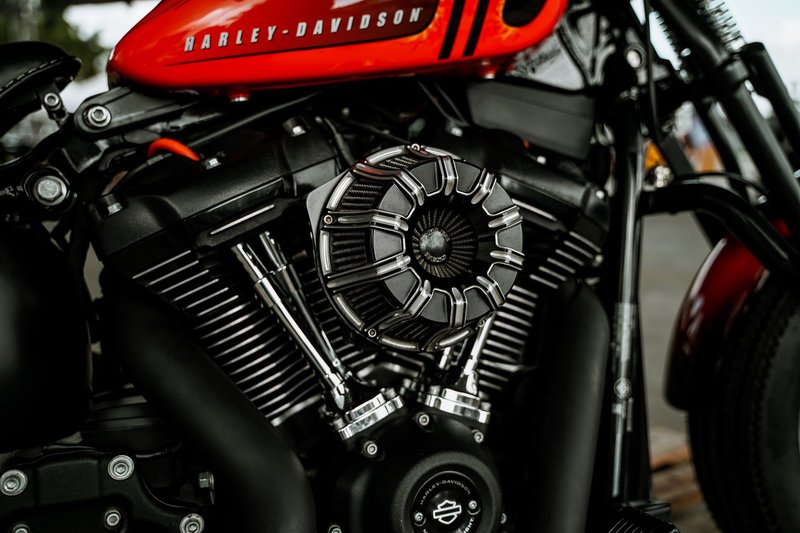
American Machine and Foundry — AMF — bought Harley-Davidson in 1969 and spent the next decade cranking up production volume while quality slid. Enthusiasts of the era have a name for the bikes that shook themselves apart and leaked from every gasket, and it isn’t flattering.
Then, on June 16, 1981, thirteen Harley executives led by Vaughn Beals and Willie G. Davidson bought the company back from AMF in a leveraged buyout worth roughly $80 million. They marked it with a tank badge and a tagline — “The Eagle Soars Alone” — and rode from the York, Pennsylvania plant to Milwaukee to celebrate. The Harley-Davidson company history still treats that date as the turning point that saved the brand.
Here’s the collector logic: 1981 bikes were built under AMF but sold into the dawn of independence. They’re the last of the old regime and the first breath of the new one — the turnaround itself wouldn’t fully show up in the metal until the 1984 models that finally saved Harley, but 1981 is the year the clock started. A 1981 machine is a bookend — and bookend years always draw buyers who want the story, not just the ride.
The Street Line: Sportsters & Super Glides
The Street family was Harley’s bread and butter — standards and factory customs meant for riding, not touring. These are the accessible 1981s, both then and now.
XLH-1000 Sportster
The base Sportster, powered by the 1000cc Ironhead V-twin. Kick-and-electric start, a four-speed transmission, and a curb weight under 500 pounds made it the lightest, flickable-est bike in the range. The Ironhead is a raw, mechanical engine — it vibrates, it’s loud, and riders either love that or trade up to a big twin. Of everything from 1981, the XLH is the cheapest way to own a genuine period Harley.
XLS-1000 Roadster
The Sportster wearing a leather jacket. Same 1000cc Ironhead, but dressed with a small “bikini” fairing-less handlebar setup, buckhorn bars, highway pegs, a stepped seat, and a two-into-one exhaust on some trims. It was the sportier, more aggressive Sportster — Harley’s answer to riders who wanted café-flavored looks without leaving the family.
FXE-80 Super Glide
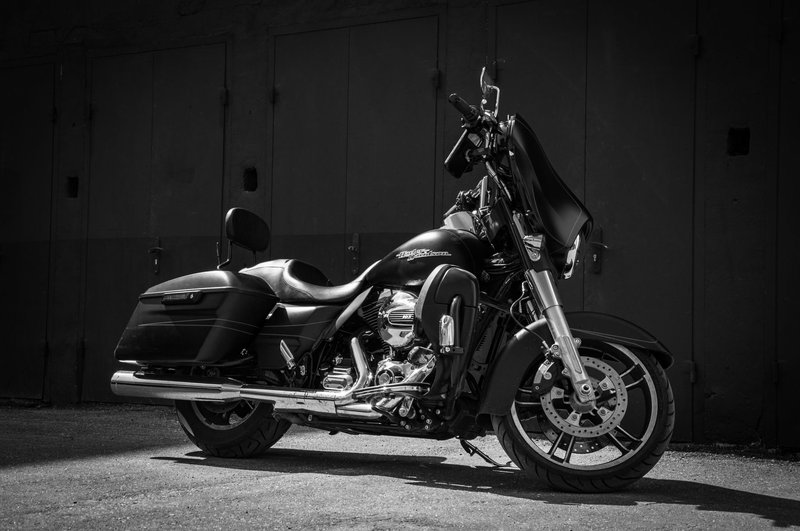
The original factory custom, and arguably the most important bike in this section. Willie G. Davidson created the Super Glide in 1971 by bolting a Sportster front end onto a big-twin frame — the move that invented the entire cruiser-custom segment. The 1981 FXE runs the 1340cc Shovelhead with electric start and a four-speed box. It’s clean, uncluttered, and the value pick for anyone who wants a Shovelhead without paying Sturgis money.
FXEF-80 Fat Bob
The Super Glide with attitude. “Fat Bob” comes from the fat, bobbed dual fuel tanks and the shortened rear fender. Same 1340cc Shovelhead, but with the beefier stance that would go on to name an entire Dyna model decades later. Dual tanks, staggered exhaust, and a chunkier profile separate it from the leaner FXE.
The Custom Line: Low Rider, Wide Glide & Sturgis
This is where 1981 gets interesting. The Custom line is where Willie G. turned styling loose, and it’s where the year’s most collectible machine lives.
FXS-80 Low Rider
The Low Rider dropped the seat height to a then-radical 27 inches, slammed the whole bike, and gave it drag bars, a two-into-one exhaust, and cast alloy wheels. It looked fast standing still. The 1340cc Shovelhead did the work while the styling did the talking. The Low Rider was one of Harley’s best-sellers of the era for a reason — it nailed the mean, low-slung custom look straight from the factory.
FXWG-80 Wide Glide
The chopper Harley built so you didn’t have to. A widened front end, extended forks with a 21-inch front wheel, flame paint on the tank, forward controls, and a bobbed rear fender delivered the raked, stretched look people were paying custom shops to fabricate. The Wide Glide is pure period style — if you want a 1981 that screams the era, this is it.
FXB-80 Sturgis
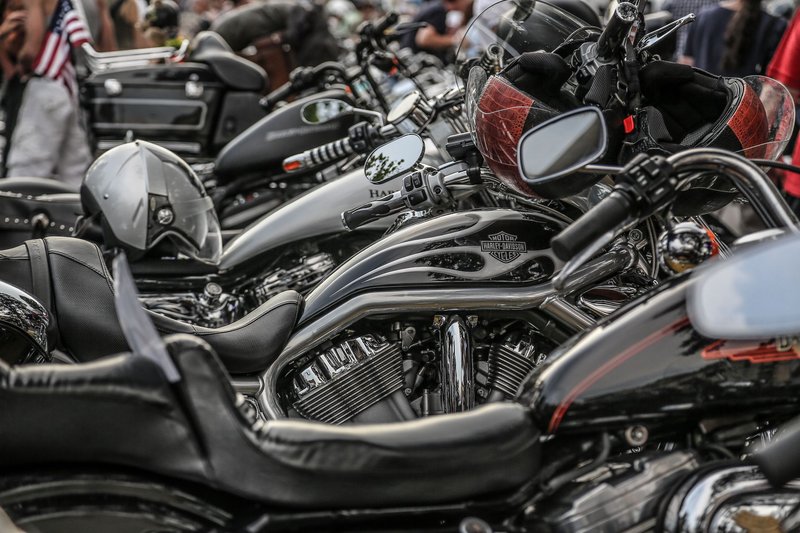
The star of 1981, and the one to buy if you’re buying for value. The FXB was the first Harley with belt drive on both the primary and the final drive — Gates Poly Chain belts replacing chains, which meant quieter, cleaner, lower-maintenance running. It was blacked out almost entirely: black frame, black engine cases, black wheels, with orange pinstriping and highlights. Named for the Sturgis rally, it was built in limited numbers over just a few years — it carried on into the 1982 model year before its short run wound down — which is exactly why it commands a premium today. Among 1981 Harleys, the Sturgis is the blue-chip pick.
The Touring Line: Electra Glide & Tour Glide
The big rigs. Full fairings, saddlebags, and the 1340cc Shovelhead hauling serious weight down the interstate. If the Street line is about flicking through traffic, the Touring line is about crossing states.
FLH-80 Electra Glide
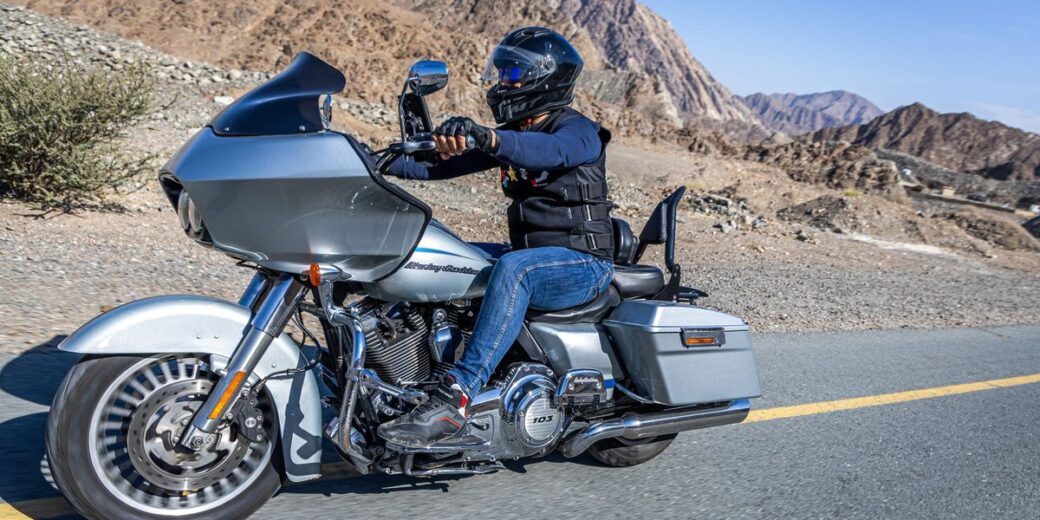
The definitive Harley tourer and one of the most recognizable motorcycles ever built. The 1981 FLH wears the classic “batwing” handlebar fairing, hard saddlebags, floorboards, and a king-and-queen seat. The 1340cc Shovelhead pulls the roughly 750-pound machine with lazy, torquey ease. This is the bike most people picture when they hear “Harley touring.”
FLHC Electra Glide Classic
The FLH with the full dresser treatment — a Tour-Pak top box, extra chrome, two-tone paint, and every touring accessory Harley could bolt on. The Classic was the range-topping traditional bagger, built for riders who wanted the maximum-comfort, maximum-luggage cross-country machine.
FLHS Electra Glide Sport
The stripped-down tourer. The FLHS ditched some of the Classic’s weight and chrome for a leaner, sportier take on the big frame — fewer touring accessories, a bit less bulk, and a rider who wanted the Electra Glide bones without the full dresser load.
FLT / FLTC Tour Glide
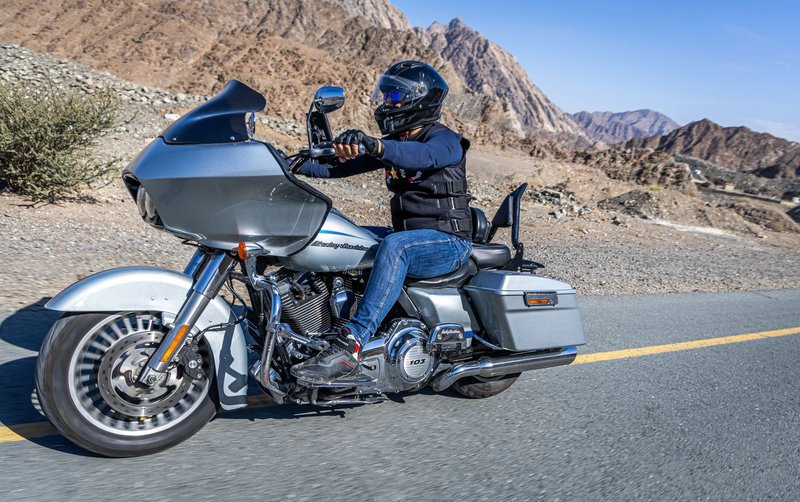
The technical standout of the touring range. Introduced in 1980, the Tour Glide brought a genuinely new chassis: a frame-mounted fairing (rather than fork-mounted like the Electra Glide’s batwing), which kept steering lighter and more stable at speed, plus rubber engine mounts to tame the Shovelhead’s vibration and a five-speed transmission — a first for the big twins. The FLTC added the Classic-level touring kit. For engineering enthusiasts, the Tour Glide is the most forward-looking bike of the 1981 lineup, and it previewed the touring architecture Harley would build on for years. The Motorcycle.com 1981 Harley specs list the full technical breakdown model by model if you want the raw numbers.
1981 Harley-Davidson Values Today
Values swing hard on condition, mileage, originality, and — for the Sturgis especially — provenance. A running-but-rough project bike and a concours-restored example of the same model can be separated by a factor of three or more. Treat these as broad ballpark ranges for bikes in good, usable condition, not appraisals.
| Model | Line | Engine | Rough value range (good condition) |
|---|---|---|---|
| XLH-1000 Sportster | Street | 1000cc Ironhead | $4,000 – $8,000 |
| XLS-1000 Roadster | Street | 1000cc Ironhead | $4,500 – $8,500 |
| FXE-80 Super Glide | Street | 1340cc Shovelhead | $6,000 – $11,000 |
| FXEF-80 Fat Bob | Street | 1340cc Shovelhead | $7,000 – $13,000 |
| FXS-80 Low Rider | Custom | 1340cc Shovelhead | $7,000 – $13,000 |
| FXWG-80 Wide Glide | Custom | 1340cc Shovelhead | $8,000 – $15,000 |
| FXB-80 Sturgis | Custom | 1340cc Shovelhead | $10,000 – $20,000+ |
| FLH-80 Electra Glide | Touring | 1340cc Shovelhead | $7,000 – $14,000 |
| FLHC Classic | Touring | 1340cc Shovelhead | $8,000 – $15,000 |
| FLT / FLTC Tour Glide | Touring | 1340cc Shovelhead | $7,000 – $14,000 |
The pattern is consistent: Ironhead Sportsters sit at the floor, standard Shovelheads occupy the middle, and the FXB Sturgis leads the field because of the belt-drive first and its limited numbers. If you want a 1981 that holds or gains value, that’s where the money goes. For current auction and dealer asks, cross-check a live marketplace like CLASSIC.com rather than trusting any single number.
Buying a 1981 Harley: What to Watch For
These are 40-plus-year-old bikes from the tail end of the AMF era, and the era’s reputation for iffy assembly is earned. A few things to check before you hand over cash:
- Numbers matching. Confirm the VIN, engine, and transmission numbers agree with the title and each other. On a Sturgis especially, an original drivetrain is a big chunk of the value.
- Shovelhead oil leaks. Some seepage is normal on a Shovelhead; a puddle is not. Check the base gaskets, rocker boxes, and primary for anything worse than a light weep.
- Electrics. AMF-era wiring and charging systems are the usual weak point. Make sure everything lights up and the charging system actually charges.
- Belt-drive condition (FXB). On the Sturgis, inspect both Gates belts for cracking and wear — they’re serviceable, but a neglected belt is a tell for a neglected bike.
- Originality vs. modification. Plenty of these were chopped, repainted, and re-engined over four decades. A modified bike can be a great rider and a poor investment. Decide which you’re buying.
A 1981 Harley isn’t the bike you buy for reliability — a modern Softail will out-run and out-last any of these without breaking a sweat. You buy a 1981 for the Shovelhead thump, the era’s styling, and the fact that you’re riding a piece of the year the company saved itself. The Sturgis is the collector’s answer, the Super Glide is the value answer, and the Electra Glide is the one that’ll actually carry you across the country. Pick the story you want to tell, then find the cleanest example you can afford.
Marco Delantero
More from Marco DelanteroHow we reviewed this article
This article was researched against manufacturer records and editorially reviewed before publishing. We accept no payment for coverage. Some guides contain affiliate links; see our affiliate disclosure.