“Popular” meant three different things in 1986. There were the cars people actually bought, the cars critics loved, and the cars that lived on bedroom walls. Almost nobody owned all three.
This guide covers each group separately, so you can find the one you remember.
Table of Contents
- TLDR: The 1986 Short List
- The Cars America Actually Bought
- The Critics’ Favorites
- The Poster Cars
- Why 1986 Looked the Way It Did
- The Rest of the World
- 1986 Cars at a Glance
TLDR: The 1986 Short List
- Best-selling car in the US: Chevrolet Celebrity, with 408,946 sold.
- Best-selling vehicle overall: Ford F-Series pickup, as it has been for decades.
- Most important launch: Ford Taurus, which arrived at the very end of 1985 and rewrote what a family sedan looked like.
- Critics’ picks: Honda Accord, Porsche 944, Toyota MR2, Volkswagen GTI.
- Poster cars: Ferrari Testarossa, Corvette, Buick Grand National, Mustang GT.
- Biggest quiet story: Japanese brands kept taking share, and Hyundai and Acura both launched in the US that year.
The Cars America Actually Bought
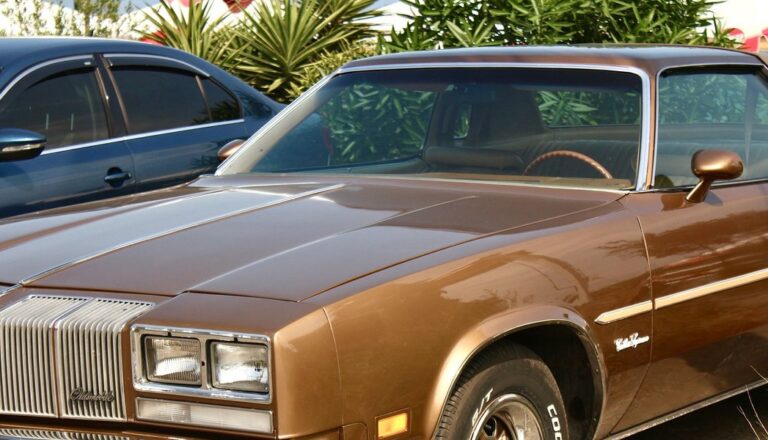
The most popular car in 1986 was a beige-adjacent, front-wheel-drive midsize sedan. The Chevrolet Celebrity sold 408,946 units, making it the best-selling car in America. Its base engine was the 2.5-liter “Iron Duke” four-cylinder, which made about 92 horsepower and sounded like a tractor idling. Nobody bought it for the engine. They bought it because it seated five, cost under ten grand, and came from a dealer down the road.
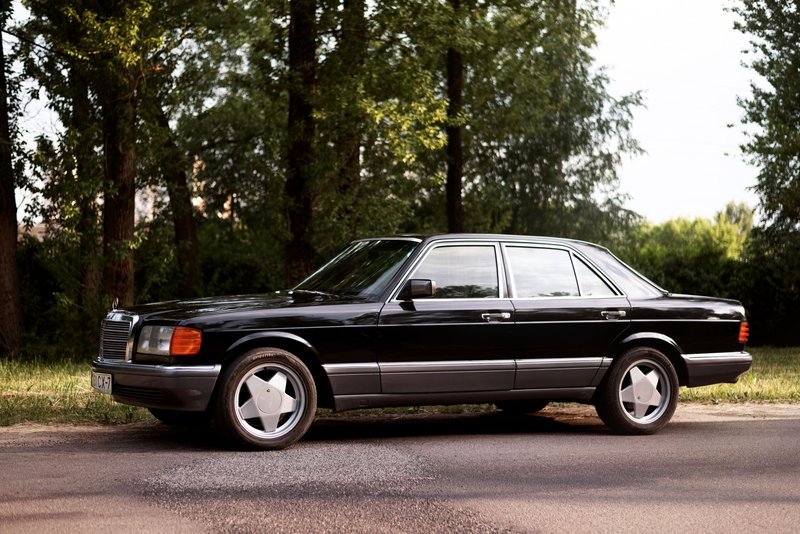
The Celebrity had company from the same corporate family. The Chevrolet Cavalier and the Oldsmobile Cutlass Ciera both sat near the top of the charts. The Cavalier was the cheap one. The Ciera was the one your uncle bought when he wanted something with a velour seat and a little more dignity. For the rest of the classic American sedan field, see the complete list of classic American sedans.
Ford’s answer was the Escort, a small hatchback that sold in huge numbers all through the decade. It wasn’t good, exactly. It was cheap, it was efficient, and it was everywhere.
Then there’s the truck. The Ford F-Series outsold every car on the market, and it wasn’t close. The pickup had already started its slow takeover of the American driveway, long before anyone called it an SUV era.
The Honda Accord
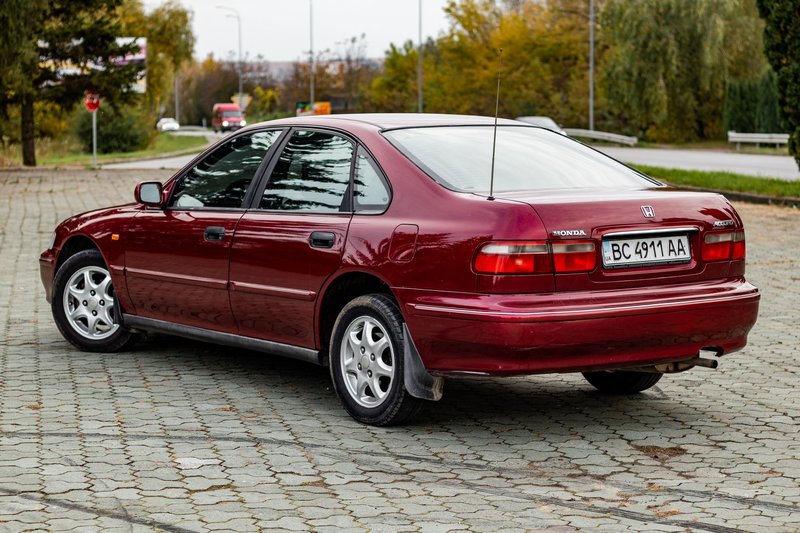
The Honda Accord was the import that made Detroit nervous. It was a car that sold on build quality and resale value, not price. By the end of the decade it would become the best-selling car in the US, and 1986 is where you can see the trend lining up. It’s the car your parents may have bought precisely because it was the one that didn’t break.
The Ford Taurus
The Taurus went on sale in December 1985, so 1986 was its first full year. The jelly-bean shape, flush headlights and driver-focused cabin looked like it came from a different planet than the boxy Celebrity next to it. It earned Motor Trend’s Car of the Year award and sold around 200,000 in its first year. Ford had bet the company on it, and the bet worked.
Ford Taurus buyers paid for design. Celebrity buyers paid for familiarity. That split is the story of the whole decade.
The Critics’ Favorites
If you read Car and Driver in 1986, you wanted cars that were good to drive. Their picks leaned toward small, balanced and usually imported:
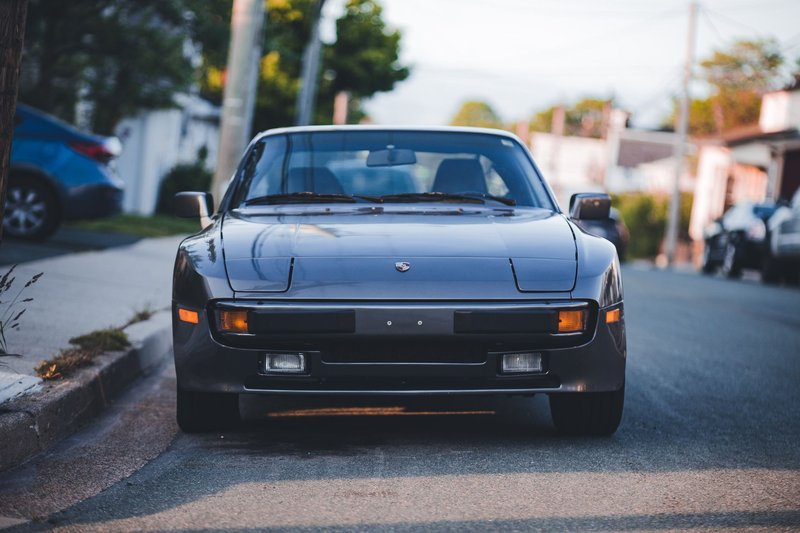
- Porsche 944. A front-engine, transaxle coupe with near-perfect weight distribution. The 944 Turbo arrived for 1986 with about 217 horsepower and became the car that argued against buying a 911.
- Volkswagen GTI. The original hot hatch was a small, boxy Golf with a 90-horsepower 1.8-liter engine. It sounds tiny now. It didn’t feel tiny on a back road in 1986.
- Toyota MR2. A mid-engine two-seater with a 1.6-liter twin-cam making 112 horsepower. It was a baby Ferrari silhouette at Corolla money.
- Honda CRX Si. About 91 horsepower in a car weighing roughly 2,000 pounds. Ask any CRX owner and you’ll get the same answer: it’s the best small car Honda ever built.
None of these topped the sales chart. All of them shaped how people talked about cars.
The Poster Cars
Some cars were popular the way a movie star is popular. You didn’t own one. You knew exactly what it looked like.
Ferrari Testarossa. The side strakes, the flat-12, the wide rear. It had been on sale since 1984, but 1986 is when it became a cultural fixture, thanks to its role in Miami Vice, where Sonny Crockett moved from a Daytona replica to a white Testarossa. Ferrari’s 4.9-liter flat-12 made about 390 horsepower.
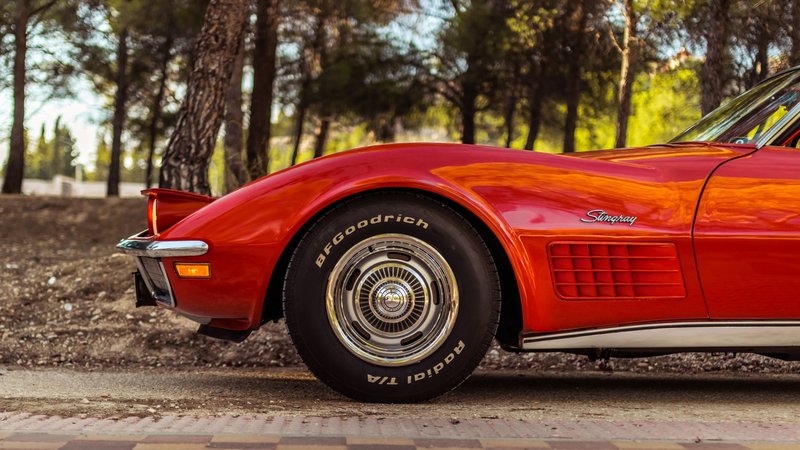
Chevrolet Corvette. The C4 Corvette got a convertible for 1986, the first since 1975, and it paced that year’s Indianapolis 500. Anti-lock brakes became standard. It started in the high twenties in thousands of dollars, which made it the closest thing to an affordable supercar. The rest of the decade’s Corvette lineup is laid out in the 1980s Corvette model guide.
Buick Grand National. A turbocharged V6 in a black Regal, making 235 horsepower and running quicker than most exotic cars of the time. The joke at stoplights was that Buick had built a sleeper by accident.
Ford Mustang GT. The 5.0-liter V8 made 225 horsepower in 1986, thanks to sequential fuel injection. It was loud, simple and cheap to modify, which is why you still see them at every cars-and-coffee meet.
The Exotics and Homologation Specials
Supercar fans in 1986 were also watching a few rarities. The Ferrari 288 GTO Evoluzione was a development car with roughly 650 horsepower that never reached customers in volume. The Ford Sierra RS Cosworth debuted as a homologation special: a 2.0-liter turbo making about 204 horsepower, with a giant rear wing, built so Ford could go racing. The Mercedes-Benz 560 SL gave the roadster crowd a V8 and a soft top. And the Lamborghini LM002 was a military-looking 4×4 with a Countach V12, because Lamborghini decided it should exist.
Why 1986 Looked the Way It Did
Gas prices explain a lot. Pump prices fell sharply in 1986 as oil collapsed, and the fear that drove early 1980s buyers into economy cars began to fade. Pickups sold better. Big V8s felt less guilty. Within a few years, horsepower numbers started climbing again.
Federal rules pushed the other way. Automakers were working against fuel economy standards, which is part of why so many mainstream cars of the time were small, front-wheel-drive and underpowered. Detroit had retooled its whole lineup around that idea, and the Celebrity is the proof.
The import story was just as important. Honda launched its Acura brand in the US in 1986, with the Legend and the Integra. Hyundai also started selling the Excel in the US that year, aiming at buyers who wanted the cheapest new car on the lot. Neither would have been called a hit on day one. Both would look different ten years later. For the Japanese cars of that era, the complete list of old JDM cars covers the models in detail.
The Rest of the World
Outside the US, the sales charts looked different.
In Britain, Ford dominated. The Escort and Fiesta traded the top spots, and the Sierra held up the company’s larger end. In continental Europe, the Volkswagen Golf and the Fiat Uno led the small-car segment, while the Peugeot 205 GTI set the standard for fun hatchbacks. Many of these cars never officially reached the US, which is why American enthusiasts find them so appealing now.
1986 Cars at a Glance
| Car | Why it mattered | Engine | Then vs. now |
|---|---|---|---|
| Chevrolet Celebrity | Best-selling US car (408,946) | 2.5L four, about 92 hp | Cheap new, cheap now; survivors are rare because nobody saved them |
| Ford Taurus | Redesigned the family sedan | V6 or four-cylinder | Mostly a used-car footnote, but clean early cars are gaining interest |
| Honda Accord | The reliable import | 2.0L four | Good ones have a following among Honda fans |
| Ford Mustang GT | Affordable V8 performance | 5.0L V8, 225 hp | Strong demand; clean cars cost well above their original price |
| Chevrolet Corvette | Convertible returns, Indy pace car | 5.7L V8 | Among the cheapest ways into a real sports car |
| Buick Grand National | Turbo V6 sleeper | 3.8L turbo V6, 235 hp | Collectors pay serious money, often well into five figures |
| Porsche 944 | Balanced front-engine Porsche | 2.5L four; Turbo about 217 hp | Rising steadily, especially the Turbo |
| Volkswagen GTI | Original hot hatch | 1.8L four, 90 hp | Clean examples have climbed sharply |
| Toyota MR2 | Mid-engine fun at Corolla money | 1.6L four, 112 hp | Popular with the Japanese classic crowd |
| Honda CRX Si | Light, quick, efficient | 1.6L four, about 91 hp | Hard to find unmodified |
| Ferrari Testarossa | The poster car | 4.9L flat-12, about 390 hp | Well into six figures |
The Short Version
Popular cars in 1986 split into three groups: the dull ones that sold, the sharp ones that got reviews, and the loud ones that got posters. The Celebrity won the sales race. The Taurus changed the future. The Testarossa won the bedroom wall. And if you want to buy one of these cars today, the list above shows which group you’re really shopping in.

Marco Delantero
More from Marco DelanteroHow we reviewed this article
This article was researched against manufacturer records and editorially reviewed before publishing. We accept no payment for coverage. Some guides contain affiliate links; see our affiliate disclosure.