TLDR
- Biggest sellers in the US: full-size Chevrolets, the Ford Pinto, Plymouth Valiant, Mustang II and Chevelle.
- Biggest sellers in the UK: Ford Cortina and Escort, with the Austin Allegro right behind.
- Enthusiast favorites: Pontiac Firebird Trans Am (the last real 455) and Chevrolet Corvette (the last 454).
- The theme: the oil embargo pushed buyers toward smaller, cheaper, thriftier cars almost overnight.
Table of Contents
- The year gas got expensive
- The 12 popular cars of 1974
- How the numbers stack up
- Buying a 1974 car today
The year gas got expensive
Popular cars in 1974 are a story about a gas pump. The Arab oil embargo that began in October 1973 sent fuel prices up and produced lines at stations across the US, and in January 1974 Washington signed a national 55 mph speed limit. Detroit’s V8 land yachts suddenly looked like a bad idea. US car production fell by roughly a quarter that year.
Buyers who had spent a decade chasing horsepower started reading the fuel economy line first. Compacts and imports gained ground. The big engines didn’t vanish, but 1974 was the last year many of them existed in their old form, which is why so many cars on this list carry a “final year of” footnote.

The 12 popular cars of 1974
1. Chevrolet Impala and Caprice
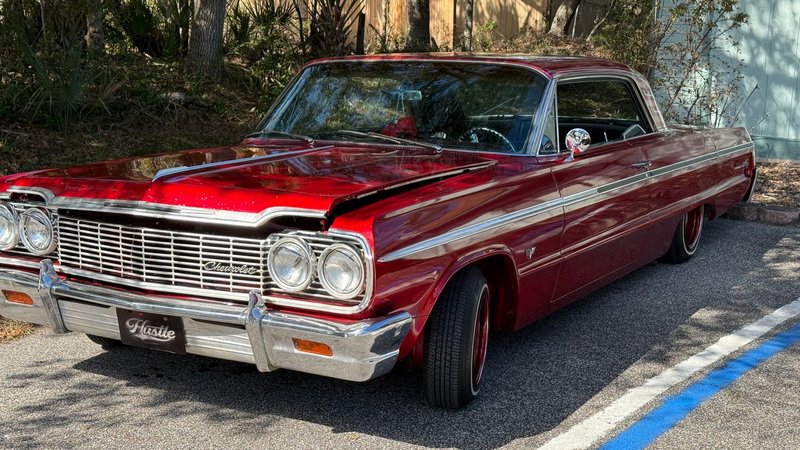
The full-size Chevy was still the default American car. Bench seat, 350 or 400 V8, enough trunk for a family’s luggage. It sold in huge numbers even as gas prices climbed, because plenty of buyers had a car like it in the driveway already and weren’t ready to switch. It also drank fuel at a rate that made the dealer’s small-car section look smart. For how Chevrolet’s lineup moved from muscle to economy over the decade, see 1970s Chevrolet cars: from muscle to fuel crisis.
2. Ford Pinto
The Pinto was the poster child for the shift to small cars. It was cheap, light, and available as a sedan, hatchback or wagon, and 1974 brought the new 2.3-liter overhead-cam four alongside the older 2.0. Sales reached roughly 360,000 by calendar-year counts. Its later reputation, tied to fuel-tank safety lawsuits, came after its sales peak. In 1974 it was simply the car people bought to stop thinking about gas.
3. Plymouth Valiant
The Valiant had no interest in being exciting. Its slant-six was famously durable, and it sold to people who wanted a car that started every morning and cost little to run. It was Chrysler’s answer to the compact boom, and with the Dodge Dart it was one of the most dependable cars on the road.
4. Ford Mustang II
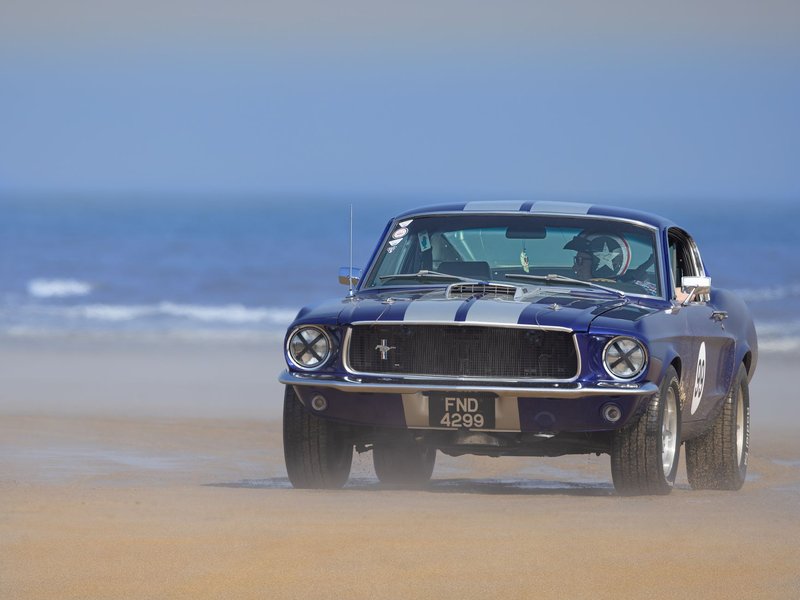
The Mustang grew fat by 1973, so Ford shrank it. The Mustang II, built on a Pinto platform, arrived for 1974 and landed at exactly the right moment, with sales of about 386,000 in its first year. Purists still wince at the base four-cylinder, and the V8 was gone entirely for 1974, but the formula of sporty looks plus small-car fuel economy worked.
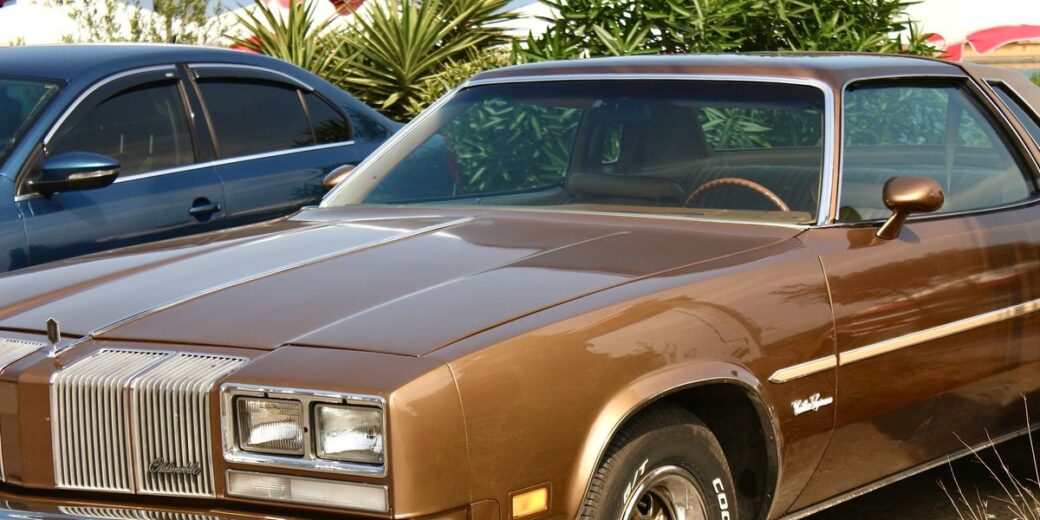
5. Chevrolet Chevelle
The Chevelle was the middle-of-the-road sweet spot: mid-size, roomy, available as a coupe, sedan or wagon, and offered with everything from a six-cylinder to a big V8. The Malibu trim was the version most families drove. It was also the last Chevelle generation before the nameplate began winding down.
6. Chevrolet Vega
The Vega was Chevy’s answer to the imports, a small hatchback with a modern-looking body and an aluminum-block four. It sold well, partly because it was one of the few American cars built from scratch to be small. Its reputation for rust and engine trouble caught up with it later.
7. Volkswagen Beetle
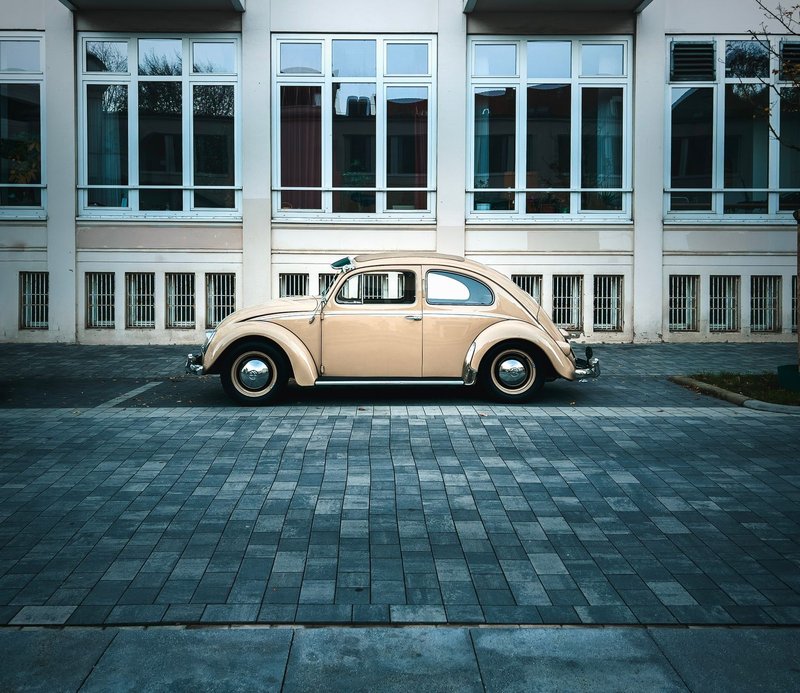
The Beetle kept selling to buyers who wanted cheap, simple, and miserly with fuel. The Super Beetle, with its curved windshield and MacPherson strut front suspension, was the version many Americans were buying. A decade of loyalty had made it the default alternative to Detroit, and the fuel crisis only sharpened its appeal.
8. Toyota Corolla and Datsun B210
Japanese brands were still filling in the gap Detroit left. The Toyota Corolla and the Datsun B210, which reached the US for 1974, offered low prices, strong mileage and reliability that the Big Three’s small cars struggled to match. This is the quiet start of the shift in American buying habits that would run through the next decade. The Datsun side of that story is covered in 1970s Nissan car models: the complete Datsun era guide.
9. Pontiac Firebird Trans Am
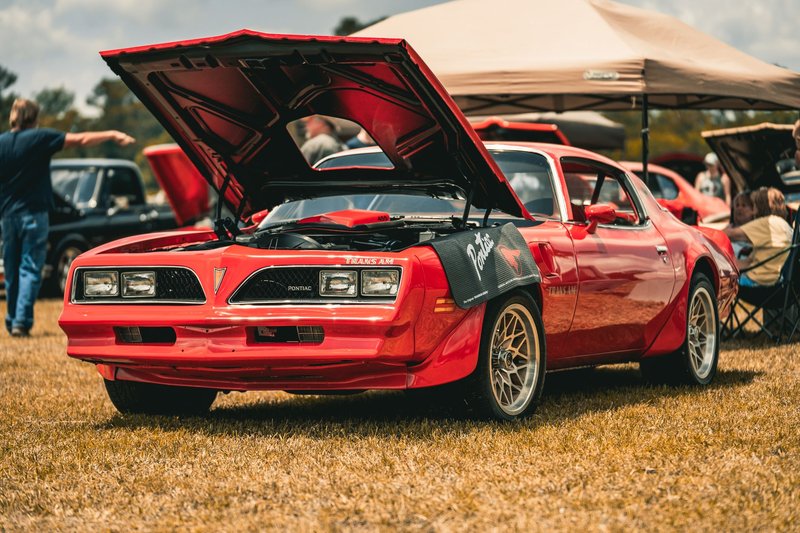
If one muscle car defined 1974 it’s this one. The Trans Am’s 455 Super Duty V8, rated at 290 horsepower, was the last of Pontiac’s true big-block performance engines, and only a small number were built. The shaker hood scoop and the screaming-chicken hood decal made it the car every teenager pinned to a bedroom wall. Burt Reynolds would make it a movie star a few years later. For how it compared with the decade’s other fast machines, see the fastest cars of the 1970s, ranked by top speed.
10. Chevrolet Corvette
The 1974 Corvette was the last year for the 454 big-block, and the last year with a chrome rear bumper before federal impact standards forced a redesign. Sales were about 37,500. The L82 small-block with 250 horsepower was the sensible performance choice, and it still looked like nothing else on the road.
11. Ford Cortina (UK)
Across the Atlantic the Cortina was the car. It was the best-selling model in Britain for much of the 1970s, a straightforward rear-drive family car sold with a long list of trims. Sales-ranking sources for 1974 consistently put it at or near the top, with the smaller Escort close behind. If a British family owned a Ford in 1974, odds were good it was one of these.
12. Austin Allegro (UK)
Launched in 1973, the Allegro was British Leyland’s big bet, and in 1974 it was selling in serious volume. It had a roomy cabin and a quirky square steering wheel on early cars. History has not been kind to its build quality and styling, but the year-one sales numbers were genuinely strong.
How the numbers stack up
A quick comparison of the characters on this list:
| Car | Market | Type | Fuel-economy angle |
|---|---|---|---|
| Chevrolet Impala | US | Full-size family | Thirsty, big V8 |
| Ford Pinto | US | Subcompact | Strong for its era |
| Plymouth Valiant | US | Compact | Durable slant-six |
| Ford Mustang II | US | Sporty compact | Four-cylinder only in 1974 |
| Volkswagen Beetle | Global | Small economy | Among the thriftiest on sale |
| Toyota Corolla | Global | Small economy | Excellent for its time |
| Pontiac Trans Am | US | Muscle | Poor, bought for power |
| Chevrolet Corvette | US | Sports car | Poor, bought for style |
| Ford Cortina | UK | Family | Moderate |
The pattern is obvious. The cars that sold in the greatest numbers were the ones that cost less to run, while the performance cars became symbols of an era closing rather than volume sellers. You can check official fuel-economy ratings for model years going back to 1984 at fueleconomy.gov, but 1974 cars predate the modern rating system, so period figures come from magazines and manufacturer claims.
Buying a 1974 car today
If you’re thinking about owning one, a few honest notes.
Trans Ams and Corvettes carry the premium. The 455 Super Duty Trans Am is among the most collectible Pontiacs ever built, and prices reflect it. A well-kept Corvette from the final big-block year is an easier entry point.
Pintos and Mustang IIs are cheap. They’re also fun, unpretentious classics with strong parts availability, and nobody at the car show has one.
Beetles remain the easiest. Parts are everywhere, mechanics know them, and they’re simple enough to learn on.
Rust is the enemy. Vegas, Allegros and most British cars of the period rusted aggressively. Check floors, sills and wheel arches before anything else.
Whatever you pick, 1974 gives you a car that reflects a particular moment, when Detroit was caught between horsepower and thrift, and buyers were deciding which side they were on.

Marco Delantero
More from Marco DelanteroHow we reviewed this article
This article was researched against manufacturer records and editorially reviewed before publishing. We accept no payment for coverage. Some guides contain affiliate links; see our affiliate disclosure.