TLDR
Most Americans in 1933 bought a Ford, a Chevrolet or a Plymouth. The Ford V-8 was the one with a V8 engine at a price ordinary people could reach. Willys, Terraplane and Essex fought for the budget buyer’s leftovers. At the top, Packard, Cadillac, Pierce-Arrow and Duesenberg sold in tiny numbers, but they were the cars everyone knew by name.
Contents
- Why 1933 was a strange year to buy a car
- Best-selling everyday cars
- Dream cars of the Depression era
- Quick comparison
- What Europe was driving
Why 1933 was a strange year to buy a car
Car sales had collapsed. US output fell from about 4.5 million vehicles in 1929 to roughly 1.4 million in 1932, and 1933 brought only a partial rebound to somewhere near 1.9 million. The Federal Reserve’s history of the Great Depression puts the worst of the banking crisis right at the start of 1933, which is the backdrop for every car on this list.
So popular cars in 1933 split in two. Anyone with a job and a few hundred dollars wanted something cheap, reliable and thrifty with fuel. Anyone with real money bought almost nothing, but the cars built for them were the most extravagant of the decade. Prices below are period dollars and approximate, since they varied by body style and by what the dealer was willing to throw in.
Best-selling everyday cars
Ford, Chevrolet and Plymouth, the “low-priced three,” accounted for most of the market. The rest of this section is the cars you’d actually see parked outside a 1933 diner.
Ford V-8 (Model 40)
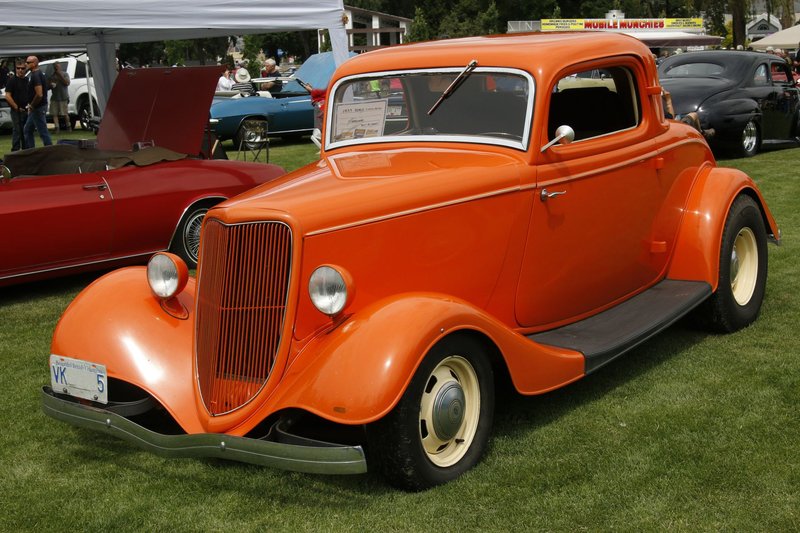
- Engine: 221 cu in flathead V8
- Power: 75 hp
- Price: roughly $500 to $650 depending on body
- Body styles: coupe, roadster, phaeton, Tudor and Fordor sedans, cabriolet
- Why it mattered: it was the only V8 you could buy near the price of a six.
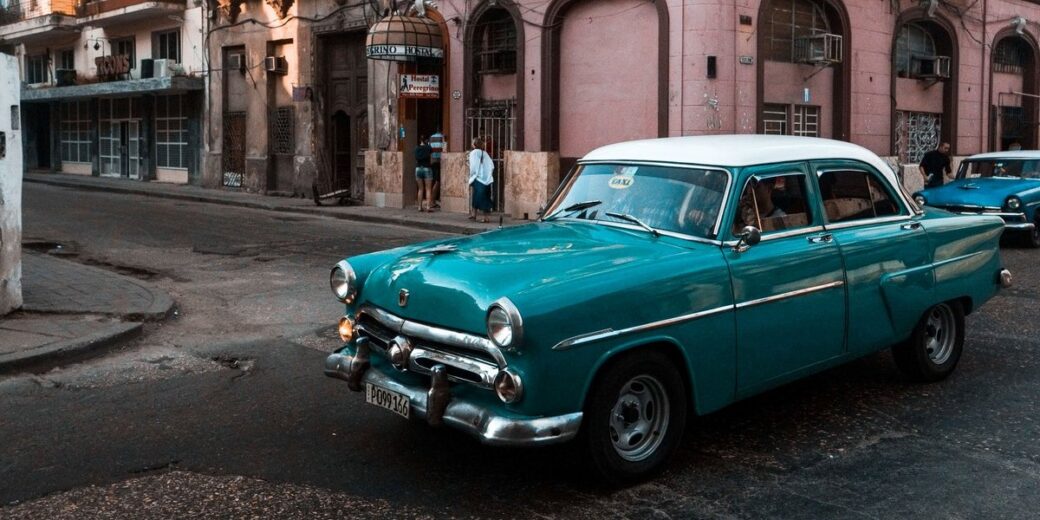
Ford launched the V8 for 1932 and the 1933 car, the Model 40, was the refined version: a longer 112-inch wheelbase, a slanted grille, and more power than the 65 hp original. A cheap V8 was something no rival could match, and it’s the reason the flathead became the engine hot rodders reached for for the next two decades. The Henry Ford holds the company’s records on the model.
Chevrolet Standard and Master
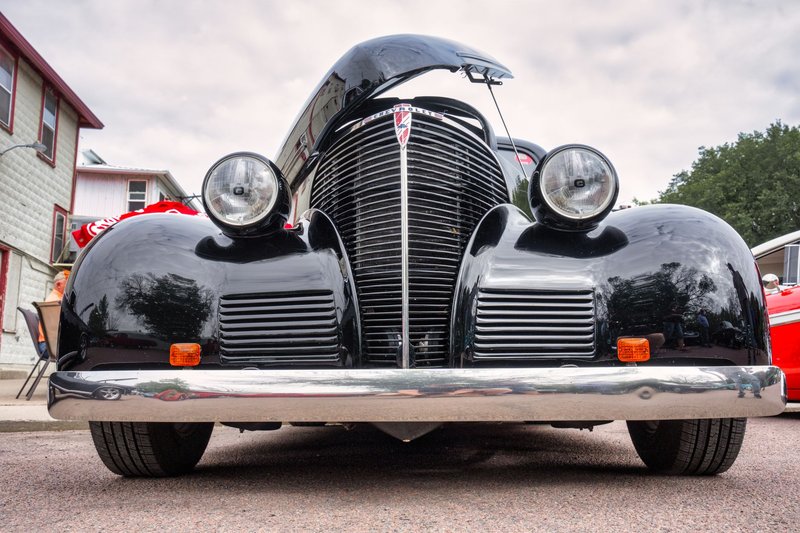
- Engine: overhead-valve inline six
- Power: roughly 60 to 65 hp
- Price: about $450 to $600
- Body styles: coupe, sport coupe, phaeton, sedans
- Why it mattered: it was the smooth six that kept Ford honest.
Chevrolet’s pitch was refinement. The inline six ran quieter than Ford’s V8, and the Master trim added a longer wheelbase and nicer interiors for buyers who wanted a step up without paying Buick money. General Motors had the financial muscle to ride out the slump, and Chevrolet stayed within a few percent of Ford in sales.
Plymouth PD
- Engine: 189 cu in flathead six
- Power: about 70 hp
- Price: roughly $500 to $650
- Body styles: coupe, rumble-seat roadster, convertible, sedans
- Why it mattered: the cheapest way to get a six with hydraulic brakes and “Floating Power” engine mounts.
Plymouth was Chrysler’s answer to Ford and Chevrolet, and by 1933 it had caught up to them in sales. The PD was the longer-wheelbase version of the line, with a 112-inch chassis, and it sold on engineering rather than on price. Rubber engine mounts that isolated vibration sound modest now. At the time, they made a Plymouth feel a class above its price tag.
Willys Model 77
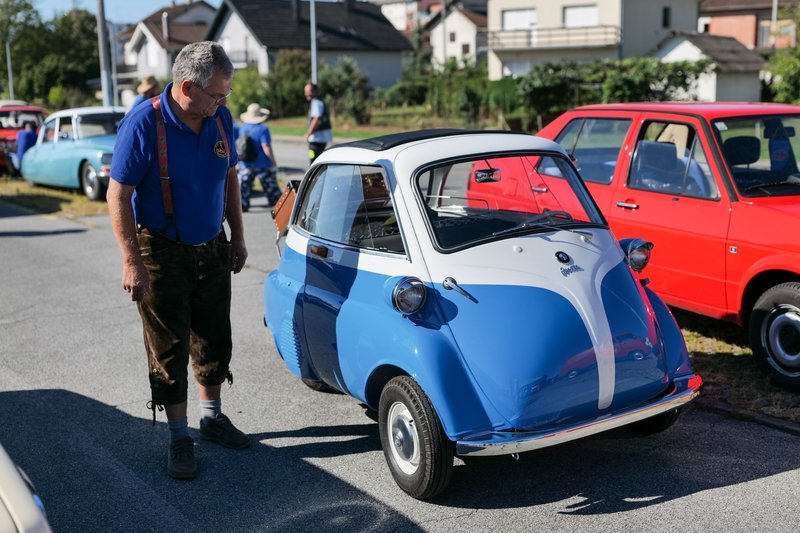
- Engine: 134 cu in four-cylinder
- Power: about 48 hp
- Price: around $400
- Body styles: coupe, coach, sedan, roadster
- Why it mattered: it was the cheap, light car that later became a drag-strip legend.
Willys-Overland was clinging to survival in 1933, and the Model 77 was its lifeline. It was small, light and cheap to run. That last point is exactly why it matters today: the 77’s low weight made it the favorite base for 1960s and 70s gassers, and collectors now pay far more for a 77 than anyone paid in 1933.
Terraplane
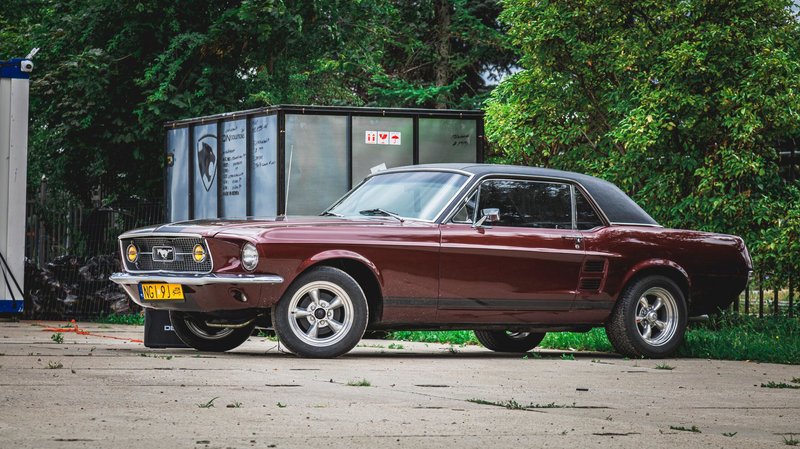
- Engine: 212 cu in flathead six
- Power: about 80 hp
- Price: roughly $450 to $600
- Body styles: coupe, coupe-roadster, sedans, convertible
- Why it mattered: it offered more power per dollar than almost anything else on the lot.
Hudson built the Terraplane to take on the low-priced three with a bigger engine in a lighter body. It worked. Three years later, Robert Johnson would immortalize the name in “Terraplane Blues,” which is probably the most famous thing any 1930s car ever got out of a song.
Essex
- Engine: 193 cu in flathead six
- Power: about 70 hp
- Price: roughly $400 to $550
- Why it mattered: it was the last year the old Essex name lived on.
For 1933 the cars wore the name Essex-Terraplane, a brand in transition. The Essex badge disappeared the next year, absorbed fully into Terraplane. If you’ve seen a car with both names on it, it’s from this transitional year.
Dream cars of the Depression era
Almost nobody bought these. That was the point: they were the cars you stared at in a showroom window or a magazine, and they set the standard the rest of the industry chased.
Packard Twelve
- Engine: 445 cu in V12
- Power: 160 hp
- Price: starting around $3,500 and climbing steeply with custom bodies
- Why it mattered: it was the quiet, dignified choice of people who didn’t need to prove anything.
Packard renamed its Twin Six as the Twelve for 1933. It was a car for bankers, senators and old money. A buyer got more than 12 cylinders: a vacuum-boosted braking system, a long wheelbase and coachwork by names like Dietrich and LeBaron, depending on the body.
Cadillac V16
- Engine: 452 cu in V16
- Power: about 165 hp
- Price: well over $5,000 for most bodies
- Why it mattered: it was the only production V16 anywhere, and a flex nobody could top.
Cadillac had introduced the V16 in 1930, just in time for the market to fall apart under it. By 1933 it was built in tiny numbers, mostly as custom-bodied cars for people the Depression had not touched. Cadillac kept it in the catalog as a halo.
Pierce-Arrow Silver Arrow
- Engine: 462 cu in V12
- Power: about 175 hp
- Price: $10,000 (five were built)
- Why it mattered: it looked years ahead of everything else on the road.
Pierce-Arrow showed the Silver Arrow at the 1933 New York Auto Show. The body was fully streamlined, with the fenders blended into the shape and the headlights tucked in, and it could reach about 115 mph. Only five were built, and the sale price was high enough that the company mostly used them to get attention. It worked, but not enough to save the company.
Duesenberg Model J
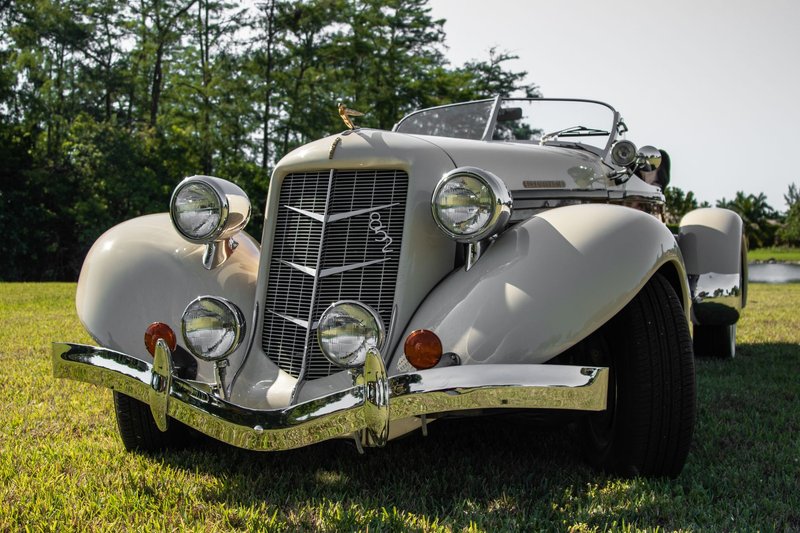
- Engine: 420 cu in straight eight, with a supercharged SJ version
- Power: 265 hp, or about 320 hp in the SJ
- Price: the chassis alone started around $8,500
- Why it mattered: it was the fastest and most expensive American car you could buy.
Duesenberg sold a bare chassis and let the buyer pick a coachbuilder, so no two were alike. The J was the first American car with a legitimate claim to a 100 mph third gear, and the supercharged SJ came in 1932. Hollywood stars and tycoons owned them. The phrase “it’s a Duesy” came out of that era, and it still means the best of something.
Quick comparison
| Car | Engine | Power | Approx. price | Role |
|---|---|---|---|---|
| Ford V-8 | 221 cu in V8 | 75 hp | $500 to $650 | Everyday |
| Chevrolet Master | Inline six | 60 to 65 hp | $450 to $600 | Everyday |
| Plymouth PD | 189 cu in six | 70 hp | $500 to $650 | Everyday |
| Willys 77 | 134 cu in four | 48 hp | About $400 | Budget |
| Terraplane | 212 cu in six | 80 hp | $450 to $600 | Everyday |
| Packard Twelve | 445 cu in V12 | 160 hp | $3,500 and up | Luxury |
| Cadillac V16 | 452 cu in V16 | 165 hp | $5,000 and up | Luxury |
| Pierce-Arrow Silver Arrow | 462 cu in V12 | 175 hp | $10,000 | Show car |
| Duesenberg J | 420 cu in straight eight | 265 hp | $8,500 chassis only | Ultra-luxury |
Run that table and the shape of the year shows up. A Ford and a Packard Twelve were separated by a factor of about seven in price, and by nearly 90 horsepower. For most people, that gap defined which car was “popular” and which was only admired.
What Europe was driving
Europe wasn’t copying Detroit. In Germany, the Mercedes-Benz 380 used a supercharged 3.8-liter straight eight and made about 120 hp with the blower engaged. In France, the Delage D8 was the elegant straight-eight choice for coachbuilders. In Britain, buyers lived in the small-car classes, where the Austin Seven and the 8 and 10 HP cars from Ford, Morris and others sold on running costs and tax rating rather than top speed.
What the continents shared was a market squeezed by the same slump. The difference was that Americans got a V8 for under $650 to cope with it.

Marco Delantero
More from Marco DelanteroHow we reviewed this article
This article was researched against manufacturer records and editorially reviewed before publishing. We accept no payment for coverage. Some guides contain affiliate links; see our affiliate disclosure.