Table of Contents
- Japan Wasn’t Allowed to Build Cars Yet
- The Datsun DA: The Car That Restarted Nissan
- The Datsun DB Series: A New Body for 1948
- Datsun DA vs. Datsun DB: What Actually Changed
- Why “Datsun” and Not “Nissan”?
- How Many Were Built, and Do Any Survive?
TLDR: In 1948, Nissan built exactly two passenger car lines, and both were sold under the Datsun name. The Datsun DA, a 722cc sedan that had launched in November 1947, continued production with a redesigned rear end. Alongside it, the all-new Datsun DB arrived in March 1948 with a modern ponton body and the same 722cc engine, moving into full series production that August. There was no third model, no separate “Nissan” badge, and no other body style — just these two cars, built in the same Yokohama plant, sharing the same running gear.
Japan Wasn’t Allowed to Build Cars Yet
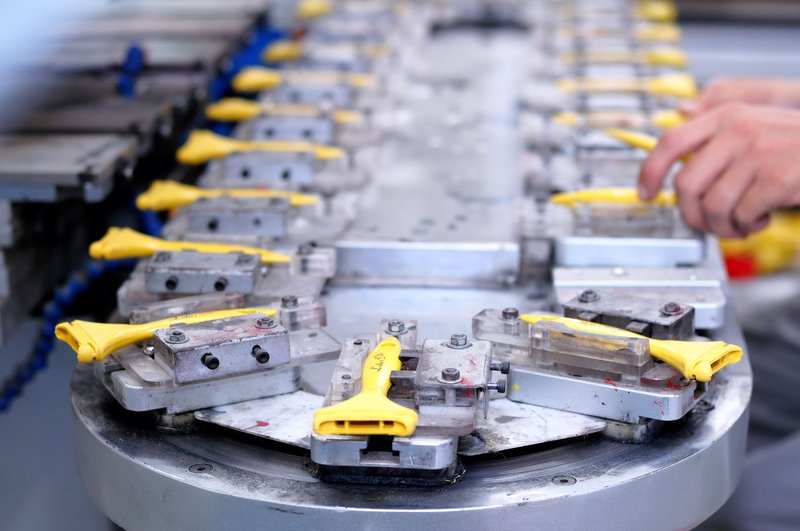
Start with the part most lists skip: in 1948, Nissan wasn’t legally free to build whatever it wanted. The Allied occupation government’s September 1945 Memorandum on Manufacturing Industry Operations banned passenger car production in Japan outright and permitted only trucks — a restriction that stayed in place, with the ceiling raised in careful increments, until June 1947. According to a history of Japan’s postwar motor industry, even after the initial ban eased, Japanese manufacturers were held to just a few hundred passenger cars a year nationwide, across every company combined.
That’s the frame the Datsun DA and DB were born into. Nissan wasn’t choosing a small, austere sedan out of thrift or minimalism — a 722cc engine and a two-door body were what the occupying authority’s industrial policy would allow. The Supreme Commander for the Allied Powers tracked Japanese industrial output down to individual factories, and passenger cars sat near the bottom of the priority list behind trucks needed for reconstruction and occupation logistics.
The Datsun DA: The Car That Restarted Nissan
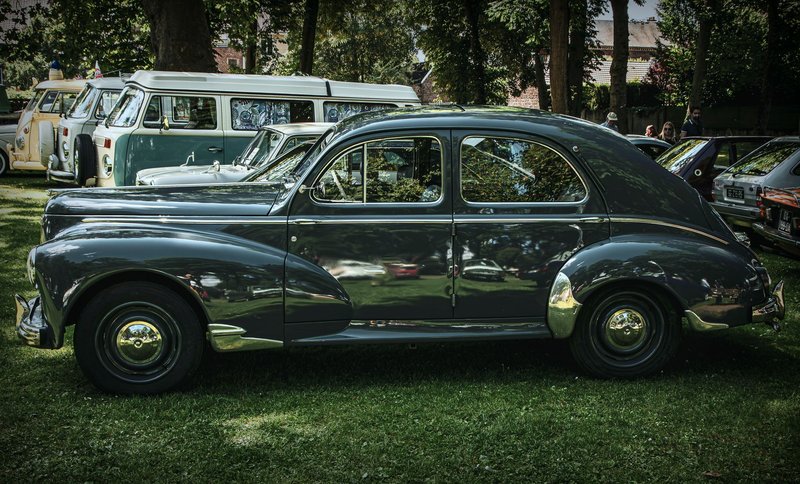
The Datsun DA reached dealers in November 1947, which makes it, technically, a 1947 model. It matters for 1948 because the DA didn’t stop there — it ran through the following year with a reworked rear section that traded its original boxy tail for cleaner, less abrupt lines, and stayed in production all the way to 1950.
Under the hood: a 722cc Type 7 sidevalve inline-four making around 16 horsepower, paired with a three-speed manual. The whole car weighed about 520 kg (1,146 lb) on a 2,006mm wheelbase — short enough that parking it required no particular skill. It was a two-door sedan built to move people through a country that had almost no functioning car industry left, on a chassis descended from Nissan’s prewar Austin Seven-derived designs.
None of that reads like a technical marvel, and it wasn’t meant to. The DA’s job was narrower: prove that Nissan could still assemble a complete passenger car under occupation-era material shortages and sell enough of them to keep the Yokohama plant running.
The Datsun DB Series: A New Body for 1948
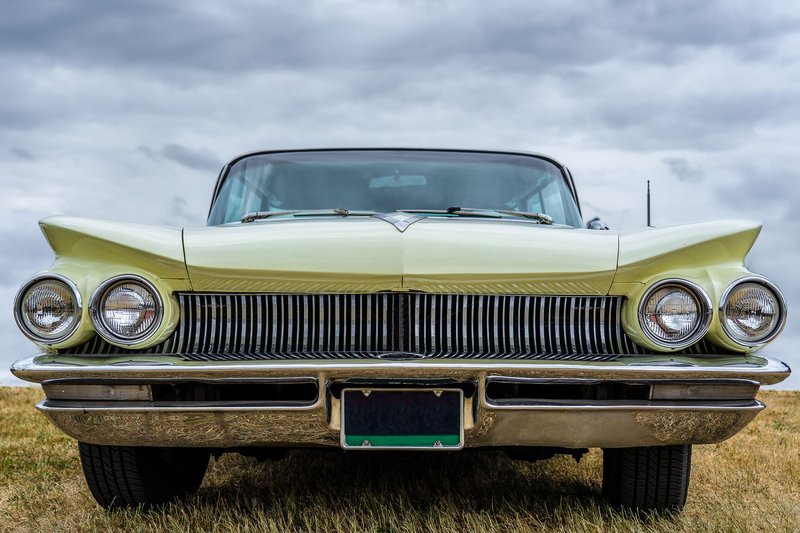
The DB is the actual news of 1948. It debuted in March that year as the more modern of the two cars — a ponton-bodied design, meaning the fenders were integrated into a smooth, flush-sided body instead of standing apart from it the way the DA’s did. After a trial run, Nissan moved the DB into full series production in August 1948.
The styling drew visible inspiration from the 1947 Crosley, an American economy car, though the DB wasn’t a copy: the front end ran longer, the windshield was a different rectangular shape, and the grille treatment was its own design. Mechanically, it shared the DA’s 722cc sidevalve four, rated around 15 horsepower, shifted through a floor-mounted three-speed. It even shared its chassis with Nissan’s small commercial trucks of the same period — trucks that, thanks to the occupation’s looser restrictions on commercial vehicles, sold in far greater numbers than either passenger car.
The DB stayed in production only through 1949, when the DB-2 replaced it. For a single calendar year, though, it was the newest, most modern-looking car Nissan made.
Datsun DA vs. Datsun DB: What Actually Changed
| Datsun DA | Datsun DB | |
|---|---|---|
| Body style | Two-door sedan, separate fenders | Two-door sedan, ponton (flush-sided) body |
| Engine | 722cc Type 7 sidevalve I4 | 722cc Type 7 sidevalve I4 (same family) |
| Output | ~16 hp | ~15 hp |
| Transmission | 3-speed manual | 3-speed manual, floor shift |
| Introduced | November 1947 | March 1948 (series production August 1948) |
| In production during 1948 | Yes — with a restyled rear | Yes — its launch year |
| Discontinued | 1950 | 1949, replaced by the DB-2 |
The engineering underneath is nearly identical. What changed was the skin, and how modern that skin looked sitting next to anything else on a Japanese street in 1948.
Why “Datsun” and Not “Nissan”?
Neither car ever wore a “Nissan” badge, and that wasn’t an accident of branding preference. Nissan’s prewar and wartime business had been deeply entangled with Japan’s military-industrial buildup — the company had shifted toward military truck production and extended operations into Manchuria through the Manchurian Motor Company. As historians of the Allied Occupation have documented, the occupation’s demilitarization and economic-purge policies specifically targeted the zaibatsu conglomerates and manufacturers tied to Japan’s war effort — exactly the association “Nissan” carried in 1948.
“Datsun” carried none of that baggage. It was already an established name from Nissan’s prewar small-car line, recognizable but disconnected from the parent company’s military manufacturing history. Selling postwar cars under that name, rather than the corporate one, was a deliberate way to rebuild a commercial reputation — particularly with American buyers and occupation authorities — without the Nissan name doing the talking.
How Many Were Built, and Do Any Survive?
Here’s where most sources go quiet, and it’s worth being straight about why: neither Nissan nor independent historians have published a clean, year-by-year production count splitting the DA and DB by calendar year 1948 specifically. What is documented is that the DA’s total run stretched from 1947 to 1950 and the DB’s from 1948 to 1949, both built in modest numbers relative to Nissan’s contemporary trucks, which had far fewer material restrictions working against them.
Surviving examples are genuinely rare. Nissan maintains restored postwar vehicles in its own heritage collection in Japan, and the handful of DA and DB cars that show up at Japanese classic-car events or in specialist collector circles are treated as significant finds rather than routine restorations. If you’re chasing a real one rather than reading about it, expect the search to run through Japanese collector networks first — these cars barely left the country when new, let alone in the decades since.
That scarcity is really the point of the whole story. The Datsun DA and DB weren’t built to last as collectibles. They were built to prove, one restricted, rationed unit at a time, that Nissan still had a passenger car business at all.

Marco Delantero
More from Marco DelanteroHow we reviewed this article
This article was researched against manufacturer records and editorially reviewed before publishing. We accept no payment for coverage. Some guides contain affiliate links; see our affiliate disclosure.