Search “1965 motorcycle models” and you get one of two things: a spec database with 180 entries and no context, or a single Wikipedia stub pointing at seven bikes. Neither tells you why 1965 actually matters. This is the year Honda put a 100-mph twin on American roads for less than a Triumph, Ducati set a 24-hour speed record with a 250cc single, and British manufacturers kept building beautiful, half-finished motorcycles as if nothing had changed. Something had.
Table of Contents
- Why 1965 Was a Turning Point
- BSA: Still the Establishment
- Honda: The CB450 Changes the Conversation
- Triumph: Refining, Not Reinventing
- Ducati: The Mach 1 Goes Hunting for Records
- Suzuki: The Two-Stroke Threat
- Harley-Davidson: The Electra Glide Era Begins
- BMW and Vespa: Two Different Kinds of Reliable
- 1965 Motorcycle Models Compared
- What 1965 Actually Left Behind
Why 1965 Was a Turning Point
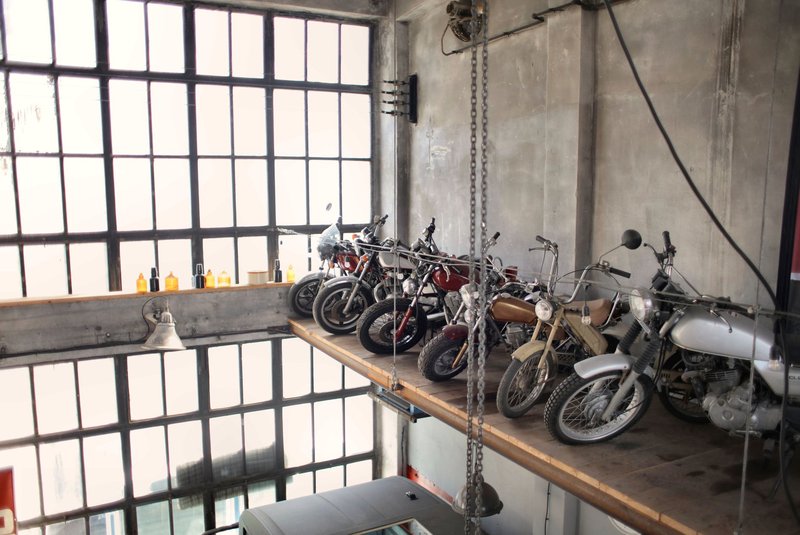
British manufacturers had run the motorcycle world for decades on the strength of good engines wrapped in indifferent electrics. Lucas earned the nickname “the Prince of Darkness” for a reason, and by the mid-1960s that reputation was starting to cost sales. Meanwhile, Honda had spent the early ’60s methodically dismantling the idea that Japanese bikes were cheap toys, first by winning the Isle of Man TT, then by exporting machines that started reliably in the rain.
1965 is the hinge point. Honda released the CB450, its first real shot at British twins on their own turf — big-bore, fast, road-going performance rather than a commuter bike. BSA, Triumph, and the rest of the British industry were still selling excellent motorcycles that year, and by most sales measures still winning. But the gap that would swallow the British motorcycle industry within a decade was already visible if you knew where to look.
BSA: Still the Establishment
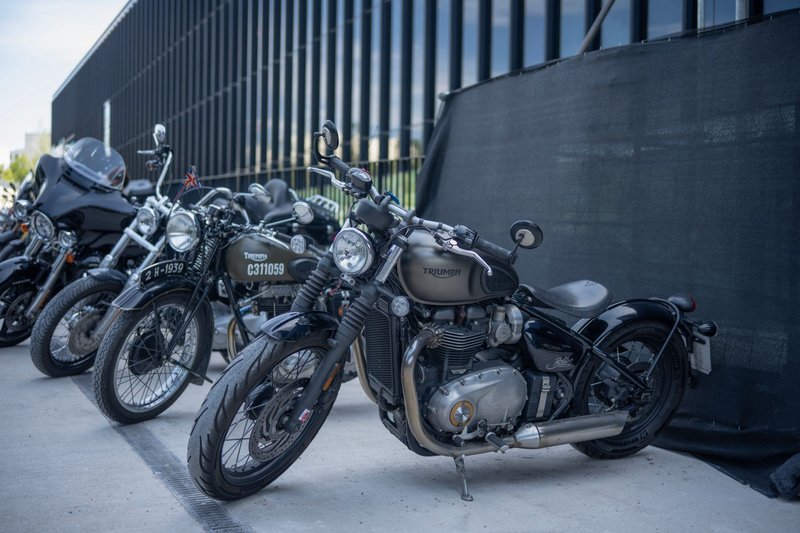
BSA entered 1965 as one of the largest motorcycle manufacturers on the planet, and the range showed it — more than 30 distinct models across displacement classes, from 75cc mopeds to the 650cc twins that carried the brand’s reputation.
The A65 Lightning was the flagship: a 654cc parallel twin making roughly 53 horsepower, good for a genuine 110 mph with the right gearing. It shared its basic architecture with the A50 Royal Star, BSA’s smaller-bore 500cc twin aimed at riders who wanted the same handling without the insurance bracket.
Below the twins sat the Bantam D7, a 175cc two-stroke single that had been BSA’s bread-and-butter commuter since the late 1940s and was still selling on the strength of being cheap to run and simple to fix. The Starfire, a 250cc single, filled the gap between the Bantam and the big twins — sportier than the commuter bikes, priced under the twins.
What BSA didn’t have in 1965 was anything close to the CB450’s combination of output and refinement. The Lightning made more peak power, but it vibrated at speed and leaked oil in ways riders had simply learned to accept.
Honda: The CB450 Changes the Conversation
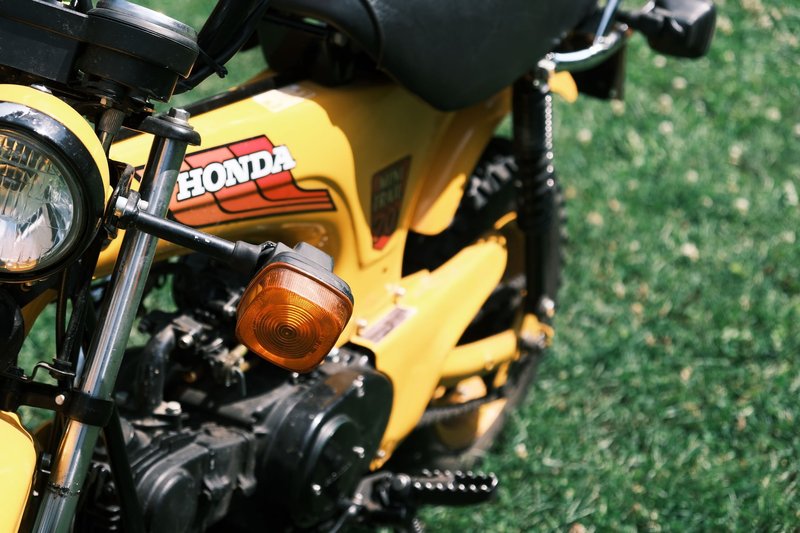
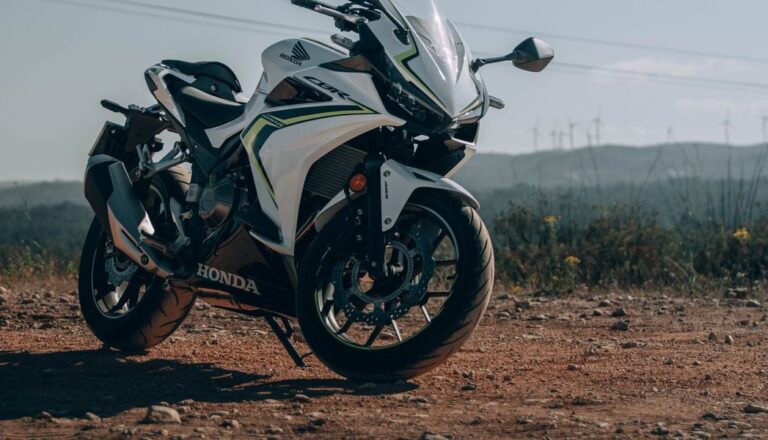
The CB450, nicknamed the “Black Bomber” for its near-black paint scheme, was Honda’s statement bike. A 444cc DOHC parallel twin with torsion-bar valve springs instead of conventional coils, it claimed around 43 horsepower at a screaming 8,500 rpm and could top 100 mph — numbers that put it within range of British 650s from a bike two-thirds the displacement.
The engineering choice that mattered wasn’t the number, it was the torsion-bar valvetrain: an unconventional solution Honda used specifically to avoid coil-spring fatigue at high revs, the kind of failure that plagued high-strung British engines pushed past their comfort zone. It was a small decision that told you everything about how differently Honda approached reliability.
Honda’s competition department was making the same point on track. Mike Hailwood rode for the factory team in the 250cc and 350cc World Championship classes through the mid-1960s, and Honda’s GP success fed directly back into how the road bikes were marketed — buyers weren’t just getting a motorcycle, they were buying into a company that was demonstrably winning.
Below the CB450, Honda’s 1965 range included the CB77 Super Hawk (305cc twin) and a wide field of smaller commuter and step-through models that quietly outsold everything else in the lineup and funded the CB450’s development.
Triumph: Refining, Not Reinventing
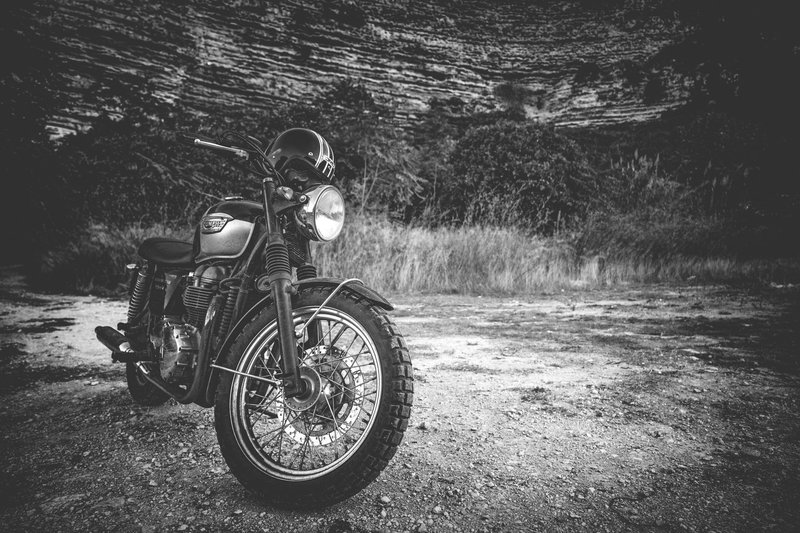
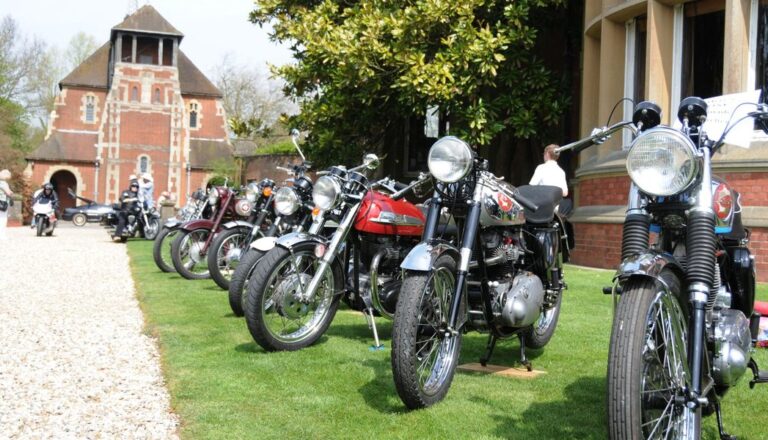
Triumph’s 1965 range leaned on a formula that had worked for a decade: the Bonneville T120, a 649cc parallel twin making around 46 horsepower with a top speed past 105 mph, unit-construction since 1963 and already a legend on both sides of the Atlantic. It was lighter and better-handling than most of its British rivals, and it looked the part — twin carbs, chrome tank, the silhouette every “classic British bike” illustration still borrows.
The Tiger 100 offered a milder, single-carb version of the same twin for riders who wanted Triumph’s handling without the Bonneville’s temperament, while the Trophy TR6 split the difference with a single-carb 650 tuned partly for off-road and desert-sled use — a configuration that found real traction with American riders road-racing and scrambling on the same bike.
Triumph wasn’t behind on handling or style in 1965. It was behind on the same thing every British manufacturer was behind on: an electrical system and general build tolerance that hadn’t kept pace with what Honda was now shipping as standard.
Ducati: The Mach 1 Goes Hunting for Records
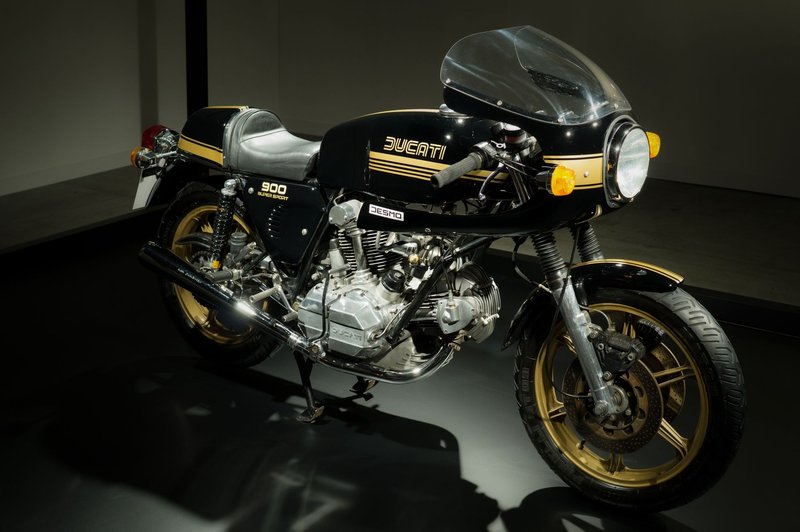
Ducati’s answer to “how fast can a 250 go” was the Mach 1, built around a bevel-driven overhead-cam single that punched well above its displacement class. Ducati claimed a genuine 106 mph (around 170 km/h) from the production version — a startling number for a quarter-liter motorcycle in 1965, and one that made the Mach 1 the fastest production 250 available anywhere.
Ducati backed the claim on the track: the factory ran endurance and speed records at Monza with the Mach 1 platform, using the results directly in advertising aimed at a rider who cared more about lap times than chrome. It’s a different pitch than Honda’s reliability story or BSA’s heritage story — Ducati sold speed, full stop, and the Mach 1 delivered it in a package light enough to out-corner most of the bigger twins on this list.
Suzuki: The Two-Stroke Threat
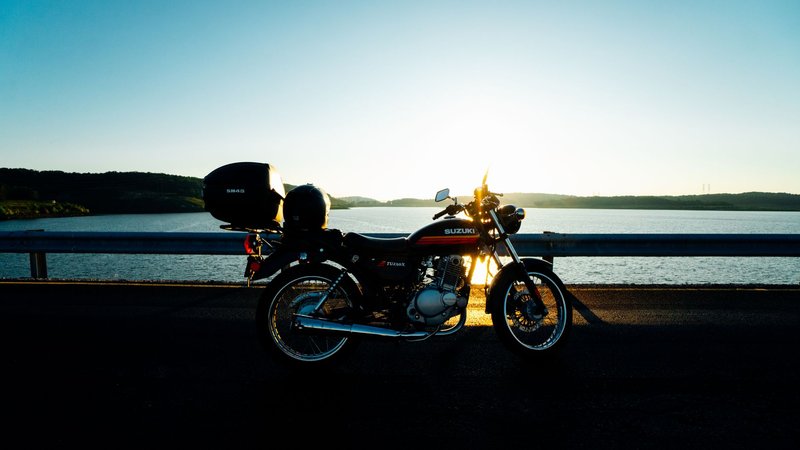
Suzuki’s T20 Super Six (badged the X6 Hustler in the US) took a different route to the same destination: a 247cc two-stroke twin paired with a six-speed gearbox, unusual for any motorcycle in this displacement class in 1965, let alone a two-stroke. The extra ratio let the small twin stay in its power band, and Suzuki claimed close to 29 horsepower and a top speed over 100 mph — numbers that embarrassed larger four-stroke singles from British and European makers.
The Super Six mattered less for outright performance than for what it signaled: Japanese manufacturers weren’t going to compete with Britain only at the top of the range. They were going to win the middleweight class too, on price, on tuning sophistication, and on a gearbox count nobody else was offering.
Harley-Davidson: The Electra Glide Era Begins
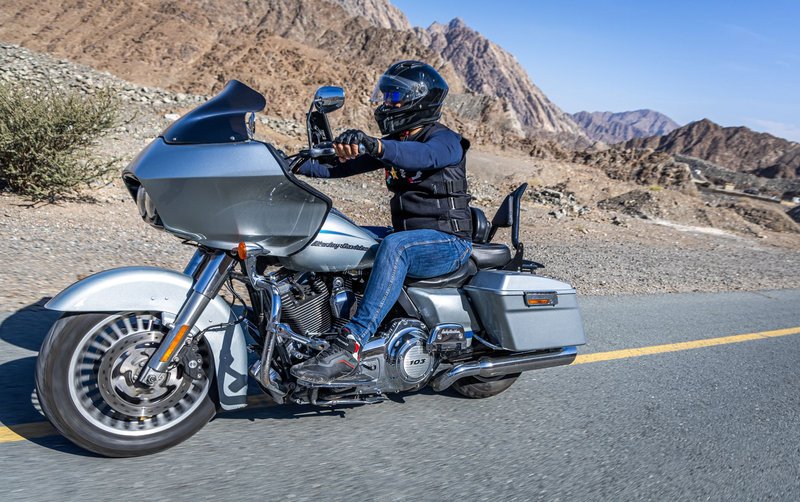
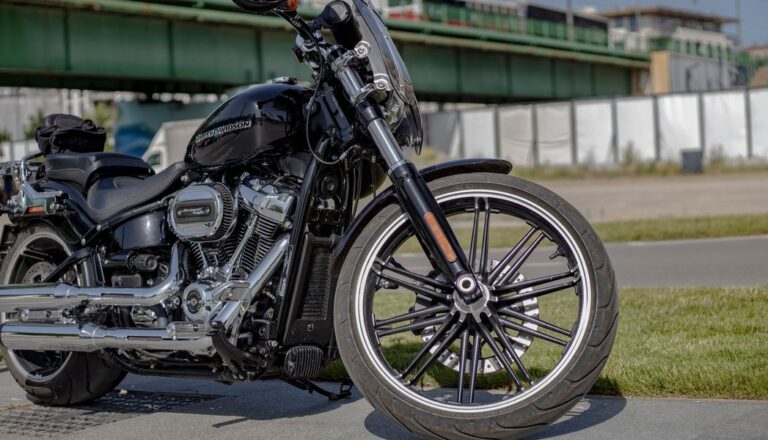
1965 was a hinge year for Harley-Davidson too, just a domestic one. The FLHB Electra Glide introduced electric start to Harley’s big touring twin for the first time, running on the 1,200cc Panhead engine in its final production year before the Shovelhead took over in 1966. For a company that had built its identity on kickstart-only simplicity, electric start was a meaningful concession to what riders actually wanted.
Harley’s other major 1965 model, the Sportster XLCH, stayed kickstart-only and leaned into a different identity entirely: an 883cc V-twin built for stripped-down acceleration rather than touring comfort, aimed at a younger rider who wanted the Harley badge without the Electra Glide’s bulk.
Harley wasn’t competing with Honda or Ducati on the same terms in 1965 — the domestic market and the touring/cruiser segment insulated it, for a while, from the pressure British manufacturers were already feeling.
BMW and Vespa: Two Different Kinds of Reliable
BMW’s 1965 range centered on the R69S, a 594cc boxer twin making around 42 horsepower, prized less for outright speed than for a smoothness and build quality that made it a favorite for long-distance touring and sidecar use. The shaft drive and horizontally-opposed layout kept vibration down at a time when every parallel-twin competitor on this list shook noticeably at highway speed. The smaller R50/2 and R60/2 rounded out BMW’s line for buyers who didn’t need the R69S’s performance.
Vespa’s contribution looked nothing like the rest of this list, and that was the point. The 150 Sprint and GS160 were built for urban transportation, not top speed — small-displacement two-strokes wrapped in Vespa’s monocoque steel body, sold on practicality, weather protection, and a purchase price that undercut every motorcycle above. Vespa wasn’t chasing the same buyer as BSA or Ducati, and in 1965 that buyer was a growing share of the market.
1965 Motorcycle Models Compared
| Model | Displacement | Approx. Power | Notable Feature |
|---|---|---|---|
| Honda CB450 | 444cc twin | ~43 hp | Torsion-bar DOHC valvetrain, “Black Bomber” |
| BSA A65 Lightning | 654cc twin | ~53 hp | Flagship British twin, ~110 mph top speed |
| Triumph Bonneville T120 | 649cc twin | ~46 hp | Unit-construction twin-carb icon |
| Ducati Mach 1 | 250cc single | N/A (106 mph claimed) | Fastest production 250 of its era |
| Suzuki T20 Super Six | 247cc twin | ~29 hp | First six-speed gearbox in its class |
| Harley-Davidson Electra Glide | 1,200cc twin | N/A | First electric-start big twin |
| BMW R69S | 594cc twin | ~42 hp | Shaft-drive smoothness for touring |
| Vespa GS160 | 158cc single | N/A | Urban practicality over performance |
What 1965 Actually Left Behind
None of these manufacturers knew in 1965 which direction the next decade would break. BSA and Triumph were still profitable, still respected, still outselling Honda’s big twins in raw numbers. But the CB450 and the Super Six weren’t outliers — they were previews. Within ten years, the same pattern that made the Black Bomber possible (methodical engineering, tight tolerances, reliability treated as a baseline rather than a luxury) would gut the British motorcycle industry almost entirely.
If you’re chasing one of these bikes today, the CB450 and the Bonneville T120 are the two most collected, and prices reflect it. The Ducati Mach 1 is rarer and commands a premium among collectors who know what the badge meant before Ducati became a superbike brand. Whatever you’re restoring or shopping for, 1965 is a good year to start looking — it’s the year the motorcycle world’s balance of power actually started to move.

Sarah Thornton
More from Sarah ThorntonHow we reviewed this article
This article was researched against manufacturer records and editorially reviewed before publishing. We accept no payment for coverage. Some guides contain affiliate links; see our affiliate disclosure.