Table of Contents
- TLDR
- 2021 Tesla Lineup at a Glance
- Model 3: The One Most People Actually Bought
- Model Y: The Year It Became the Practical Choice
- Model S: The Yoke, the Refresh, and Plaid
- Model X: Same Refresh, Falcon Doors Attached
- Which 2021 Tesla Fits Which Buyer
- Buying a 2021 Tesla Used in 2026
- FAQ
TLDR
If you just want the short version: the Model 3 is the one to buy if you want the cheapest, most efficient entry into the lineup. The Model Y is the same car with a hatchback and more cargo room, and by late 2021 it had become the better-selling choice for anyone hauling gear or kids. The Model S, refreshed in January 2021, brought a genuinely divisive yoke steering wheel and the sub-2-second Plaid variant. The Model X got the same interior and powertrain overhaul but kept its falcon-wing doors, which is either the whole appeal or the whole problem depending on who you ask. On the used market in 2026, a 2021 Model 3 is the value play — five years in, it’s held up better than almost any other EV on the road.
2021 Tesla Lineup at a Glance
Tesla changed prices on all four models multiple times throughout 2021 — sometimes month to month, since a price change was just a software update to the website rather than a new model-year negotiation with dealers. Treat the numbers below as representative of where each trim landed during the year, not a fixed sticker.
| Model | Trim | Starting Price | EPA Range | 0–60 mph | Top Speed |
|---|---|---|---|---|---|
| Model 3 | Standard Range Plus | $37,990 | 263 mi | 5.3 sec | 140 mph |
| Model 3 | Long Range | $46,990 | 353 mi | 4.2 sec | 145 mph |
| Model 3 | Performance | $56,990 | 315 mi | 3.1 sec | 162 mph |
| Model Y | Long Range | $49,990 | 326 mi | 4.8 sec | 135 mph |
| Model Y | Performance | $60,990 | 303 mi | 3.5 sec | 155 mph |
| Model S | Long Range | $89,990 | 405 mi | 3.1 sec | 155 mph |
| Model S | Plaid | $129,990 | 396 mi | 1.99 sec | 200 mph |
| Model X | Long Range | $89,990 | 371 mi | 3.8 sec | 155 mph |
| Model X | Plaid | $119,990 | 340 mi | 2.5 sec | 163 mph |
Two things jump out. First, the Model 3 Long Range has a longer EPA range than the significantly larger, significantly pricier Model X Long Range — aerodynamics and weight do more for range than battery size alone. Second, the Model 3 Long Range’s 353-mile EPA rating came from a mid-2021 efficiency refresh, so earlier 2021 build cars advertised slightly less.
Model 3: The One Most People Actually Bought
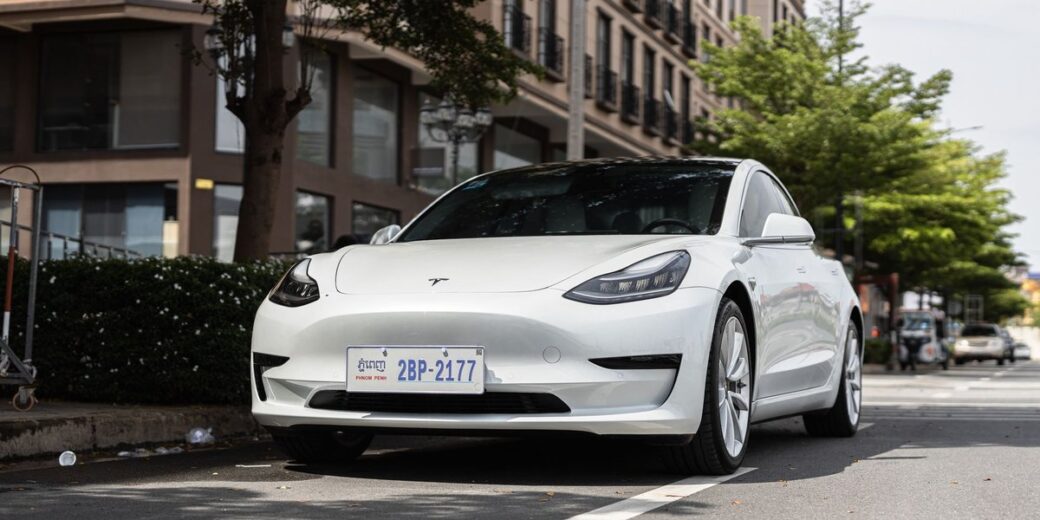
The Model 3 was already three years into production by 2021, and it shows in how sorted the car felt. No launch-year build quality complaints, no waiting list drama — just a sedan you could order and have in your driveway within weeks.
The Standard Range Plus was the volume seller: 263 miles of range, a 5.3-second 0-60, and a starting price under $38,000 before any incentives. For a lot of buyers that was plenty — most commutes don’t come close to 263 miles, and the car undercut a comparably equipped BMW 3 Series by a wide margin. The Long Range added all-wheel drive and pushed range past 350 miles, which made it the sweet spot for people who wanted to road-trip without Supercharger anxiety. The Performance trim topped out at 162 mph and ran the quarter-mile in the low 11s, numbers that embarrassed cars costing twice as much.
What made 2021 specifically a good Model 3 year: Tesla quietly swapped in a new front motor design mid-year that bumped efficiency across the range, and the Model 3 earned an IIHS Top Safety Pick+ rating for cars built after April 2021, once the crash-avoidance software matured on Tesla’s camera-only system.
Model Y: The Year It Became the Practical Choice
The Model Y shares most of its bones with the Model 3 — same platform, same motors, same interior architecture — but wraps it in a taller hatchback body with a fold-flat rear seat and a frunk big enough for a couple of carry-ons. That’s the whole pitch, and in 2021 it started resonating: families cross-shopping a Model 3 against a compact SUV increasingly picked the Y instead.
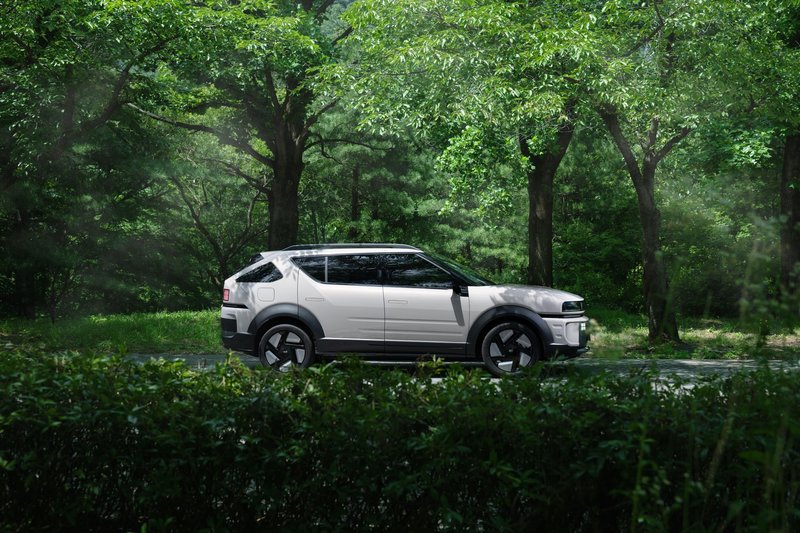
2021 was also the year the Model Y lineup filled out. Tesla added a seven-seat configuration with a third row, aimed squarely at buyers who’d otherwise look at a three-row crossover. It’s tight back there — better for kids on short trips than adults on long ones — but it’s the kind of option that turns a maybe into a yes for a specific type of buyer. The Long Range trim delivered 326 miles of range with all-wheel drive standard, and the Performance trim matched the Model 3 Performance’s 3.5-second sprint while carrying more cargo.
The tradeoff versus the sedan: worse aerodynamics mean the Y gives up range and efficiency for the taller shape and extra utility. If you don’t need the cargo room, the Model 3 remains the more efficient buy.
Model S: The Yoke, the Refresh, and Plaid
Tesla announced the refreshed Model S in late January 2021, ahead of its Q4 earnings call, and it was a bigger overhaul than a typical mid-cycle update. New interior, a horizontal touchscreen borrowed from the Model 3’s design language, a redesigned battery pack shared with the smaller cars, and — the detail everyone actually talked about — a steering yoke instead of a round wheel.
The first yoke-equipped cars reached customers in June 2021, and for a while it wasn’t optional. You bought a new Model S, you got the airplane-style half-wheel, full stop. Reviewers were split: some found it natural after a week of adjusting, others hated it for parking lots and low-speed maneuvers where a traditional wheel’s extra rotation matters. The controversy had enough legs that Tesla later logged a formal safety recall tied to owners retrofitting round wheels onto yoke-spec cars with mismatched airbag hardware — a very specific, very 2021-Tesla kind of problem.
The other headline was Plaid. Three motors, a claimed 1,020 horsepower, and a 0-60 time under two seconds — figures that put it in hypercar territory at a fraction of the price. Plaid deliveries started in June 2021, and for a stretch it was the quickest production car Tesla had ever built, full stop. The standard Long Range trim wasn’t slow either: 3.1 seconds to 60 and 405 miles of range, numbers that would’ve been flagship-tier for any other manufacturer that year.
Model X: Same Refresh, Falcon Doors Attached
The Model X got the identical interior and powertrain refresh as the Model S — new battery pack, new screen, the yoke — bolted onto the only Tesla with falcon-wing rear doors. Those doors remain the car’s signature party trick and its most polarizing feature: they open beautifully in a tight parking spot, and they occasionally hunt for obstacles with sensors that can turn a five-second exit into a fifteen-second one.
The Long Range trim carried 371 miles of range with 3.8-second 0-60 performance, respectable for a three-row SUV that weighs over 5,300 pounds. Plaid dropped that to 2.5 seconds, which is a genuinely strange sensation in a vehicle this size — like feeling a minivan pull like a sports car. Range took a hit in the Plaid trim, landing at 340 miles, the tradeoff for the extra motor and performance hardware.
Where the X earns its keep is the second-row captain’s chairs and the standard seven-seat layout, something the Model Y only offers as an add-on. If three rows and true cargo capacity matter more than efficiency, the X is the only Tesla built for that job.
Which 2021 Tesla Fits Which Buyer
- You want the cheapest way into a Tesla and drive a normal commute: Model 3 Standard Range Plus. 263 miles covers almost every daily use case, and it’s the lowest price of entry in the lineup.
- You road-trip regularly or want all-wheel drive as a baseline: Model 3 Long Range. 353 miles of EPA range is class-leading for the price, and it doesn’t carry the Y’s height penalty.
- You need to haul kids, gear, or a dog, and cargo room matters more than efficiency: Model Y. The fold-flat rear seats and frunk do real work that the sedan can’t.
- You occasionally need a third row and don’t want to compromise on range: Model Y with the seven-seat option, unless you regularly carry adults back there — in which case, look at the X.
- You want flagship range, a genuinely quick car, and can live with (or embrace) the yoke: Model S Long Range.
- You want the fastest accelerating car sold in 2021, full stop: Model S Plaid.
- You need three rows of real adult-sized seating plus Tesla’s tech and range: Model X Long Range.
- Budget isn’t the constraint and you want the falcon doors and the fastest SUV on sale: Model X Plaid.
Buying a 2021 Tesla Used in 2026
Five years out, the calculus on a 2021 Tesla looks different than it did at launch, and most of what’s written about these cars still reads like it’s 2021. A few things worth knowing if you’re shopping used.
Depreciation has been kinder to the Model 3 than most EVs. Early Tesla battery and drivetrain reliability data has held up well over five years and roughly average annual mileage, and that reputation is a real factor in resale value — used Model 3s haven’t cratered the way a lot of first-generation EVs from other manufacturers have.
The federal tax credit angle changed. If you’re used to hearing that a used EV purchase might qualify for a credit, that’s no longer the case for a 2026 purchase — the Previously-Owned Clean Vehicle Credit stopped applying to vehicles bought after September 30, 2025. Factor the full asking price into your budget; there’s no federal rebate cushioning it anymore.
Battery health matters more than mileage alone. A 2021 Tesla with 70,000 gentle highway miles often has a healthier pack than one with 30,000 miles of aggressive Supercharging and full 100% charges. Ask for a battery health readout before you buy, not just an odometer number.
The yoke is a dealbreaker for some used buyers, and that shows up in pricing. A used 2021 Model S or X with the yoke installed tends to sit on lot longer than one that’s since been retrofitted with a round wheel, since Tesla brought the round wheel back as an option in 2023. If you’re yoke-averse, budget for the swap or shop specifically for a car that’s already had it done.
Is a 2021 Tesla worth buying used? For the Model 3 and Model Y specifically, yes — strong reliability data, wide charging infrastructure, and a car that still feels current five years later make a strong case. The Model S and X are pricier propositions even used, and the yoke question is worth sitting in a car and deciding for yourself before you commit.
FAQ
What’s the difference between the 2021 Model S Long Range and Plaid? Long Range uses two motors and does 0-60 in 3.1 seconds with 405 miles of range. Plaid adds a third motor, drops the 0-60 time to 1.99 seconds, and trims range slightly to 396 miles.
Did every 2021 Model S and X come with the yoke? Once the refreshed cars started shipping in June 2021, yes — the yoke was the only steering wheel Tesla offered on those trims that year. The round wheel didn’t return as an option until 2023.
Is the Model Y just a taller Model 3? Mechanically, they’re close relatives — same platform and motors — but the Y trades some efficiency and range for a taller body, more cargo room, and an optional third row the Model 3 doesn’t offer at all.
Which 2021 Tesla holds its value best on the used market? The Model 3, consistently. It benefits from the largest production numbers, the strongest reliability track record in the lineup, and steady demand from buyers looking for the lowest-cost entry into the brand.
Was the Model 3 or Model Y faster in 2021? Trim for trim, the Model 3 edges out the Model Y in every performance metric — lighter weight and better aerodynamics mean quicker 0-60 times and higher top speeds across Standard Range, Long Range, and Performance trims.

Daniela Voss
More from Daniela VossHow we reviewed this article
This article was researched against manufacturer records and editorially reviewed before publishing. We accept no payment for coverage. Some guides contain affiliate links; see our affiliate disclosure.