1962 was the year the American mid-size car was born, the year Ferrari built the most valuable car ever sold, and the year GM figured out how to make a hardtop look like a convertible. Three very different things happened in the same twelve months, and the model year sits at a strange crossroads because of it. Detroit was still selling chrome and cubic inches by the boatload, Europe was quietly building the cars that would define the decade, and the muscle car era was one Pontiac engine option away from kicking off.
This is a tour through the 1962 car models worth knowing — the icons, the oddballs, and the everyday sedans that mattered more than they looked. Each one gets the specs, the production numbers, the original sticker, and the honest answer to the question most people actually want: what’s it worth now?
Table of Contents
- TLDR: The 1962 Models That Matter
- What Was Happening in 1962
- American Full-Size & Personal Luxury
- The New Mid-Size Class
- American Sports Cars & Performance
- European Sports Cars & Exotics
- Economy & Everyday Cars
- 1962 Car Values at a Glance
- Buying a 1962 Car Today
TLDR: The 1962 Models That Matter
If you only remember a handful from this year, make it these. The Ferrari 250 GTO is the financial outlier — one sold for around $48.4 million, making it the most valuable car in history. The Jaguar E-Type remains the prettiest car of the decade and the best value-for-beauty buy on this list. The Chevrolet Corvette caps off the first generation with the cleanest styling of the run. The Pontiac Grand Prix invented the affordable personal-luxury coupe. And the Lotus Elan quietly changed how every sports car after it would be engineered.
Everything else below earns its place. But those five are the year’s headline acts.
What Was Happening in 1962
To understand the cars, you have to understand the moment. The post-war boom was peaking, gas was cheap, and the average American family was buying bigger cars every year. The three Detroit giants were locked in a horsepower race that the public couldn’t get enough of.
General Motors led on styling. Its 1962 full-size cars introduced the convertible-look hardtop roofline — a squared-off rear window and thin pillars that mimicked a soft-top with the roof up. It was a small detail that aged beautifully.
Ford launched its “Total Performance” marketing push and, more importantly, introduced the Fairlane as a brand-new intermediate size — bigger than a compact, smaller than a full-size. That single decision created the mid-size segment that the muscle car era would later detonate. Chrysler, meanwhile, made the worst read of the year: it downsized its full-size Dodge and Plymouth lines based on a rumor that Chevrolet was going small. Chevrolet didn’t. Buyers stayed away from the awkwardly proportioned Mopars in droves.
Over in Europe, a different game was being played. The British and Italians weren’t chasing cubic inches — they were chasing handling, lightness, and beauty. The cars they shipped in 1962 would go on to dominate racing and define collectible taste for the next sixty years.
American Full-Size & Personal Luxury
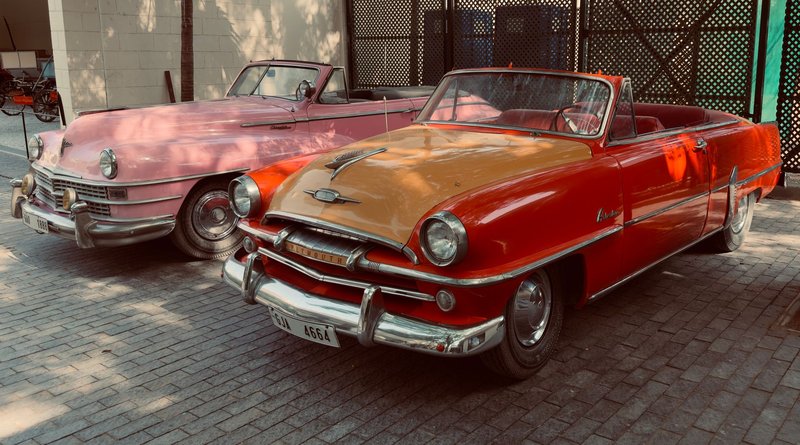
1962 Pontiac Grand Prix
The Grand Prix is the quiet revolution on this list. Pontiac took its full-size Catalina, stripped off most of the chrome, blacked out the grille, fitted bucket seats and a center console, and created the affordable personal-luxury coupe — a formula every American brand would chase for the next two decades and one that helped earn it a place among the best coupes ever built across every era.
- Engine: 389 cu in V8, up to 333 hp (Trophy 425-A)
- Production: ~30,195
- Original price: ~$3,490
- Why it mattered: It split the difference between a family sedan and a sports car, and proved a huge market existed for exactly that.
1962 Buick Riviera (Skylark/Wildcat era note)
The proper Riviera arrived for 1963, but 1962 gave us the Wildcat — a sportier, bucket-seat Invicta hardtop that previewed Buick’s personal-luxury direction. The 401 cu in “Nailhead” V8 made 325 hp and moved a two-ton coupe with surprising authority.
- Engine: 401 cu in V8, 325 hp
- Production: ~2,000 (Wildcat, first year)
- Original price: ~$3,900
- Why it mattered: It set up the Riviera that followed and showed Buick chasing the same affordable-luxury buyer as Pontiac.
1962 Chevrolet Impala SS
The Impala was Chevrolet’s best-seller, and the Super Sport package turned the year’s clean full-size styling into something with intent. Order it with the new 409 cu in V8 and you had a genuine street terror — the same engine the Beach Boys put a song to that year.
- Engine: up to 409 cu in V8, 409 hp (dual-quad)
- Production: ~99,300 SS-equipped
- Original price: ~$2,670 base, more with the 409
- Why it mattered: The 409 Impala SS is one of the foundational full-size factory hot rods.
The New Mid-Size Class
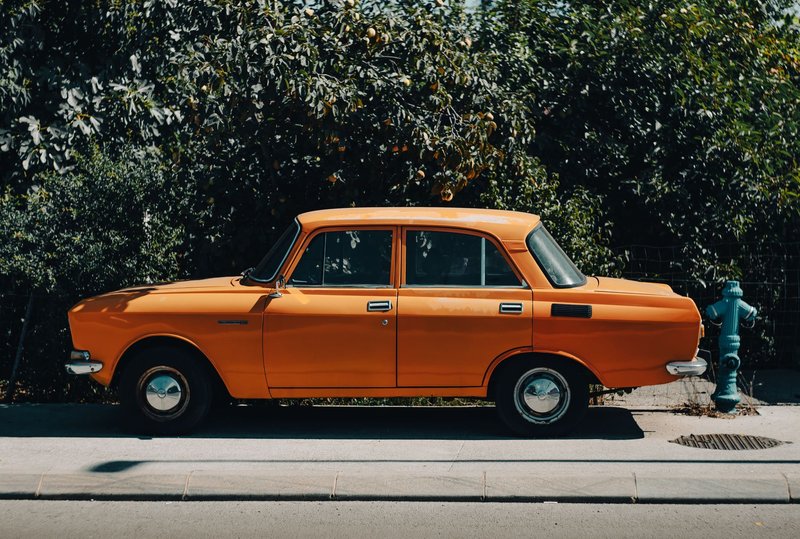
1962 Ford Fairlane
The Fairlane is the most important practical car of 1962 even though it’s the least exciting to look at. Ford created an entirely new size class with it, and along with it came the new “Challenger” small-block V8 — a 221 cu in lightweight engine that would grow into the 289 and 302 and power everything from Mustangs to Cobras.
- Engine: 221 / 260 cu in V8 (the first thin-wall small-block Windsor)
- Production: ~297,000
- Original price: ~$2,150
- Why it mattered: It invented the American intermediate segment and birthed the small-block V8 family that defined Ford performance for decades.
1962 Plymouth Fury (downsized)
The cautionary tale. Chrysler shrank its full-size cars on a bad hunch, and the resulting Fury looked oddly proportioned next to the big, confident Chevrolets and Fords. Sales suffered. The mechanicals were sound — and the cars were lighter and quicker than their rivals — but the market had spoken.
- Engine: 318 / 361 / 413 cu in V8 options
- Production: sharply down year-over-year
- Original price: ~$2,580
- Why it mattered: It’s the textbook example of how badly a styling-and-sizing misread can hurt, even when the engineering is fine. Those lighter “downsized” Mopars later became drag-strip favorites.
American Sports Cars & Performance
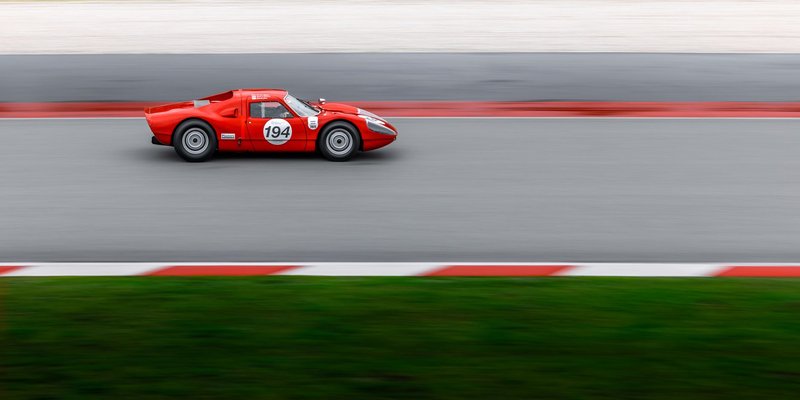
1962 Chevrolet Corvette (C1)
This is the swan song of the first-generation Corvette, and many enthusiasts think it’s the best-looking of the run. The body got cleaned up — the fake side coves lost their chrome teeth — and under the hood the small-block grew to 327 cu in, with the top fuel-injected version making 360 hp.
- Engine: 327 cu in V8, up to 360 hp (fuel injection)
- Production: ~14,531
- Original price: ~$4,040
- Why it mattered: Last of the C1, first year of the 327, and the cleanest styling of the solid-axle Corvettes.
1962 Chevrolet Corvair Monza Spyder
The Corvair was Chevrolet’s rear-engined, air-cooled answer to the VW Beetle, and for 1962 it got genuinely interesting. The Monza Spyder added a turbocharger — one of the first turbo production cars sold in America — bumping the flat-six to 150 hp.
- Engine: 145 cu in turbocharged flat-six, 150 hp
- Production: ~9,000 (Spyder)
- Original price: ~$2,640
- Why it mattered: An early, affordable turbocharged production car, and a far more entertaining machine than its later safety reputation suggests.
1962 Studebaker Avanti
Studebaker was dying, but it went out swinging with one of the most futuristic cars America ever built. The fiberglass-bodied Avanti, styled under Raymond Loewy, looked like nothing else on the road and could be ordered with a supercharged V8 that pushed it past 170 mph in record-setting form. It was a late, brilliant entry on the long list of Studebaker models that were eventually discontinued as the company wound down.
- Engine: 289 cu in V8, supercharged R2 making ~289 hp
- Production: ~3,800 (1962–63 combined, intro late ’62)
- Original price: ~$4,445
- Why it mattered: A genuinely radical design from a failing company, and a Bonneville record-setter.
European Sports Cars & Exotics
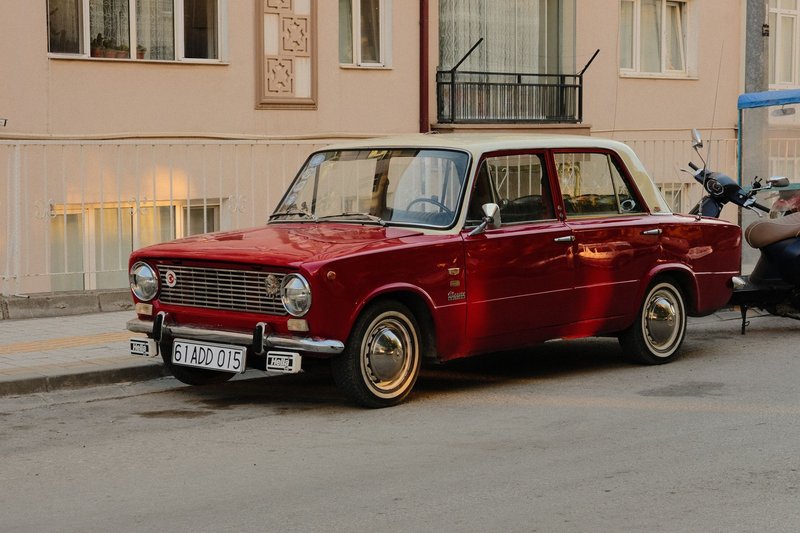
1962 Ferrari 250 GTO
The most valuable car in the world, full stop. Ferrari built just 36 of them as homologation specials for GT racing, and they’ve since become the holy grail of the collector market. A 1962 250 GTO sold for around $48.4 million, and private sales have reportedly gone higher. It paired a 3.0-liter V12 with a hand-formed aluminum body and a racing pedigree that’s never been matched at auction.
- Engine: 3.0-liter V12, ~300 hp
- Production: 36
- Original price (1962): ~$18,000
- Why it mattered: The benchmark blue-chip collector car. Nothing else comes close on value.
1961–1962 Jaguar E-Type
Enzo Ferrari reportedly called it the most beautiful car ever made, and sixty years on it’s hard to argue. The E-Type combined a 3.8-liter straight-six, independent rear suspension, four-wheel disc brakes, and a claimed 150 mph top speed — at roughly half the price of comparable exotics. The 1961–62 “Series 1” cars with the flat floors and external bonnet latches are the most coveted, and the E-Type still anchors most rankings of the best sports cars the 1960s produced.
- Engine: 3.8-liter straight-six, ~265 hp
- Production: tens of thousands across the run
- Original price: ~$5,600
- Why it mattered: Supercar looks and performance at a price that made sense. Still the best value-for-beauty on this list.
1962 Lotus Elan
The Elan is the engineer’s pick. Colin Chapman built it around a lightweight backbone chassis with a fiberglass body and a Ford-derived twin-cam engine, and the result weighed about 1,500 pounds and handled like nothing else. Its steering and ride balance became the template that sports car engineers chased for decades — the original Mazda Miata team studied it directly.
- Engine: 1.6-liter twin-cam four, ~105 hp
- Production: ~12,200 (full run)
- Original price: ~$4,000 (as kit/assembled varied)
- Why it mattered: It redefined how a small sports car should handle, and influenced everything from the Miata onward.
1962 Aston Martin DB4 (Series IV / Vantage)
The DB4 was hitting its stride by 1962, and the higher-output Vantage versions of its 3.7-liter twin-cam straight-six made it a genuine 140-mph grand tourer. It’s the direct ancestor of the DB5 that James Bond would make famous a couple of years later.
- Engine: 3.7-liter straight-six, up to ~266 hp (Vantage)
- Production: ~1,100 (DB4 total)
- Original price: ~$11,000
- Why it mattered: The bridge to the DB5, and a properly fast and elegant GT in its own right.
1962 MG MGB
If the E-Type was the unattainable dream, the MGB was the attainable one. Introduced in 1962, it replaced the MGA with a more modern unibody, roll-up windows instead of side curtains, and a willing 1.8-liter four. It became one of the best-selling sports cars in history.
- Engine: 1.8-liter four, ~95 hp
- Production: ~half a million across the run
- Original price: ~$2,500
- Why it mattered: The affordable, reliable, fun roadster that put a generation of Americans into British sports cars.
Economy & Everyday Cars
1962 Volkswagen Beetle (Type 1)
The car that quietly outsold them all. By 1962 the Beetle was a fixture on American roads — cheap, durable, simple to fix, and immune to fashion. The 1962 cars got a larger fuel tank and a few other refinements, but the appeal was always the same: it just kept running.
- Engine: 1.2-liter air-cooled flat-four, ~40 hp
- Production: millions
- Original price: ~$1,595
- Why it mattered: The anti-Detroit car — and the best-selling single model design in history.
1962 Ford Falcon
The Falcon was Ford’s compact success story, and 1962 is significant because the platform underneath it would, two years later, become the Mustang. Practical, light, and cheap to run, the Falcon sold in huge numbers and laid the groundwork for the pony car.
- Engine: 144 / 170 cu in straight-six
- Production: ~396,000
- Original price: ~$1,985
- Why it mattered: Its compact platform directly underpinned the 1964½ Mustang.
1962 Rambler American
Rambler was the thrifty alternative, and the American was its economy champion. Compact, frugal, and built by an independent that knew its lane, it appealed to buyers who saw the horsepower race as a waste of gas money. AMC’s “compact car” positioning was ahead of its time.
- Engine: 195.6 cu in flathead/OHV six
- Production: ~125,000
- Original price: ~$1,830
- Why it mattered: Proof that a small independent could win the economy buyer when the giants were chasing chrome.
1962 Chevrolet C/K Pickup
Trucks rarely make these lists, and they should. The 1962 C/K was part of Chevrolet’s clean-sheet 1960 truck redesign, with independent front suspension on half-tons — unusual for a pickup at the time — and a smooth ride that set it apart from the leaf-sprung competition.
- Engine: 235 cu in six or 283 cu in V8
- Production: high volume
- Original price: ~$1,950
- Why it mattered: Modern-feeling for its day, and these clean early-’60s Chevy pickups have become serious collector and restomod favorites.
1962 Car Values at a Glance
Rough figures for good drivers and clean examples. Values swing hard with condition, options (a 409 or a fuelie changes everything), and documentation. Concours and rare-spec cars run far above these numbers.
| Model | Original Price (1962) | Typical Value Today | Collectibility |
|---|---|---|---|
| Ferrari 250 GTO | ~$18,000 | $40M+ | Holy grail |
| Aston Martin DB4 | ~$11,000 | $400k–$700k+ | Very high |
| Chevrolet Corvette C1 | ~$4,040 | $60k–$150k+ | High |
| Jaguar E-Type S1 | ~$5,600 | $90k–$250k+ | High |
| Lotus Elan | ~$4,000 | $40k–$90k | High |
| Pontiac Grand Prix | ~$3,490 | $25k–$55k | Solid |
| Studebaker Avanti | ~$4,445 | $25k–$60k | Solid |
| Impala SS 409 | ~$2,670+ | $40k–$120k | High (with 409) |
| Corvair Monza Spyder | ~$2,640 | $12k–$30k | Rising |
| MG MGB | ~$2,500 | $12k–$30k | Accessible |
| Chevy C/K Pickup | ~$1,950 | $20k–$60k (restomod) | Rising |
| VW Beetle | ~$1,595 | $10k–$25k | Accessible |
| Ford Falcon | ~$1,985 | $12k–$28k | Accessible |
Buying a 1962 Car Today
The smart money in 1962 cars isn’t the GTO — nobody reading this is buying a GTO. It’s in the cars that combine character, parts availability, and room left to climb.
The Jaguar E-Type is the beauty buy, but budget for the maintenance; these reward an owner who can turn a wrench or has a good specialist. The MGB and VW Beetle are the gateway classics — cheap to buy, easy to fix, and supported by enormous parts networks, which matters more than people realize when you’re keeping a 60-plus-year-old car on the road.
For American iron, the Pontiac Grand Prix and Studebaker Avanti are underpriced relative to their significance, and the clean Chevy C/K pickups have a restomod following that’s only growing. The one to verify carefully is anything wearing a 409 badge — that engine adds serious value, which means it also attracts serious fakery. Get the documentation.
The 1962 model year is one of the most interesting twelve-month windows in automotive history precisely because it sits between eras — the chrome-and-cubic-inch fifties on one side, the muscle car and supercar sixties on the other. The cars that came out of that crossroads have aged into some of the most desirable classics on the planet. Pick the one that speaks to you, check the documentation, and buy the best example you can afford. With 1962 car models, condition almost always beats a bargain.

Daniela Voss
More from Daniela VossHow we reviewed this article
This article was researched against manufacturer records and editorially reviewed before publishing. We accept no payment for coverage.